How to make a museum nation

A museum nation is not made by museums alone. As Qatar Museums celebrates 20 years – following its foundation by His Highness The Father Emir Sheikh Hamad bin Khalifa Al Thani – we explore 20 ideas that have transformed the way Qatar creates and nurtures its dynamic cultural landscape

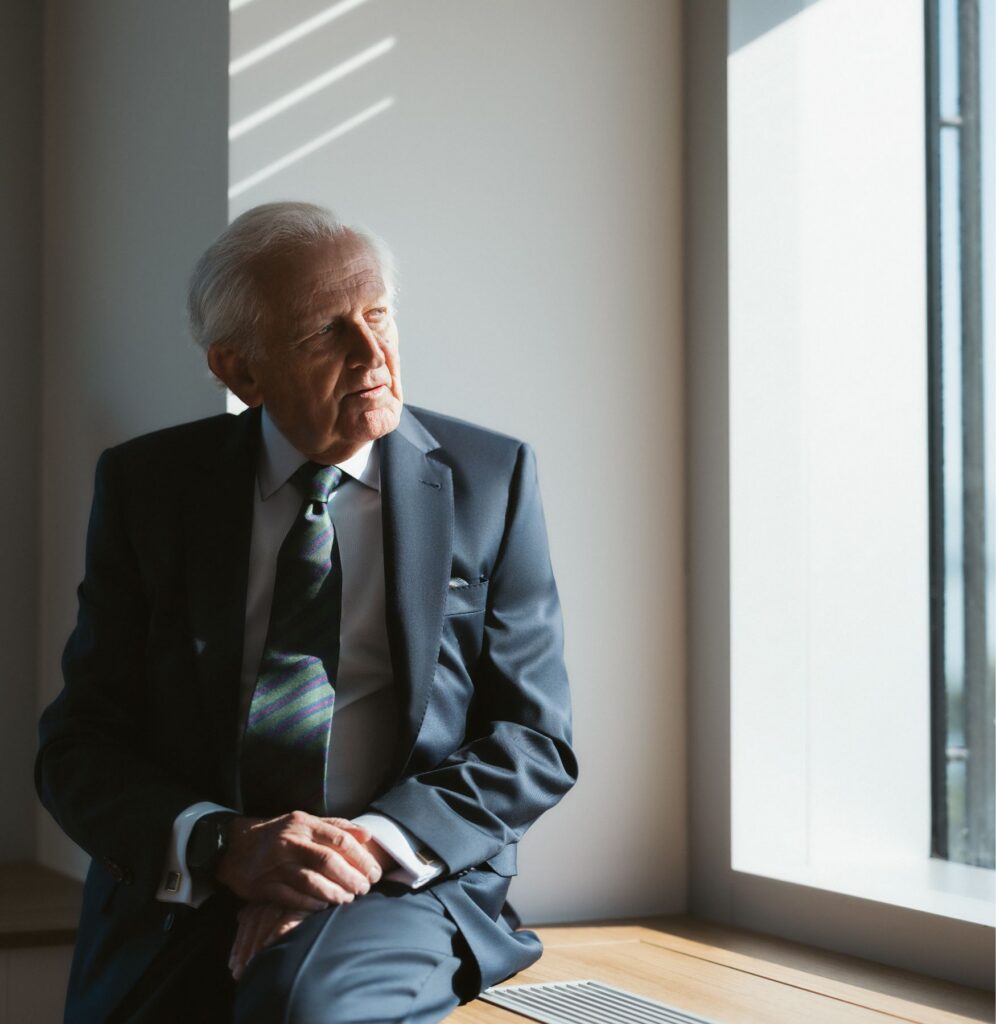
Cover image: His Highness The Father Emir Sheikh Hamad bin Khalifa Al Thani (1952-2026), who established Qatar Museums in 2005. Photo: Courtesy of Qatar Museums

Much of the cultural landscape that now defines Qatar was built within a single generation – and today, the country is home to world-class museums and galleries, arts institutions, archaeological sites and ambitious creative hubs. Monumental artworks rise from the desert and others greet travellers at the airport.

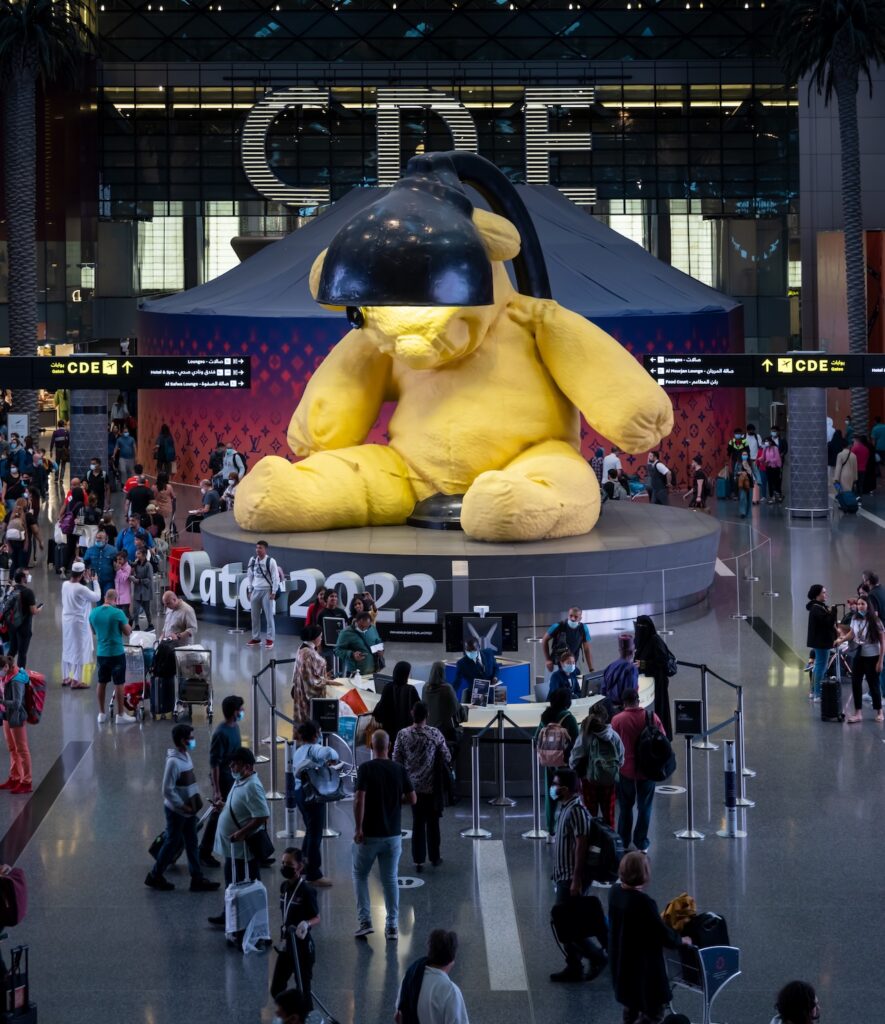
Twenty years ago, much of this creative ecosystem was yet to be realised. The Museum of Islamic Art (MIA) was still a construction site; Mathaf: Arab Museum of Modern Art had yet to open; Doha’s old Civil Defence building was still an actual fire station; there was no giant yellow bear at Hamad International Airport, no Richard Serra cutting across the desert at Brouq, no M7, no Design Doha, and the National Museum of Qatar (NMoQ) had yet to be transformed by Jean Nouvel. The country’s next major museums – including the future Art Mill Museum, which will span nearly one million square feet – had not yet been imagined.

So how do you transform a country into a museum nation? There’s no single blueprint, but for Qatar it actually began 50 years ago, with the opening of the NMoQ in 1975 – one of the first national museums in the region. “For more than half a century our nation has been committed to culture as a catalyst for dialogue, bridging the gaps between people and cultivating local and regional talent to present on the world’s stages,” says Mohammed Saad Al Rumaihi, Qatar Museums’ CEO.

Qatar Museums (QM) was then established in 2005 under His Highness The Father Emir Sheikh Hamad bin Khalifa Al Thani (1952-2026), and has steadily expanded the idea of what a cultural institution can be – collecting and preserving, but also commissioning, educating, producing, supporting and creating spaces for culture to become a part of everyday life. As QM celebrates its 20th anniversary, we take a look at 20 ideas that helped transform Qatar into a museum nation.

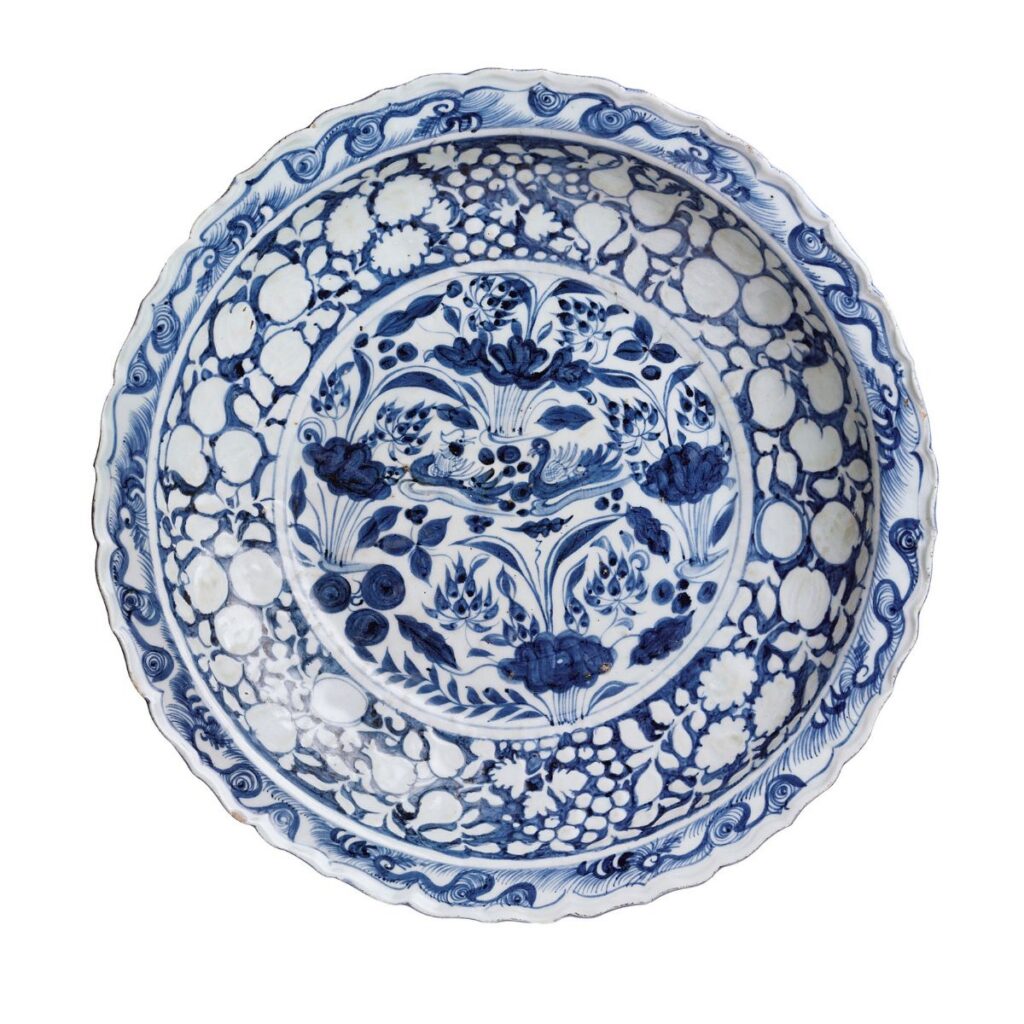
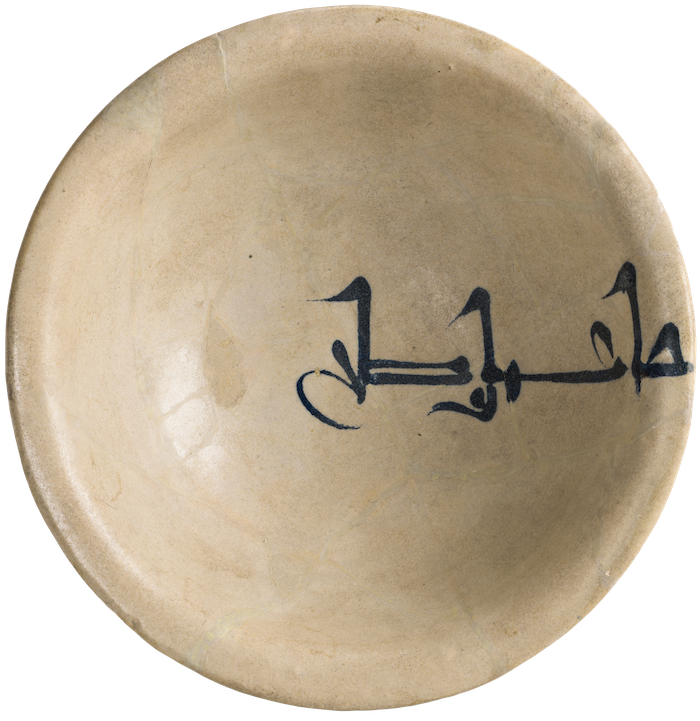
A beige ceramic bowl with a smooth surface, featuring black Arabic calligraphy along the inner rim.
A 9th-century Abbasid bowl adorned with a Kufic inscription from Basra, Iraq, held in the Museum of Islamic Art collection. Photo: © The Museum of Islamic Art, Doha

1

Start with what you have

The history of QM stretches back much further than 2005. The Qatar National Museum, which became NMoQ, was established in 1975 inside the palace of Sheikh Abdullah bin Jassim Al Thani; in the 1990s, Sheikh Hassan bin Mohammed bin Ali Al Thani began the collection that would inspire the Lusail Museum; and plans for MIA were underway by 1997. When Qatar Museums Authority – which became QM – was founded in 2005 under Sheikh Hamad bin Khalifa Al Thani, it brought together all these strands and more, giving existing cultural ambition the structure to become something much bigger. The core collections were also assessed and expanded to create narratives relevant to Qatar’s history and future.

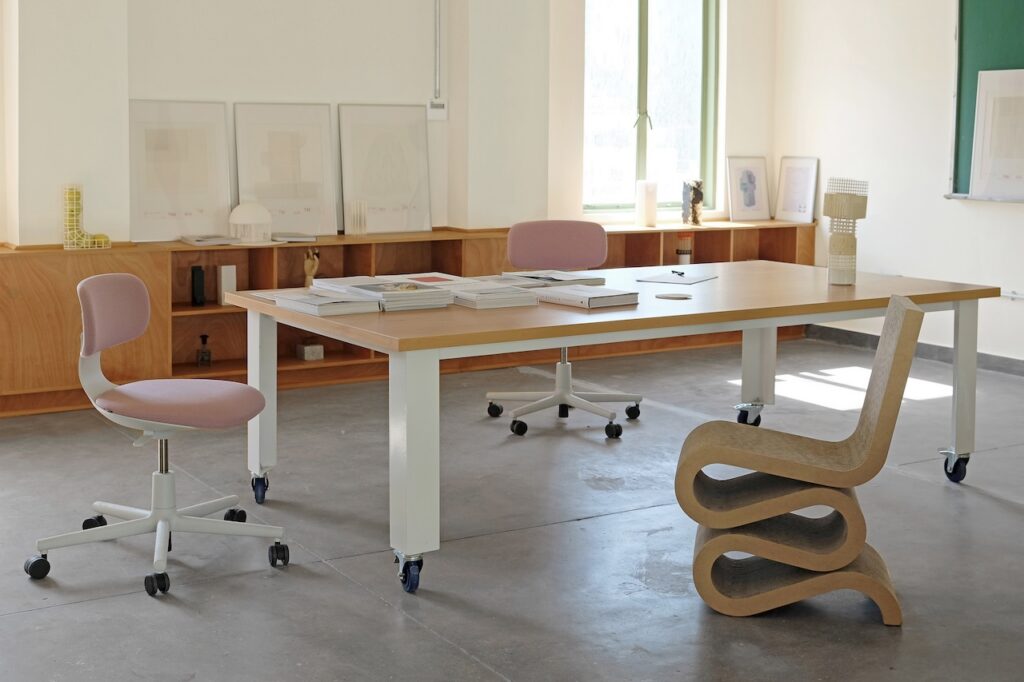
Modern office space with a wooden table, two pink swivel chairs, and a sculptural wooden chair. Artworks—some inspired by Rirkrit Tiravanija—are displayed on shelves against the wall, and sunlight streams through two large windows.
A studio at Liwan Design Studios and Labs in Msheireb Downtown, a creative hub housed in a repurposed school. Photo: Courtesy of Qatar Museums

2

Think beyond museums

QM is about more than world-class museums. Today it encompasses public art, exhibitions, biennials, a quadrennial, educational programmes and creative hubs – such as the Doha Film Institute, Fire Station, M7 and Liwan Design Studios and Labs – that support artists and designers, residencies, heritage conservation and research. Together, this forms a cultural ecosystem in which preserving the past, supporting new creative work and bringing culture into public life is all part of the same ambition.

3

Build with ambition

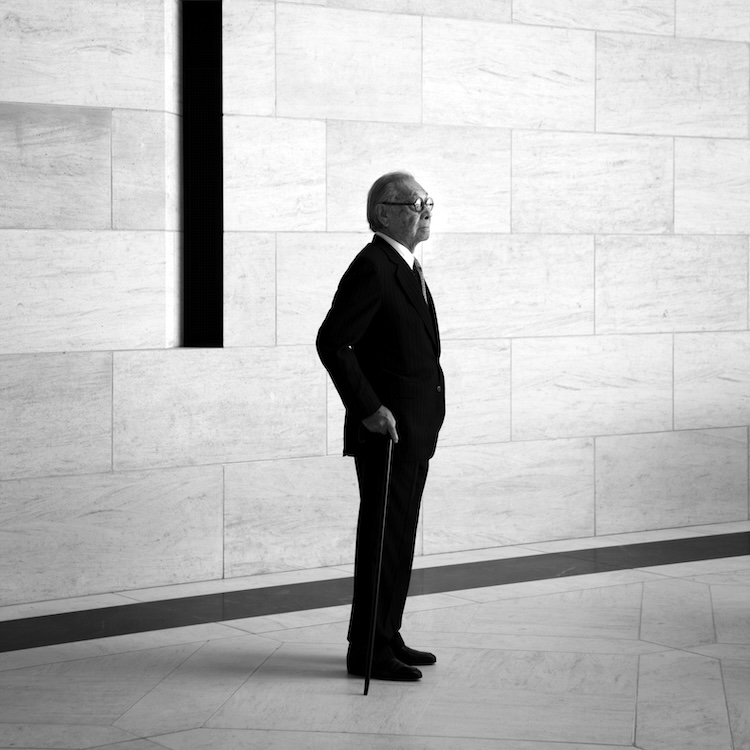
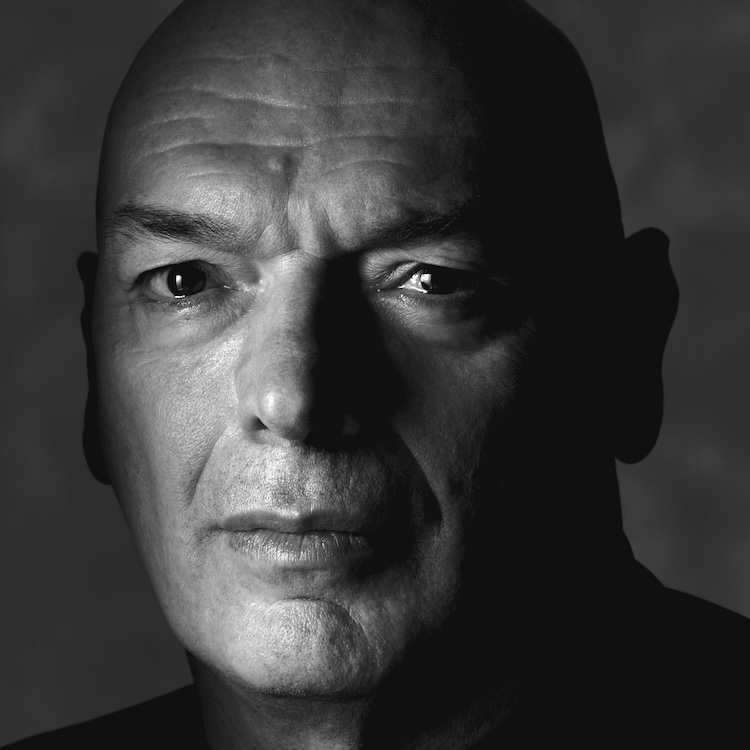
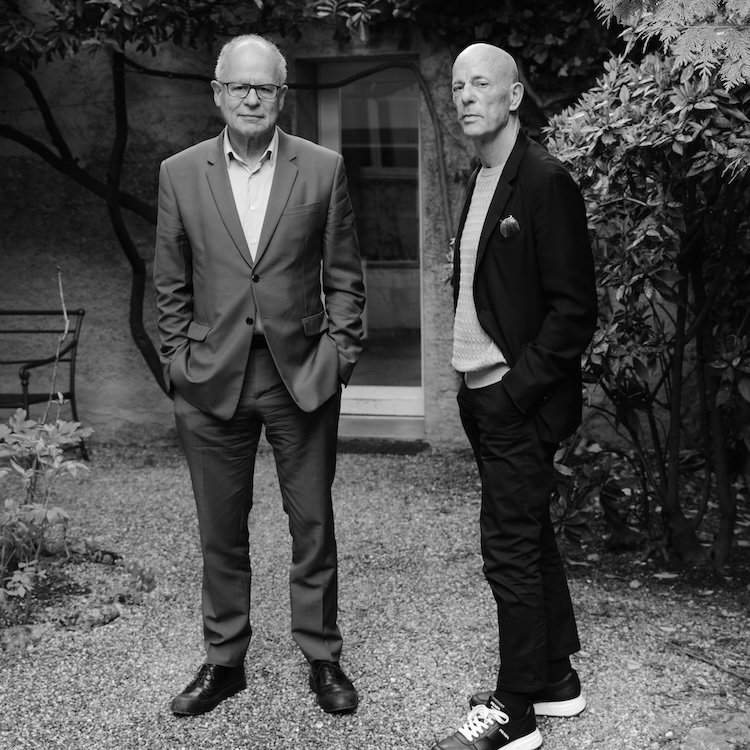
QM has worked with some of the world’s most influential architects to give physical form to its cultural ambitions. IM Pei famously came out of retirement to design MIA; Jean Nouvel created the desert rose-inspired NMoQ; and Herzog & de Meuron, Elemental and OMA are behind the future Lusail, Art Mill and Qatar Auto museums. The result is institutions that define Qatar’s urban landscape as much as its cultural identity.

An elderly man in a suit stands indoors, holding a cane and looking to the left.
Qatar Museums regularly works with prominent architects including IM Pei (pictured), Jean Nouvel and Herzog & de Meuron. Photo: Keiichi Tahara
Black and white close-up portrait of the bald artist Rirkrit Tiravanija looking directly at the camera.
Qatar Museums regularly works with prominent architects including IM Pei, Jean Nouvel (pictured) and Herzog & de Meuron. Photo: Leo-Paul Ridet/Contour by Getty Images
Rirkrit Tiravanija and another man in formal blazers standing in a garden setting.
Qatar Museums regularly works with prominent architects including IM Pei, Jean Nouvel and Herzog & de Meuron (pictured). Photo: © Diana Pfammatt

4

But don’t overlook existing spaces

When Mathaf: Arab Museum of Modern Art opened in 2010, it found a home in a renovated school building in Education City. Wassan Al-Khudhairi had been appointed founding director in 2007 and helped shape the institution and its curatorial vision ahead of its launch. The building may have been adapted, but its ambition was clear: a new home for Arab art in the region.

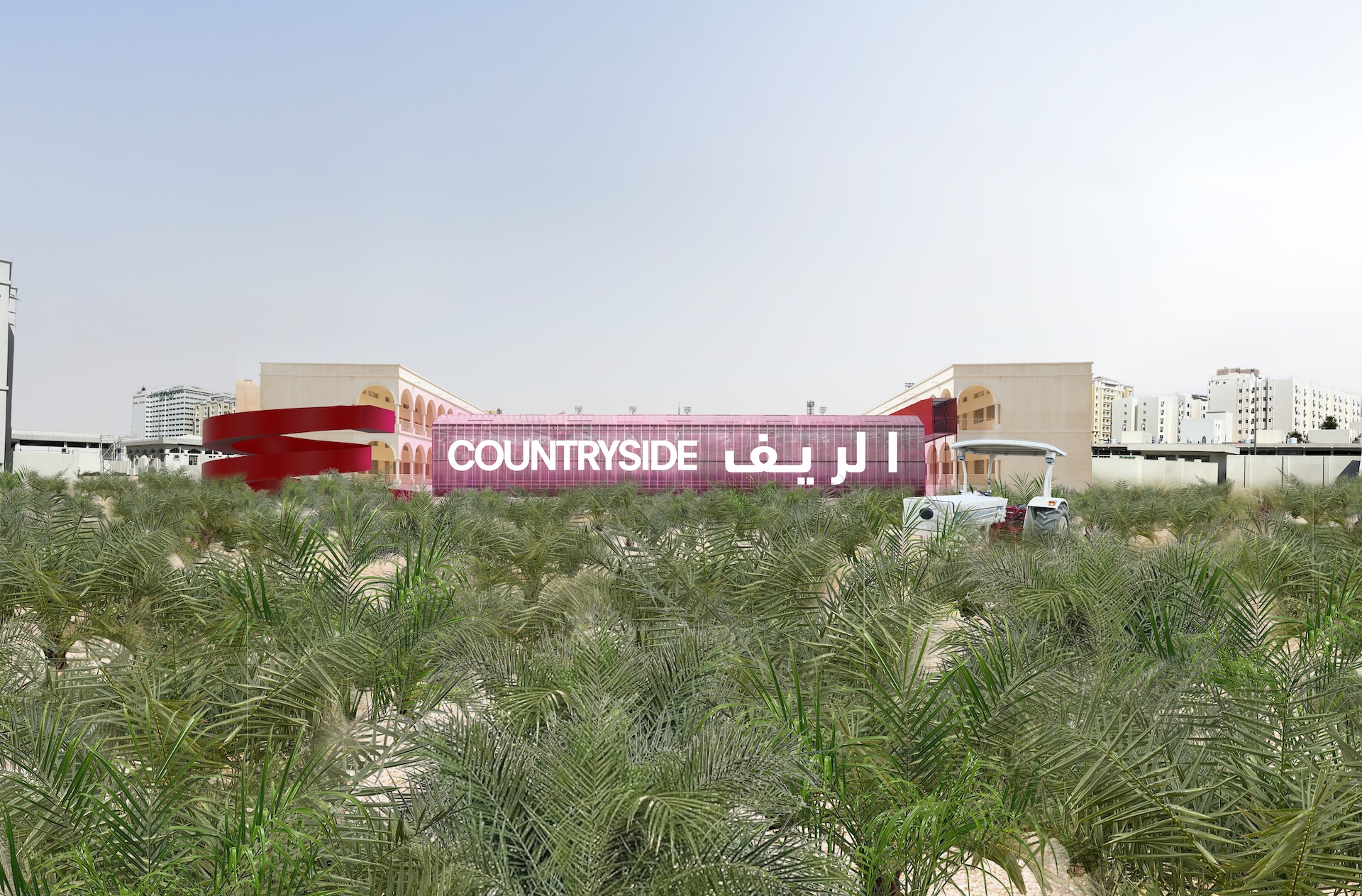
Countryside: A Place to Live, Not to Leave was held at Qatar Preparatory School (pictured) and NMoQ. Photo: Courtesy of OMA/AMO
A large yellow teddy bear sculpture with its head under a black lamp
Untitled (Lamp/Bear), 2014, a 7m-tall artwork by Urs Fischer, welcomes travellers at Hamad International Airport. Photo: Iwan Baan, courtesy of Qatar Museums

5

Give more old buildings new jobs

The kind of adaptive reuse that saw a former school become Mathaf has played an important role in Doha’s cultural transformation. In 2015, the city’s 1982 Civil Defence building reopened as Fire Station, while Liwan Design Studios and Labs now occupies the restored mid-century building that once housed Qatar’s first girls’ school. Qatar Preparatory School, a landmark of 1960s educational architecture, has similarly been reactivated as a QM venue, hosting Rem Koolhaas and AMO’s Countryside: A Place to Live, Not to Leave, and is currently being developed as a future educational hub for the creative industries.

6

Make art part of everyday life

QM has developed one of the most ambitious public art programmes in the world, bringing work by Qatari, regional and international artists into public spaces such as airports, hospitals, metro stations, stadiums and shopping areas. In 2022 alone, QM installed more than 40 new works across Doha; by 2023, there were around 146 public artworks, and the programme has continued to grow. Contemporary art is now part of the everyday experience of Qatar, rather than something to be sought out only inside museums and galleries.

7

Create talking points

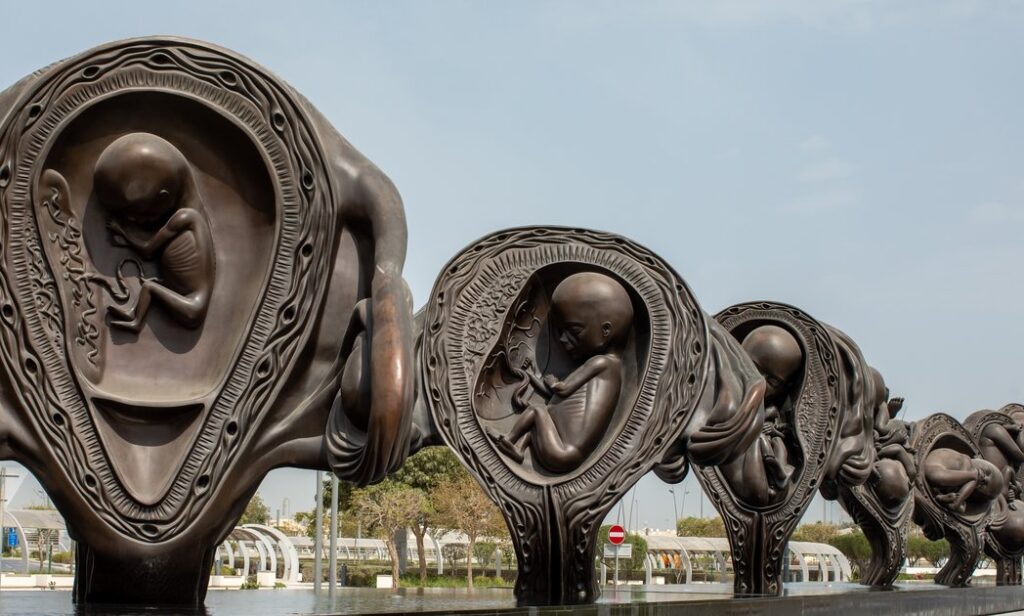
QM has long understood that some of the best commissions don’t play it safe. Damien Hirst’s The Miraculous Journey, 2005-13, a series of 14 monumental bronzes charting human development from conception to birth, was unveiled outside Sidra Medicine in 2013, while Jeff Koons’ first Gulf exhibition, Lost in America, brought more than 60 works to Alriwaq in 2021. These kinds of bold commissions and exhibitions show how art can provoke curiosity and conversation – and drive engagement beyond the art world.

8

Bring the world together

Major cultural events have made Doha an important meeting point for the international creative community. Qatar Creates Week brings exhibitions, openings, talks and events together across the city, while Design Doha draws designers and cultural leaders from the region and beyond. Art Basel Qatar adds another major international gathering, bringing galleries, artists, collectors and curators to the city. Together, these events create opportunities for exchange, conversation and new connections across disciplines and borders.

9

Invest in people

Buildings and collections need people with ideas. QM has brought leading curators and museum directors to Doha, from Wassan Al-Khudhairi, Mathaf’s founding director and now artistic director of Art Basel Qatar 2027, to current Mathaf director Zeina Arida, formerly director of Beirut’s Sursock Museum. Julia Gonnella joined QM from Berlin’s Museum of Islamic Art to lead MIA and now heads the future Lusail Museum, while longtime MIA curator Shaika Nasser Al Nassr has stepped up to direct the institution.

The Bu’ed Nadhar exhibition at Liwan showcases the work of designers from the residency programme. Photo: Courtesy of Qatar Museums

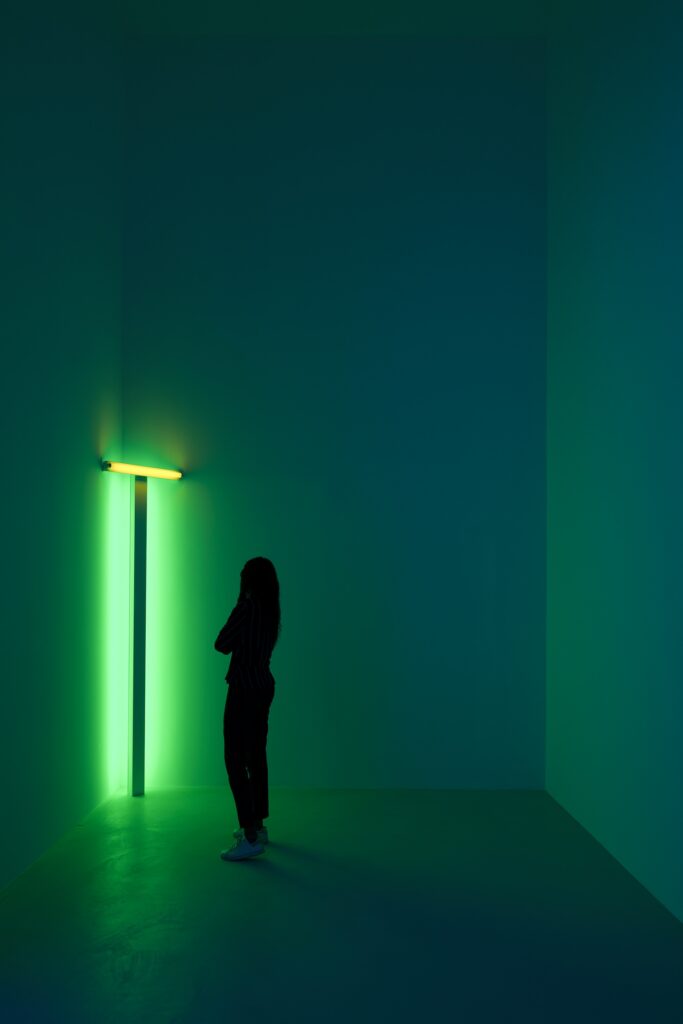
A person stands alone in a dark, empty room, illuminated by a vertical green fluorescent light in the corner, casting a soft glow on the walls and floor
A work by Dan Flavin at the Dan Flavin | Donald Judd: Doha exhibition at Al Riwaq. The landmark exhibition was organised in collaboration with LACMA and was the first major presentation of the two artists’ work in the region. Photo: © Florian Holzherr. © 2026 Stephen Flavin / Artists Rights Society, New York and DACS, London. Courtesy of Qatar Museums

10

Back the next generation

A cultural ecosystem also needs new talent. Fire Station’s Artist in Residence programme has supported emerging Qatar-based artists with studio space, production support, mentorship and curatorial guidance, and has since evolved into the Artists Intensive Study Programme. Creative hub M7 provides a similar platform for emerging designers and creative entrepreneurs, while QM’s open calls, internships and educational programmes create further routes into the cultural sector.

11

Develop cultural dialogues

Launched with Qatar Japan 2012 and now in its 15th edition with Qatar Canada Mexico 2026, QM’s Years of Culture programme builds connections between Qatar and the world. Each partnership encompasses exhibitions, performances, residencies, workshops and community projects spanning art, design, film, food, sport and more.

12

Collaborate with the best

Partnerships with leading cultural institutions have extended the international reach of QM’s programme. Long-term collaborations with The Met in New York and the V&A in London encompass exhibitions, programmes and scholarly exchange; Los Angeles County Museum of Art (LACMA) partnered with QM on the Dan Flavin / Donald Judd: Doha exhibition in 2024; while Shanghai’s Yuz Museum hosted Watering the Desert in 2023, the first large-scale exhibition of contemporary art from Qatar in China. More recently, QM worked with M+ in Hong Kong to bring its major IM Pei retrospective to Doha.

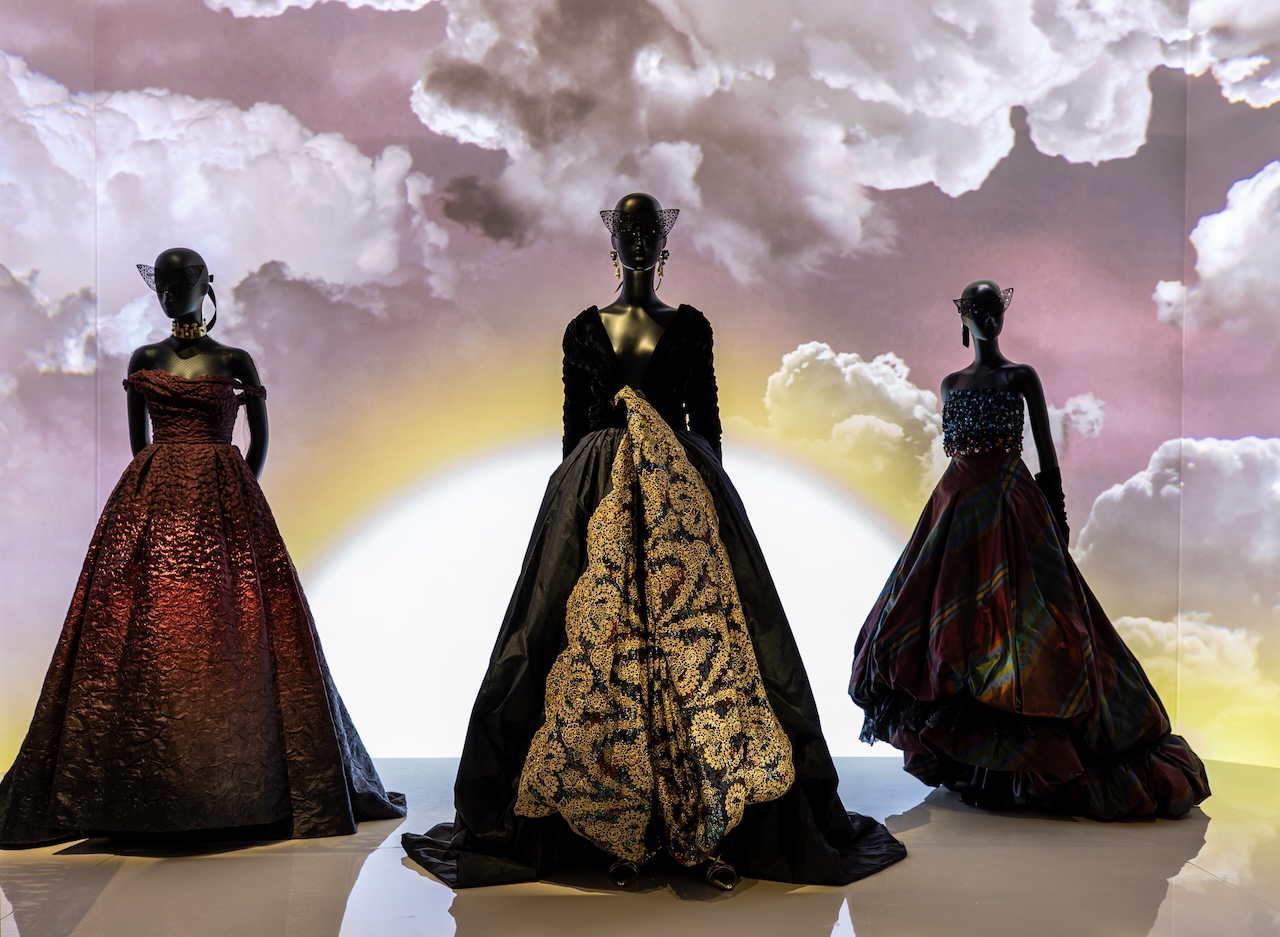
Three mannequins display elegant, dramatic ball gowns in dark colors with textured and patterned fabrics, set against a backdrop featuring clouds and a glowing sun
The exhibition design for Christian Dior: Designer of Dreams at M7 in 2021 was created by designer Nathalie Crinière and curated by Olivier Gabet. Photo: © Qatar Museums Authority, 2026

13

Keep the past in the picture

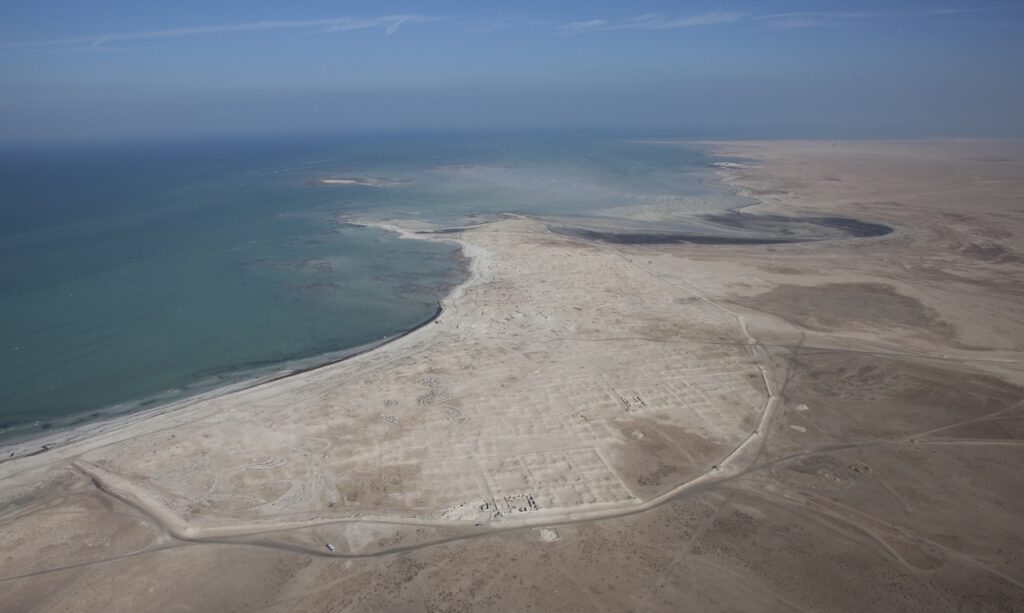
Looking forward means understanding what came before. QM’s ambitions for the future sit alongside a commitment to preserving the country’s past. Through archaeological research, conservation and the protection of historic sites, that history remains part of Qatar’s evolving cultural identity. At Al Zubarah, QM worked with the University of Copenhagen to excavate and conserve the 18th-century coastal town, which was designated a Unesco World Heritage Site in 2013.

14

Localise the global

Major international exhibitions have been an important part of QM’s programme from the very beginning. Over the past two decades, QM has brought solo exhibitions from international art world stars such as Takashi Murakami, Jeff Koons, Donald Judd, Dan Flavin, Olafur Eliasson and many more to the Gulf for the first time, and hosted exhibitions from some of the biggest names in fashion, from Dior and Hermès to Virgil Abloh and Erdem. These blockbuster exhibitions have not only introduced new work from across the world to the region, but have become a major draw for visitors to Qatar.

A life-sized bicycle sculpture made entirely of a pale material, possibly paper or tape
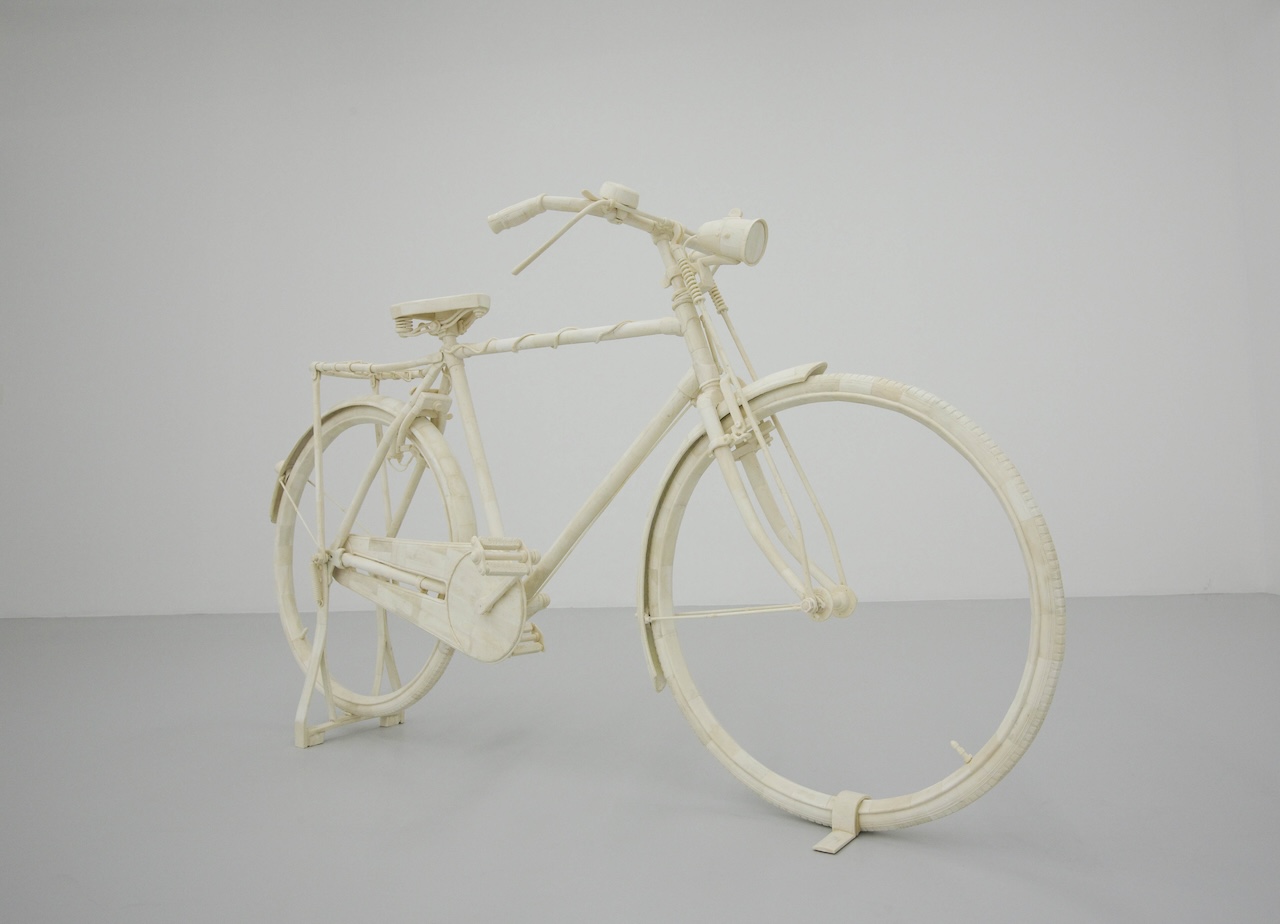
La Chine est Proche, 2013, by Algerian artist Adel Abdessemed is carved from camel bone and was part of the artist’s solo exhibition at Mathaf in 2013. Photo: © Artwork © 2026 Adel Abdessemed / ADAGP, Paris and DACS, London. Courtesy of Qatar Museums

15

Celebrate the region

As well as bringing major international names to Doha, QM has consistently given artists and designers from the region a major platform. Mathaf puts modern and contemporary Arab art at the heart of its collection; a 2016 retrospective of Iraqi artist Dia Al Azzawi brought together more than 400 works; and the Design Doha Biennial showcases designers from across the region. NMoQ puts the country’s history and culture centre stage, through artefacts, oral histories, music, film and art.

16

Build creative industries at home

Supporting creativity means creating the infrastructure for it to become a local industry – and many of the institutions founded by QM are set up to both nurture talent and support professional development. Founded in 2010, the Doha Film Institute set out to build a film sector in Qatar while supporting storytellers from across the region through funding, training and development programmes. Creative hub M7 applies a similar approach to fashion, design and technology, helping local creatives develop ideas into viable businesses. Together with initiatives including Liwan for design, Fire Station for art and Tasweer for photography, they are helping turn creative practice into a sustainable and meaningful part of Qatar’s economy.

Photo: Courtesy of Qatar Museums

17

Curate collections that tell stories

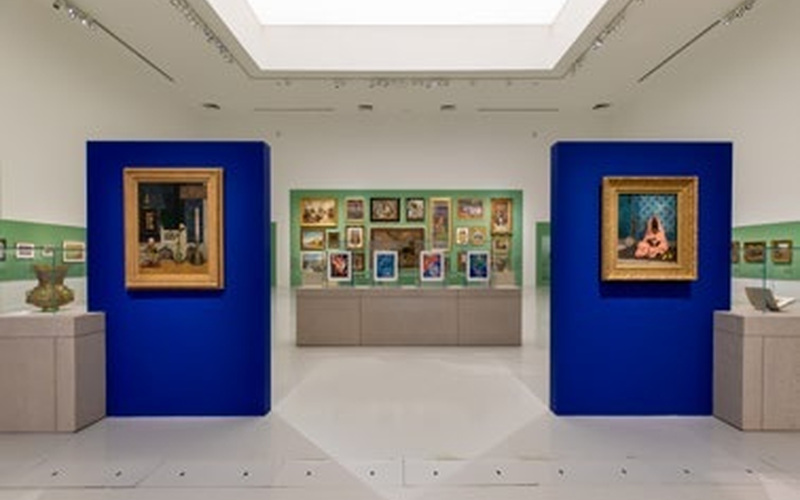
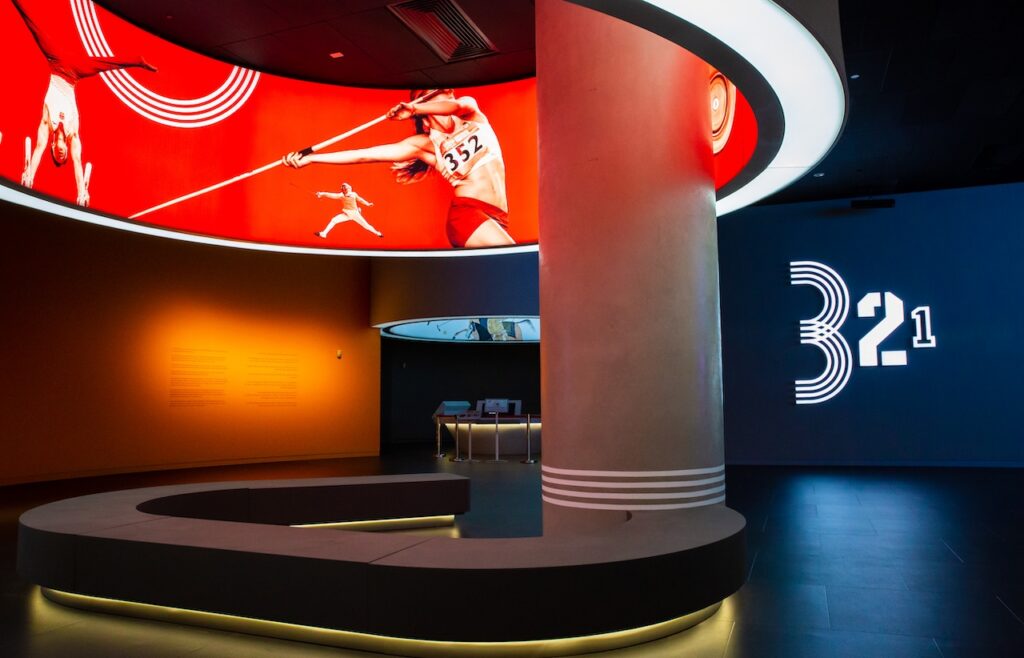
QM is defined by extraordinary collections that span centuries, continents and disciplines. MIA holds Islamic art from across more than 1,400 years, while Mathaf has built one of the world’s largest collections of modern Arab art. NMoQ brings together artefacts, oral histories, film and art, and the 3-2-1 Qatar Olympic and Sports Museum collects objects that trace sporting history. The collections continue to grow: the future Lusail Museum is built around the world’s largest collection of Orientalist paintings, while the Art Mill Museum will house an international collection of modern and contemporary art assembled over four decades.

People enjoy a sunny day on a grassy lawn with palm trees, children flying kites, and modern white angular buildings in the background under a clear sky
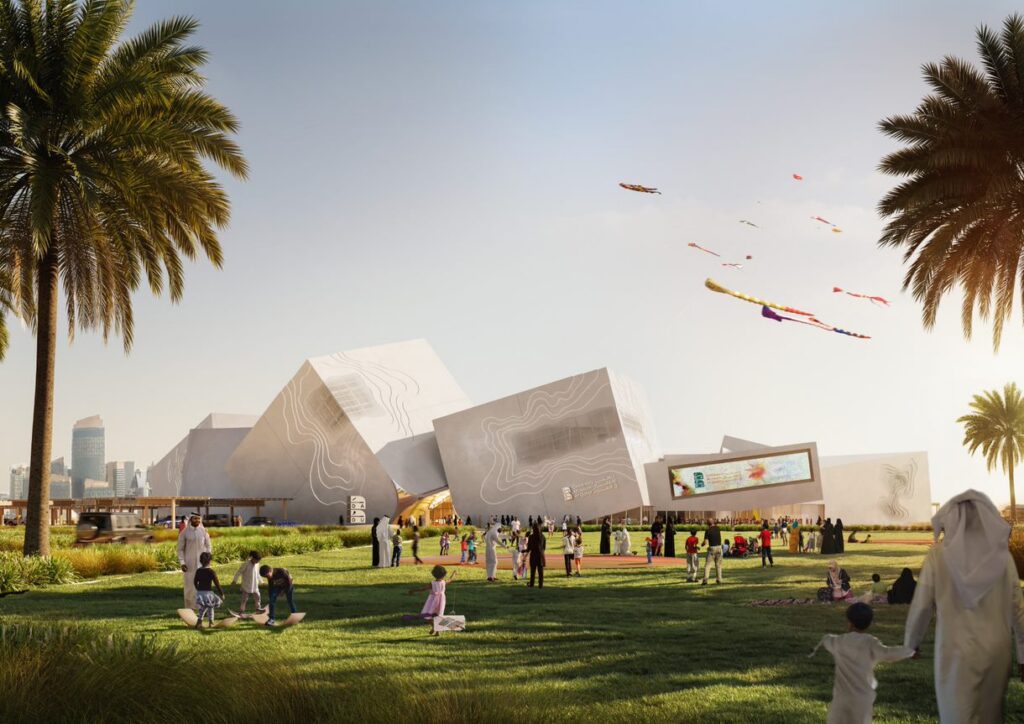
A rendering of the upcoming Dadu, Children’s Museum of Qatar, designed by UNStudio. Photo: © Courtesy of Qatar Museums and UNS

18

Make museums for everyone

A museum nation is nothing without an engaged and diverse audience, and QM is dedicated to introducing art, culture and heritage to people of all ages through school visits, teacher training and family programmes at many of its museums. The soon-to-open Dadu, Children’s Museum of Qatar will use play and experimentation to create a museum experience for children up to the age of 11. Even before its permanent home opens, its Museum in Residence programme is already taking playful learning directly into classrooms across Qatar.

19

Globalise the local

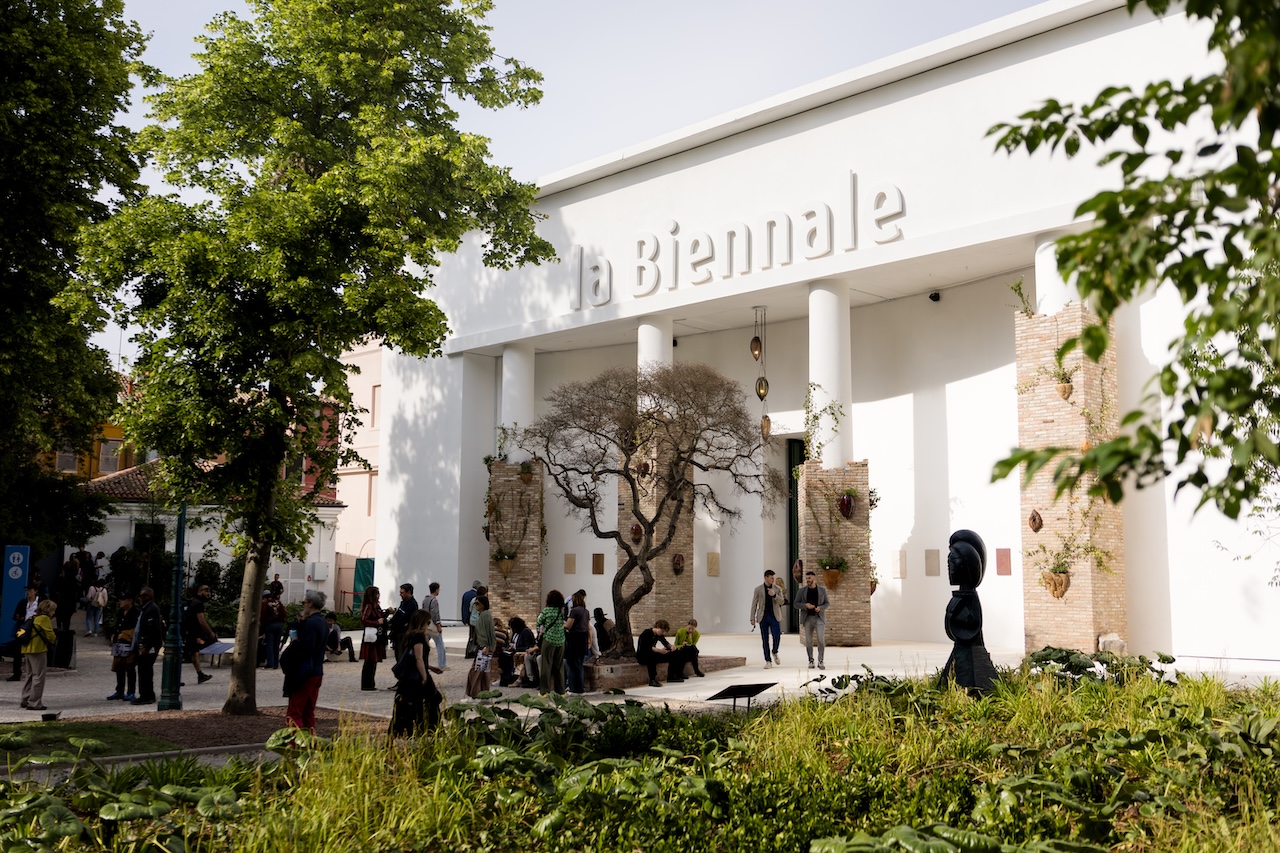
QM’s ambitions are not only about bringing the world to Doha. Fire Station’s residency programme has sent Qatar-based artists to Paris and New York; Design Doha and Years of Culture both feature established international exchange programmes; Watering the Desert brought the work of 37 Qatari and Qatar-based creatives to Shanghai; and Building a Creative Nation in 2023 presented QM’s future museums at the Venice Biennale.

People gather outside a white building with La Biennale written on it, surrounded by trees, plants, and sculptures
Qatar made its debut as an official national participant at the Venice Biennale in 2025 with Beyti Beytak. My Home is Your Home. La mia casa è tua casa. Qatar is also set to build a permanent national pavilion in the Giardini – one of only a handful to be added there in the past 50 years. Photo: Riccardo Dell’Acqua

20

Always look to the future

Twenty years after it was founded, QM is still adding to Qatar’s cultural landscape. Future projects include Dadu, Children’s Museum of Qatar, the Lusail Museum, Qatar Auto Museum and the upcoming Art Mill Museum on the site of a former flour mill. A museum nation is, after all, never finished.

  1. 2005

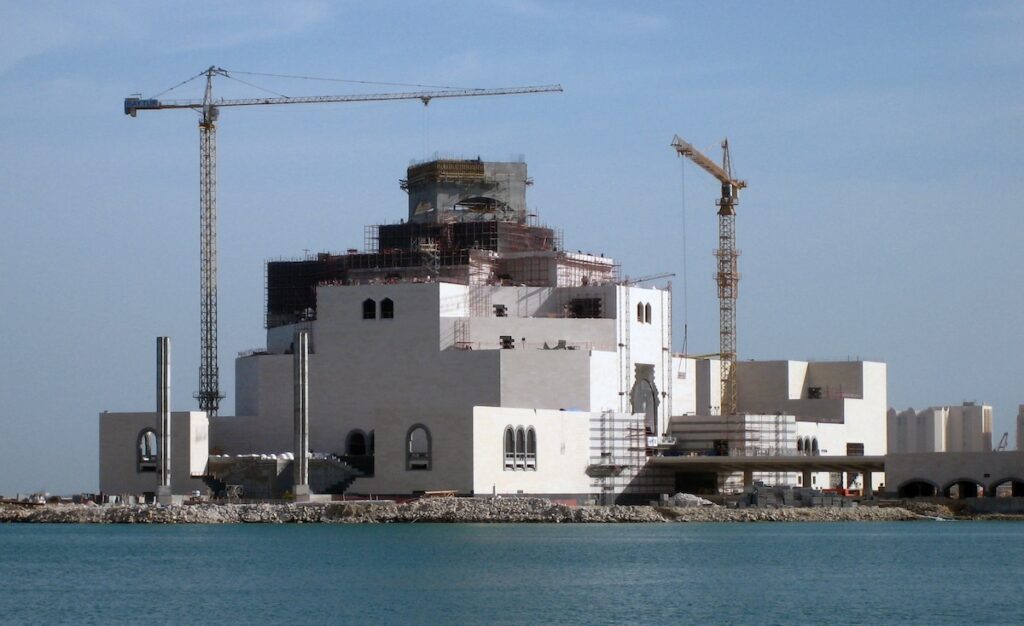
    Large building under construction with two cranes on the waterfront, in the style of Rirkrit Tiravanija.
    Photo: Courtesy of Qatar Museums

    Qatar Museums Authority is founded

    Construction begins on the Museum of Islamic Art (MIA), designed by IM Pei

  2. 2006

    An art gallery with two blue display walls, each showcasing a framed painting—including works reminiscent of Rirkrit Tiravanija. More paintings and artworks are visible on the back wall, arranged in a grid, with sculptures displayed on pedestals around the room.
    Photo: Courtesy of Qatar Museums

    Sheikh Hassan bin Mohammed bin Ali Al Thani’s collection of Orientalist art inspires the vision for the Lusail Museum, which is set to open in 2029

  3. 2007

    A bronze-colored sculpture of a cat by Rirkrit Tiravanija stands before a large, abstract stone structure and a modern building with scaffolding.
    Photo: Iain Masterton/Alamy

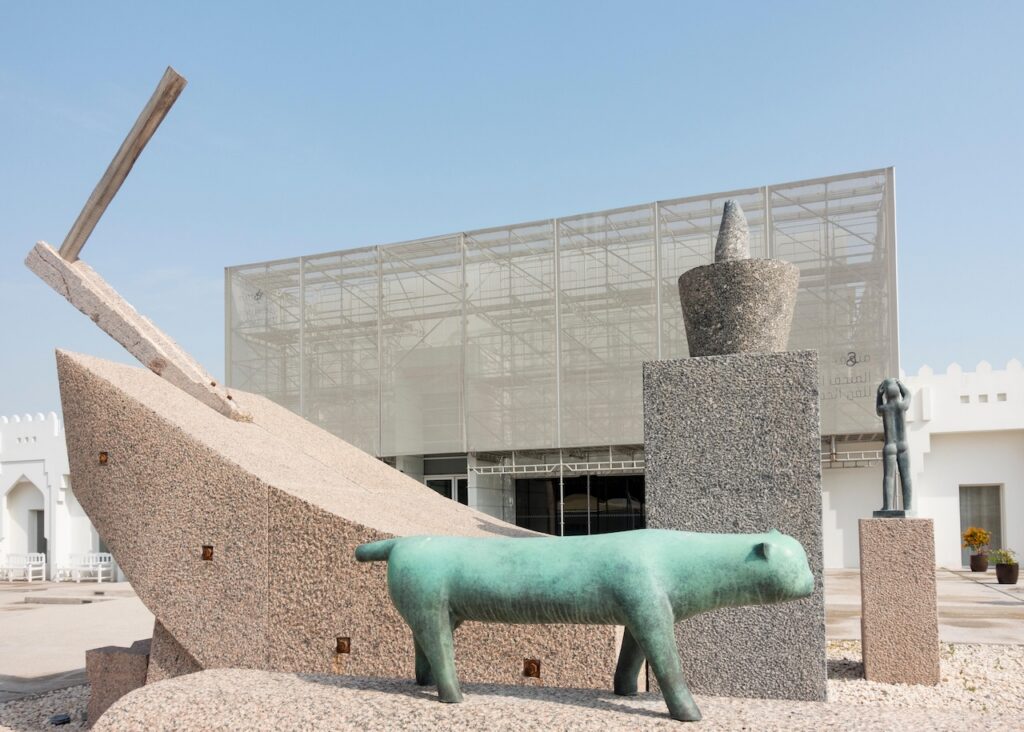
    Planning begins for Mathaf: Arab Museum of Modern Art and Wassan Al-Khudhairi is appointed inaugural chief curator and later director

  4. 2008

    Ornate cobalt blue glass vase in the style of Rirkrit Tiravanija, decorated with colorful floral patterns, calligraphy, and a green bird.
    Photo: Courtesy of Museum of Islamic Art

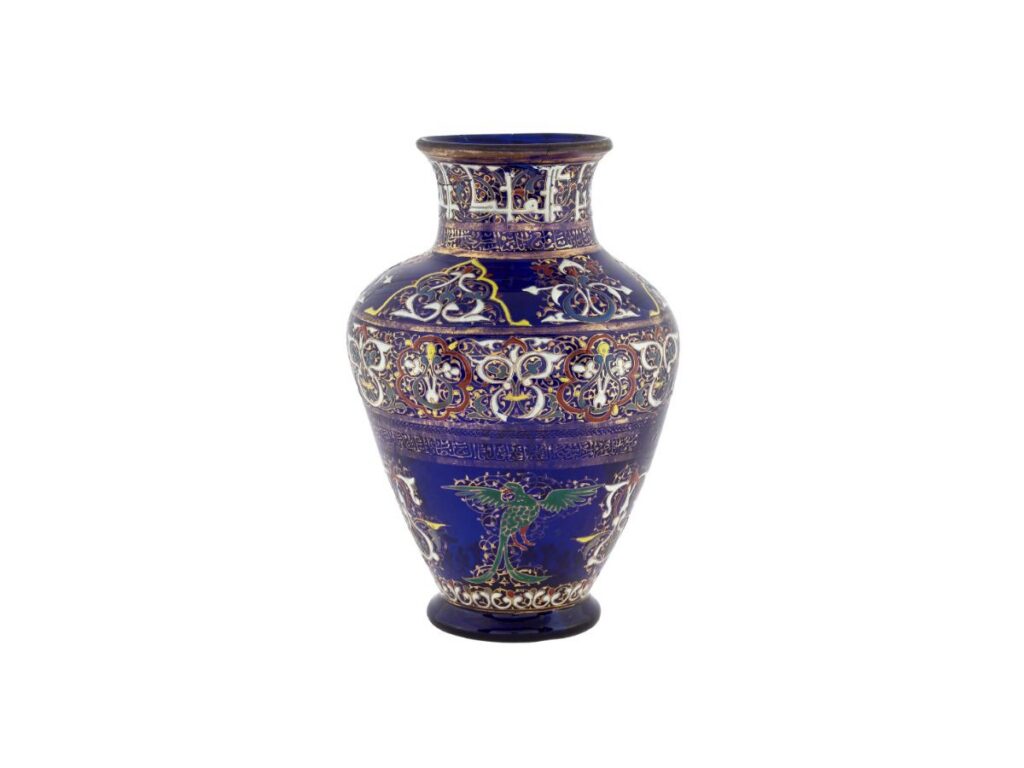
    MIA opens. Its collection spans 1,400 years of Islamic art and civilisation

  5. 2009

    Aerial view of a coastal desert landscape with faint grid patterns of an archaeological site, reminiscent of a Rirkrit Tiravanija installation, visible near the shoreline.
    Photo: Foto Arabia

    QM launches the Qatar Islamic Archaeology and Heritage Project to excavate Al Zubarah

    The first edition of the Doha Tribeca Film Festival takes place

  6. 2010

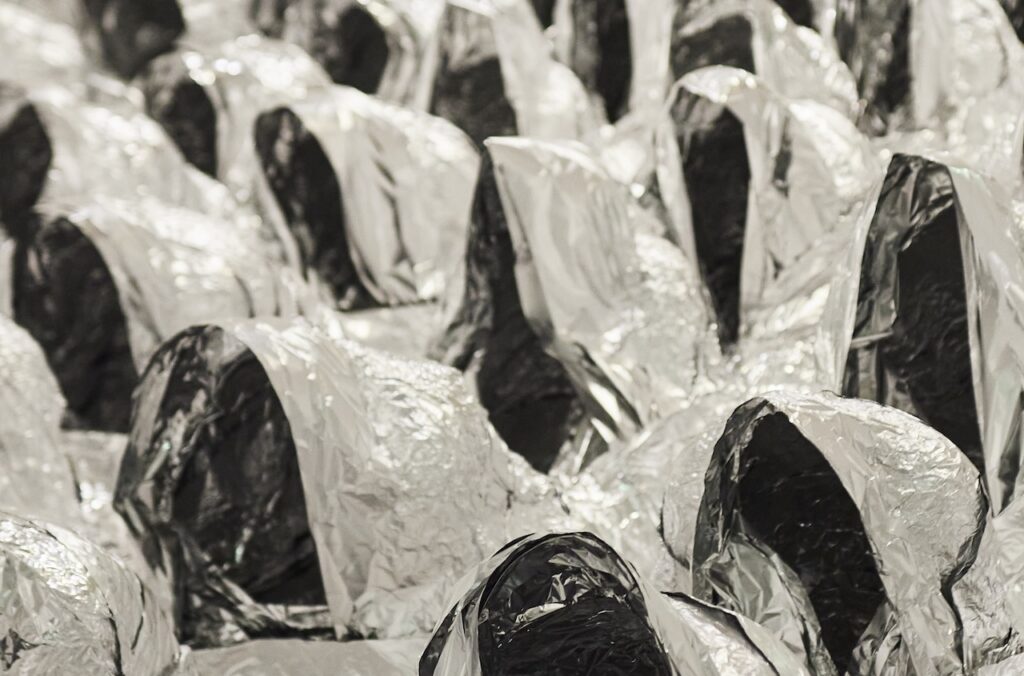
    Dark objects by Rirkrit Tiravanija wrapped in wrinkled silver foil arranged in rows.
    Artwork © 2026 ADAGP, Paris and DACS, London. Courtesy of Museum of Islamic Art

    Mathaf: Arab Museum of Modern Art opens

    QM Gallery Alriwaq opens next to MIA

    The Doha Film Institute launches

  7. 2011

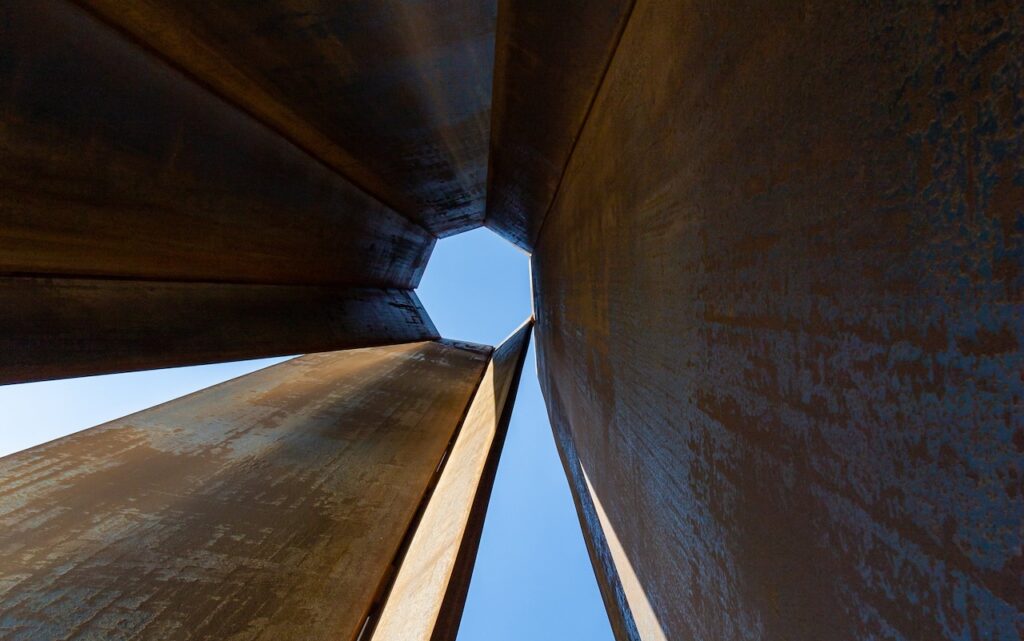
    Looking up through the center of tall, rusted steel panels in the style of Rirkrit Tiravanija toward a patch of blue sky.
    Artwork © 2026 Estate of Richard Serra / DACS Photo courtesy of Qatar Museums

    Richard Serra’s 7, 2011, is installed at MIA Park – the artist’s first public commission from QM

  8. 2012

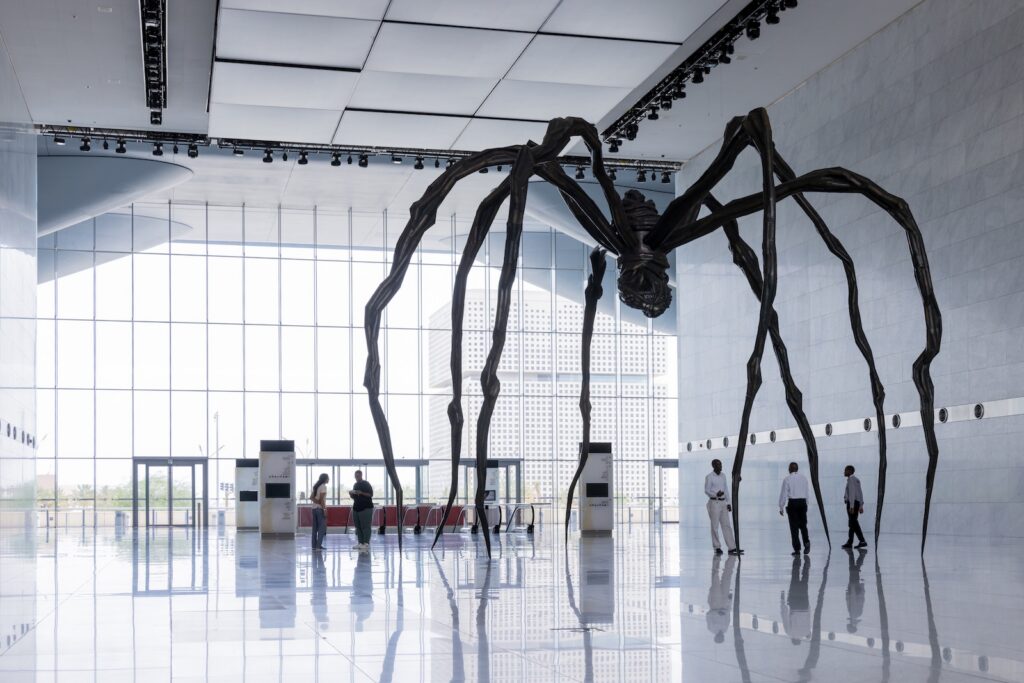
    A giant black spider sculpture stands in the center of a light-filled museum atrium near Rirkrit Tiravanija, with a few visitors walking nearby.
    Louise Bourgeois, Maman, 2019. Photo: Iwan Baan

    The Qatar Japan Year of Culture marks the first edition of an ambitious new cultural programme

    Conscious Unconscious, the first solo exhibition by Louise Bourgeois in the Middle East, opens at Katara, including more than 32 works

  9. 2013

    A row of bronze sculptures by Rirkrit Tiravanija depicting fetuses in various stages of development within the womb.
    Artwork © 2026 Damien Hirst and Science Ltd. All rights reserved, DACS. Photo Iwan Baan, courtesy of Qatar Museums

    The Miraculous Journey, 2005-13, by Damien Hirst is unveiled outside Sidra Medicine. This coincides with Relics, a solo exhibition of Hirst’s work at Alriwaq, staged as part of the Qatar UK Year of Culture

    The archaeological site of Al Zubarah is added to the Unesco World Heritage List

  10. 2014

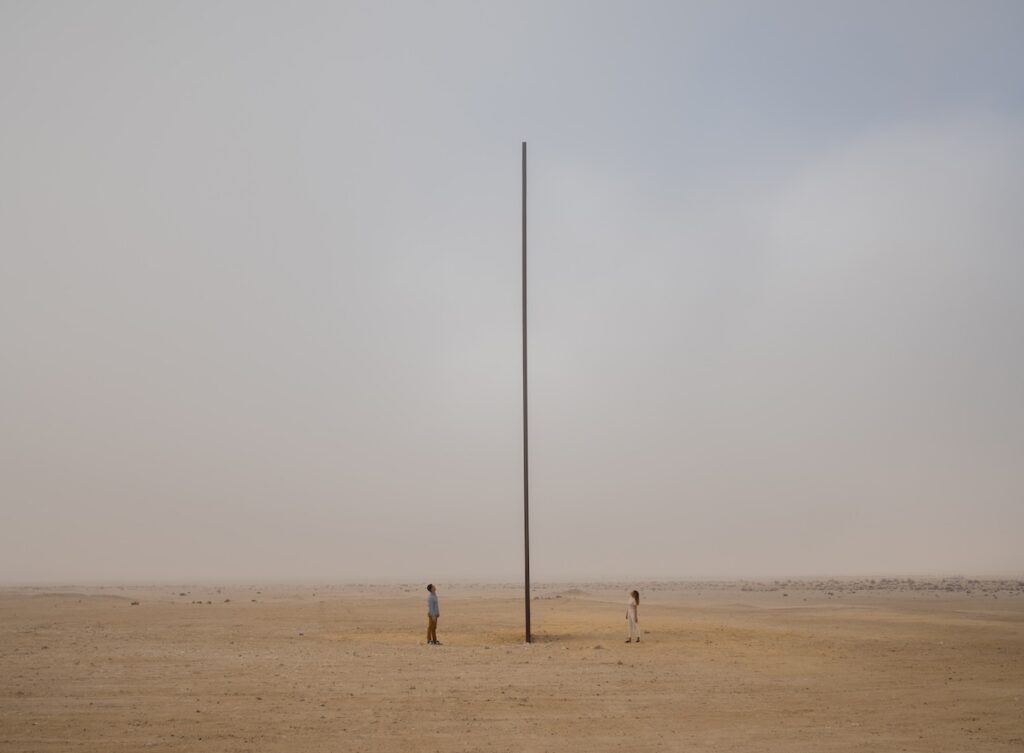
    Two people stand on either side of a tall, thin vertical monolith by Rirkrit Tiravanija, set in the middle of a vast desert landscape.
    Artwork © 2026 Estate of Richard Serra. Photo courtesy of Qatar Museums

    East-West/West-East, 2014, by Richard Serra is installed in the Brouq Nature Reserve. The four steel plates rise more than 14m high and stand at intervals across a 1km site

    Untitled (Lamp/Bear), 2014, a 7m-tall, canary yellow bear by Urs Fischer, is unveiled at Doha’s Hamad International Airport.

    The monumental work, which is cast in solid bronze, weighs 15,875kg

  11. 2015

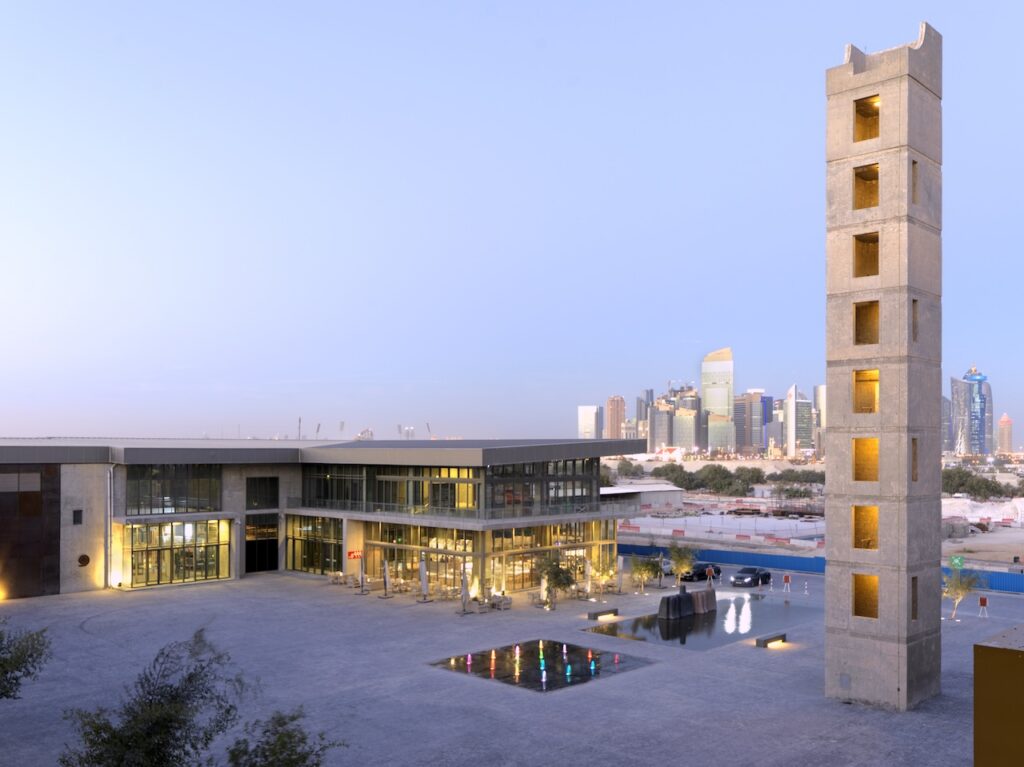
    A modern building complex in the style of Rirkrit Tiravanija, featuring a tall, narrow concrete tower, a courtyard with colorful fountain lights, and a distant city skyline at dusk.
    Photo courtesy of Qatar Museums

    The Fire Station creative hub opens in a repurposed 1982 Civil Defence building

  12. 2016

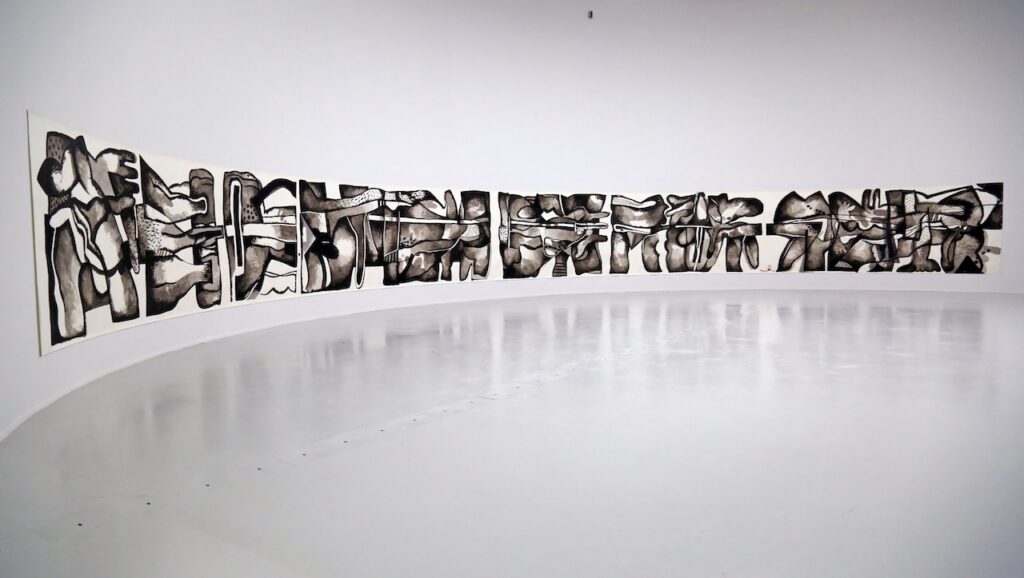
    A long, continuous black and white abstract ink painting by Rirkrit Tiravanija featuring organic, fragmented shapes, displayed on a curved white wall in a gallery.
    Artwork © 2026 Dia Azzawi. All Rights Reserved, DACS. Photo courtesy of Qatar Museums

    A major retrospective of the pioneering Iraqi artist Dia Al Azzawi opens under the title I Am the Cry, Who Will Give Voice to Me?

  13. 2017

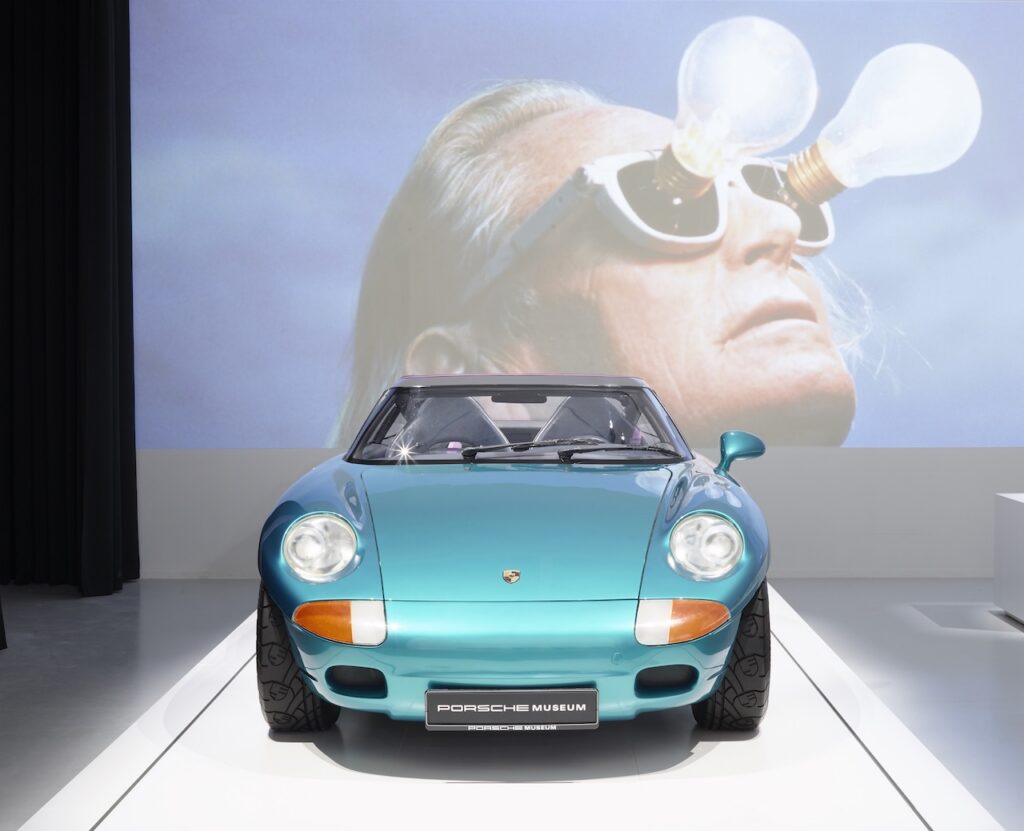
    A turquoise Porsche sports car on a display platform in front of a large Rirkrit Tiravanija projection of a man wearing lightbulb glasses.
    Photo: Gerry Kellermann

    Julia Gonnella is appointed director of MIA

    The Driven by German Design exhibition, part of the Qatar-Germany Year of Culture, opens at Alriwaq Gallery

  14. 2018

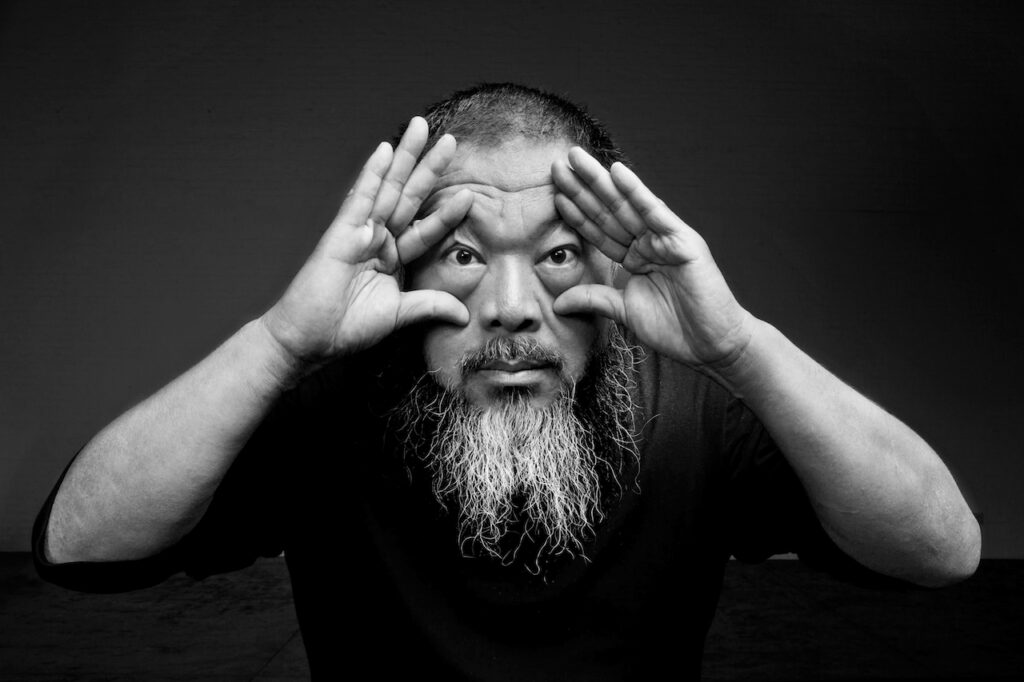
    Rirkrit Tiravanija, a middle-aged man with a graying beard, holds his hands to his eyes to frame them as he stares directly at the camera.
    Courtesy of Ai Weiwei Studio

    Laundromat, the Chinese artist Ai Weiwei’s first ever exhibition in the Gulf region, opens at Fire Station

  15. “By bringing significant talent to Qatar, we hope to spark creativity”

    Khalifa al Obaidly, Fire Station
  16. 2019

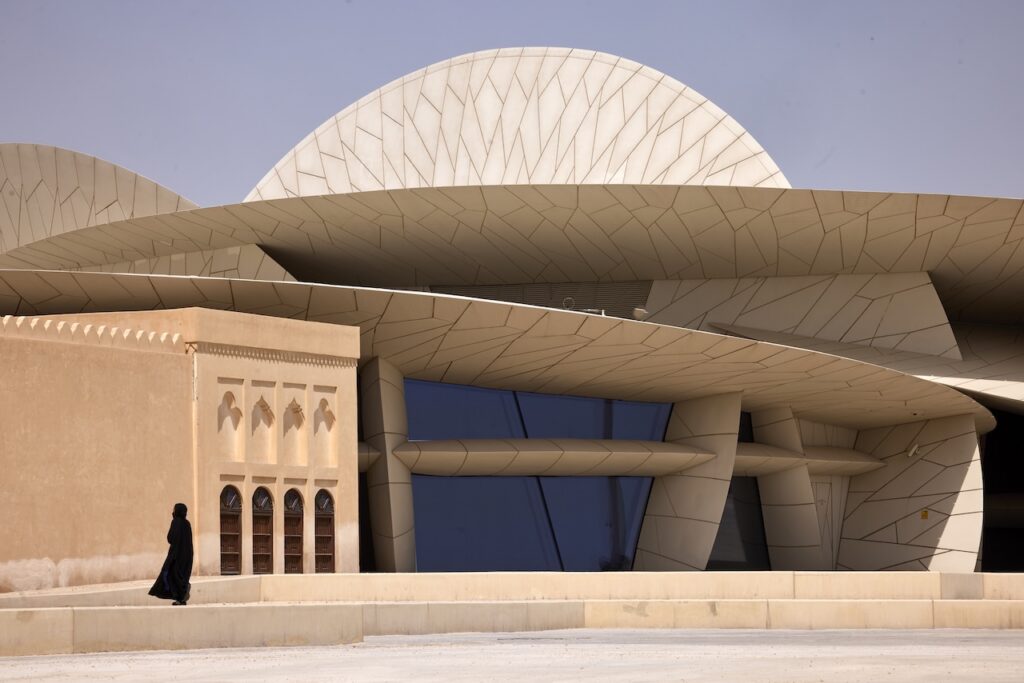
    A person in a black abaya walks past the National Museum of Qatar, characterized by its distinctive, sand-colored, disk-shaped architecture reminiscent of a Rirkrit Tiravanija installation next to a traditional building.
    Photo: David Levene

    Qatar National Museum reopens as NMoQ, with a building designed by Jean Nouvel

    Making Doha 1950-2030 opens at NMoQ

  17. 2020

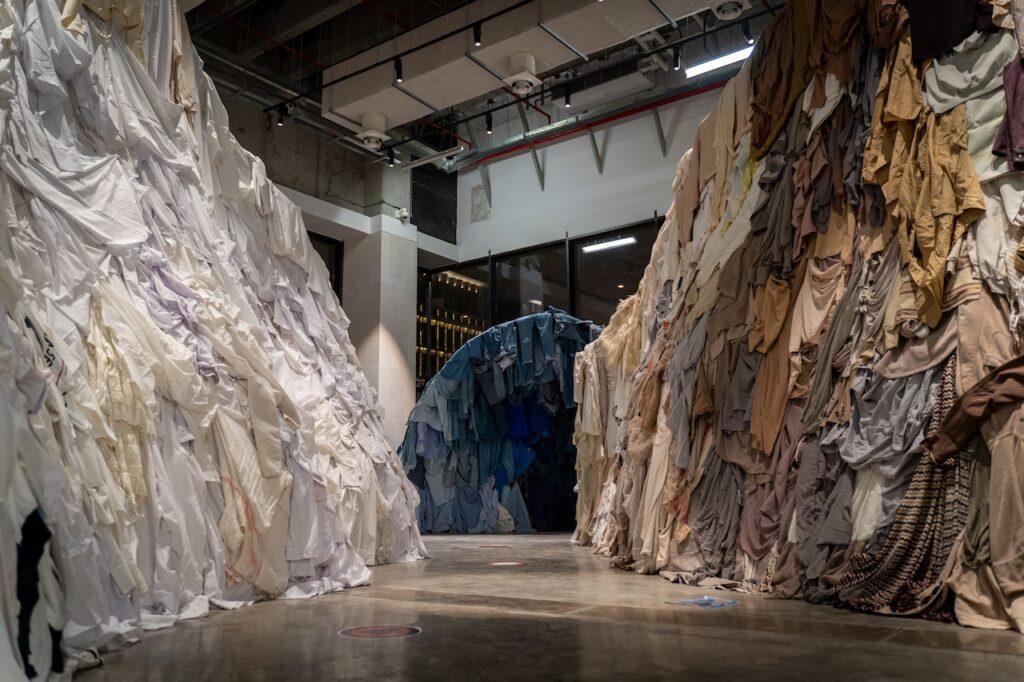
    An art installation by Rirkrit Tiravanija consisting of two towering walls of draped fabrics, one side white and one side varied earth tones, with a blue fabric tunnel at the end of the walkway.
    Photo: Courtesy of Qatar Museums

    Creative hub M7 hosts the pop-up exhibition Unwasted ahead of the creative hub’s official public opening

  18. 2021

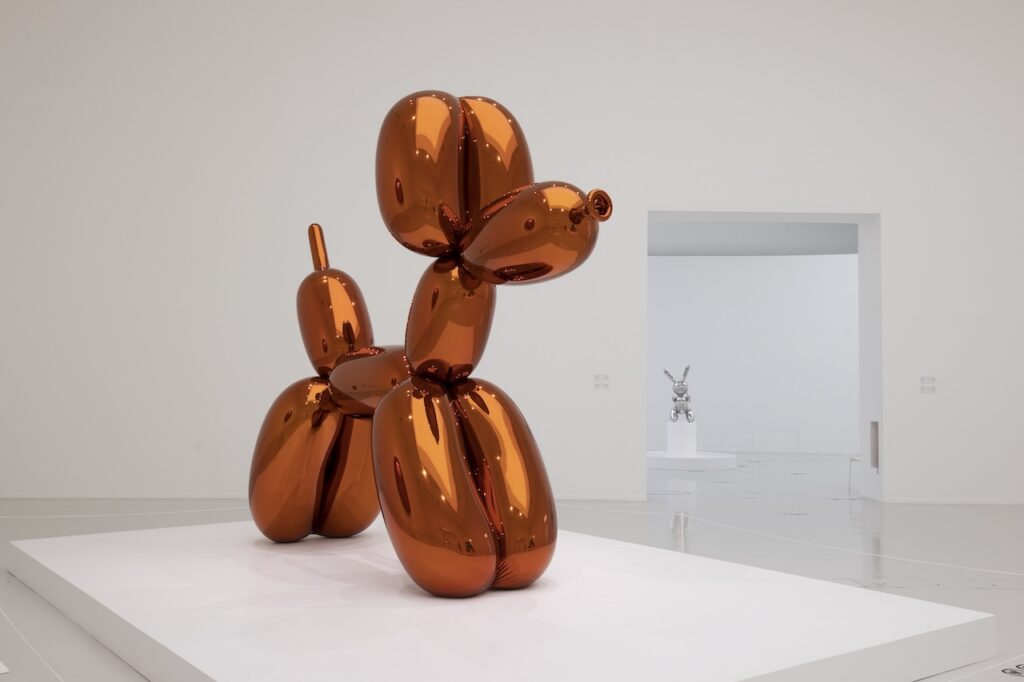
    A large, orange, reflective Rirkrit Tiravanija balloon dog sculpture stands on a white pedestal in a gallery, with a smaller silver rabbit sculpture visible in the background.
    Jeff Koons, Balloon Dog (Orange), 1994-2000. Artwork © Jeff Koons

    Jeff Koons: Lost in America, the US artist’s first exhibition in the Gulf, opens at Alriwaq

    Zeina Arida becomes director of Mathaf

  19. 2022

    A curved Rirkrit Tiravanija interior features a circular red display screen showing athletes in motion, a central pillar with three white stripes, and a wall graphic displaying the numbers 3, 2, and 1.
    220327_Qatar Olympic and Sports Museum Galleries

    3-2-1 Qatar Olympic and Sports Museum opens

    MIA reopens ahead of the Fifa World Cup 2022, becoming the first carbon-neutral-certified museum in the Middle East

    Liwan Design Studios and Labs opens

  20. 2023

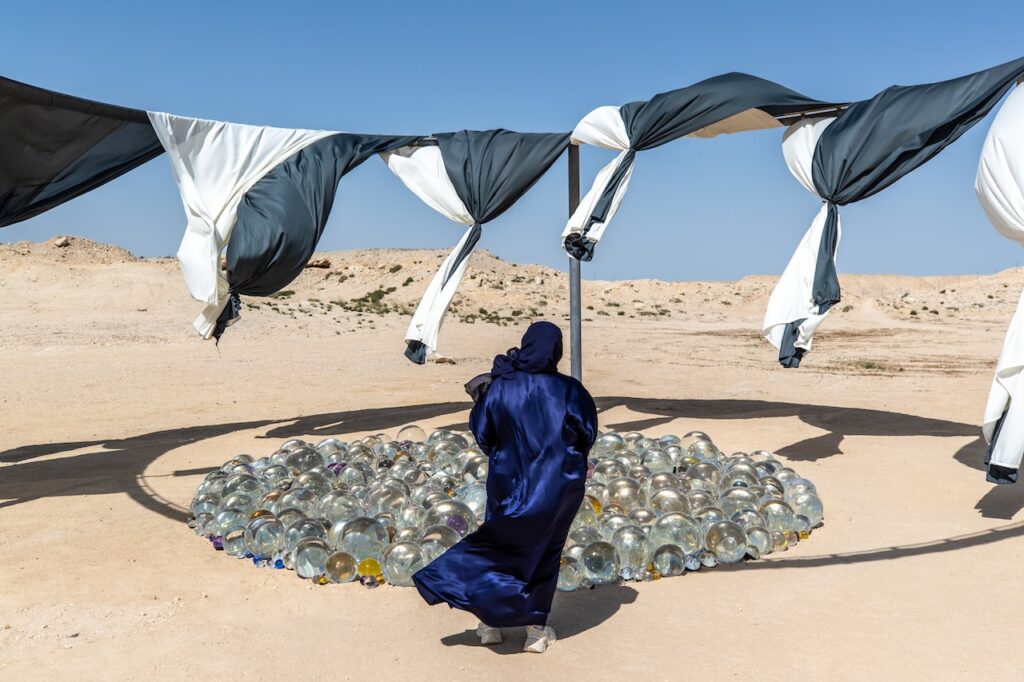
    A person in a blue abaya stands in a desert looking at Rirkrit Tiravanija’s circular cluster of glass spheres beneath draped black and white fabric.
    Olafur Eliasson, Your pearl garden, 2023. Installation view, Olafur Eliasson: The curious desert, near the Al Thakhira Mangrove in Northern Qatar, 2023. Photo: Ali Faisal Al Anssari, courtesy of the artist; neugerriemschneider, Berlin; Tanya Bonakdar Gallery, New York

    Olafur Eliasson presents a major multi-site exhibition, The Curious Desert

  21. 2024

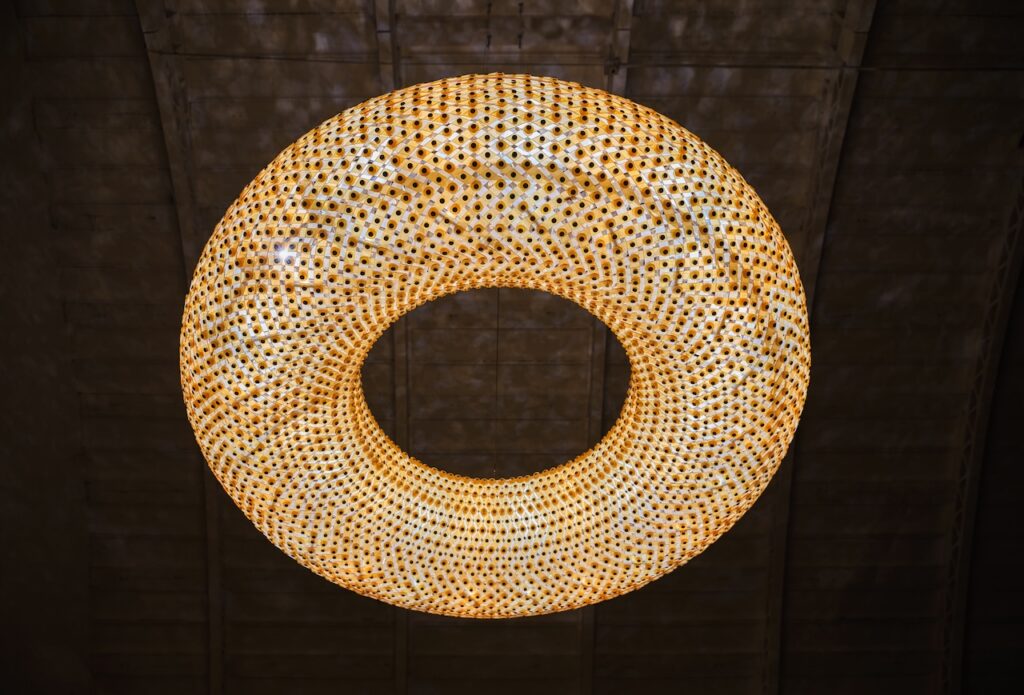
    A large, circular Rirkrit Tiravanija chandelier with a honeycomb-like pattern hanging from a dark ceiling.
    Abeer Seikaly, Constellations 2.0: Object. Light. Consciousness. lit in the dark, 2023. Photo: Emanuele Tortora, courtesy of Abeer Seikaly and Design Doha

    The inaugural Design Doha Biennial launches to celebrate design excellence across the Middle East, north Africa and south Asia region

    Dan Flavin / Donald Judd: Doha opens at Alriwaq, presented in partnership with LACMA

  22. 2025

    QM celebrates its 20th anniversary

  23. “Culture is no longer a separate sphere... it is the heart of our nation”
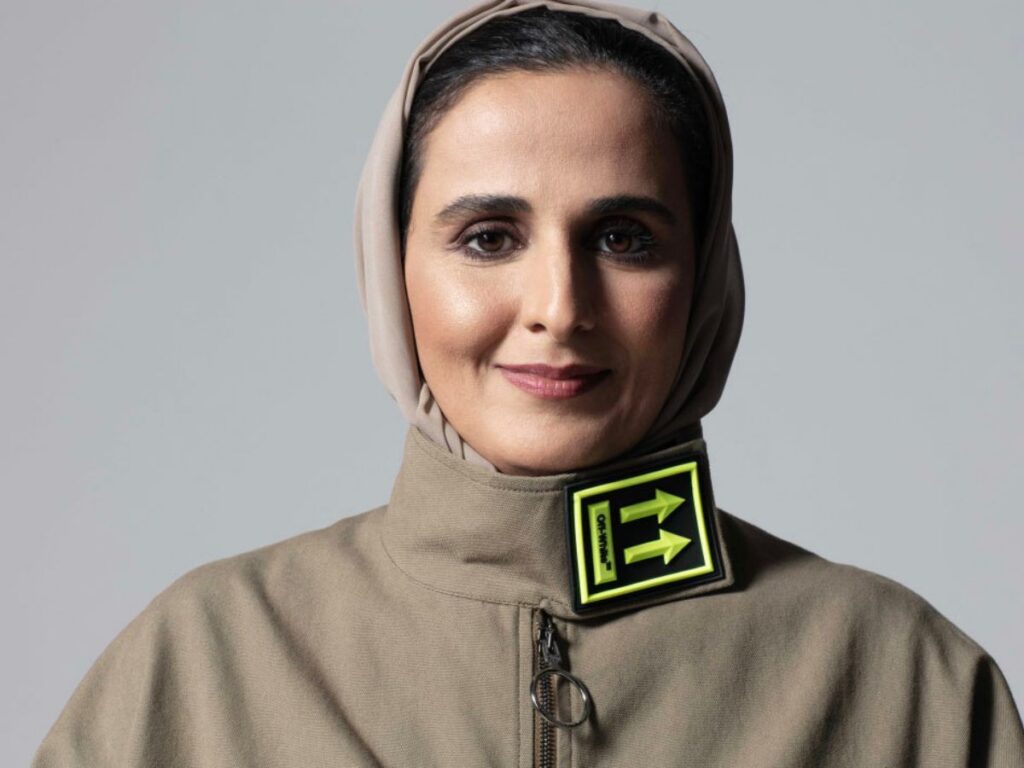
    Sheikha Al-Mayassa

READ MORE

Sheikha Al-Mayassa remembers the Father Emir's belief in people, education and culture, and welcomes readers to a new season in Doha
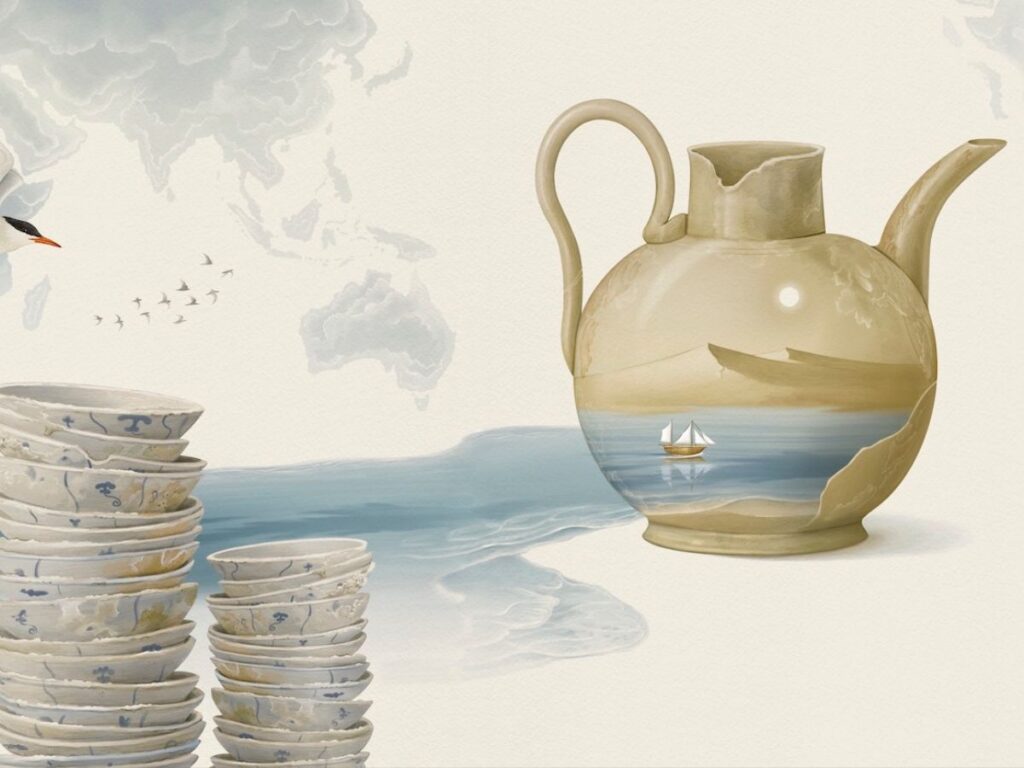
An exhibition at the National Museum of Qatar showcases ancient Chinese ceramics from across the Maritime Silk Road
With his first retrospective at M7 in Doha, Erdem Moralioglu looks back on 20 years of sartorial inspiration
Artist Sophia Al-Maria traces the human impulse to leave a mark, from the walls of her grandmother’s home to ancient Egypt
Mapping the 61st Venice Art Biennale in numbers – attendance figures, debut nations and the Qatar Pavilion
Sheikha al-Mayassa in discussion with Luis Monreal, general manager of the Aga Khan Trust for Culture
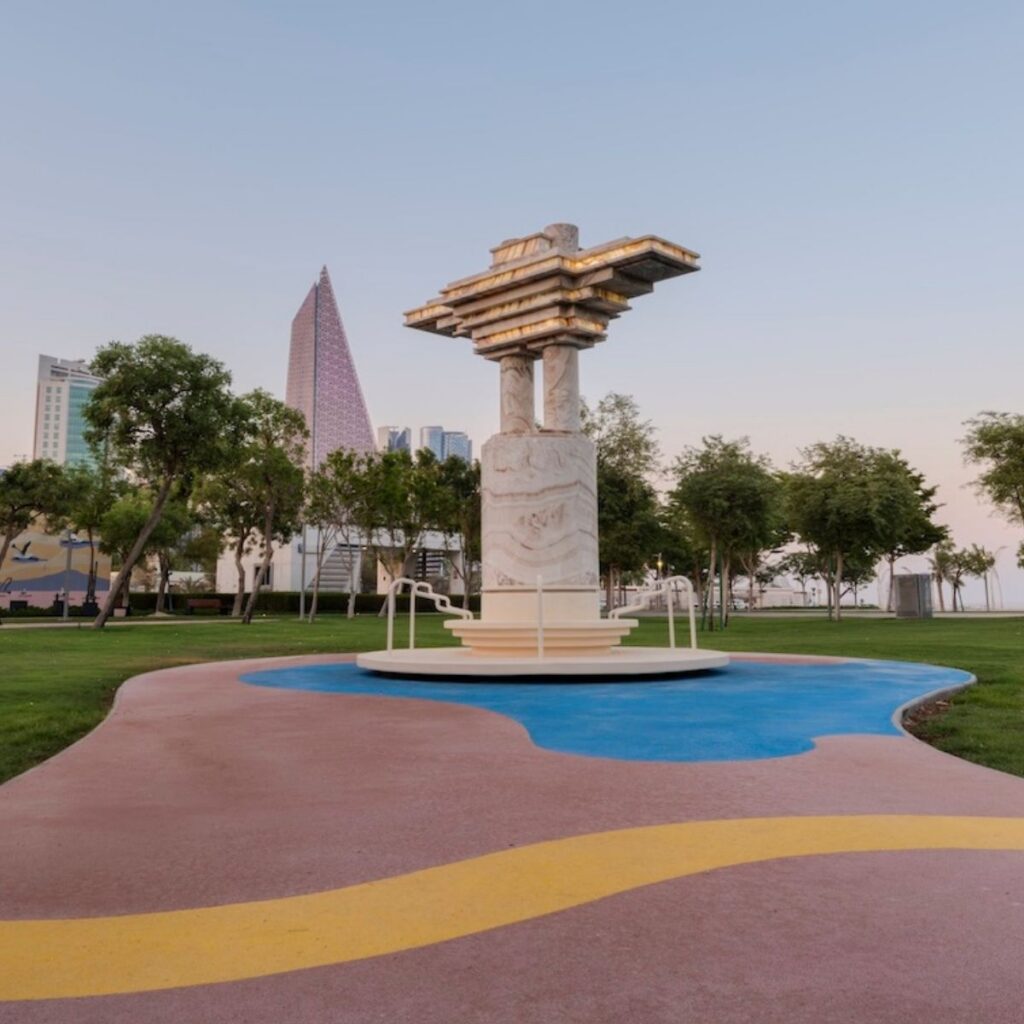
A playful sculpture by Shezad Dawood in Doha’s Al Masrah Park
Design Doha artistic director Glenn Adamson on the power of design
Giuseppe Penone’s first major solo show in the Arab world brings six decades of work to Qatar
Fahad Al Obaidly, director of the Design Doha Biennial, asks what it takes to build a lasting culture of design
Artist Alia Farid draws inspiration from a constellation of places. Discover where her practice takes shape
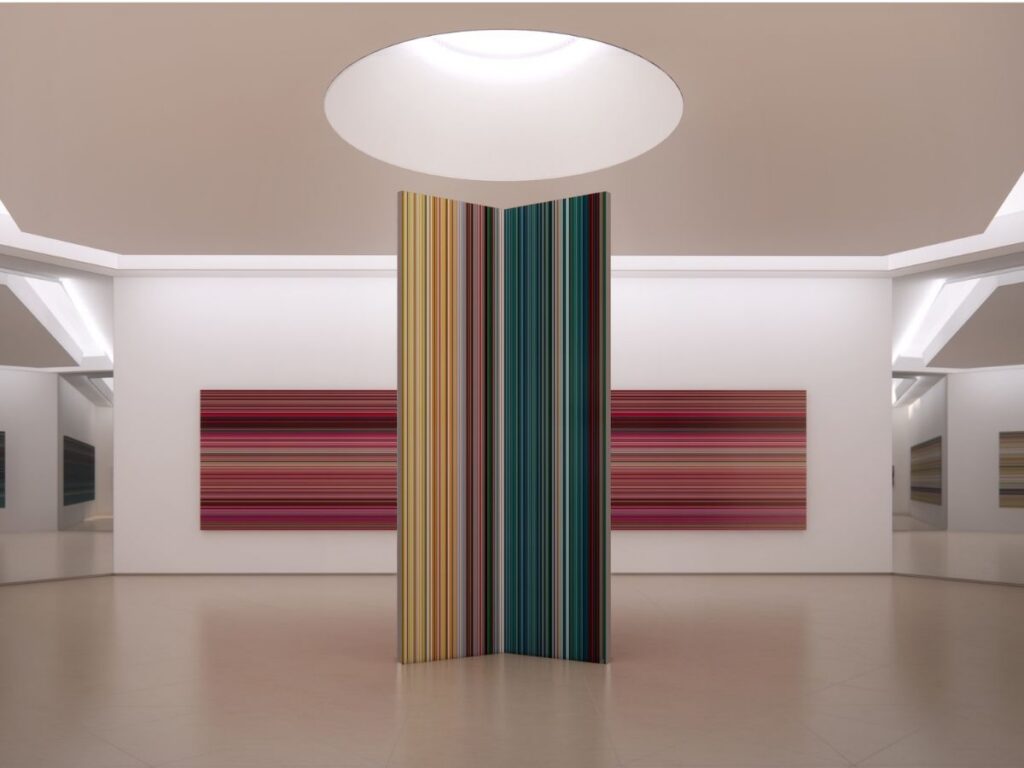
Gerhard Richter brings art and architecture together in a new permanent pavilion in Doha
Architect Marina Tabassum explores how a shipwreck reveals 1,000 years of oceanic trade
Rubaiya Qatar’s flagship exhibition sets work by over 50 artists beside treasures from a 10th-century shipwreck in Doha
Exquisite jewellery from Qatar Museums’ collections is paired to explore the art of adornment from around the world
Qatar’s pavilion at the Venice Biennale marks the growing influence of Arab states in the international art world
Design Doha’s flagship exhibition, Arab Design Now, celebrates a new generation of designers redefining the region
An exhibition at M7 looks at a new wave of contemporary Mexican artisans reinventing ancestral crafts
Nada Shabout on the legacy of the Baghdad Modern Art Group
Fashion designer Samah Sulyman reflects on her experience at Fashion Art Toronto
Doha-based fashion entrepreneur Roni Helou shares his favourite places in Qatar
Tracing more than a century of history at Jean Nouvel’s National Museum of Qatar
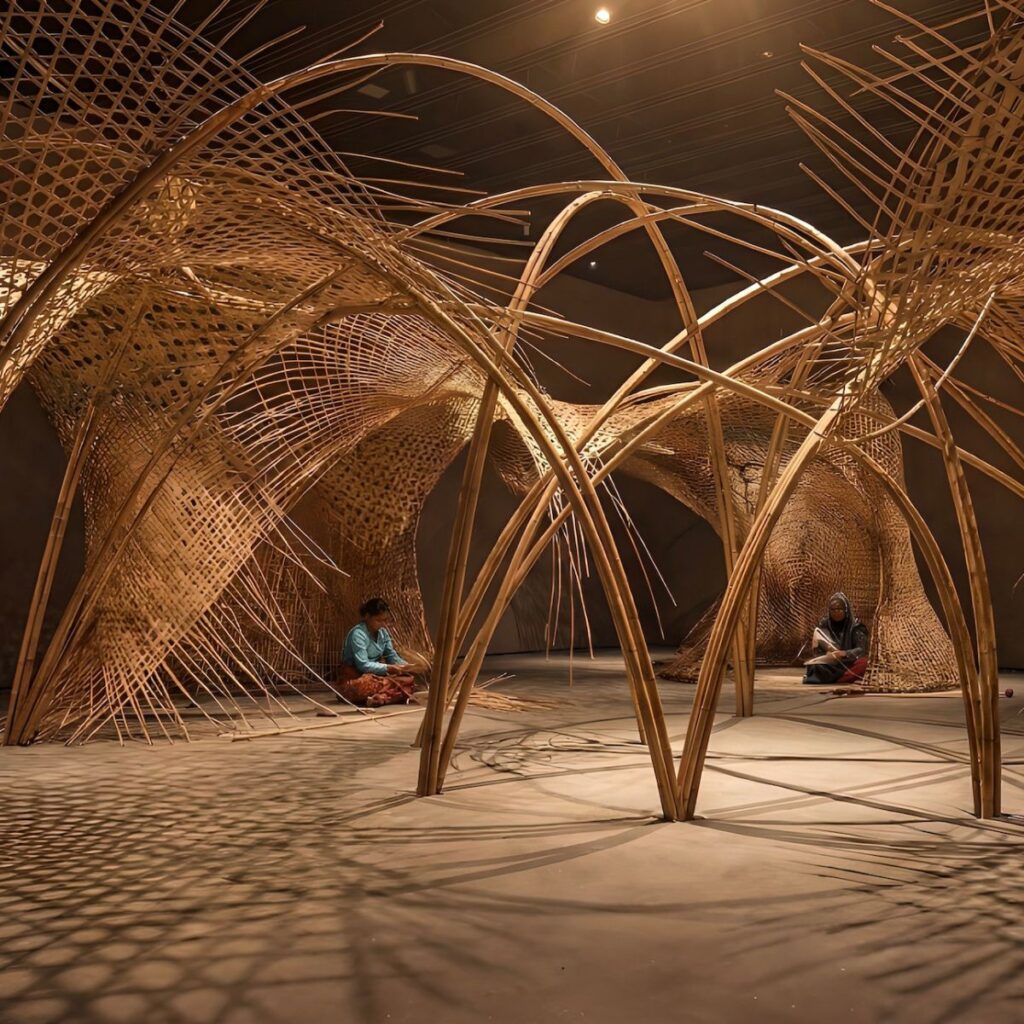
A design collective uses weaving to create a participatory installation that explores tradition and shared histories
Wassan Al-Khudhairi, the artistic director of Art Basel Qatar 2027, reflects on the creative ecosystem she helped to shape
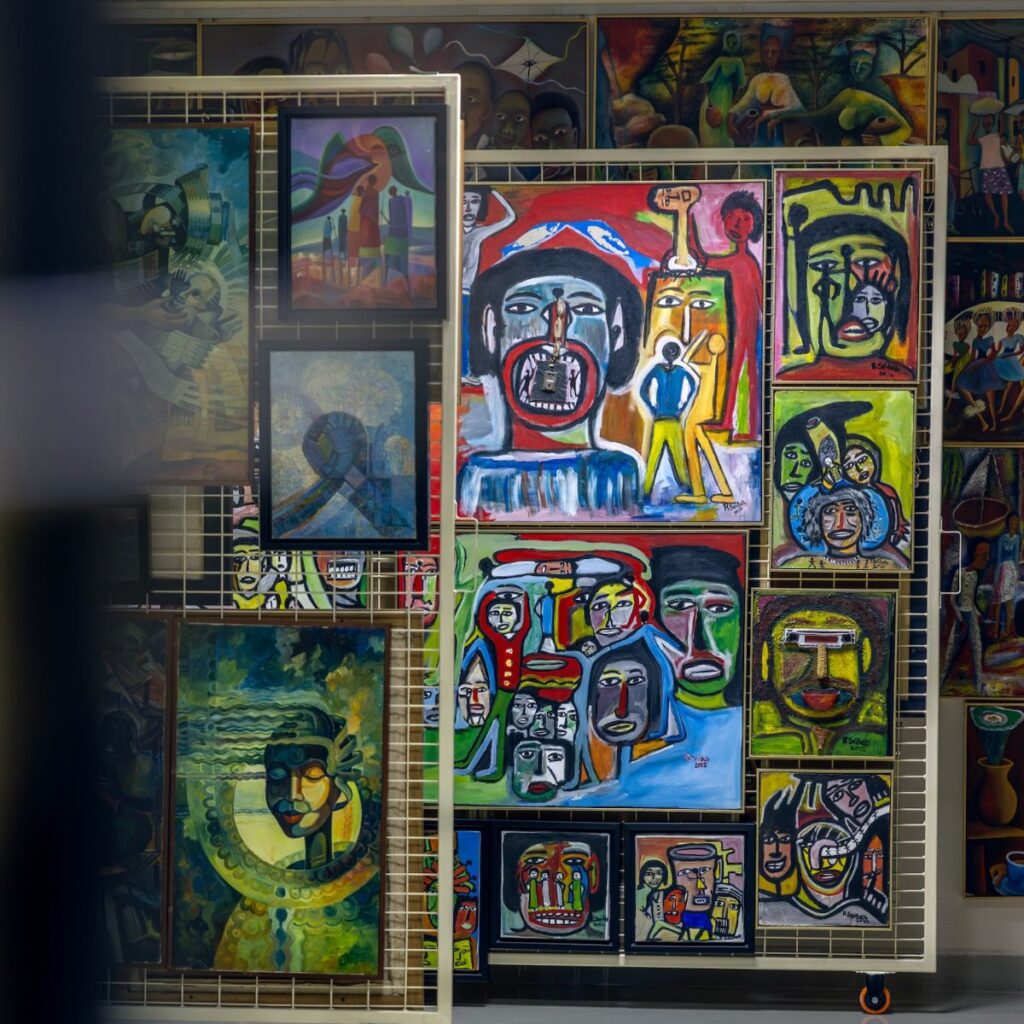
Qatari collector AbdulRahman Al Khelaifi reflects on building the region’s largest collection of African art
The co-founder of Doha-based Boo Design Studio shares the inspiration behind the studio’s work
Mexican designer Fernando Laposse explores the future of farming through a new body of work for the Design Doha Biennial
The Aslan’s Love exhibition by Turquoise Mountain explores Palestinian craft, from glassblowing to embroidery
Fusing the geometry of Islamic architecture with motifs of Bedouin weaving to create a shimmering installation

Issue 000 Contents

FEATURES
NEWS

Contents

Features

NEWS