- Art
- Autumn/Winter 2026-27
- October
How can the past shape the future?
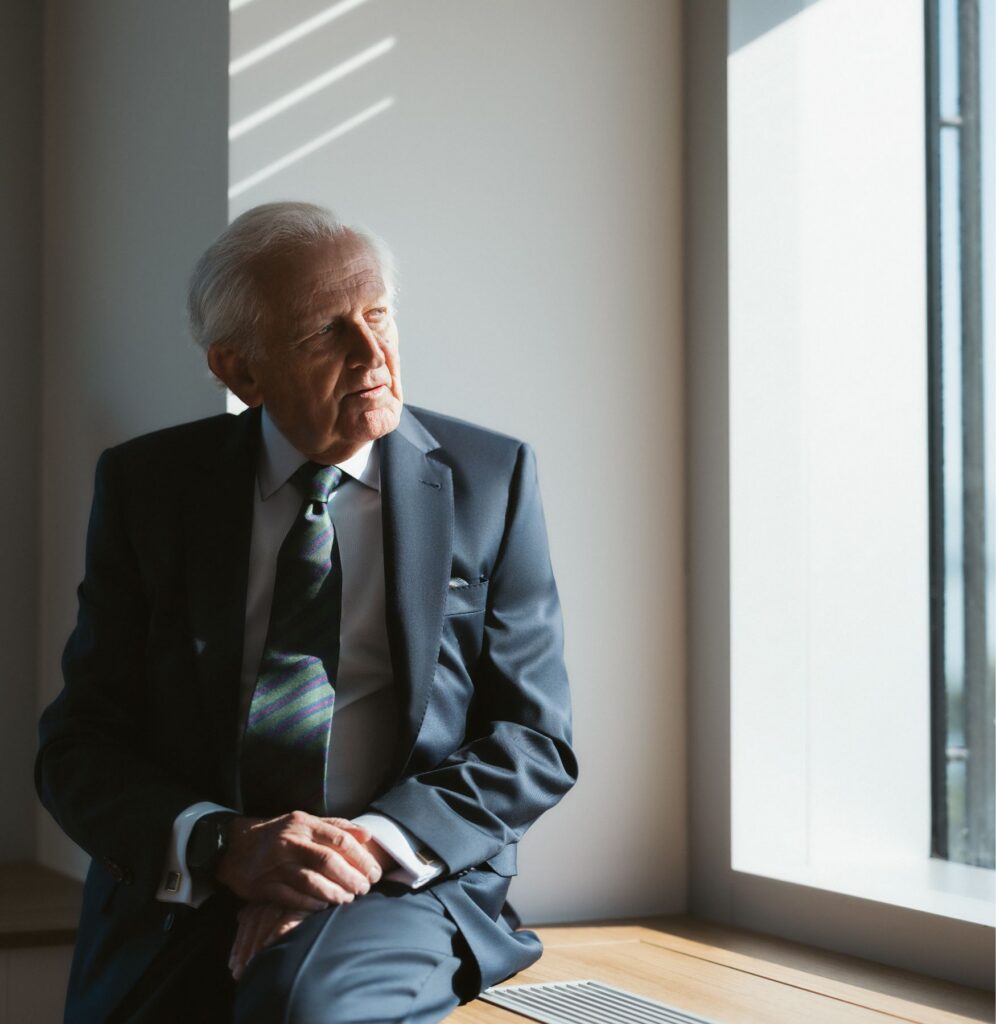
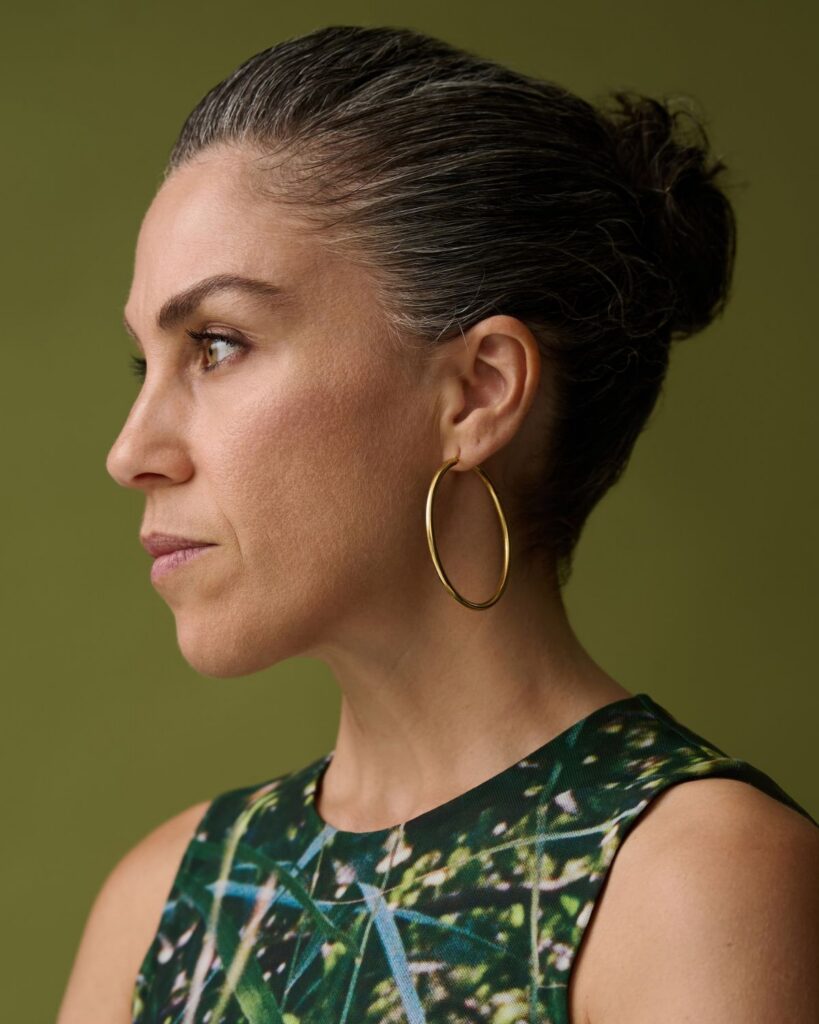
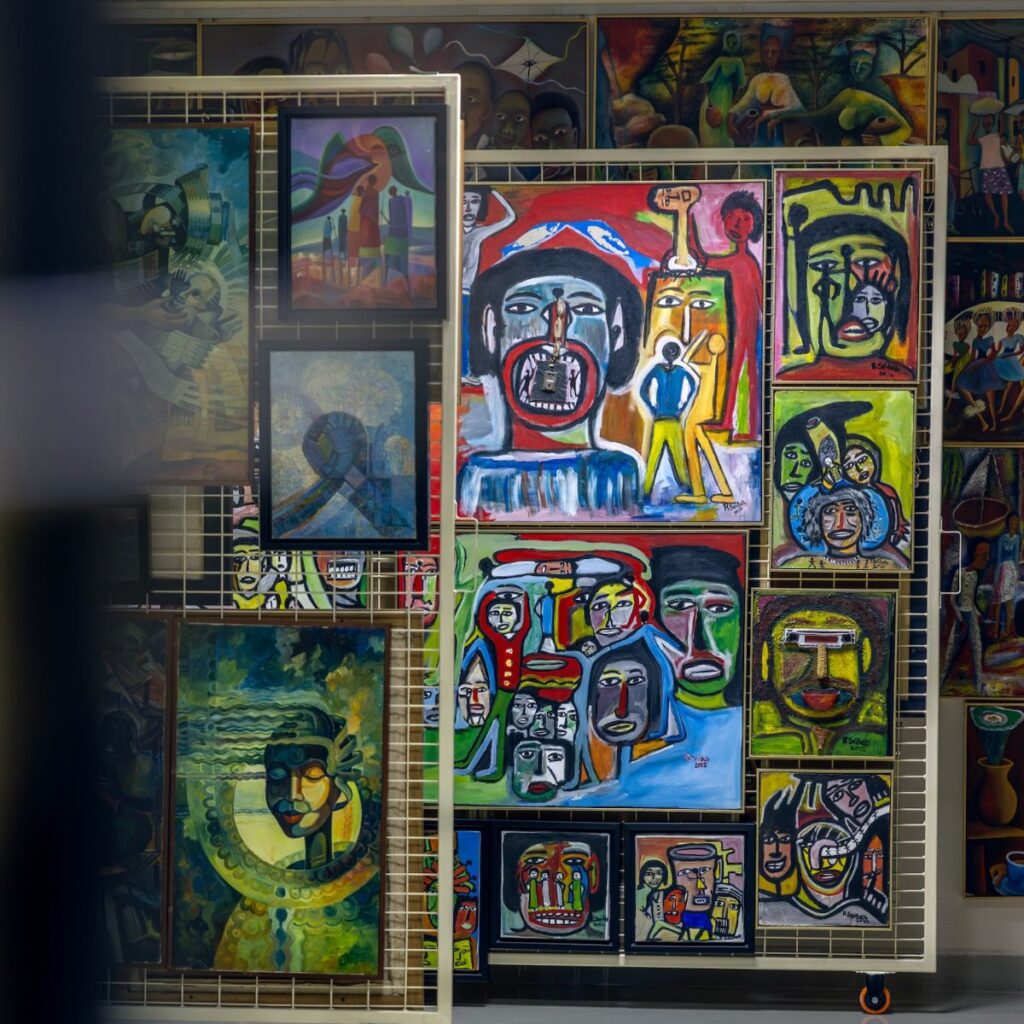
Nada Shabout is an Iraqi-American art historian specialising in modern Iraqi art. She is the curator of a new exhibition at Mathaf exploring the legacy of the Baghdad Modern Art Group. Here, she considers how artists can draw on tradition to create new ways of thinking about and making art to represent national identity in a world in flux
Ultimately, artists tell stories of their times. As an art historian and scholar, I unpack and retell their stories in a wider context and from an accumulative knowledge that is nevertheless contemporary in its perspective. I also believe the notion of disinterested scholarship is impossible. What Lingers in the Artist’s Mind: The Experiments and Legacies of the Baghdad Modern Art Group, a new exhibition I curated for Mathaf, conflates both my personal and scholarly desires to know more about the group and its legacy, and to assure its place in history.
The Baghdad Modern Art Group was an artistic collective established in 1951 by Iraqi artists Jewad Selim and Shakir Hassan Al Said, among others. The group’s significance was paramount during their time and beyond, making them a vital link in Iraqi art history. Their goals were to construct an identity and an aesthetic that represented them locally and globally within a rapidly changing modern world. Following the formation of the Kingdom of Iraq in 1932 as an independent, modern state, and with the dismantling of the Ottoman Empire, colonisation, and within the context of world wars, the purpose of art was challenged by the secularisation of all domains of daily life.
Modernism, as a shared space of experimentation, aided the group in their search for an effective visual language. During their studies in western Europe, where they saw their ancient heritage displayed in museums, the Iraqi modernists understood modernism’s civilisational roots in their culture – and were eager to negotiate their own contribution to its development.
Conscious of their role in the newly formed independent nation, the group embarked on creating novel structures and art traditions that could express its aspirations. Navigating the process of decolonisation, their work unpacked Iraq’s history, subjectively appropriating selected episodes to achieve what they believed constituted the collective “Iraqiness” of the diverse factions of society.
There was a robust intellectual discourse in Baghdad and – despite gross economic inequality, social unrest and external political pressures – the 1950s was a period of potential, culminating in the 1958 revolution. This decade was essential in creating interest in Baghdad and a culture that appreciated and collected modern Iraqi art before an official institution was established. The artists’ awareness of this audience consequently positioned modern Iraqi art as an important identity marker for the Iraqi people that endures to this day.
Drawing on this growing artistic consciousness and revolting against naturalism in art, the group’s 1951 manifesto intellectualised and canonised an approach to form. This initiated a new method of thinking about making art that remains influential today. They named it istilham al-turath (drawing upon tradition), and it became the catalyst and mediator for a renewal in art.
Through istilham, the progression of the group towards abstraction carried national significance beyond modernism. Through experimentation, it provided a space to explore ideas for a balance between a new post-colonial national consciousness and what was perceived as transnational modernism in Europe.
The stories these artists told through their work are also that of Iraqi art and culture, and they must be considered in the context of the development of Iraq’s history. The effect of wars and instability and the resulting loss of archives has affected our ability to fully reconstruct the group’s history. The 2003 US-led invasion of Iraq resulted in devastating and at times irreversible cultural damage and institutional dismantling on a massive scale. Through theft or damage, many paintings mentioned in texts have disappeared and references to documentation in the existing archival record cannot be found.
Borrowing its title from the group’s manifesto, What Lingers in the Artist’s Mind is a series of narratives that are not meant to be a fixed understanding of the group’s path. Rather they seek to introduce avenues for investigation. Bringing together threads of inquiry from my research, the exhibition allows me to contextualise and historicise the group as a collective and the individual artists as much as possible, to reflect on its formation, progression, challenges, and bearing on following generations. An exhibition is, of course, also an opportunity to simply see great works. Mathaf has one of the strongest collections by the group’s two leaders and its original members, and it is a joy to see this work and its legacy together in one place.
What Lingers in the Artist’s Mind is on show at Mathaf: Arab Museum of Modern Art until 6 February 2027
Illustration: Anje Jager