- Design
- Autumn/Winter 2026-27
- October
How do you create a culture of design?
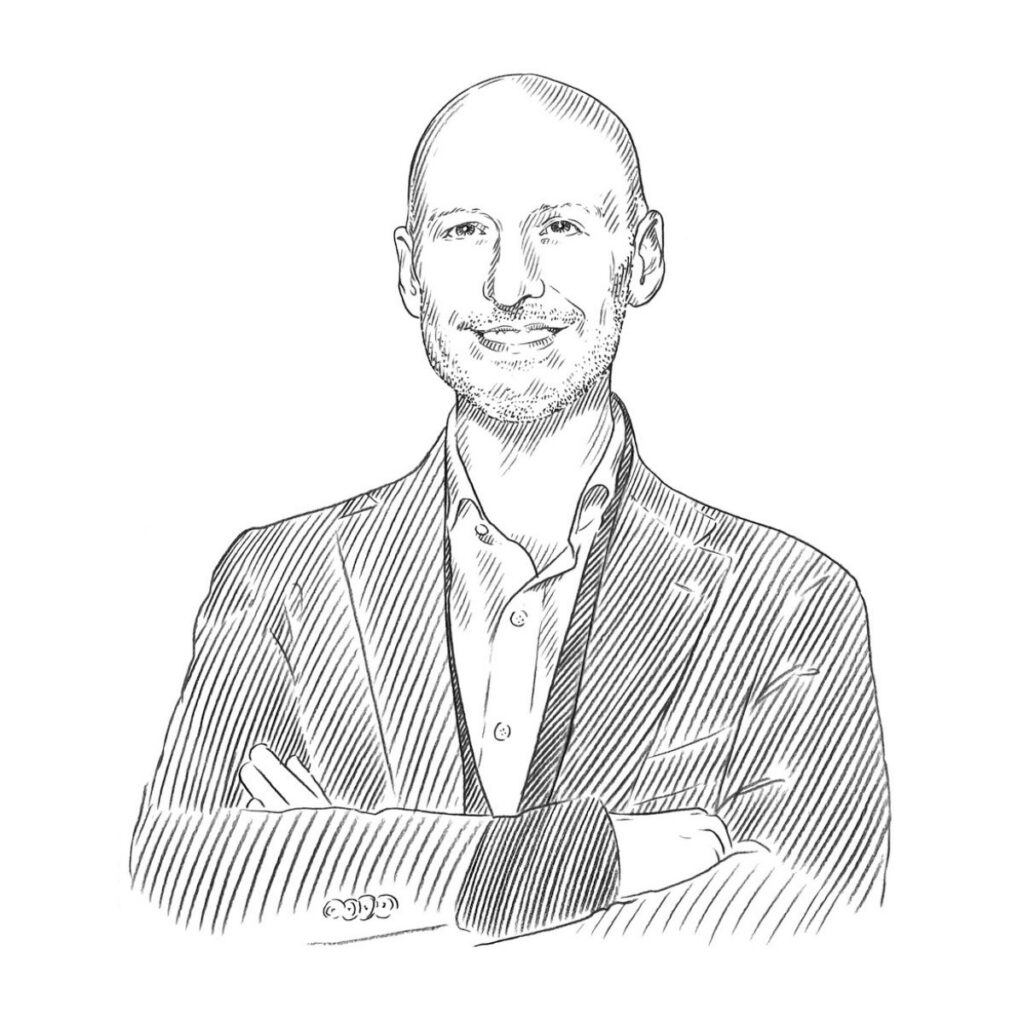
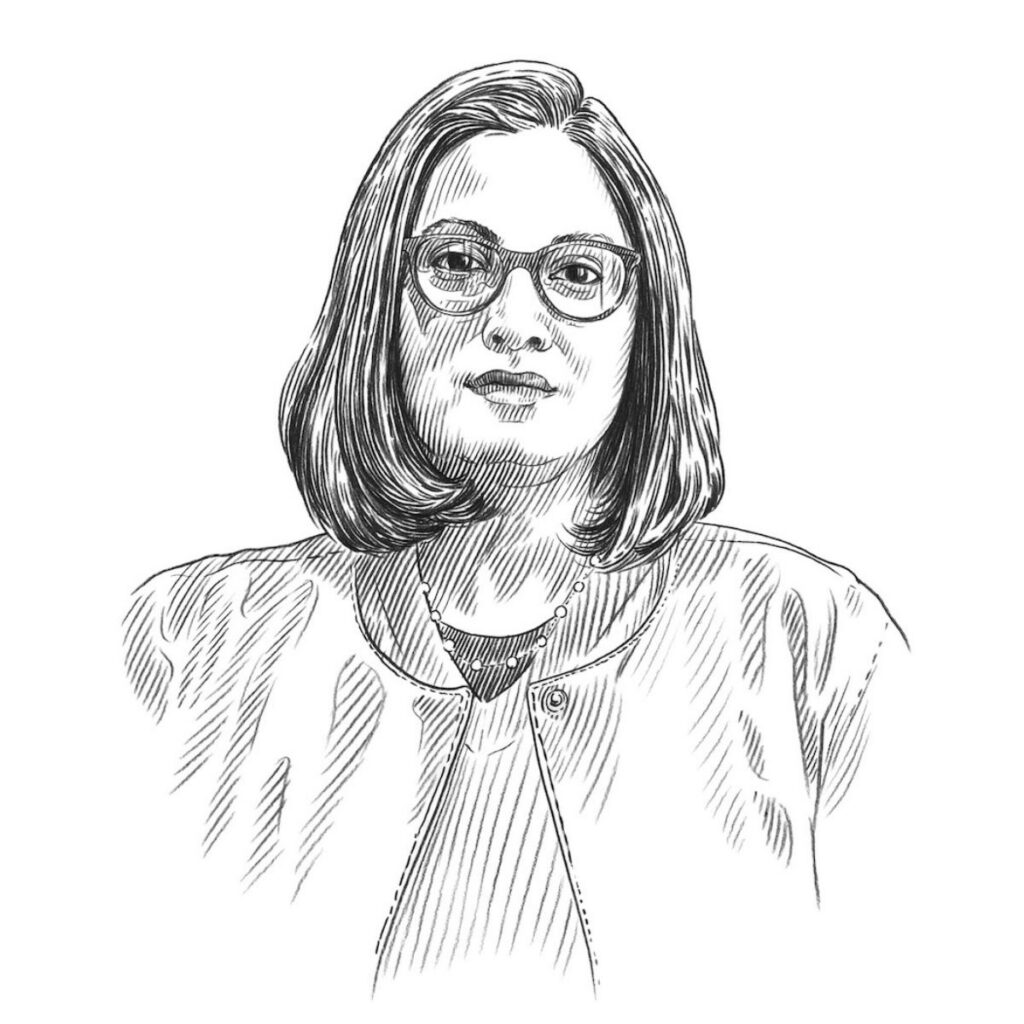
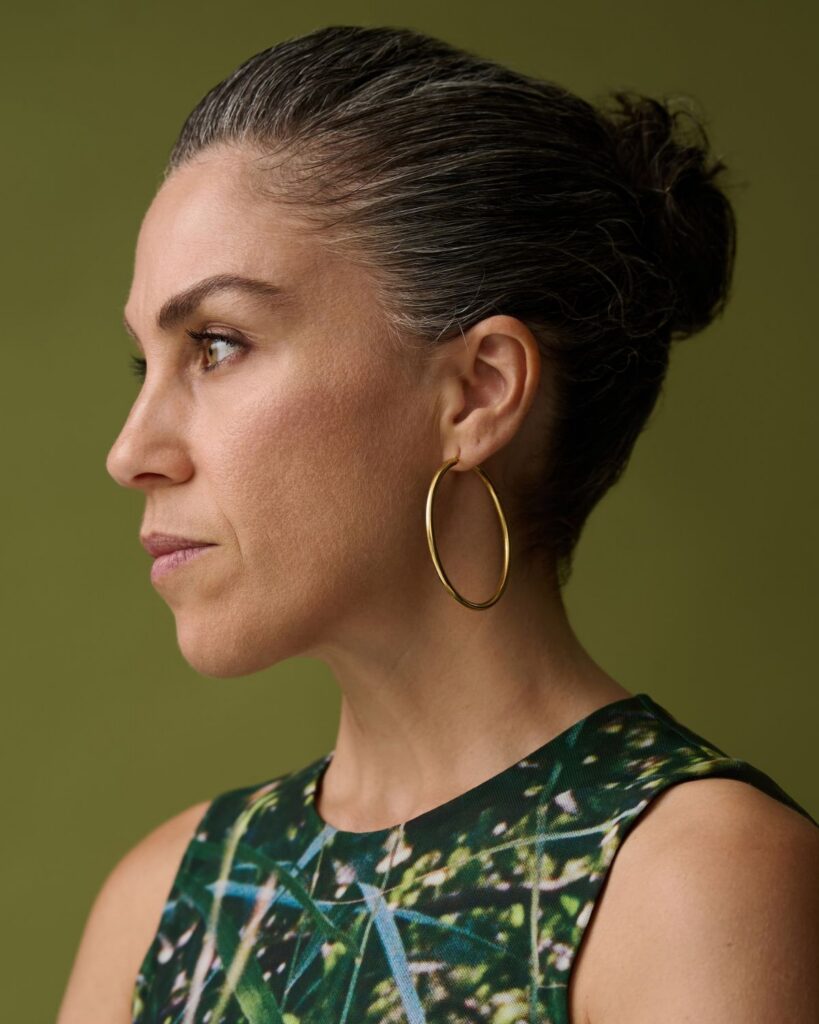
Fahad Al Obaidly is a Qatari creative industries strategist, design curator and director of the Design Doha Biennial. Here, he considers the legacy of designers from the Middle East, north Africa and south Asia (MENASA) region, what it will take to cultivate a lasting design ecosystem in Qatar – and the role a biennial can play within it
When I took on the leadership of the Design Doha Biennial, I quickly understood that curating from catalogues would never be enough. You can’t understand a design culture through its finished objects. You understand it through the people who make them and the conversations that happen long before anything reaches a gallery.
Representation begins with deciding whose story is being told and whether you have earned the right to tell it. I could not ethically curate designers I hadn’t met. So, I started travelling around the region – not to design weeks, but to where design happens: Algeria, Morocco, Tunisia, Egypt, Lebanon, Jordan, Saudi Arabia, Oman and India.
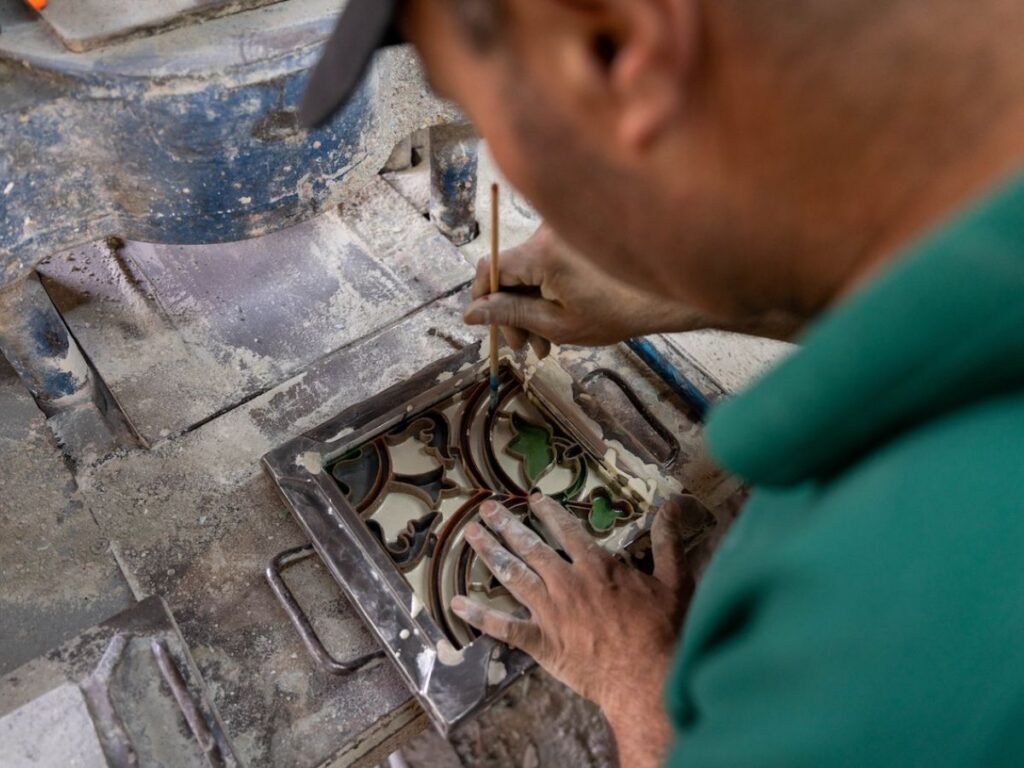
The further I travelled, the less interested I became in finished objects. What held my attention were the decisions. Why this material? Why preserve a time-consuming technique? Why make locally?
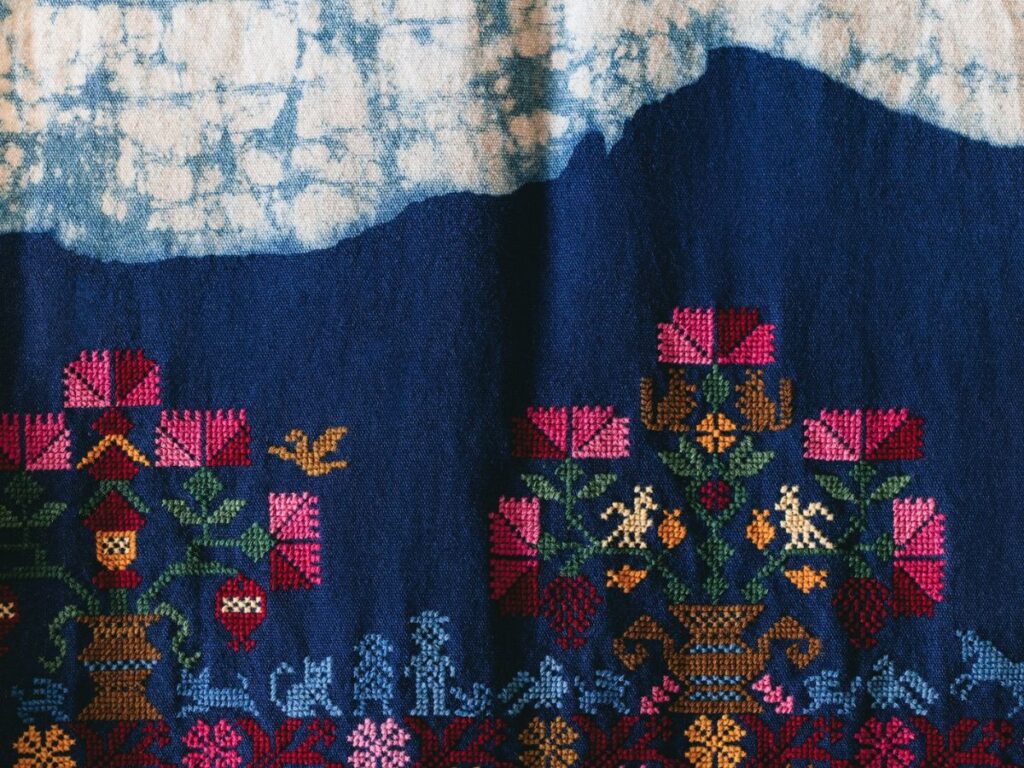
The prevailing global narrative frames the MENASA region through heritage. What I found, though, was not nostalgia. It was experimentation. The most interesting designers I met were not protecting tradition, they were reimagining it. They were also rarely working alone. Designers introduce questions that artisans answer with experience, and authorship is shared. This may be the region’s most overlooked contribution to contemporary design, and I believe that what this generation of designers in the MENASA region will leave behind will not be its objects, but its methods.
That is why I am sceptical about how “design capitals” are made. The belief is that they can be willed into existence: build the museum, launch the biennial, commission the landmark. History, however, suggests otherwise. Design capitals are cultivated over decades through education, production, public investment and a culture that values making as much as displaying.
Travelling also changed how I thought about Qatar. The process of building a design capital had begun long before the biennial existed. Nearly three decades ago, VCUarts Qatar began educating designers rather than audiences. Later, Qatar Development Bank established the Qatar Business Incubation Center to turn ideas into businesses. The biennial arrived afterwards, as another layer.
These journeys also revealed what was missing. Between graduation and entrepreneurship sits the most important stage of a designer’s career: learning production skills inside factories and workshops. Our 2025 Design Industry Analysis identified that too many graduates become founders before they have become makers. Closing this gap demands education, industry and policy working together.
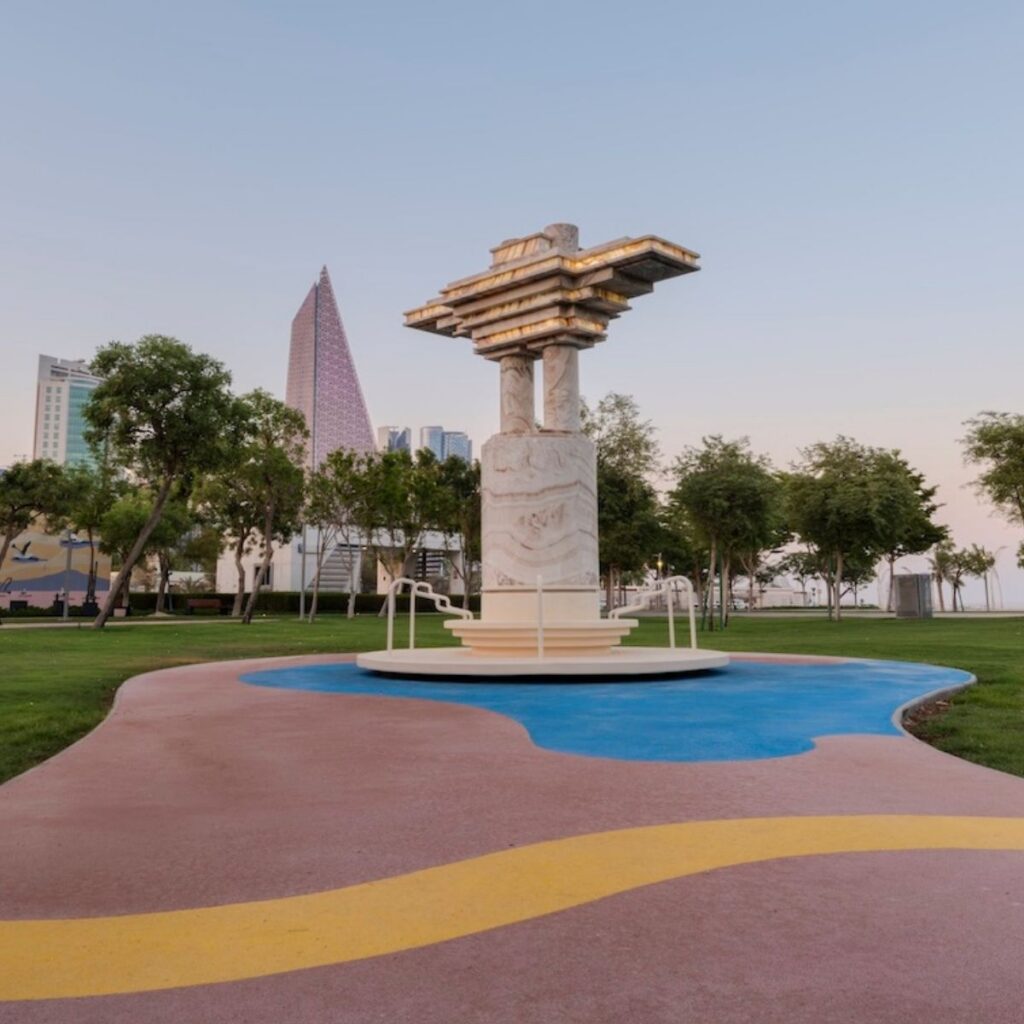
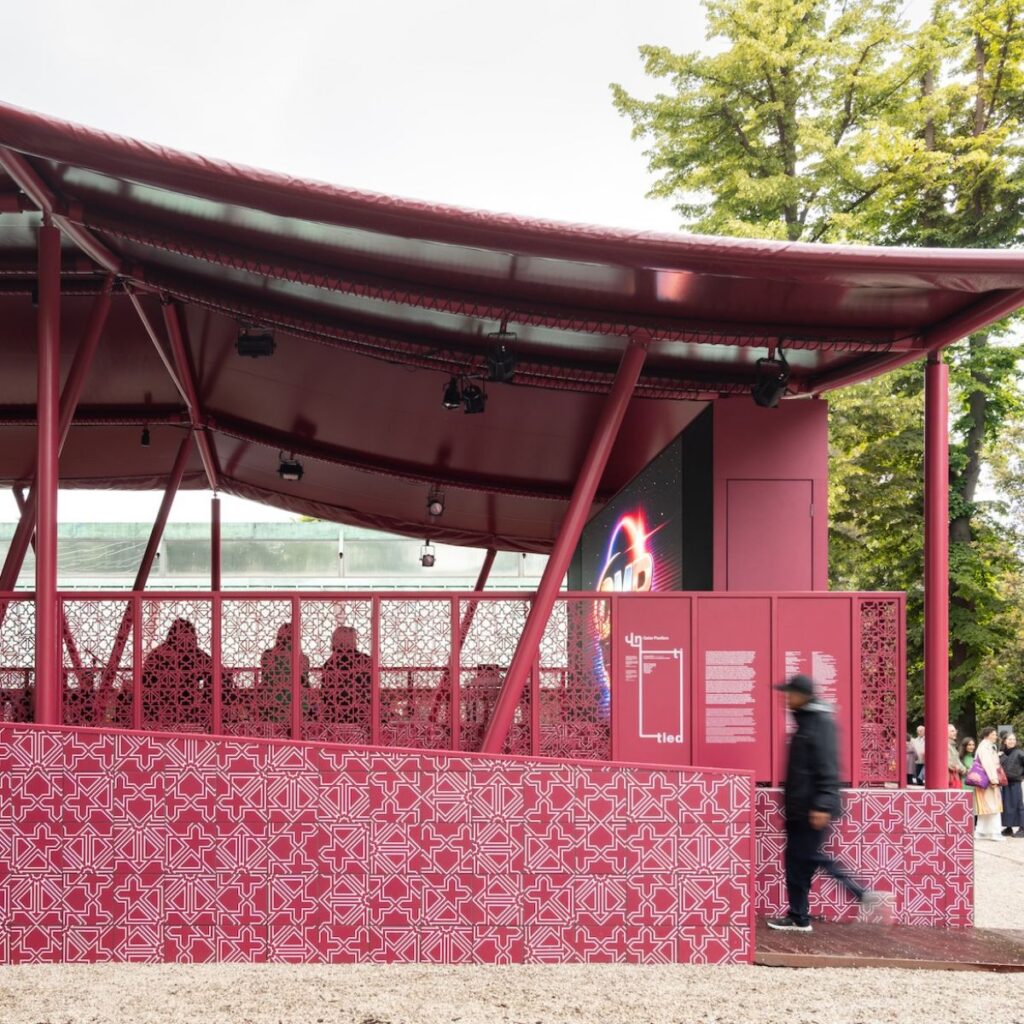
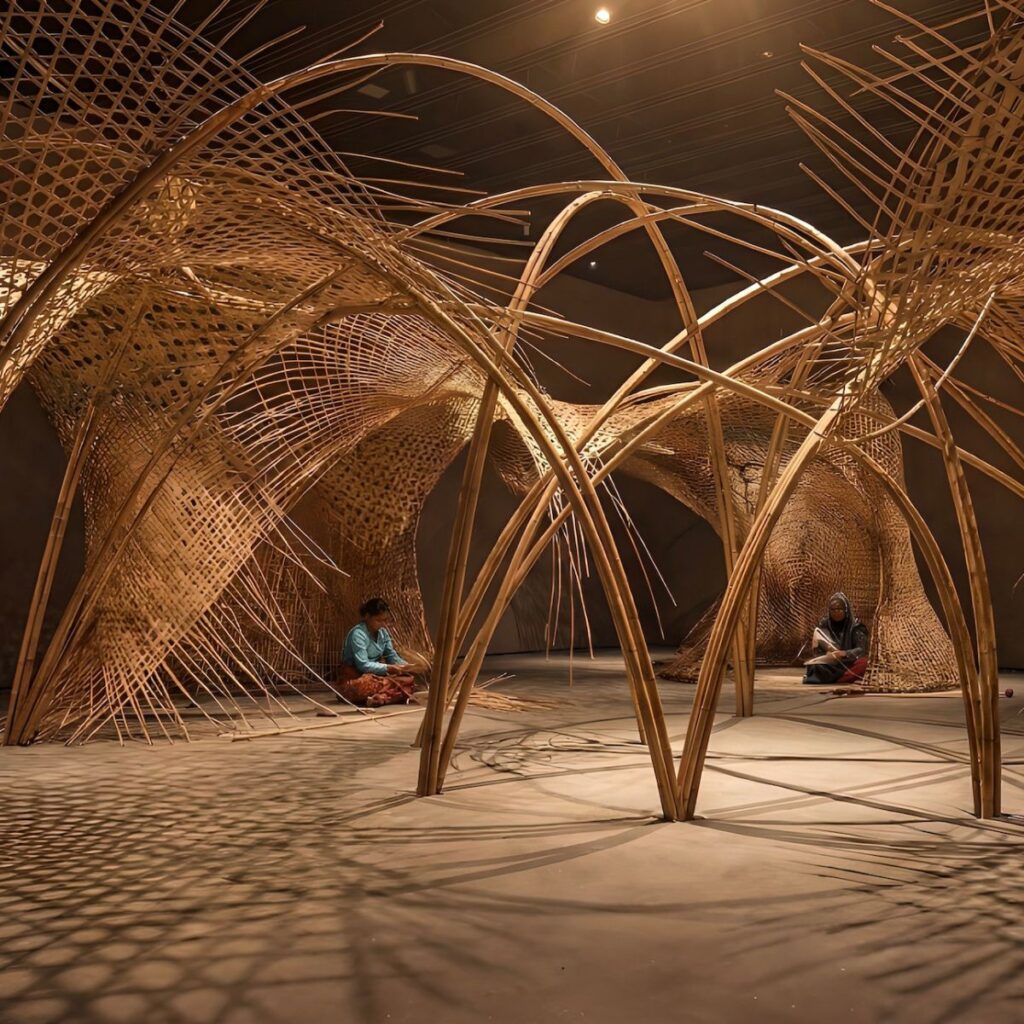
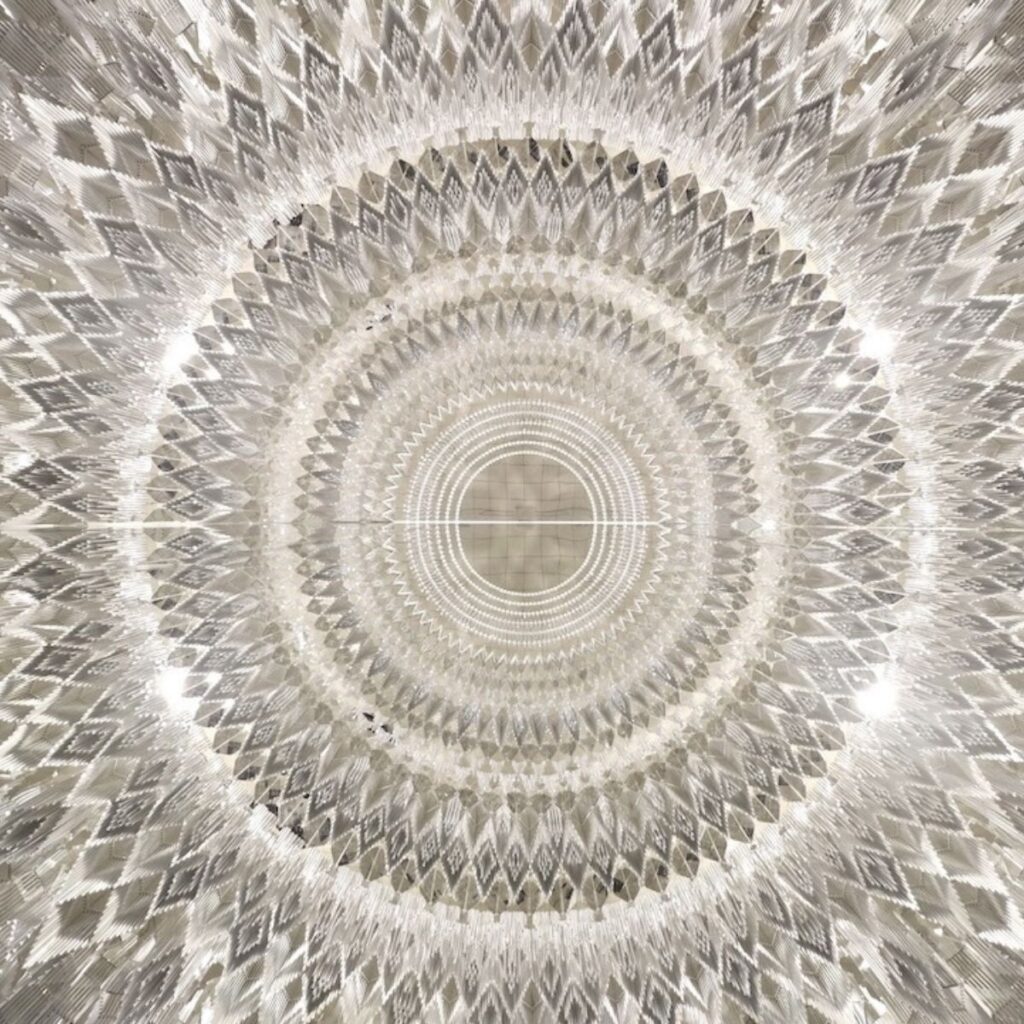
This is why we have built Design Doha as a platform for production, not just display. In Arab Design Now, the flagship exhibition of the 2026 edition, 78 works are newly commissioned and only three are loans. Ghadeer Mohammed’s The Muqarnas of Sadu, for example, transforms Bedouin weaving into a dome of 4,000 parametrically generated aluminium pipes; and Cooling Pots, developed with Qatar’s Public Works Authority, transforms terracotta into cooling infrastructure.
While a biennial doesn’t create a design ecosystem, it does add economic value. The inaugural edition of Design Doha generated significant economic activity, supported jobs and brought important buyers and industry leaders to Qatar. This is encouraging, but is not the only measure I care about. What matters most is whether those introductions become commissions, whether collaborations outlast the exhibitions, and whether designers build lasting careers.
Exhibiting objects is only half the responsibility of an event such as the Design Doha Biennial. The other part is making visible the knowledge and systems that produced the objects so others can build on them. The Design Doha Forum gives designers a platform to discuss their work, Design Doha Connect shortens the distance between those generating work and those commissioning it, and the Design Doha Prize recognises and supports creatives.
So what does it take to build a design capital? It takes schools and universities that educate generations before the spotlight arrives, workshops where knowledge passes from one pair of hands to the next, industries willing to meaningfully invest in production, and markets that recognise the value of design. Above all, it takes patience.
If, in 10 years, a young designer can study in Qatar, learn in its workshops, build a practice, manufacture locally and export globally without leaving the country, then the Design Doha Biennial will have done its job. If not, we will have staged an exhibition rather than built an ecosystem.
Illustration: Anje Jager