- Art
- Autumn/Winter 2026-27
- October
Connections
across oceans
Boats Floating Afar, an exhibition at the National Museum of Qatar, showcases ancient Chinese ceramics from across the Maritime Silk Road, tracing cultural connections and centuries of exchange between distant civilisations
Words Alyn Griffiths
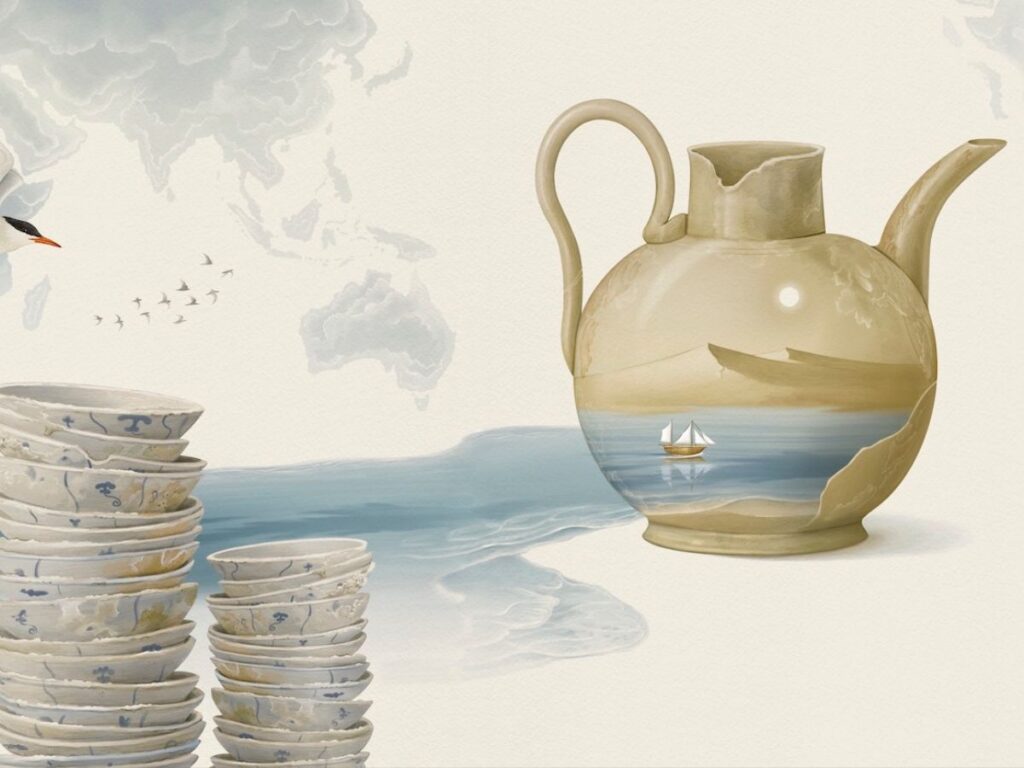
For centuries, wooden dhows like the ones you can see today cruising the Arabian Gulf in Doha formed an integral part of the trade route between China, the Middle East, Africa and Europe. Known as the Maritime Silk Road, the historic network of sea lanes was used to transport goods such as spices, silk, porcelain and bronzeware from continent to distant continent.
An exhibition at the National Museum of Qatar (NMoQ) in collaboration with The National Museum of China (NMC) celebrates this history and the ongoing cooperation between two of the route’s key trading posts. Boats Floating Afar: The Maritime Trade in Ancient Chinese Ceramics explores the history of the Maritime Silk Road and the role that Chinese ceramics played in connecting civilisations as one of the most highly prized and regularly traded commodities.
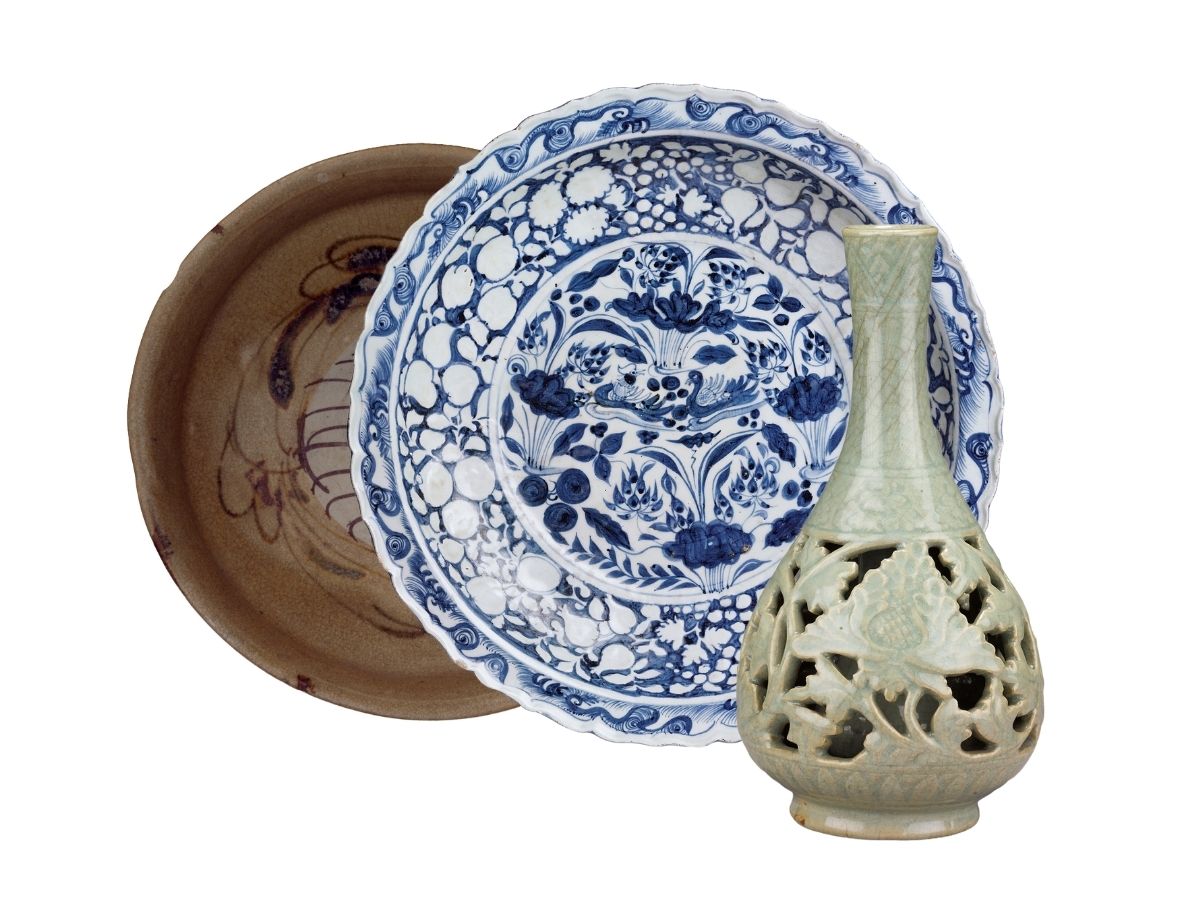
The exhibition presents over 120 pottery vessels, mostly sourced from the collection of the NMC, that span a period stretching from the Tang dynasty (618-907CE) to the 18th century. Many of the pieces were recovered from shipwrecks and coastal archaeological kiln sites – proof of the extensive networks of trade and cultural exchange that linked China with the wider world.
According to Susanna Thomas, head of exhibitions at NMoQ, the exhibition’s highlights include objects acquired by Qatar Museums from a shipwrecked merchant vessel that sailed between southern China and the Gulf in the late 10th century. Other examples of Chinese ceramics uncovered at coastal sites in Qatar such as Fraiha, Zekreet and Al Zubarah emphasise the importance of Qatar as a transit point and trading centre.
“This exhibition demonstrates how the Maritime Silk Road served not only as a route for the exchange of goods, but also as a conduit for the transmission of technologies, artistic traditions, people and ideas,” explains Thomas.
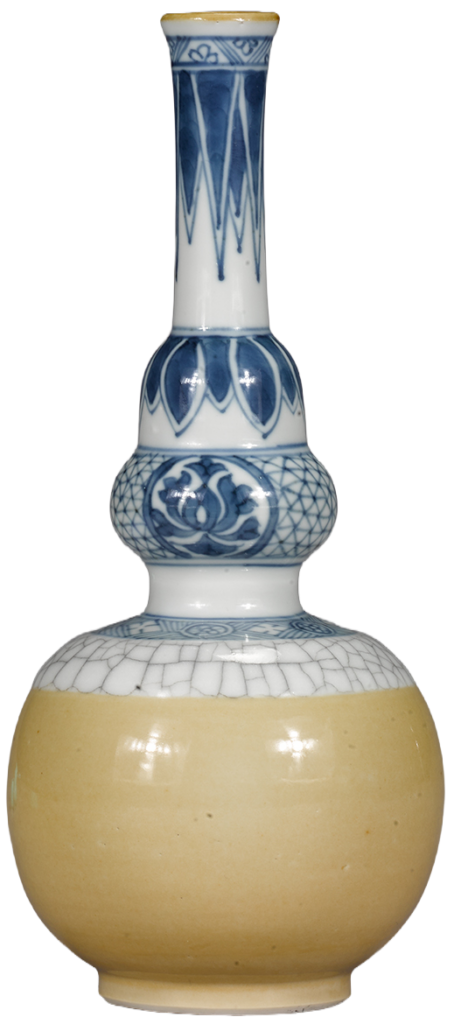
A 17th-century vase from the Jingdezhen kilns imitating work from the Ge Kiln of the Song dynasty. Photo: © National Museum of China
Visitors will be able to take a close look at rare artefacts, including a blue-and-white, melon-shaped, wide-mouth vase adorned with drawings that dates back to the Ming dynasty (1368-1644CE), as well as a Tang dynasty celadon-glazed painted plate from the historic Changsha Kiln in Hunan, China. Some of the ceramics on display also show how distinctive decorative styles and manufacturing innovations were disseminated to distant regions through continuous maritime trade.
“The influence of Chinese technology and design on ceramics in Qatar can be traced back to the Abbasid period (850-1000CE),” says Thomas. “Excavations at the archaeological site of Murwab in north-western Qatar uncovered everyday ceramic wares, including plates and bowls imported from workshops in Basra, southern Iraq. Produced between the late eighth and ninth centuries, these ceramics reflect Chinese manufacturing techniques adopted by Iraqi potters, highlighting the vibrant trade networks that connected the Gulf with Asia.”
The exhibition was first presented at the NMC in 2020 and was subsequently hosted by various museums in China and across Asia. Forming part of the legacy of the Qatar China 2016 Year of Culture programme, this is the first time it has come to the Middle East and north Africa region.
“Presenting this exhibition at NMoQ offers an opportunity to explore the rich cultural connections reflected in the collections of both institutions, while highlighting the historical exchanges that have shaped their respective regions,” says Thomas. Just as maritime trade once played a vital role in the transmission of cultural ideas and creative approaches between civilisations, Boats Floating Afar exemplifies how the ongoing partnership between NMoQ and NMC carries forward the Silk Road spirit of peace, cooperation, openness and shared heritage.
Boats Floating Afar: The Maritime Trade in Ancient Chinese Ceramics is on at the National Museum of Qatar until 31 January 2027