- Design
- Autumn/Winter 2026-27
- OCTOBER
Can design define a nation’s image?
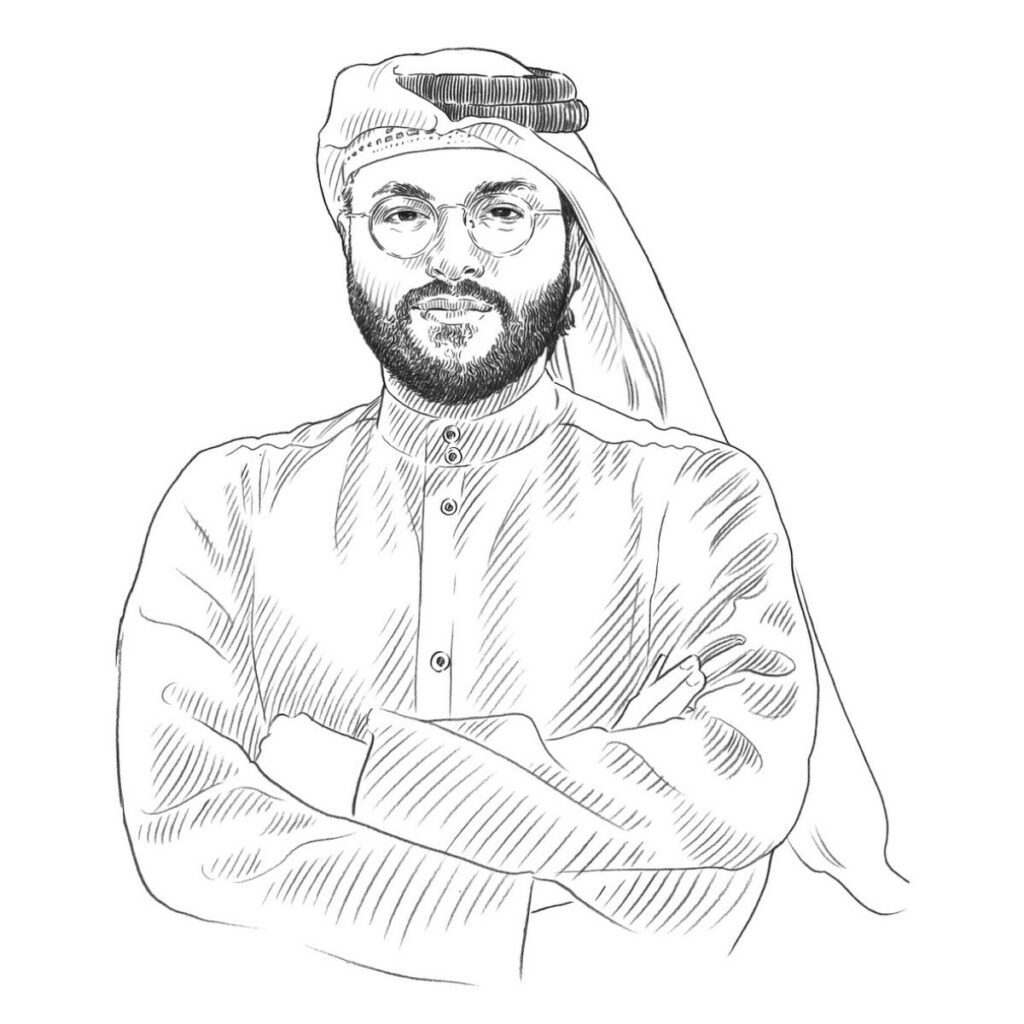
Glenn Adamson is a historian, curator and writer whose work explores the social, political and cultural dimensions of design. A former director of the Museum of Arts and Design in New York, he is the author of The Craft Reader and Fewer, Better Things, and the artistic director of the Design Doha Biennial 2026. Here, he takes us on a global journey exploring the power of design
Does design inform national identity? History tells us that it can. In the wake of the second world war, design proved to be a way for countries to rebuild not just their infrastructure but their public image. Italy, Japan and Scandinavia all developed thriving consumer goods industries and promoted them abroad through state-sponsored exhibitions.
The story continued in the 1980s and 1990s and took some surprising new directions. Avant-garde groups – such as Memphis Milano, London’s Creative Salvage movement and the Dutch collective Droog – staged radical challenges to the mainstream. In the supercharged context of postmodern media, their intentionally outrageous designs paradoxically, and quickly, became a kind of official culture. Today, decades later, it is individual designers, such as Tom Dixon (UK), Hella Jongerius (the Netherlands) and Ettore Sottsass (Italy) who are rightly treated as expressing a particular aspect of national character.
Until recently, the idea that nation-building and design development could be two aspects of the same thing had little traction in the Arab world. To be sure, modernism left its footprint in the region. Architects such as Joseph Philippe Karam in Lebanon and Wassef Boutros-Ghali in Egypt ingeniously adapted Bauhaus ideas to articulate a rising spirit of cosmopolitanism. As Qatari architect and historian Ibrahim Mohamed Jaidah explores in his book Discovering Arabian Deco: Early Modern Architecture in Qatar, a more ornamental but still self-consciously progressive idiom also proliferated across the Middle East, north Africa and south Asia (MENASA) region.
Now, however, this part of the world is explicitly acknowledging the connections between the discourses of national identity and design innovation. This is where the Design Doha Biennial, established in 2024 by Qatar Museums under the leadership of its chairperson, Sheikha al-Mayassa, enters the picture.
Building on important previous projects such as Dubai Design Week (founded 2015) and Amman Design Week (founded 2016), we have sought to build a new platform for designers working across the region.
“Design in the Arab world today is a powerful dual-cylinder engine of economic development and cultural expression... built on a foundation of craft skills and vernacular traditions”
From the start, the excitement has been palpable, as is the sense of potential. Design in the Arab world today is a powerful dual-cylinder engine of economic development and cultural expression, just as it was in post-war Italy, Japan and Scandinavia. And for similar reasons: in all these contexts design’s future-facing character has been built on a foundation of craft skills and vernacular traditions.
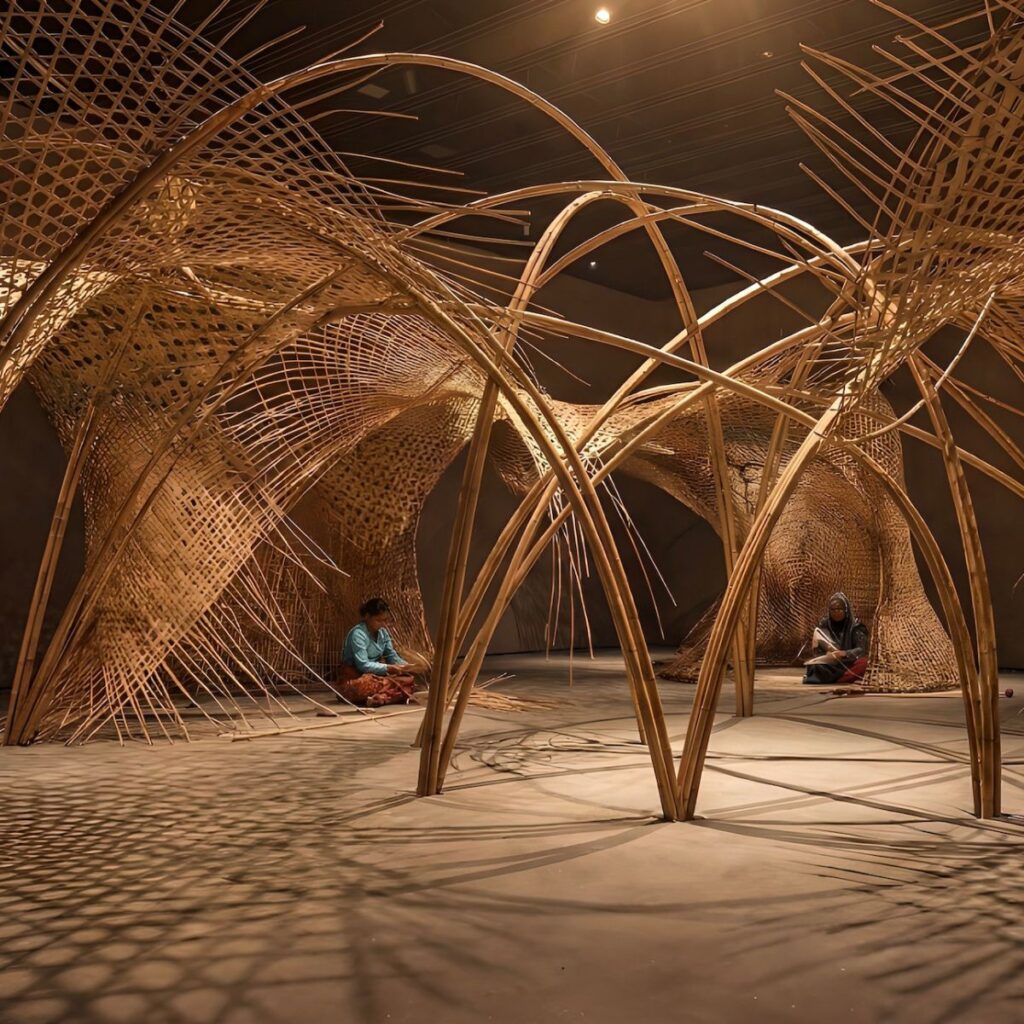
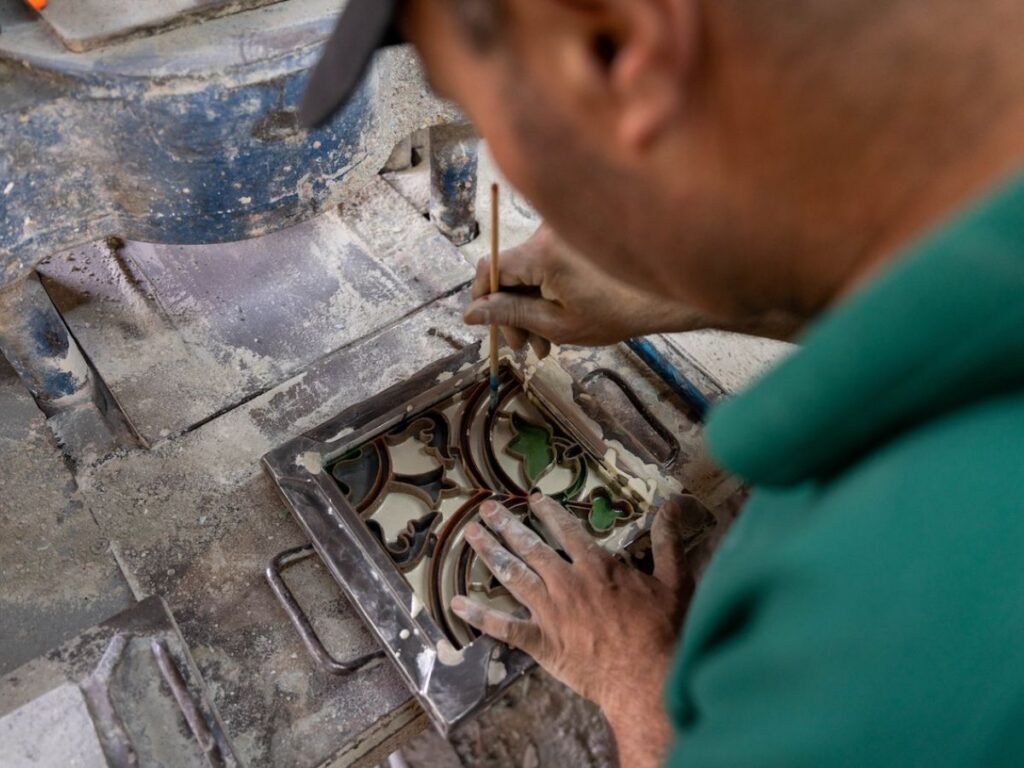
Some of the standout projects of Design Doha’s inaugural edition, such as Salima Naji’s Sharing the Earth and AAU Anastas’s Tiamat, draw on deep wells of artisanal know-how. Both these installations were featured in our headline exhibition Arab Design Now, curated by Amman Design Week co-founder Rana Beiruti. The show also attested to contemporary Arab designers’ interest in regional materials and processes, such as zellige tiles, cast glass and Sadu woven textiles.
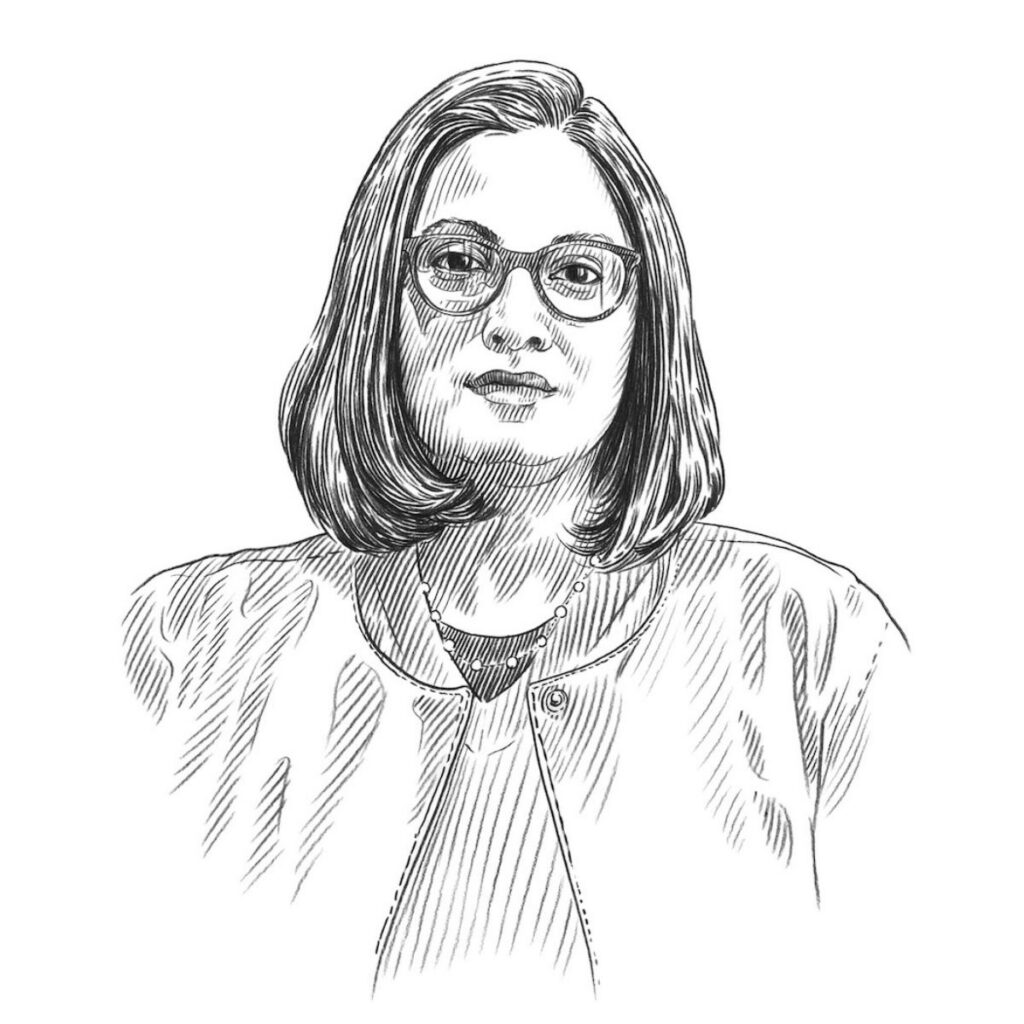
As we welcome the second edition of Design Doha, we are anticipating an even stronger expression of these tendencies – as well as an ever-growing conviction that design, no less than art, cinema and literature, can be a means of critique as well as affirmation. The MENASA region is incredibly diverse, with stark disparities of wealth and political turbulence. Noura Al Sayeh, the Bahrain-based curator of the second edition of Arab Design Now, aims to acknowledge this context in its full complexity. Her exhibition surveys “acts of preservation and resistance, innovations and inventions, the grandmothers who transmitted, the youth who challenge, and everything and everyone in between”. With her vision at its heart, Design Doha 2026 will be an unmissable and agenda-setting event: a moment when many narratives of nationhood and design will intersect, weaving the rich tapestry of now.
Cover image: Glenn Adamson. Illustration: Anje Jager