- Architecture
- Autumn/Winter 2026-27
- October
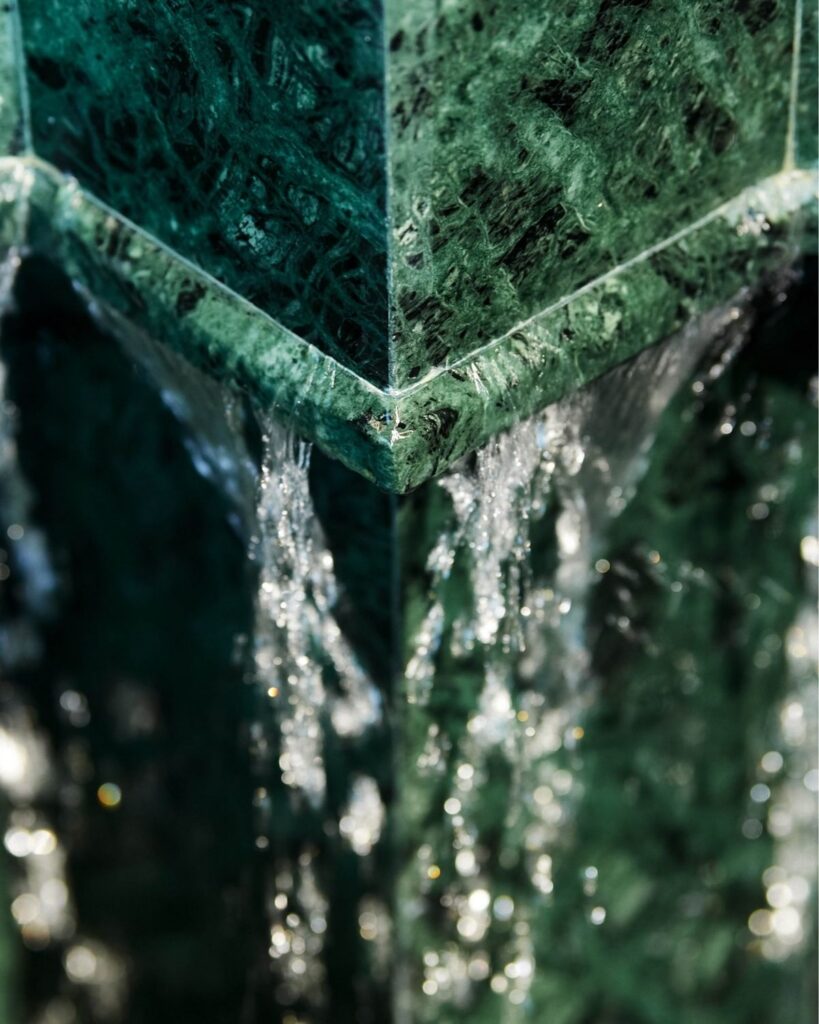
What can water reveal about the world?
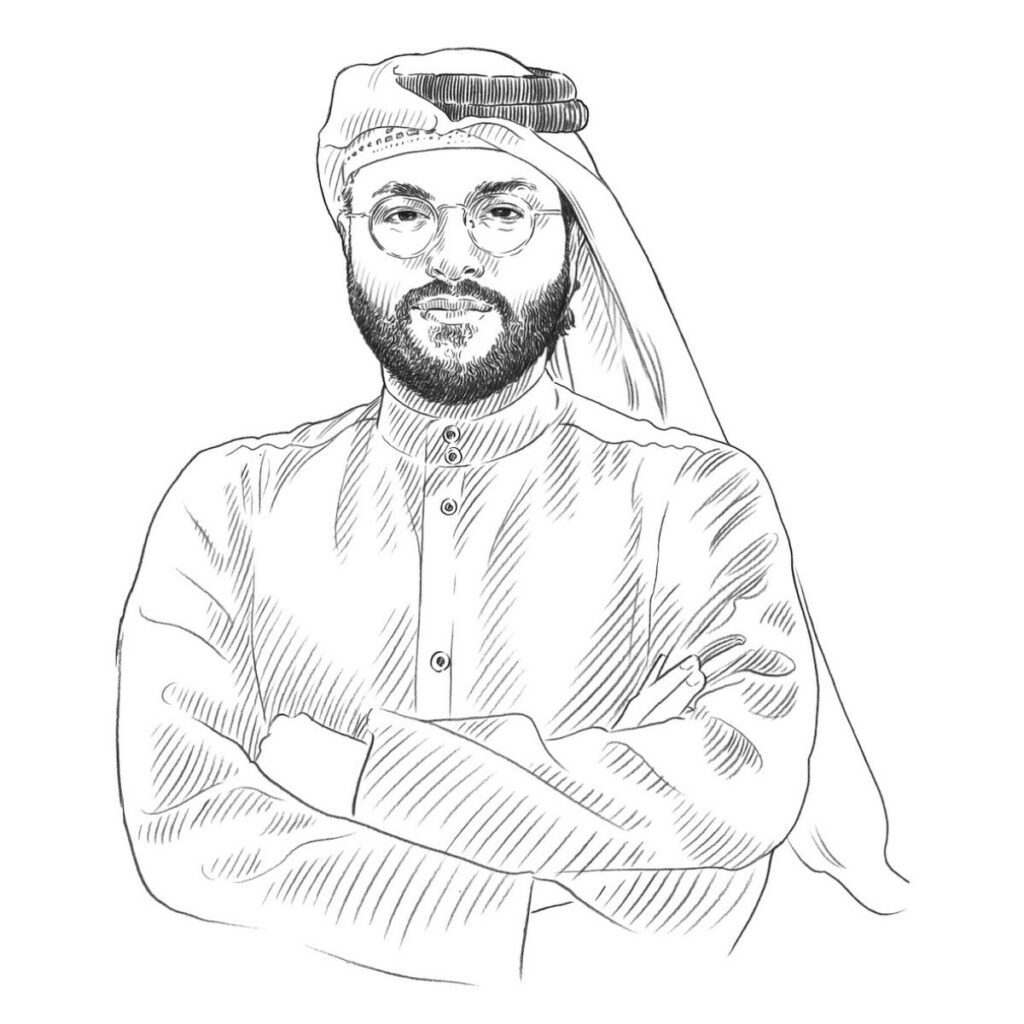
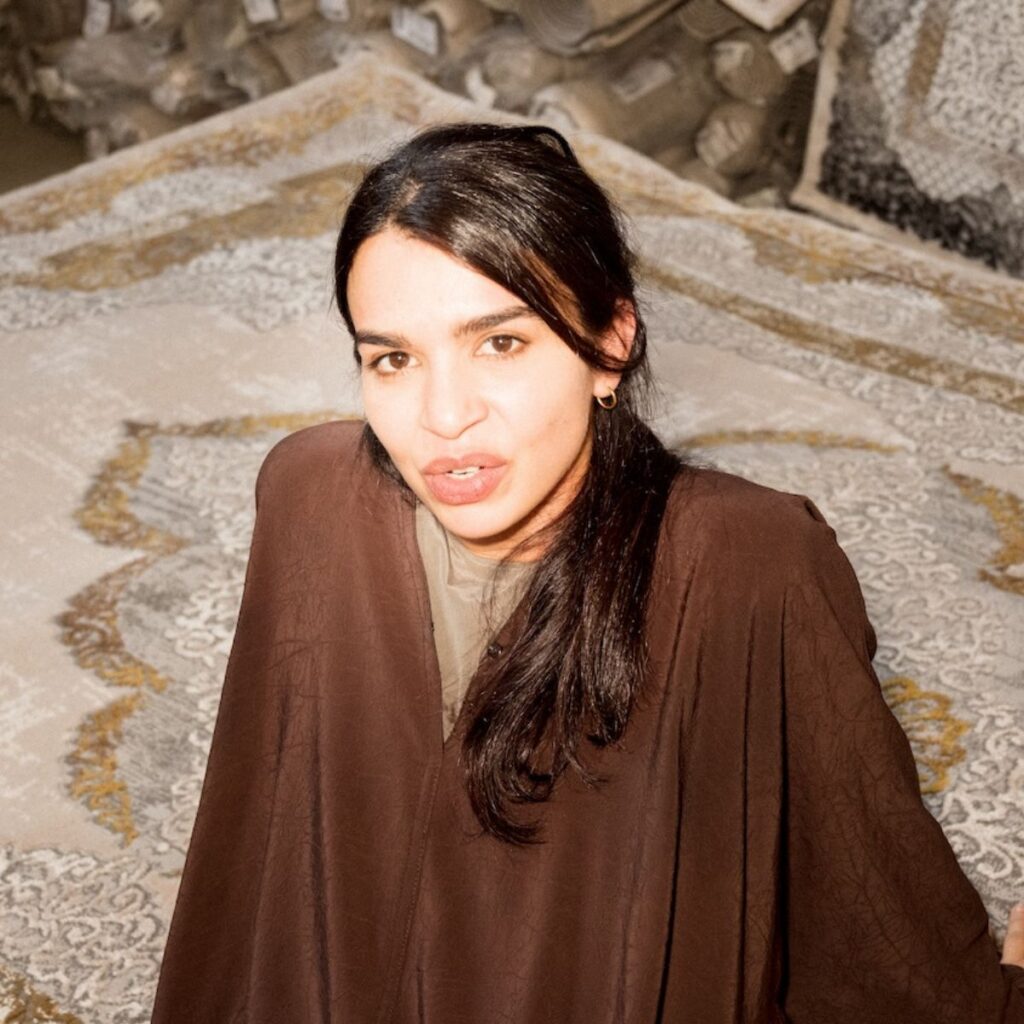
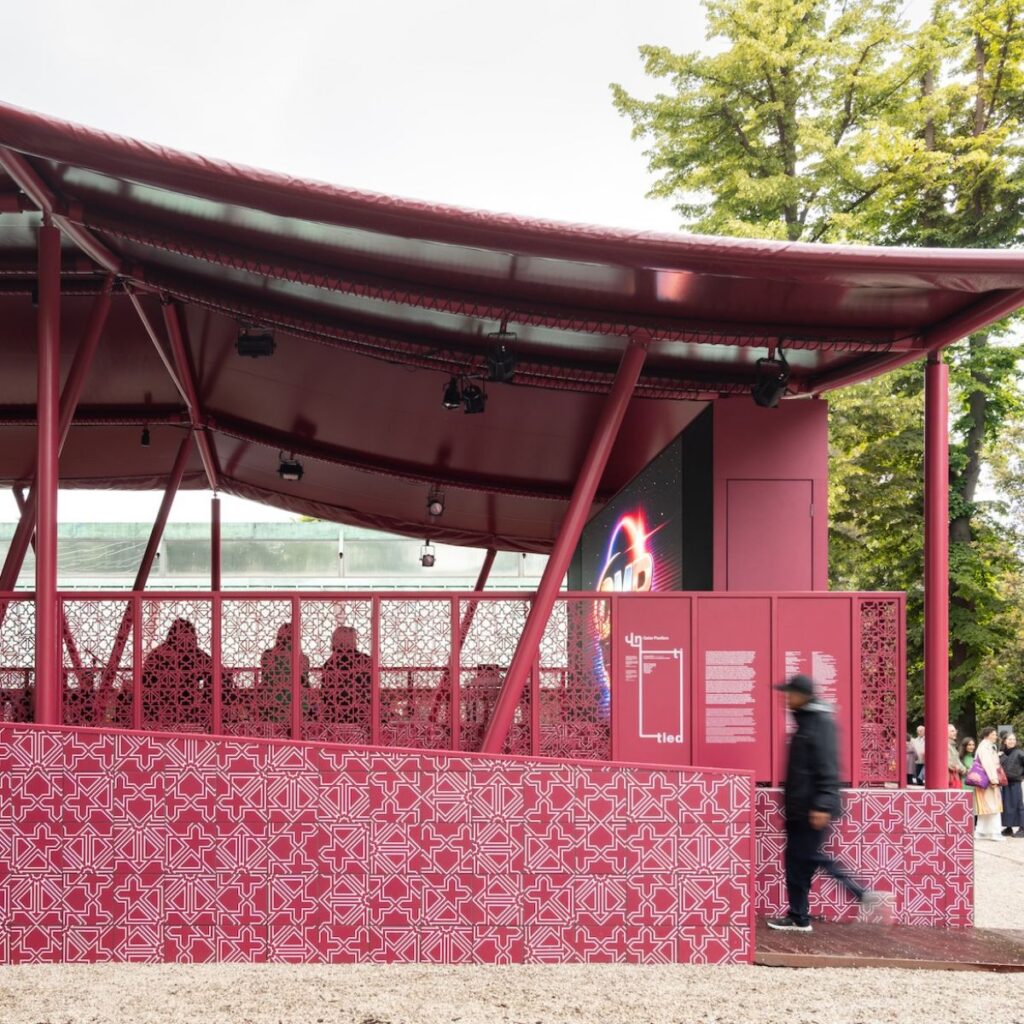
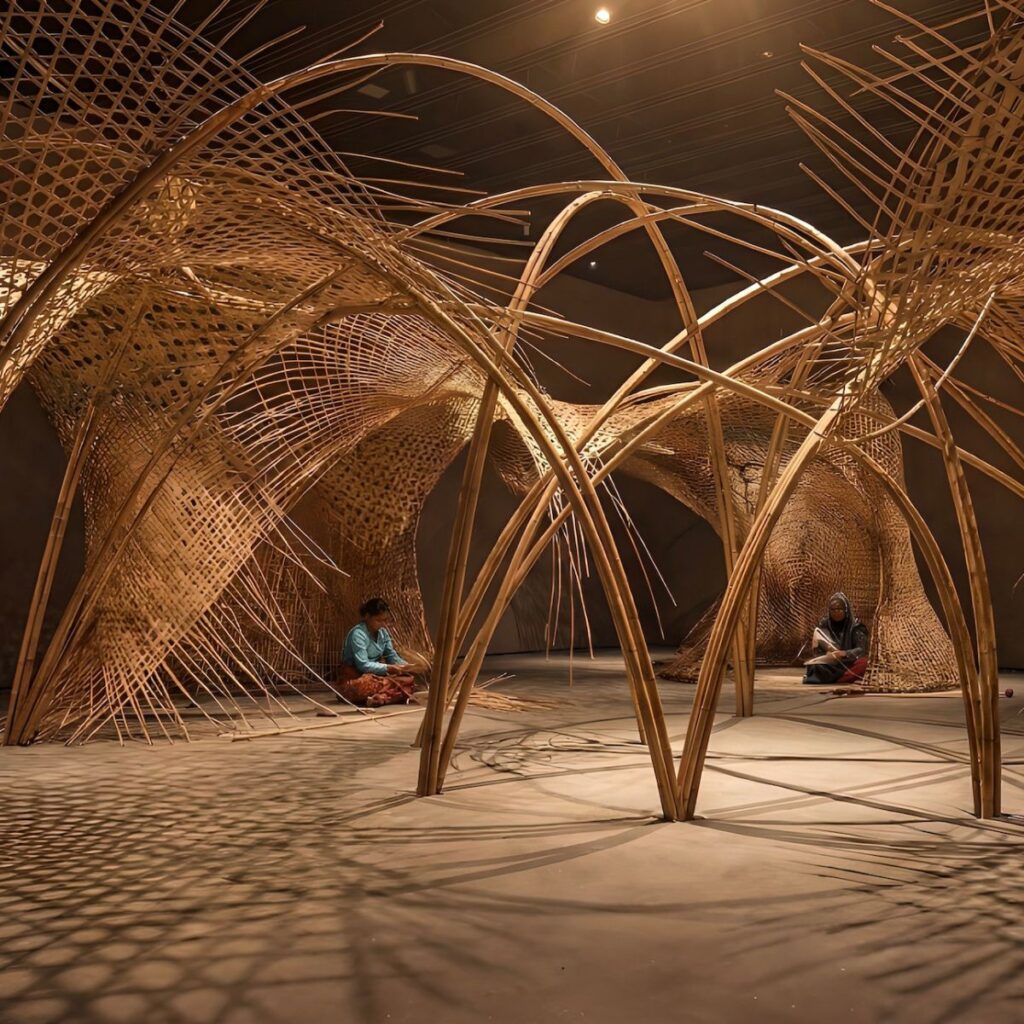
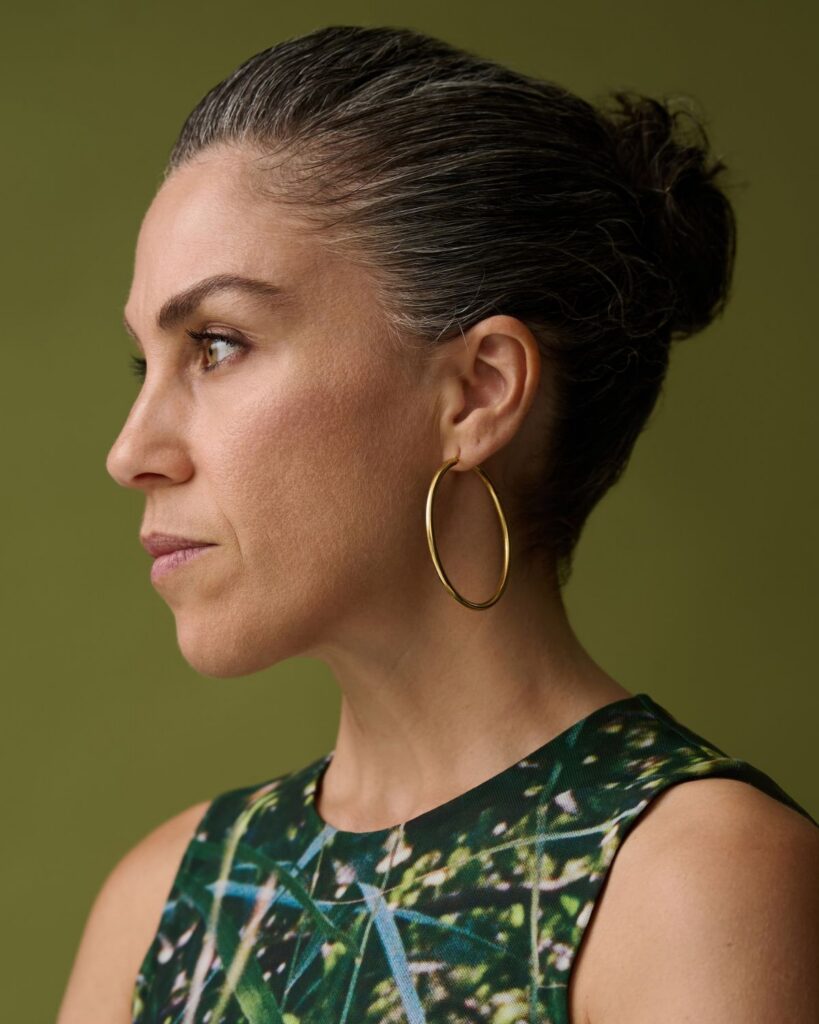
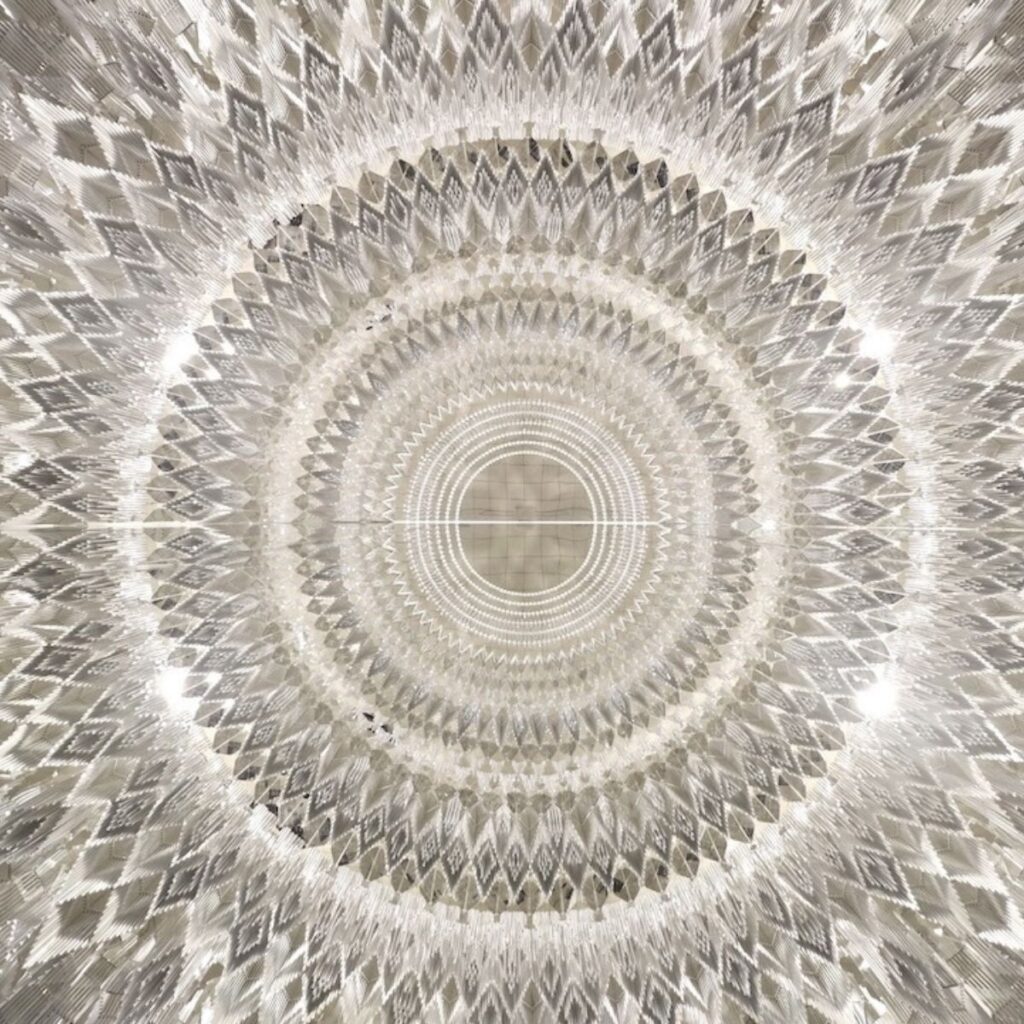
For Unruly Waters, Rubaiya Qatar’s flagship exhibition, Bangladeshi architect Marina Tabassum is creating an installation that spins narrative arcs from artefacts found with the 10th-century Cirebon shipwreck – the route of which defines the curatorial vision for the entire exhibition. Here, she reflects on how water has shaped her practice and what the contents of the shipwreck reveal about centuries of exchange across the Indian Ocean
My approach to architecture is defined by the context in which I practise: Bangladesh. I realised early on that my architectural education had offered me tools devised largely through Eurocentric thinking. To create my own language, I needed a deeper understanding of the place, its people and the crafting of buildings inherent to my location.
Bangladesh is a waterscape rather than a landscape. More than 700 rivers criss-cross the country in an intricate network that connects the Himalayas to the Bay of Bengal, and there are large areas of wetlands, lakes, canals and ponds. The land itself is also constantly changing. Two-thirds of Bangladesh’s land was created by silt brought by the Brahmaputra and Ganges rivers. In the Ganges Delta, entire settlements move with the shifting courses of the rivers. During my research in coastal Bangladesh, I encountered families who had relocated their homesteads up to 20 times because of riverbank erosion. Water here is a dominant climatic and geographical condition, and this influences our buildings.
Architecture is usually imagined as static and permanent, but temporality is inherent in this land. This compelled me, together with a collective of architects, to form the Foundation for Architecture and Community Equity. We then developed Khudi Bari, an impermanent modular housing system that can be dismantled and moved as conditions change.
The communities we work with have taught me to negotiate with nature and adapt as circumstances arise. Most importantly, I have learnt to respect the beauty and wisdom of living in tune with nature. This does not mean all architecture should become temporary, but we must acknowledge that our needs and environments are constantly changing. If we consider a process of ageing and evolution and address it while designing, architecture can remain relevant through time and adapt to our changing needs.
These ideas around water have found a different expression in my research for Rubaiya Qatar, which focuses on the 10th-century Cirebon shipwreck. The merchant vessel foundered in the Java Sea around 970CE. Many of the objects recovered from it are now held in Qatar Museums’ archives, providing evidence of the appreciation of crafts across the Indian Ocean world.
I had no knowledge of the Cirebon shipwreck before this project, and the significance of the routes connecting China to the Arabian Gulf is not discussed as much as the Silk Road through central Asia. The more I learned about the Maritime Silk Road, though, the more I was drawn into it. You can immerse yourself in the sea of information by connecting the places, their richness and how culture travelled, not only goods. The significance of a connected Indian Ocean world historically is hugely impactful in understanding the cultural overlaps.
A shipwreck holds the story of a particular moment in time, frozen by an unexpected event. Fragments of the vessel, anchors, coins and shards of ceramics raise numerous questions. Like a cold case reopened, historians and archaeologists connect these fragments to reconstruct a period that has slipped through the cracks of time.
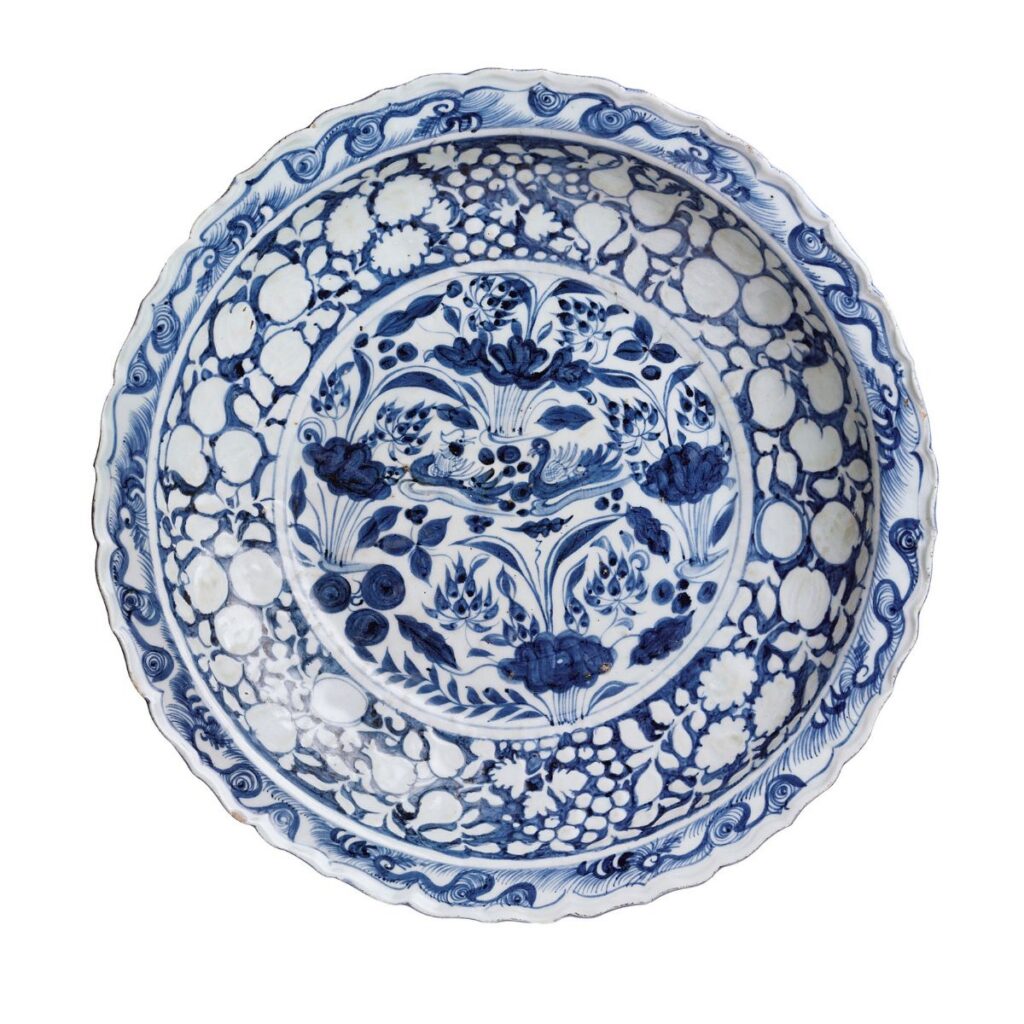
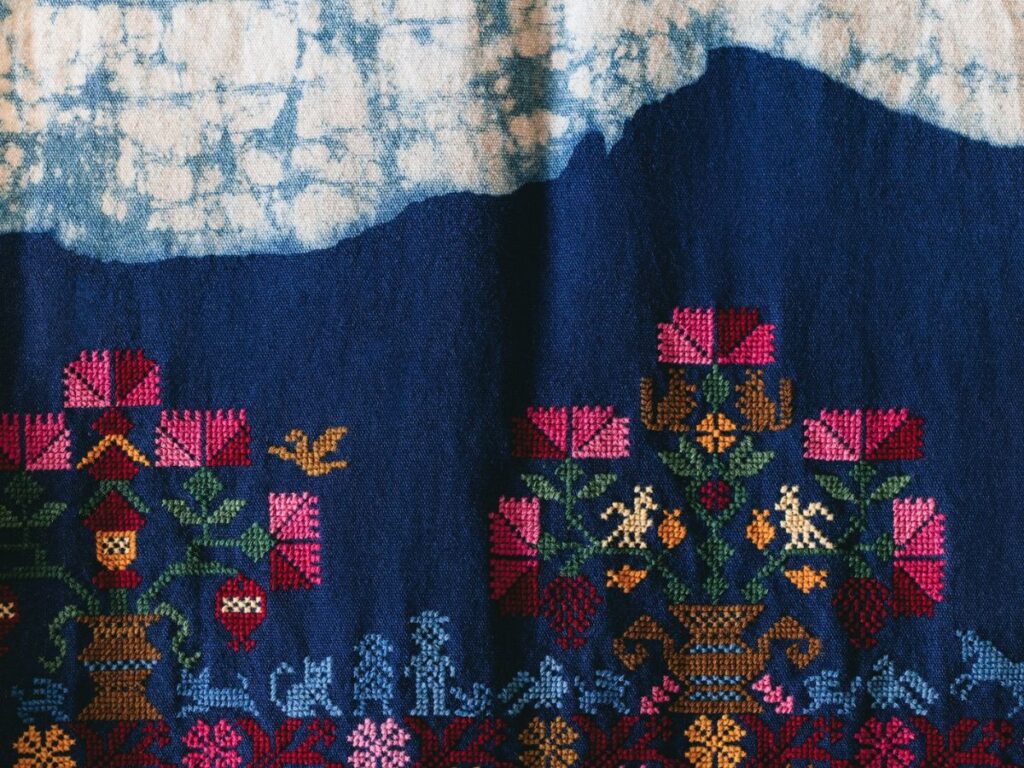
The sheer volume of the collection is mind-boggling – it includes Chinese stoneware, southeast Asian ceramics, Middle Eastern glassware and metals from the Malay Archipelago. I have been particularly drawn to Chinese Yue wares produced in Zhejiang during the Tang dynasty. Many Chinese ceramics were made for west Asian markets, sometimes using cobalt sourced from Afghanistan, the result being a series of hybrid objects combining Chinese and Islamic art and design. This shows that globalisation and cross-cultural exchange is at least a millennium-old practice.
Mariners sailed with the monsoon winds between networks of ports and harbours, carrying people, products, beliefs, technologies, art and design. Scholars increasingly recognise the centrality of the Indian Ocean in the study of the resulting cross-cultural exchange, including the spread of Islam along the Maritime Silk Road. These cultural encounters throughout the centuries have given rise to cities, ports, architecture and artefacts which, while remaining distinctive, exhibit layers of shared history. Muslim participation in these transoceanic encounters has been diverse and significant, with links that created conduits for trade, commerce and exchange of ideas, beliefs, practices, scholarship and material goods.
Water reveals that the world has never been formed through isolated cultures or fixed geographies. It is a connective force that brings people and cultures together – and it is these encounters and exchanges that drive the curatorial vision behind Unruly Waters.
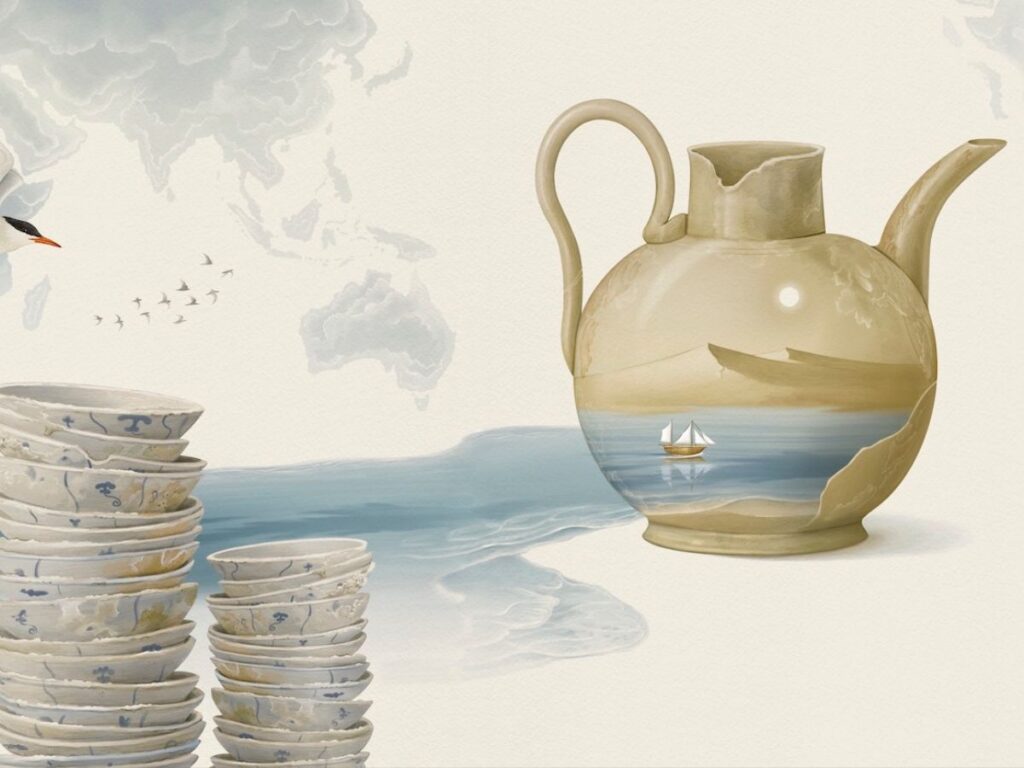
Cover illustration: Anje Jager