Design Doha
Highlights from the programme of exhibitions, installations and events taking place across the city during Design Doha
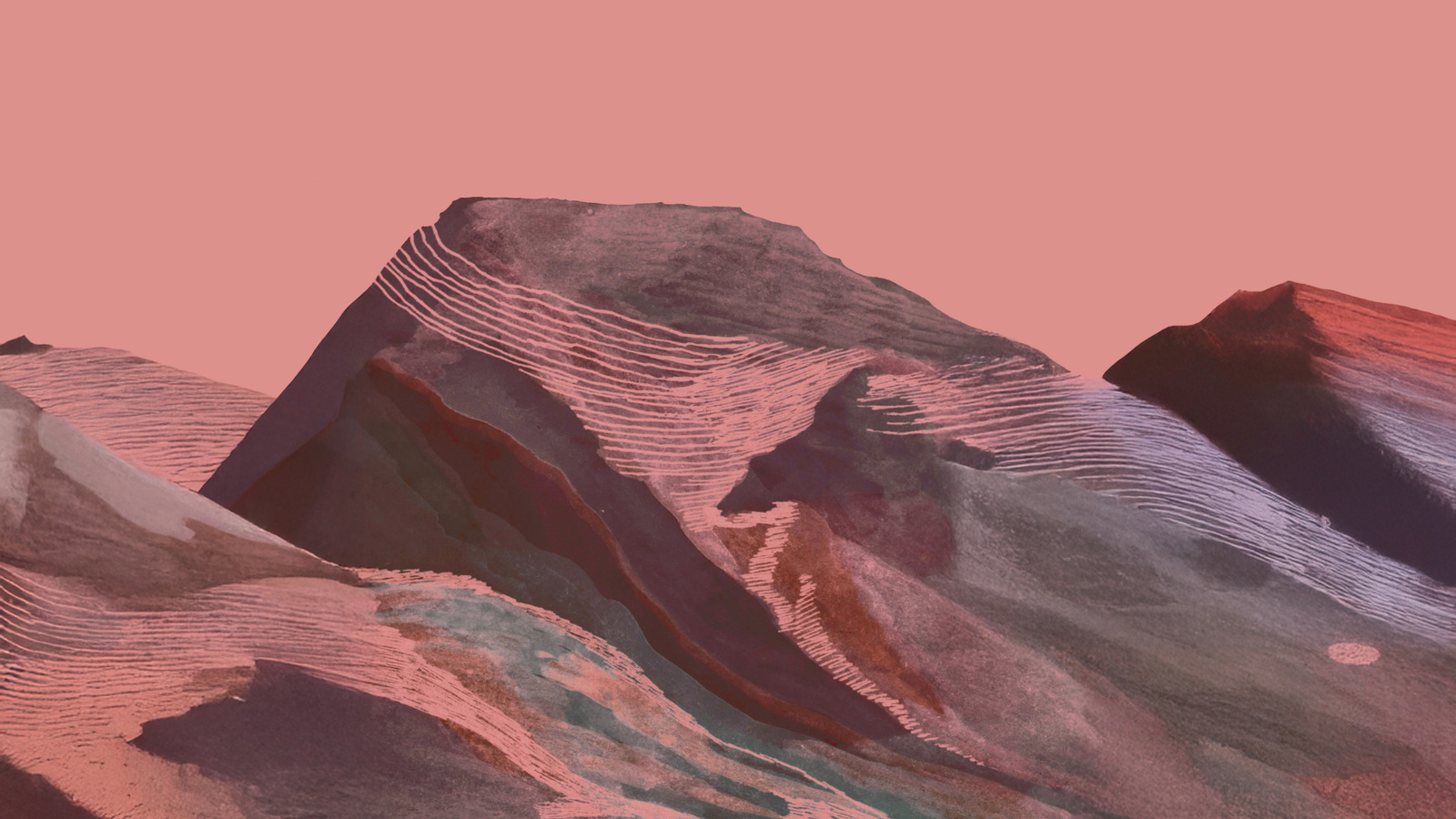
Photo: Irthi Contemporary Crafts Council
Design Labs II
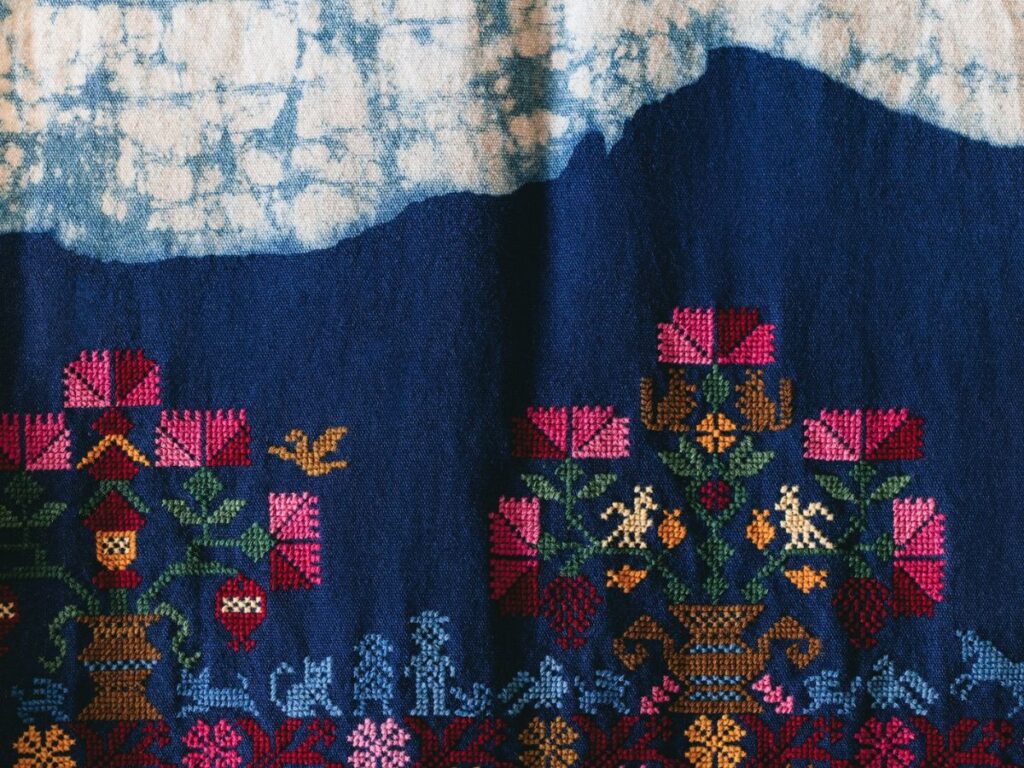
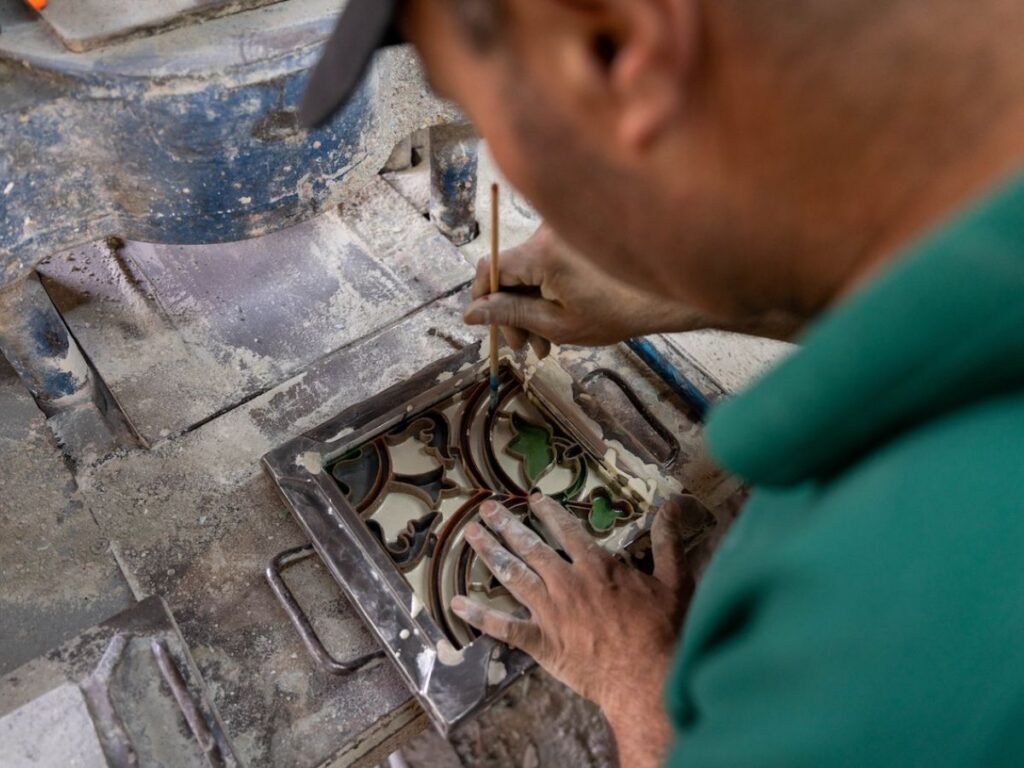
A curated selection from Irthi Contemporary Crafts Council’s Design Labs II programme showcases craft-driven collections developed in collaboration with regional and international designers and artisans. These works form part of the core archival collection of the future Irthi Museum in Sharjah, United Arab Emirates. The exhibited works embody Irthi’s commitment to fostering cross-cultural design dialogues and preserving traditional crafts through contemporary practice.
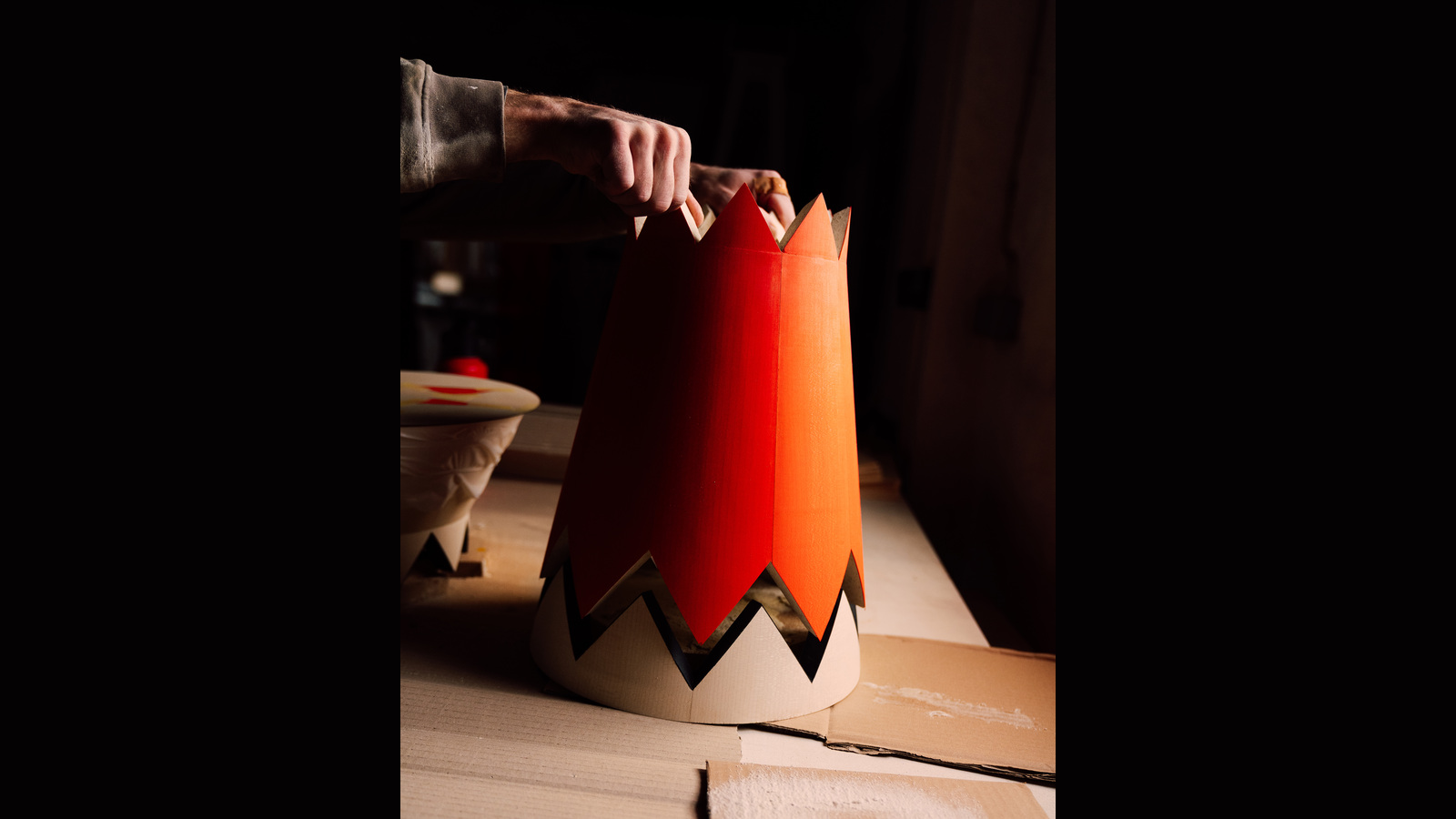
Photo: Daniel Heilig
Interlaced: Dialogues in Design
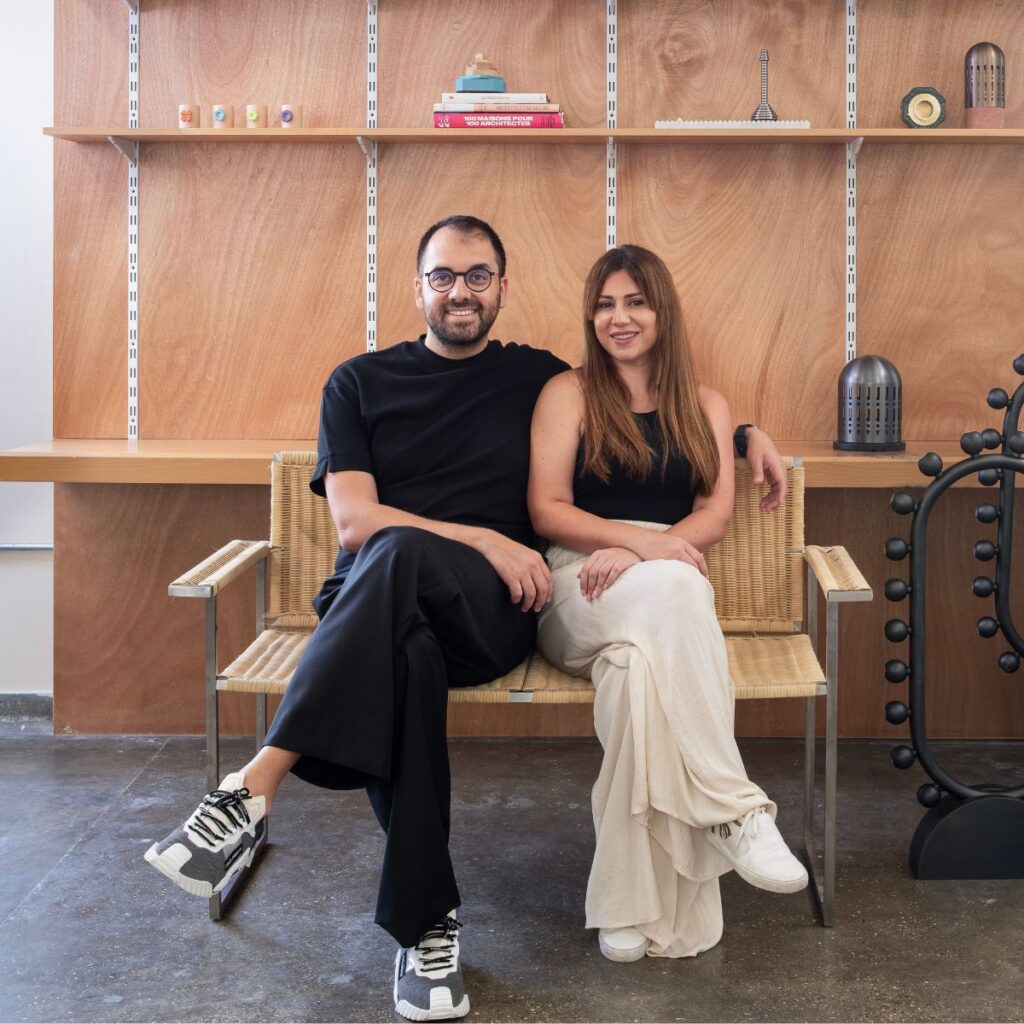
FROMM – a furniture and accessories brand based in Doha and Milan – presents an exhibition exploring how Arab craft, rituals and traditions are embedded within a global design discourse, revealing furniture as a site of cultural exchange. Arab cultures have long stood at the crossroads of trade and craftsmanship, transmitting ideas between geographies and cultures. FROMM thus frames Arab design as an identity in motion, where the act of making becomes a gesture of belonging.
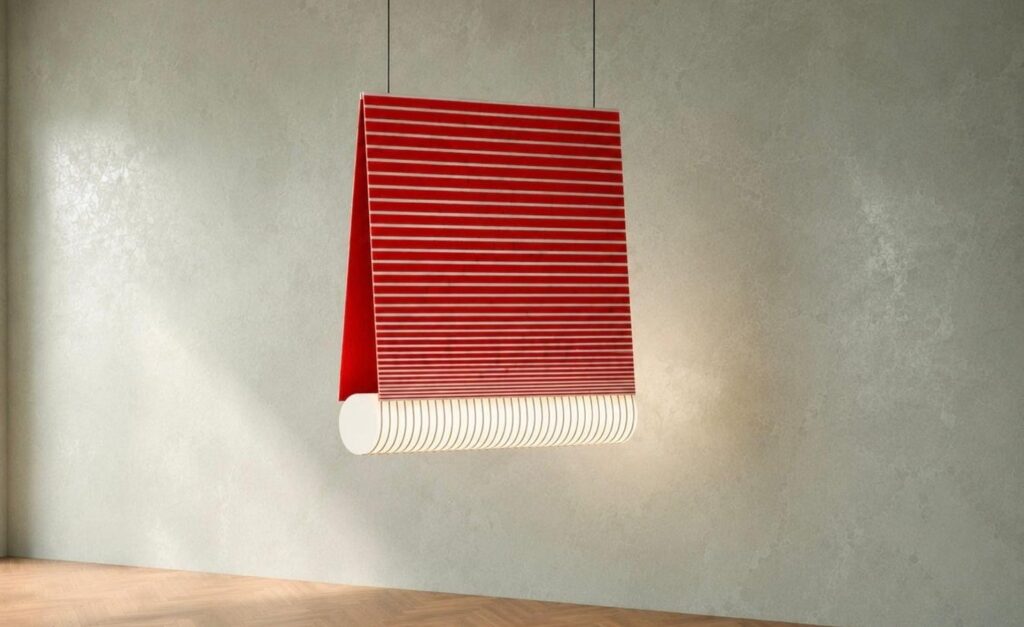
Photo: Modeen
Light & Process by MODEEN
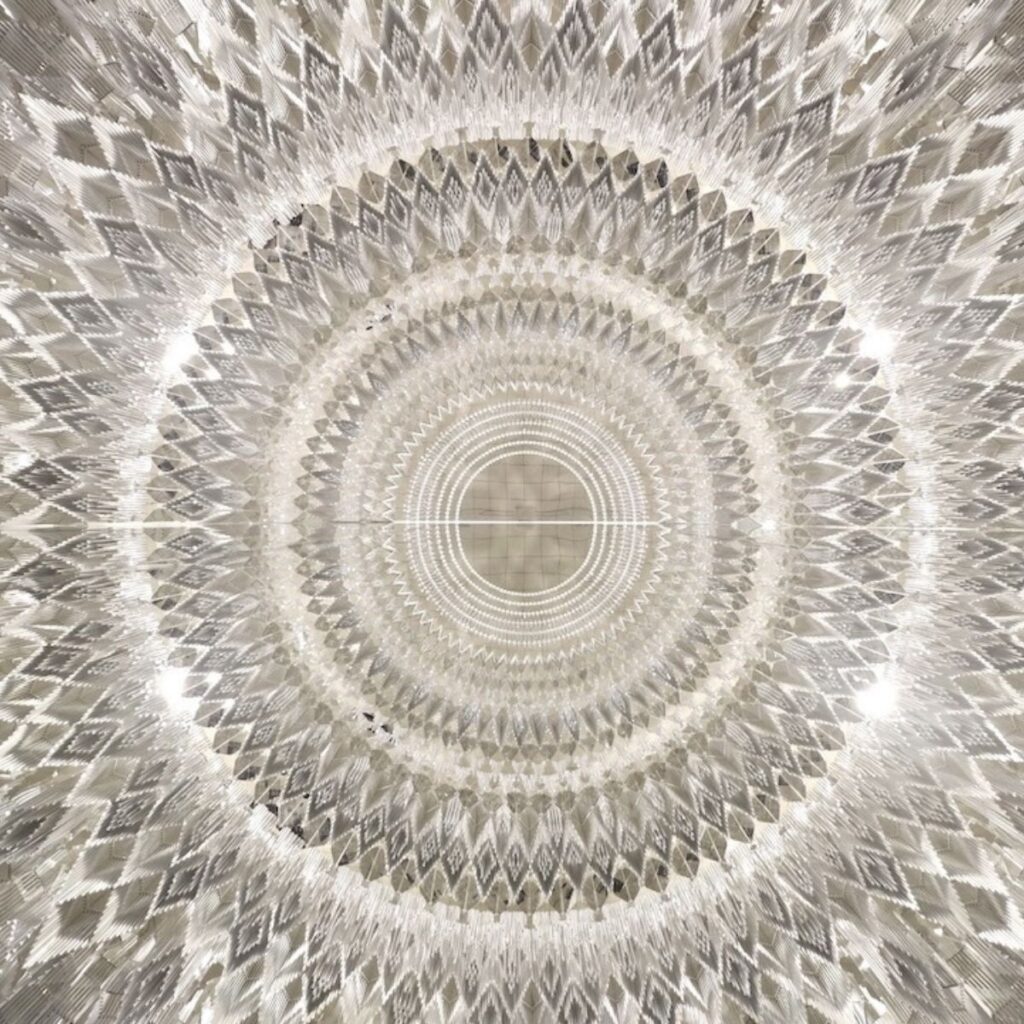
Light & Process by MODEEN traces more than a decade of experimentation with luminary objects, revealing the studio’s process through sketches, prototypes and newly realised works. Blurring the boundaries between art and design, the exhibition explores MODEEN’s dialogue between handcraft and contemporary technology, culminating in hybrid objects that reimagine traditional forms through a distinctly contemporary lens.
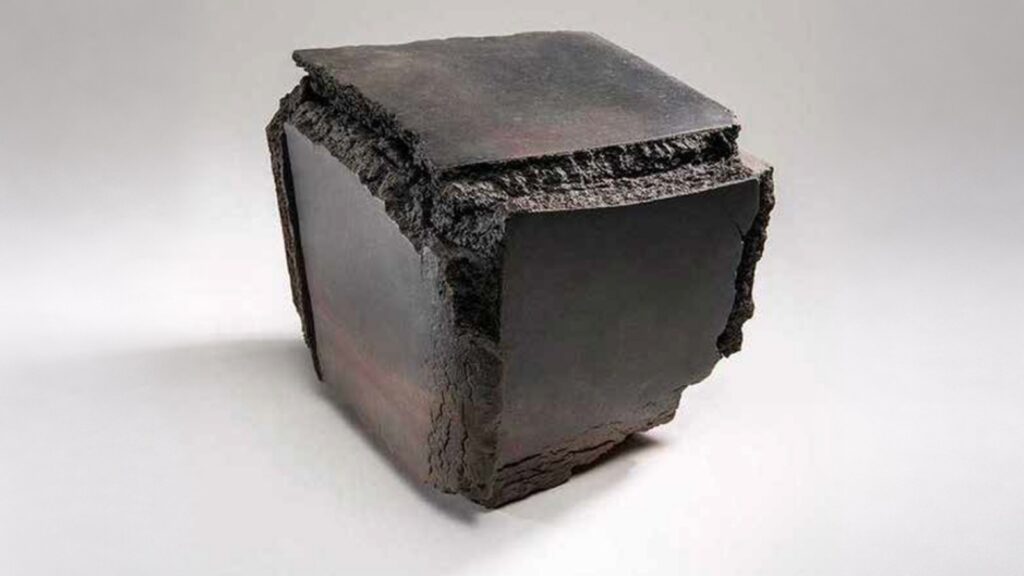
Photo: Bricklab
Post-Oil 2026
Presented by Saudi Modern Initiative and curated by Turki and Abdulrahman Gazzaz, Post-Oil 2026 centres on five key materials: glass, concrete, steel, aluminium and asphalt. The exhibition explores how the discovery of oil and subsequent industrialisation shaped a new material economy in the Gulf region, transforming the construction industry and the built environment during the 20th century.
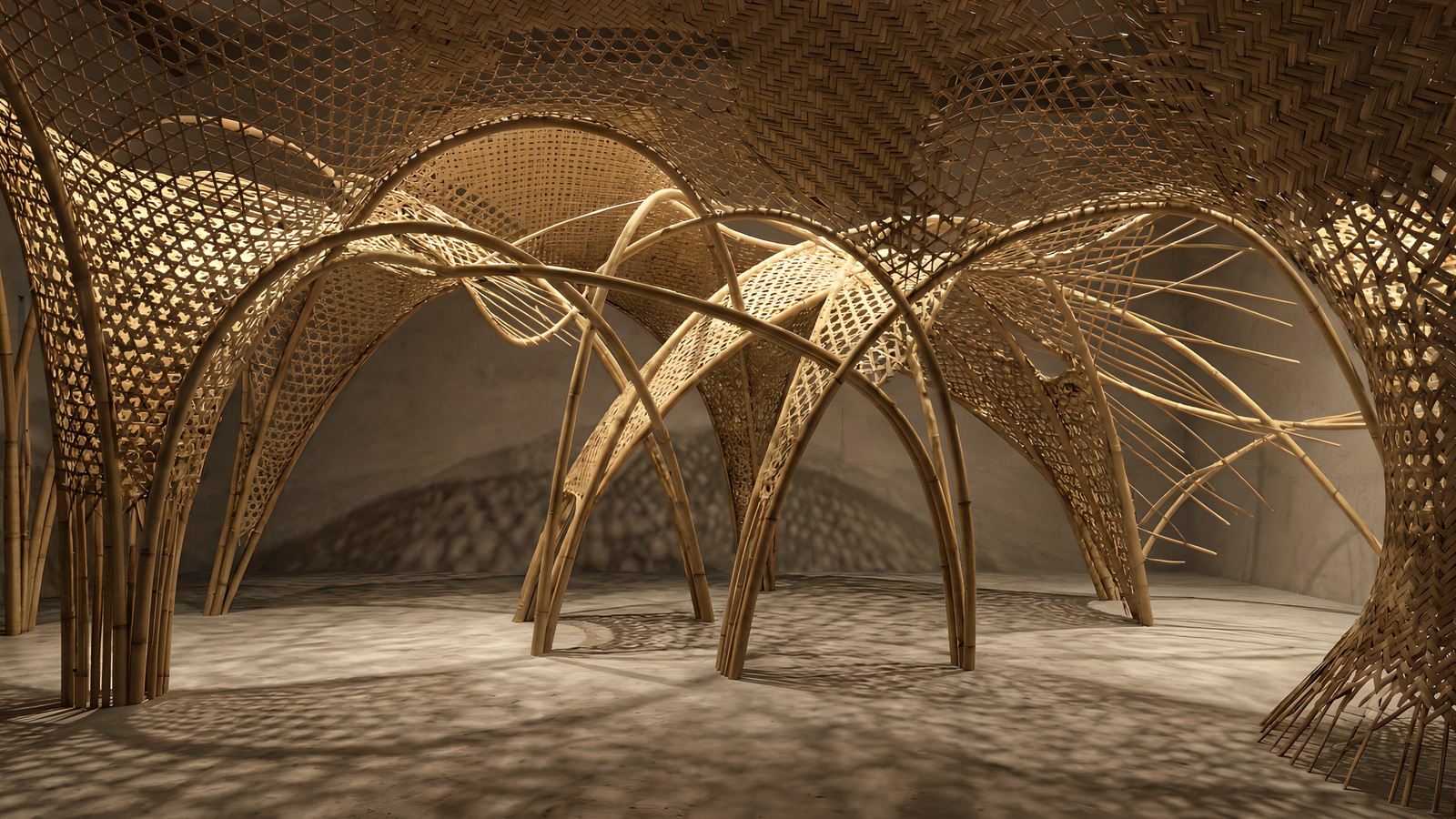
Photo: TheLoveTriangle, Tarek Moukaddem
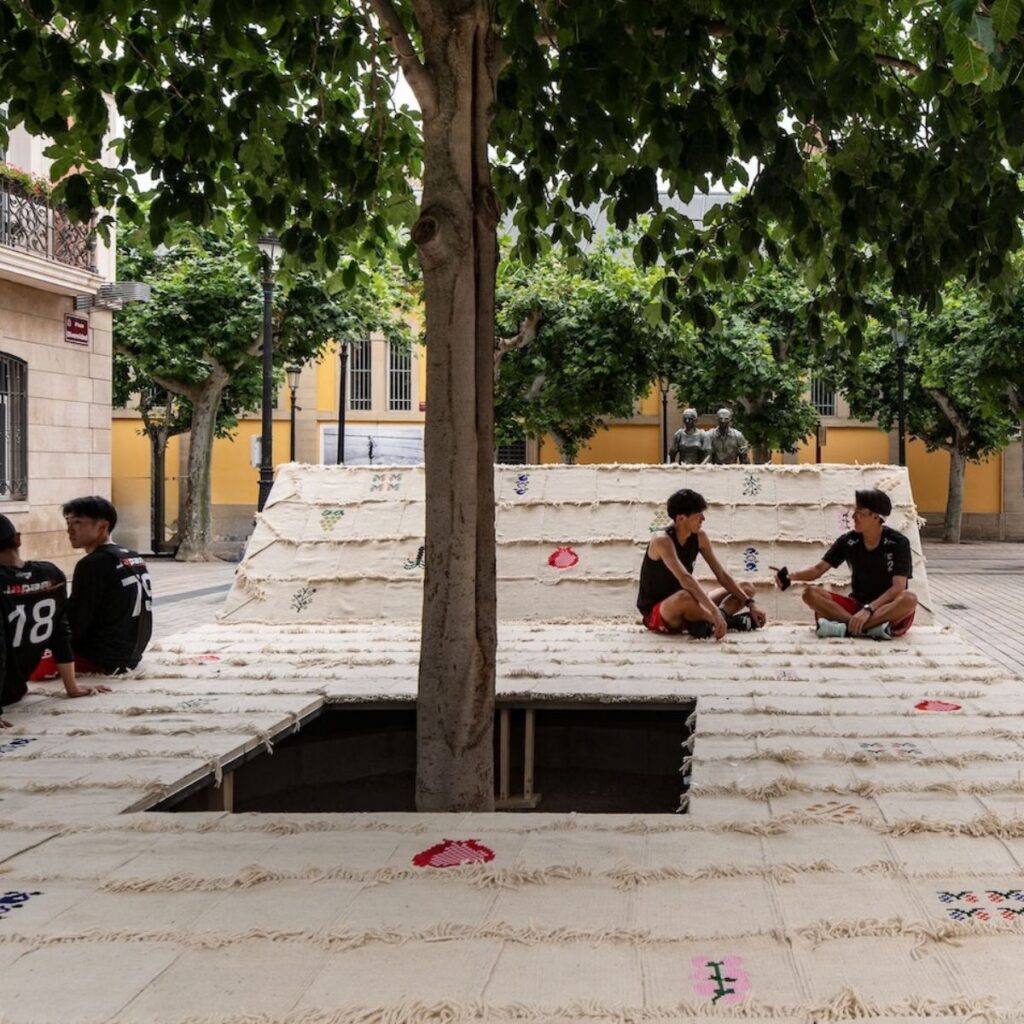
The Thread That Binds
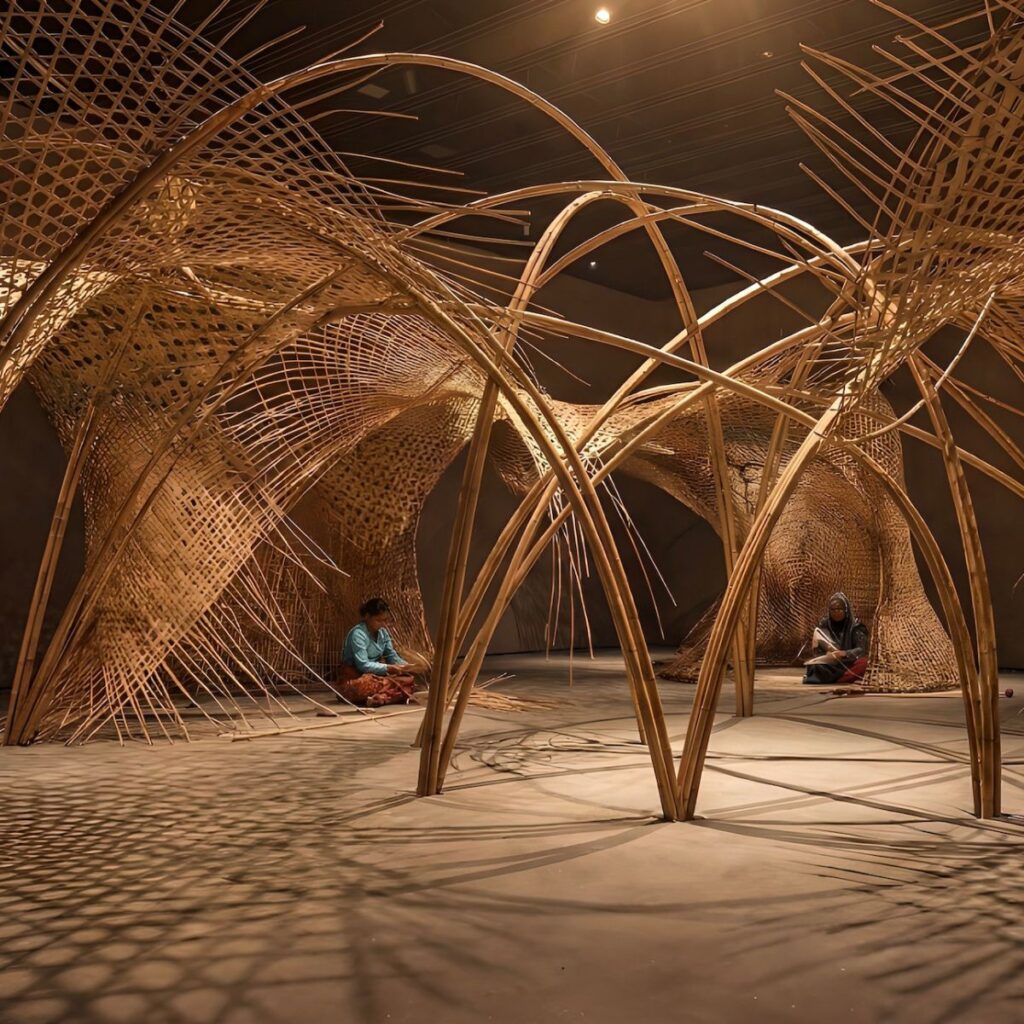
In The Thread That Binds, design collective TheLoveTriangle celebrates the living traditions of khous and khaizaran weaving, traditions shared across the Arab region. For the installation, artisans and visitors are invited to weave together in real time. The work will grow over the course of the exhibition, becoming an archive of shared labour, cultural knowledge and collective authorship. Here, weaving becomes an act of continuity, keeping heritage alive.
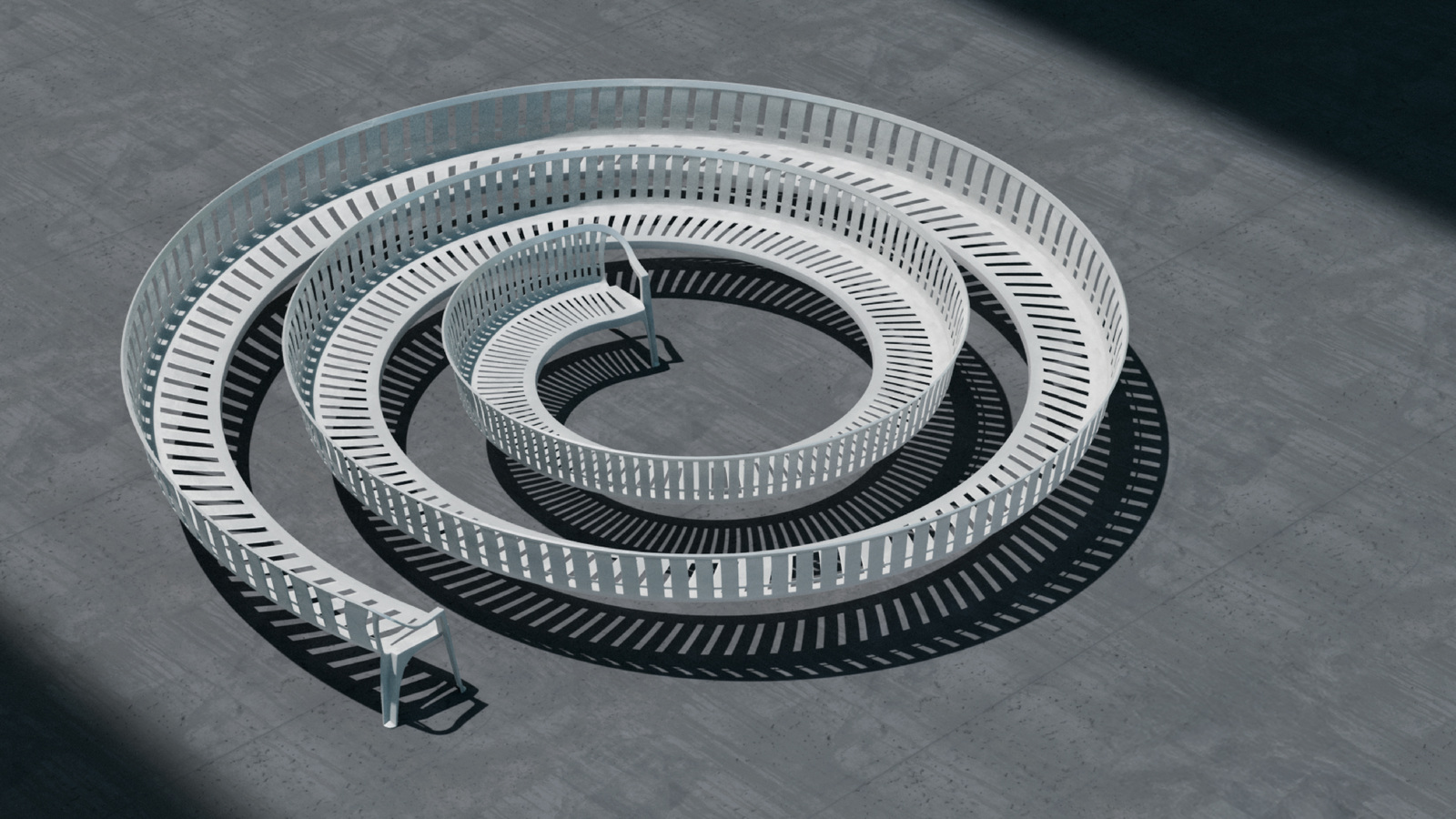
Photo: HouHou
Monumental: A Monobloc’s Memoir
With the Monumental series, the artist HouHou explores the Monobloc chair – a lightweight, stackable plastic chair – as part of collective Arab culture. This installation examines how an everyday, inconspicuous object can occupy a significant space in shared memory – present at sites of conflict and reconciliation, condolence and celebration.
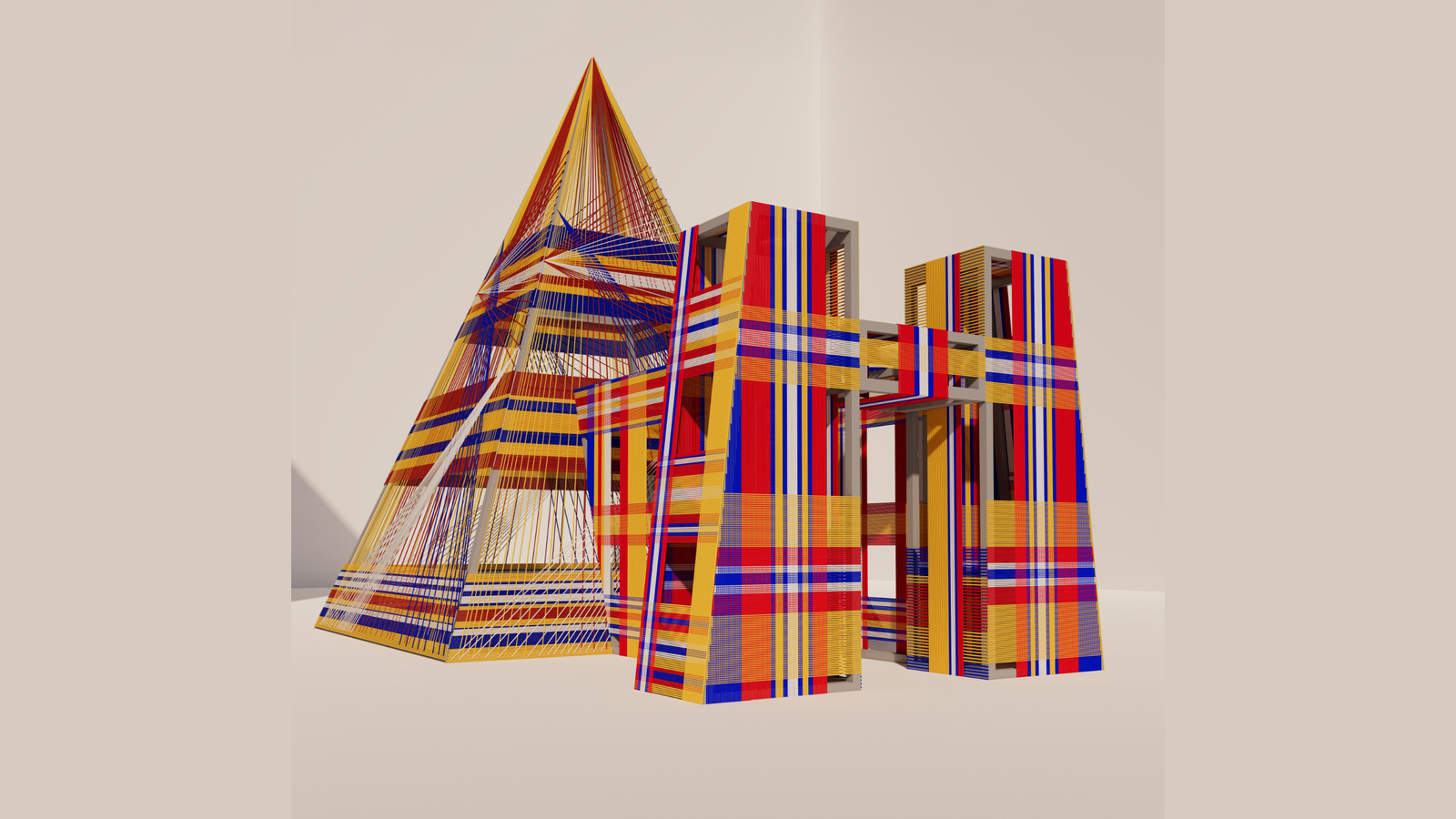
Photo: Studio Design LO
Threading the Ceremony
Threading the Ceremony, by Dubai-based Studio Design LO, is a spatial installation rooted in the Sudanese Jirtig, a traditional marriage ritual layered with symbolism and ancestral continuity. The work – centred on a steep, minimalist Nubian pyramid – reimagines this living ceremony as an immersive sculptural experience, inviting reflection on what it means to preserve ritual in a time of rupture.
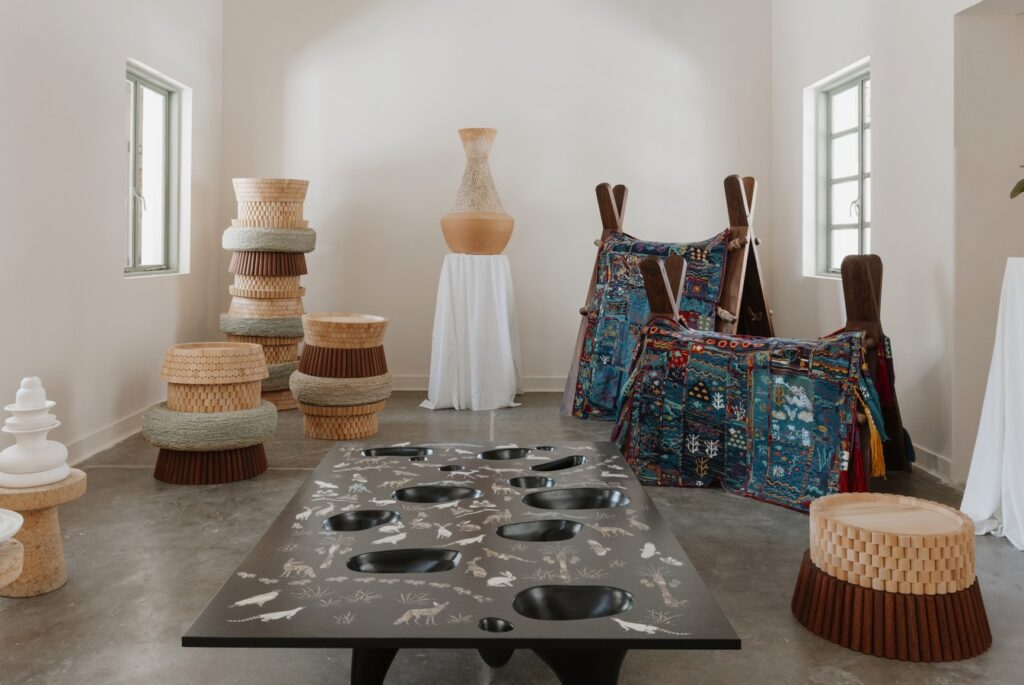
Photo: Estelle Lefevre
Bu’ed Nadhar – Beyond Immediate Vision
Presented by Liwan Design Studios and Labs, Bu’ed Nadhar – Beyond Immediate Vision brings together 32 works developed through five residencies and collaborative experiments by 16 artists from across the Gulf and neighbouring regions. Meaning “beyond immediate vision” in Arabic, the exhibition explores design as a reflective practice shaped by memory, material knowledge and cultural continuity. Engaging with Qatar’s landscape and locally sourced materials including clay, palm leaves, wood, fibres and sand, the projects explore craft as a living archive. Together, they examine how inherited practices, ecological conditions and contemporary experimentation can inform more resilient and contextually grounded approaches to design.
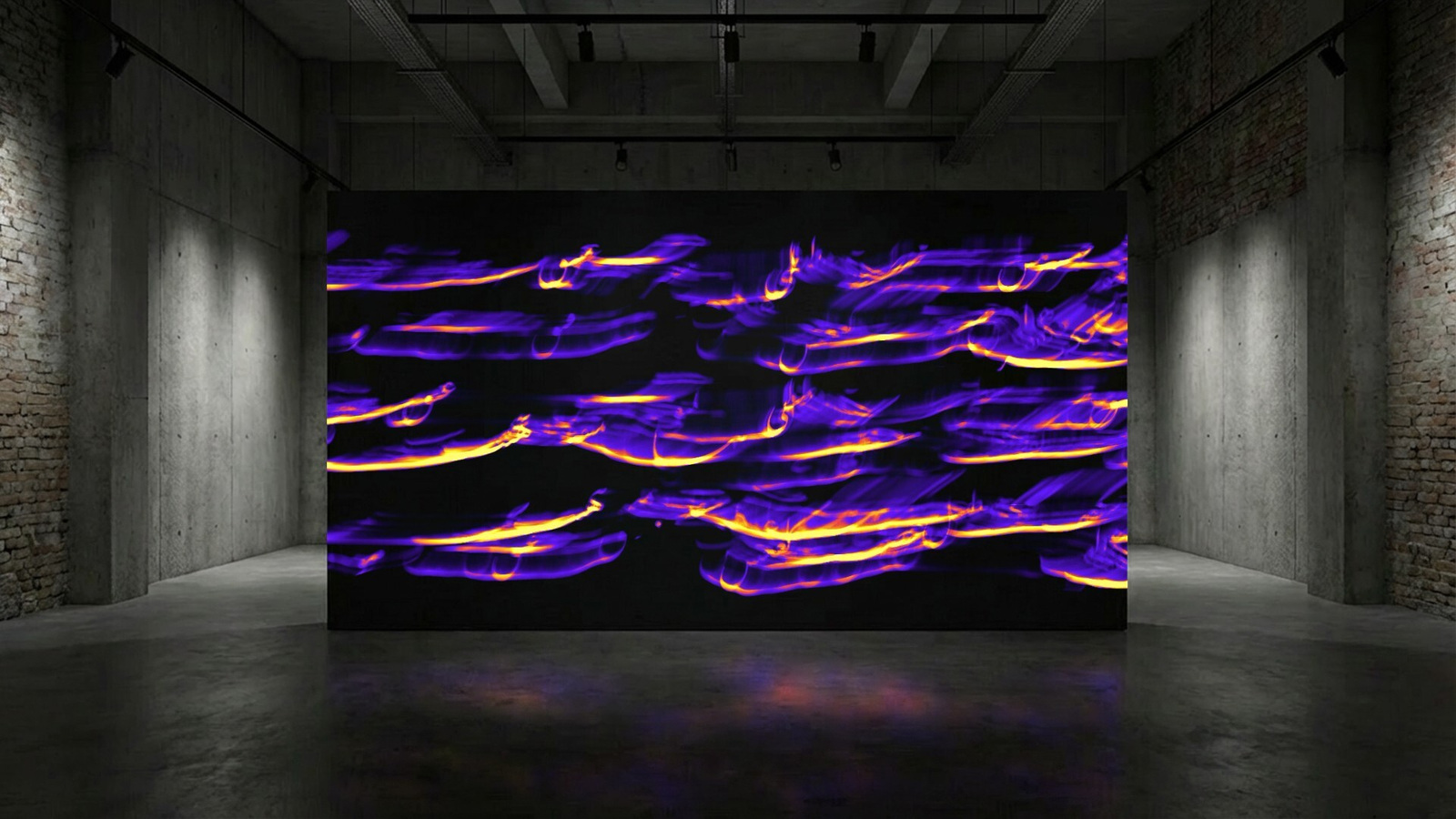
Photo: TypeAraby
Beyond the Letters
Beyond the Letters by TypeAraby explores the hidden dimensions of Arabic and Persian typography. By delving into the historical, geographical, spiritual, mystical and performative contexts of the script, the exhibition challenges the influence of Western-centric approaches to design discourse and practice. The exhibition presents a fresh perspective on contemporary design from the Middle East, north Africa and south Asia region that honours traditional practices and heritage that are often marginalised or misunderstood, and emphasises typography as a symbolic representation of language.
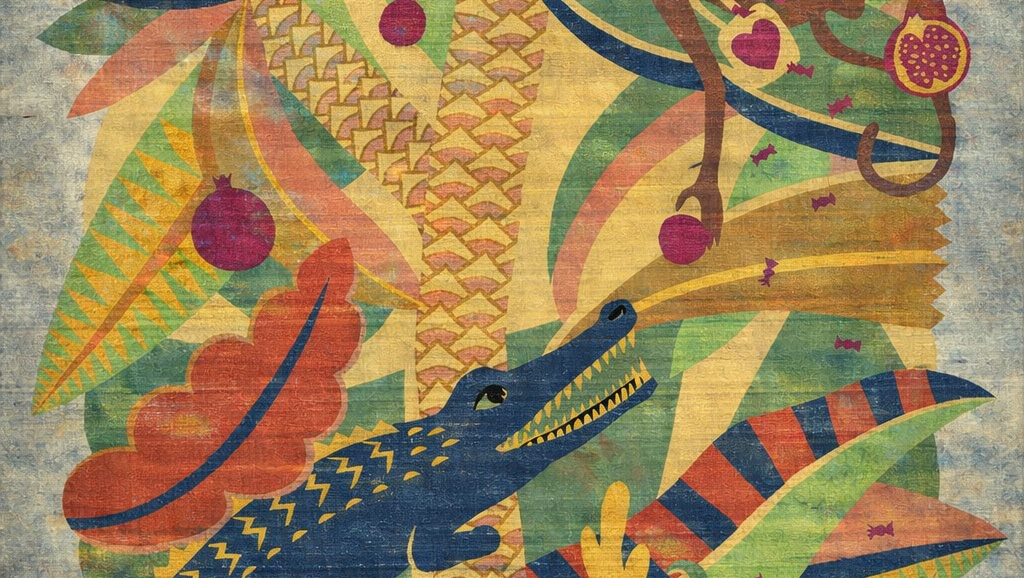
Photo: Iwan Maktabi
From Fable to Fiber: The Kalila wa Dimna Triptych
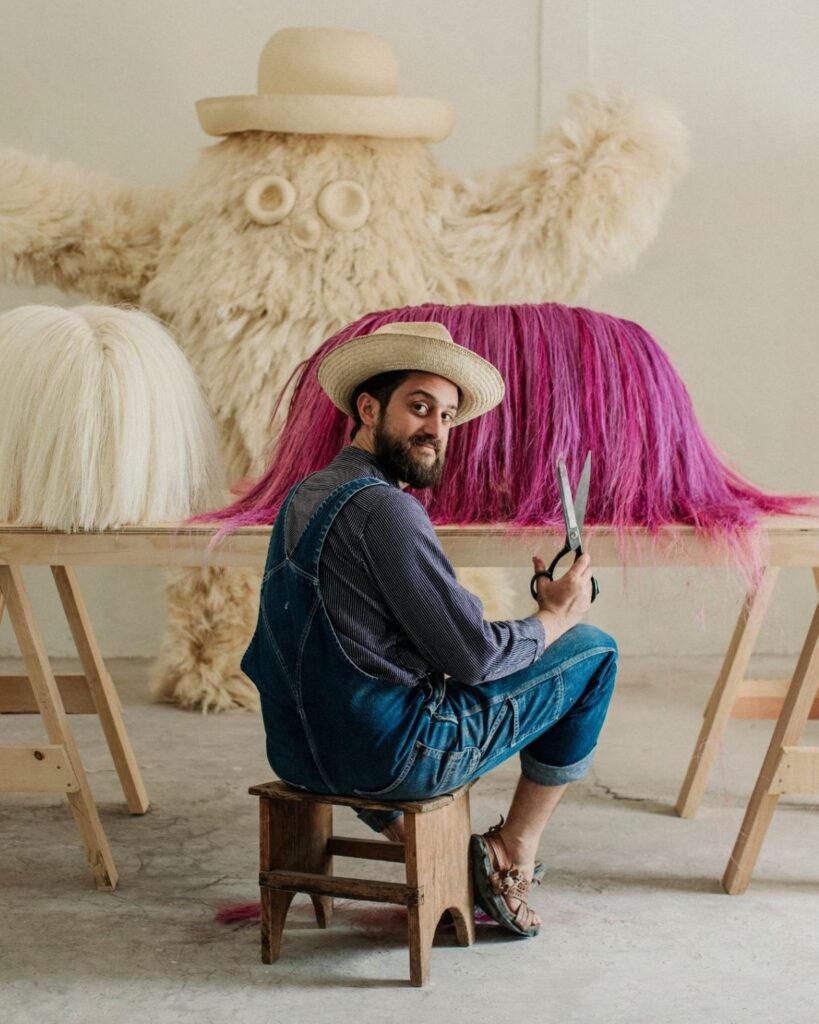
This contemporary triptych of hand-knotted textile works by French multidisciplinary artist and designer Louis Barthélemy, created in collaboration with rug specialist Iwan Maktabi, is inspired by the timeless animal fables of Kalila wa Dimna, first translated into Arabic in the eighth century. Reinterpreting these allegorical tales through a vibrant contemporary visual language, each wall-mounted rug merges traditional craftsmanship in wool and silk with playful modern symbolism. Together, these three works become richly layered narrative objects that explore the enduring relevance of these ancient stories, bridging past and present, east and west.
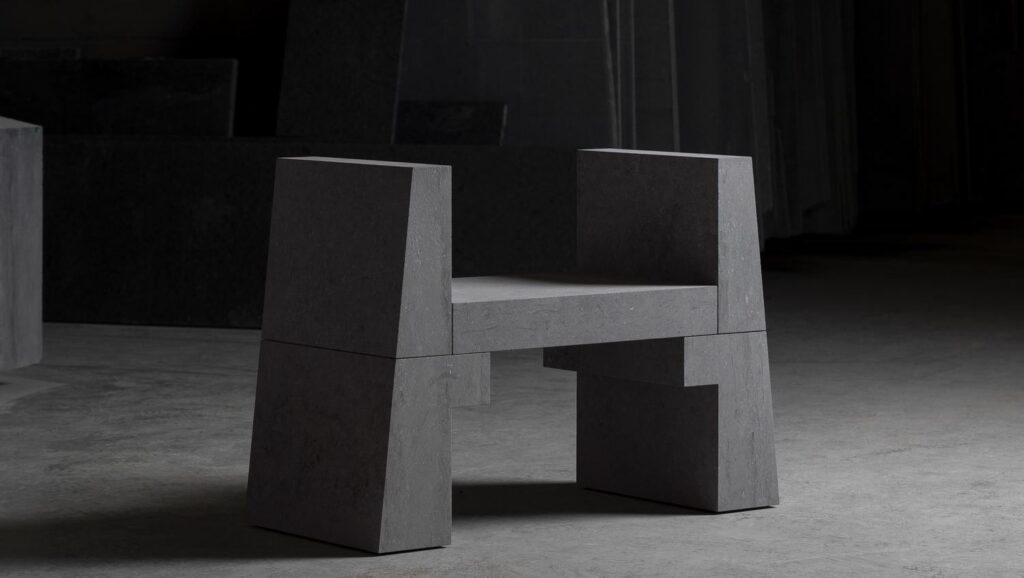
Photo: Tine de Beck
Traces of the Desert Light
Traces of the Desert Light presented by SANAE is an exploration of Doha’s distinctive luminosity, with light revealing and transforming surfaces as the day unfolds. Bringing together collaborative works across disciplines, the exhibition celebrates craft as shared knowledge rooted in dialogue and cultural exchange.
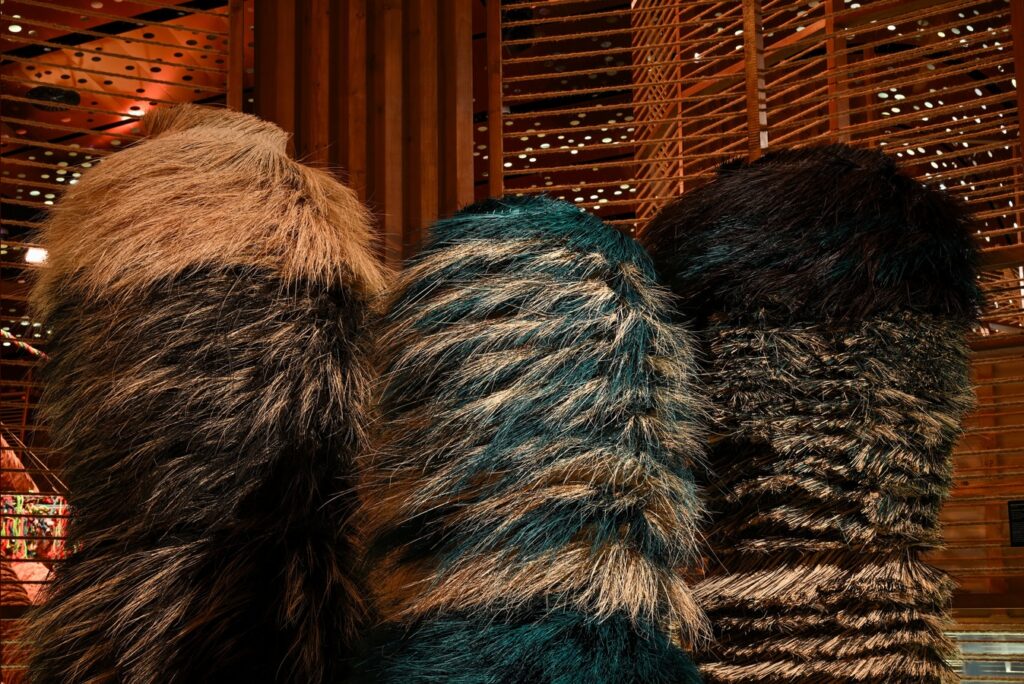
Photo: Yasir Alqunais
Rooted in Warmth
This travelling exhibition is the third project at Design Doha organised by Ithra. It presents the palm tree as a living legacy of the Arabian Peninsula: a symbol that has shaped cultural identity, livelihoods and the landscape for centuries. The works that are on display reveal how every part of the tree has been reinterpreted by contemporary designers, craftspeople and artists. The exhibition will be accompanied by a programme of talks and workshops.
No listings match this location.