- Art
- Autumn/Winter 2026-27
- October
Against the grain
The first major solo exhibition by Italian artist Giuseppe Penone in the Arab world brings together six decades of work exploring the forms and forces that connect all living things
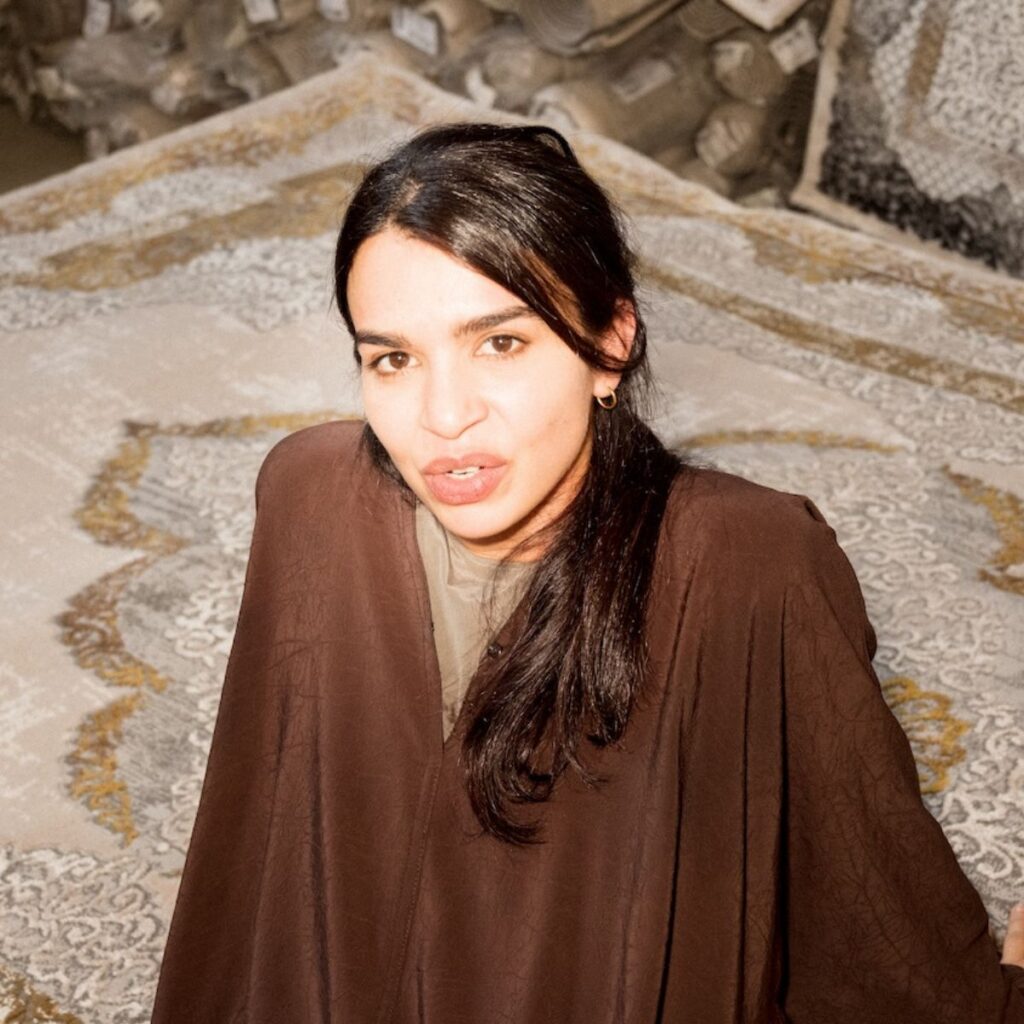
Words Rawaa Talass
At a time when the natural world is undeniably under threat, one artist is reconsidering the complex yet vital relationship between humanity and the environment. For the first time in Doha and the wider Arab region, the Italian artist Giuseppe Penone is the subject of a major exhibition, Giuseppe Penone: The Inner Flow of Life. On show at the National Museum of Qatar (NMoQ), the exhibition will showcase Penone’s large-scale yet intimate sculptures and installation pieces that explore his interest in the relationship between nature and humanity.
The works – which are exhibited across five pavilions in Al Baraha (the courtyard at NMoQ) and the rooms of the Old Palace – stretch back to Penone’s early days of practice in the late 1960s and include rarely seen maquettes and sketches. Many pieces can be traced to his involvement with Italy’s Arte Povera (literally “poor art”), the radical movement in which artists employed everyday materials in their practice, challenging the commercial art world.
In his work, Penone likens the forms of trees to the human body and other natural elements, an observation he made during a childhood spent in the mountainous Italian town of Garessio. “Observing trees, which appear firm and solid to us, I understood that their growth is actually fluid and similar to certain parts of the human body,” he says. “I was fascinated by their form, memorised in their bodies year after year. I saw in them a perfect example of sculpture, where every detail had the necessity of their existence. It is from these observations that my first works on the growth of trees were born.”
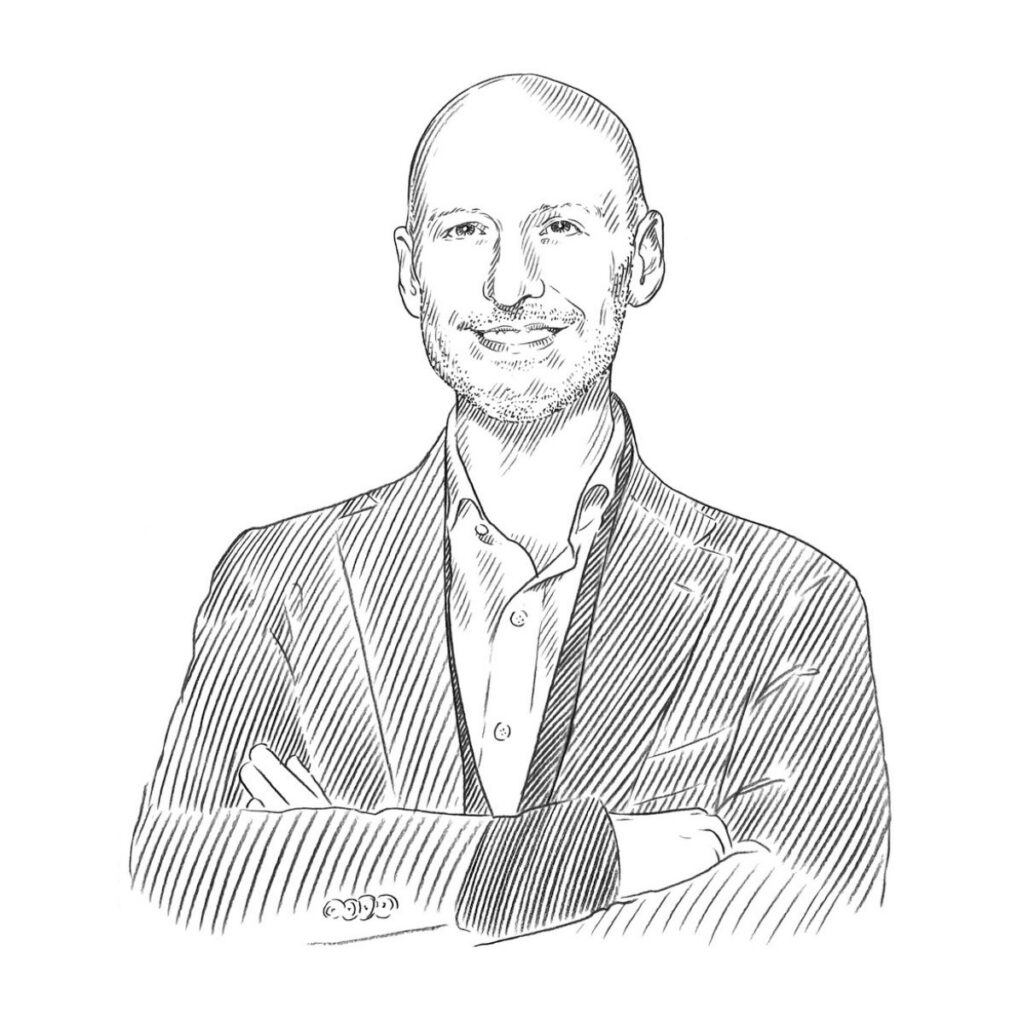
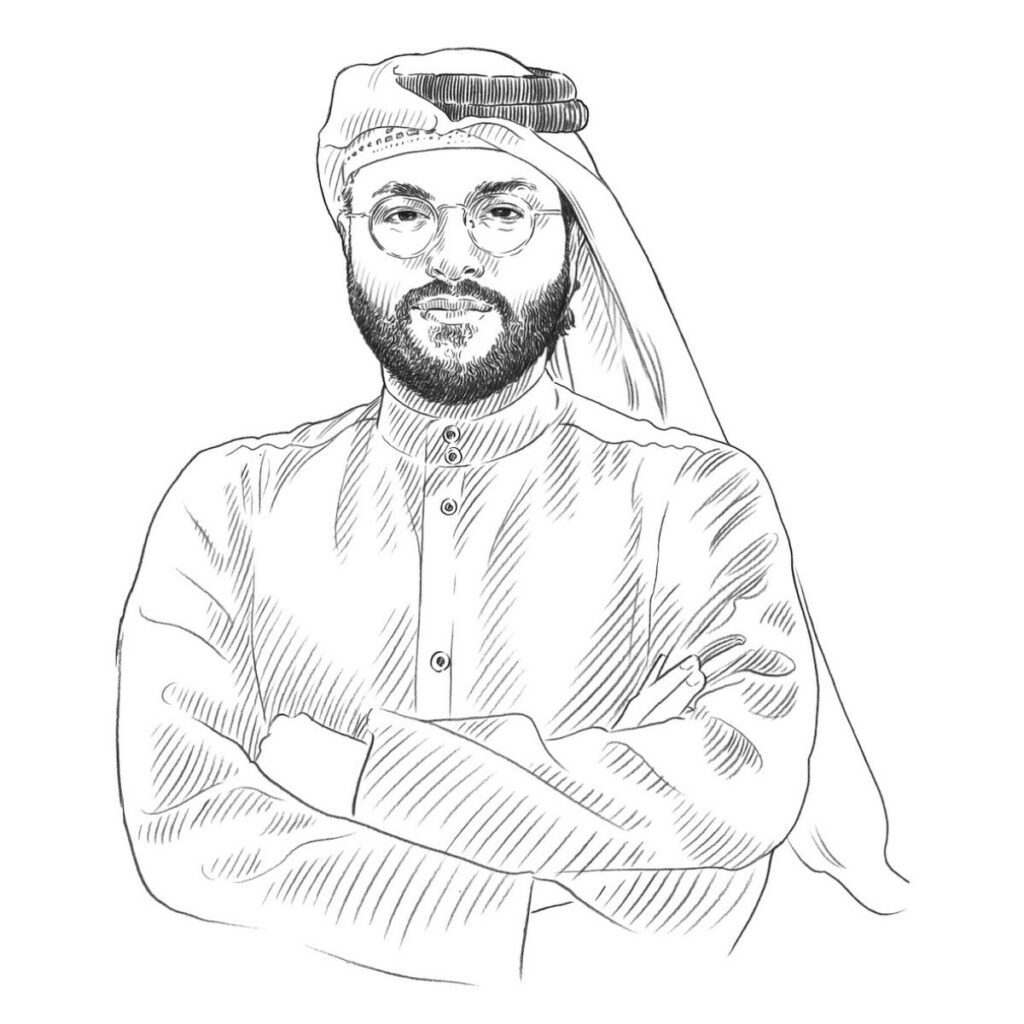
The exhibition is curated by the Swiss art critic Hans Ulrich Obrist, who has witnessed Penone’s artistic evolution over the years, and co-curator Issa Al Shirawi of Qatar Museums. “As a student and a young art lover who began to curate in the 1980s and 1990s, I was very inspired by how the plants, the wind, the river and other natural elements almost became like the co-authors of Penone’s artwork,” says Obrist.
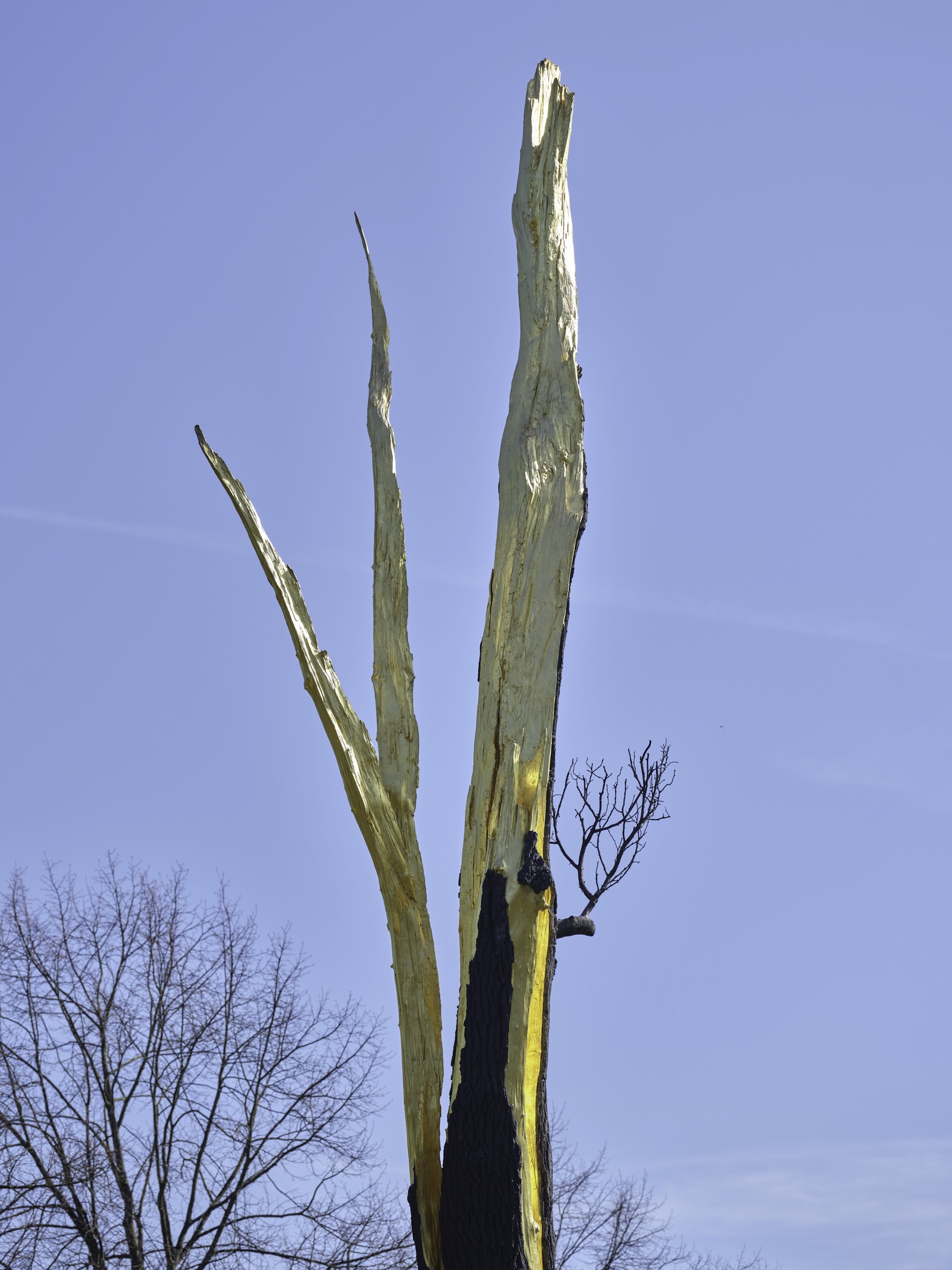
Penone’s Albero Folgorato (Thunderstruck Tree), 2012, installed in Kensington Gardens, London, in 2025. Photo: © George Darrell, courtesy of Giuseppe Penone and Serpentine
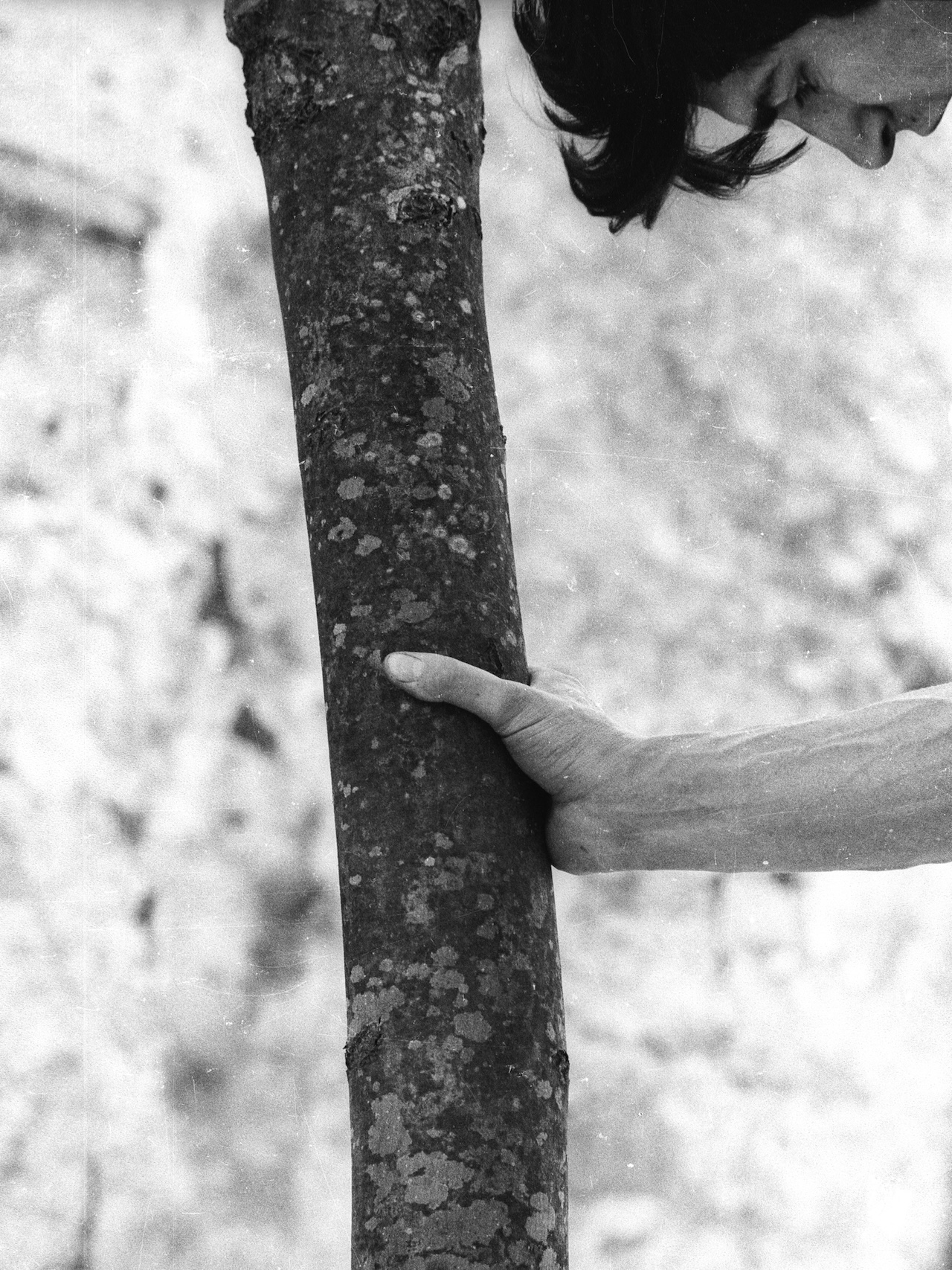
Photographic documentation of Penone’s action for Continuerà a crescere tranne che in quel punto (It Will Continue to Grow Except at That Point), 1968. Photo: © Archivio Penone
In 2025, Obrist, the artistic director of the Serpentine Galleries in London, co-curated Thoughts in the Roots, alongside curator-at-large, Claude Adjil, and assistant exhibitions curator, Alexa Chow. Penone’s works were displayed in the Serpentine Gallery and the surrounding Kensington Gardens, allowing visitors to flow between the inside and outside spaces. While a similar sense of movement is explored in the new exhibition in Doha, Obrist and Al Shirawi aimed to root the work in a local context.
“We don’t believe in the idea of travelling shows, which are just crated and shipped from one city to the next, because that’s very much homogenised globalisation and it doesn’t take the local context into account,” explains Obrist. “I think we need to think about how we can connect the local and the global.”
“We knew we wanted to focus on the mineral element, and the transition between the vegetal to the mineral in Qatar,” continues Al Shirawi. “We maintained, in line with Penone’s previous works with parks and gardens, the idea of working with both indoor and outdoor spaces.”
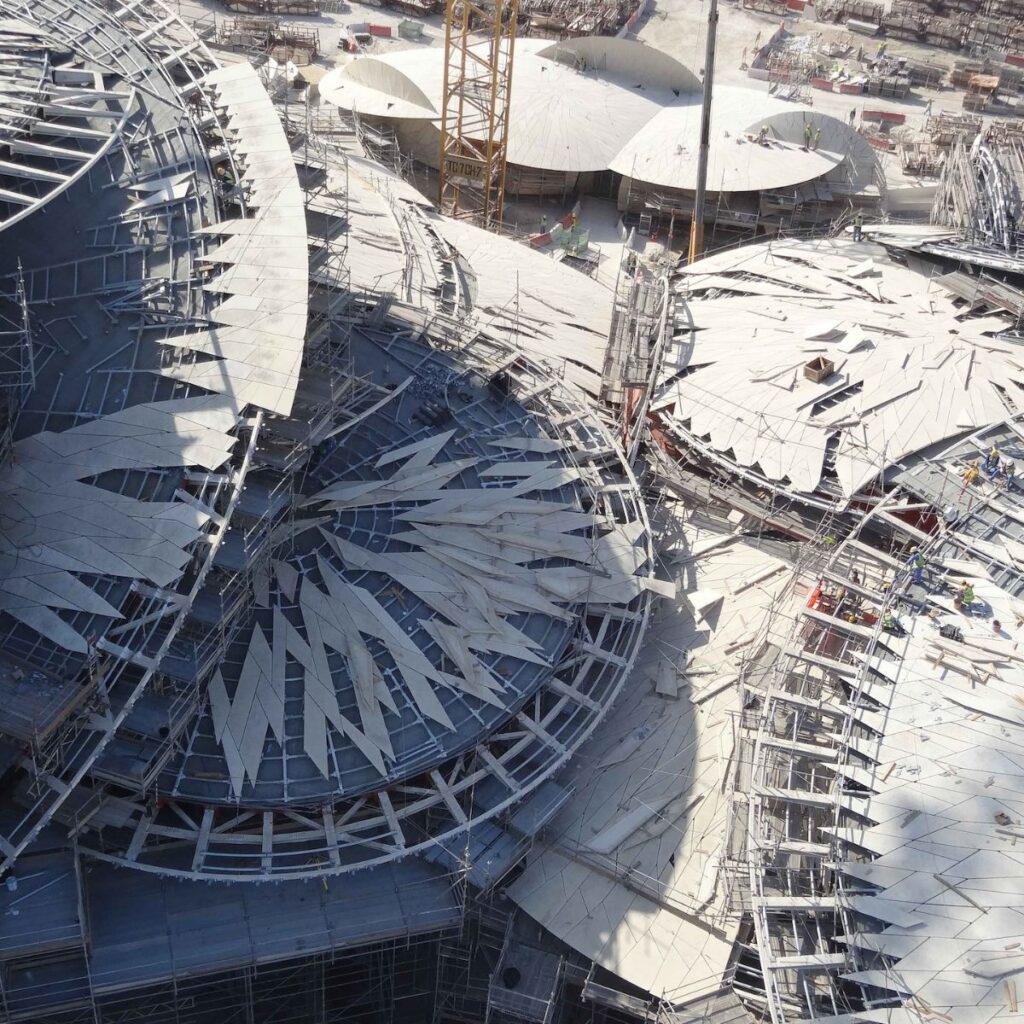
The location of this exhibition is particularly significant for Penone. The desert rose-inspired architectural form of the newer part of NMoQ was designed by French architect Jean Nouvel, one of Penone’s oldest friends, and the dramatic, nature-inspired architecture sits in perfect dialogue with Penone’s work. “He wanted to treat the museum as a sculpture, surrounded by an archipelago of different rooms, which we built,” says Obrist.
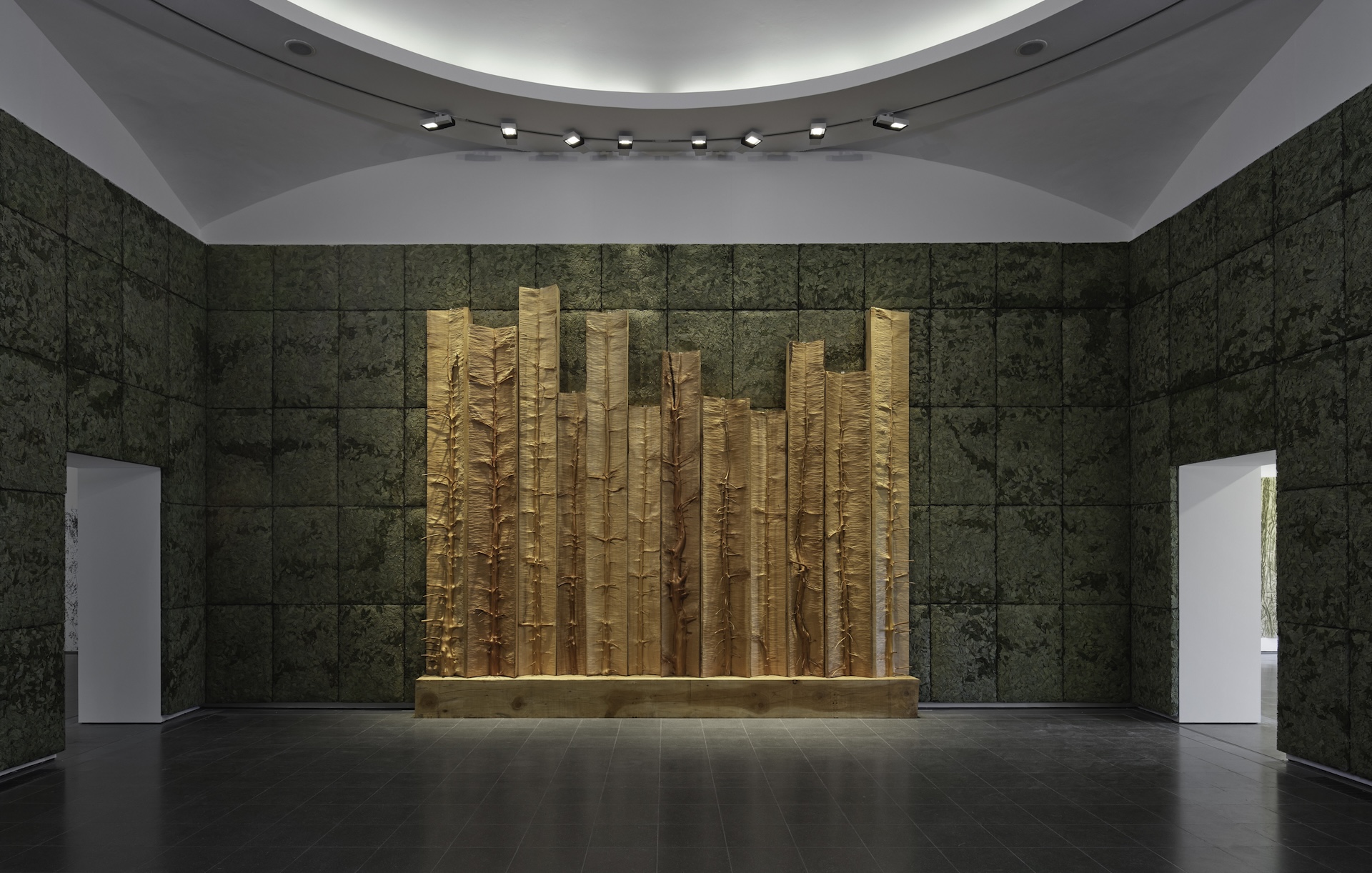
Alberi libro (Book Trees), 2017 and Respirare l’ombra (To Breathe the Shadow), 2000, at the Serpentine South in London. Photo: © George Darrell, courtesy of Giuseppe Penone and Serpentine
Described by Obrist as an “exhibition within an exhibition”, every pavilion has its own presence and is designed to be experienced as a meditative, immersive space, highlighting different elements of Penone’s practice.
“Penone’s work and practice is not only an invitation to slow down but also to look at the world in a different way,” explains Al Shirawi. “His work calls for a reflection on and understanding of the relationship between the different elements of our worlds – the raw, manufactured, vegetal, animal and mineral – that have long existed but are often overlooked.”
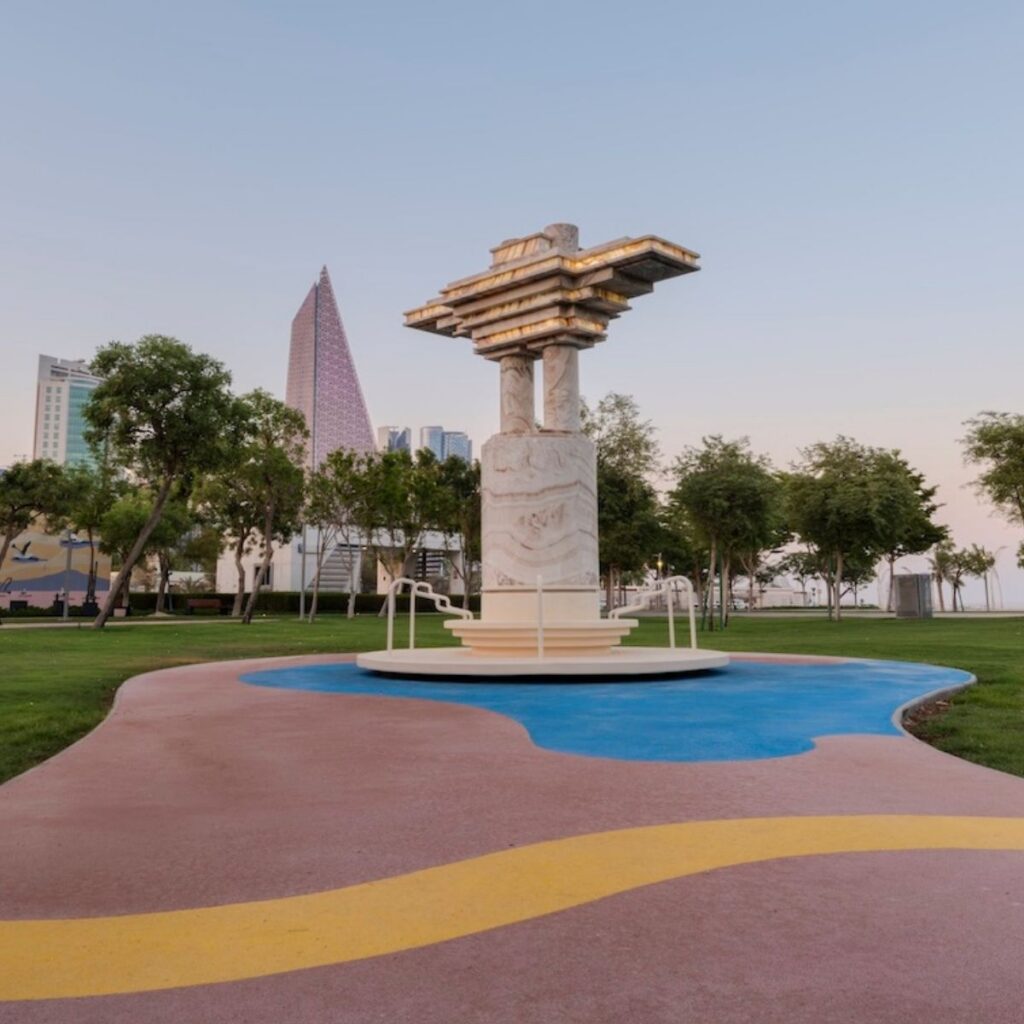
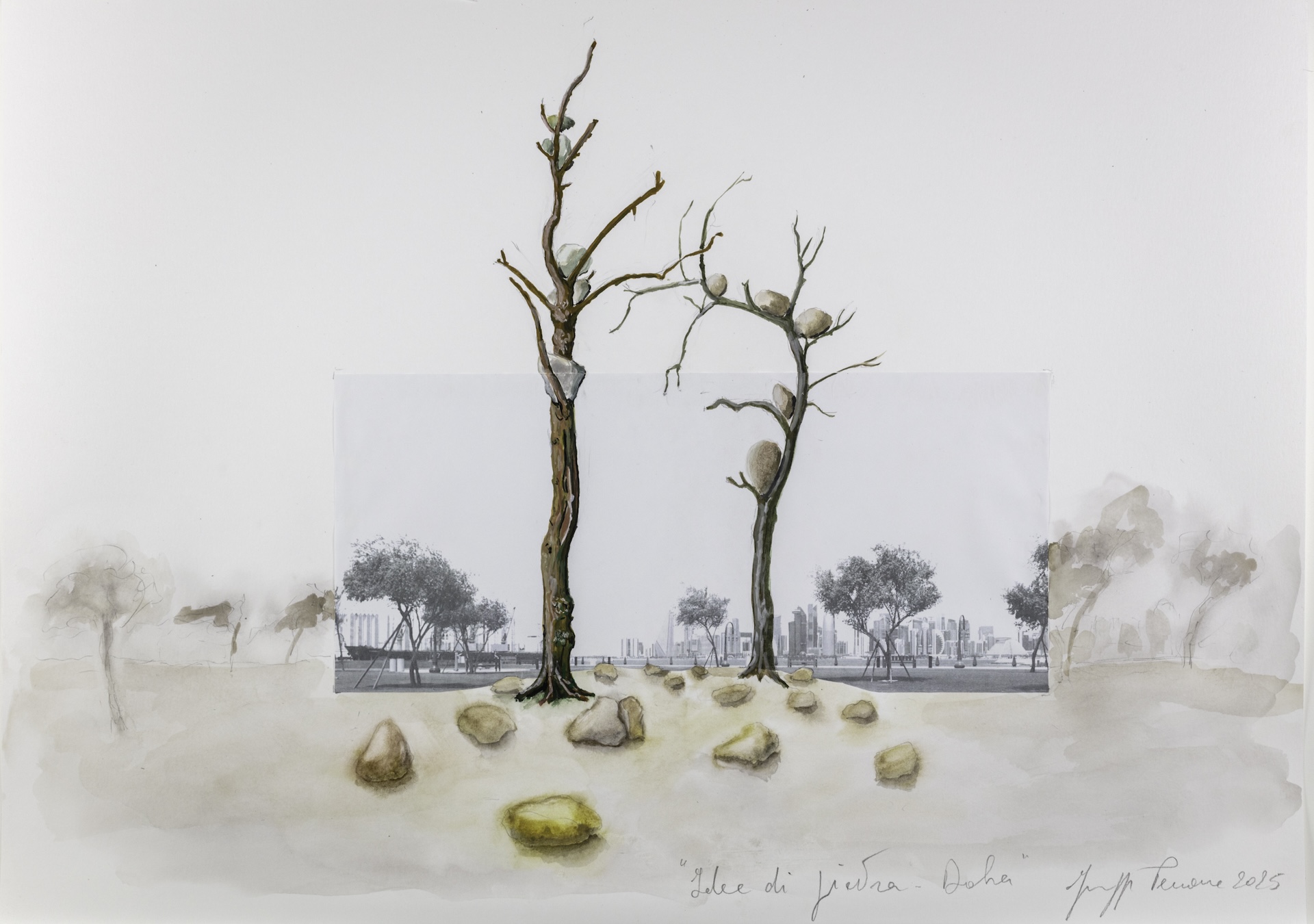
The exhibition features many works from Penone’s ongoing series Alberi (Trees), 1969-, Propagazioni (Propagations), 1995-, Soffio (Breaths), 1977-, and Anatomie (Anatomies), 1993-. Other key works in the exhibition include Albero Folgorato (Thunderstruck Tree), 2012, in which Penone recreates how he once encountered a tree struck by lightning, casting it in bronze with a touch of gold; and Idee di Pietra (Ideas of Stones), 2004-10, which features the branches of a tree holding large river stones. This piece has been permanently placed in the Old Port of Doha, where visitors can interact with it all year round as part of Qatar Museum’s Public Art programming. Through these pieces, there is a sense of delicacy, ageing, vulnerability and resilience, but also testimony to Penone’s interest in experimenting with materials.
“Observing trees, which appear firm and solid to us, I understood that their growth is actually fluid and similar to certain parts of the human body”
Giuseppe Penone
“Humans move through space and even their mere presence interferes with the environment,” says the artist. “Their every step alters the soil, their breathing alters the air around them. It is impossible to think of humanity without thinking of the environment, because human existence itself depends on that of the environment, and therefore it is in our interest to preserve it. My work seeks to be in tune with this need. I hope that the works on display will inspire in visitors the same sense of wonder I experienced working with diverse materials and finding in each of them the vital flow that winds through all of creation, even in what is seemingly inert.”
Giuseppe Penone: The Inner Flow of Life is on until 13 February 2027
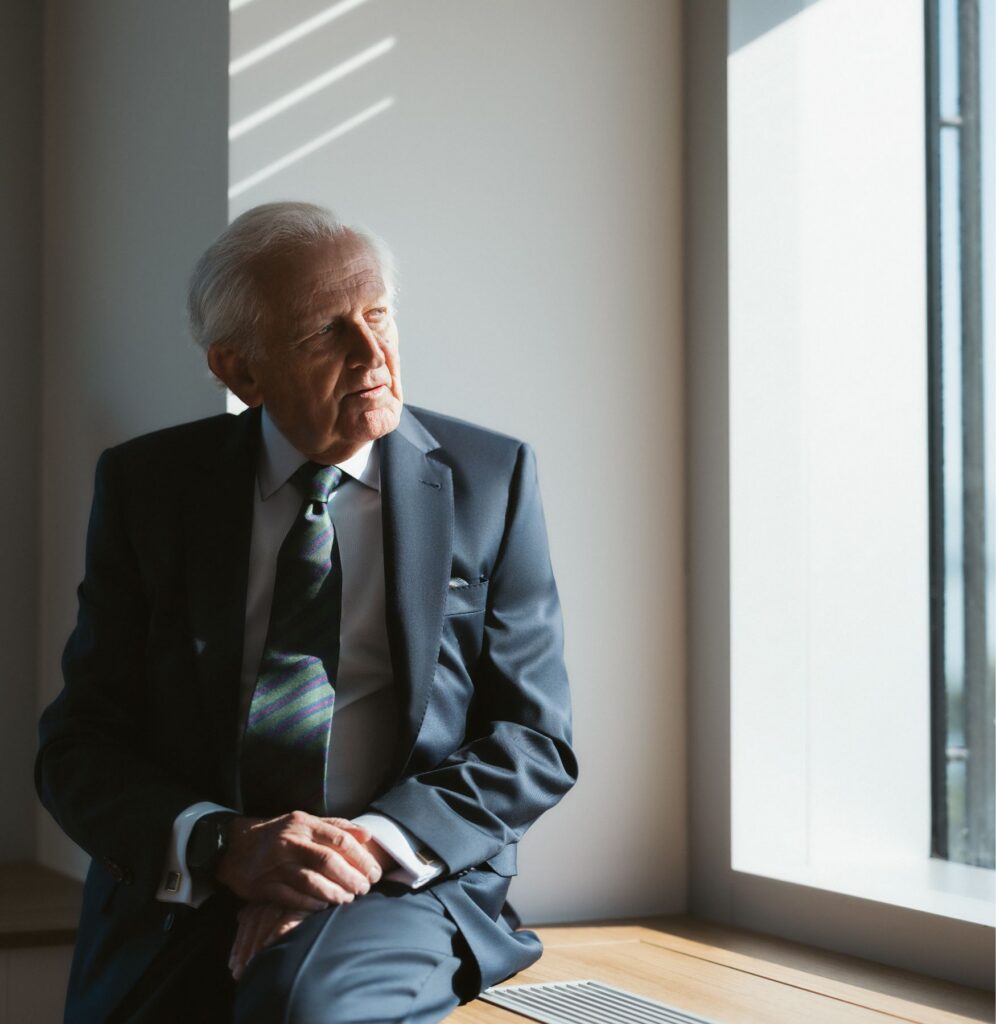
Cover image: Giuseppe Penone with one of his sculptural works. Photo: © Archivio Penone