- Fashion
- Spring/Summer 2026
- April
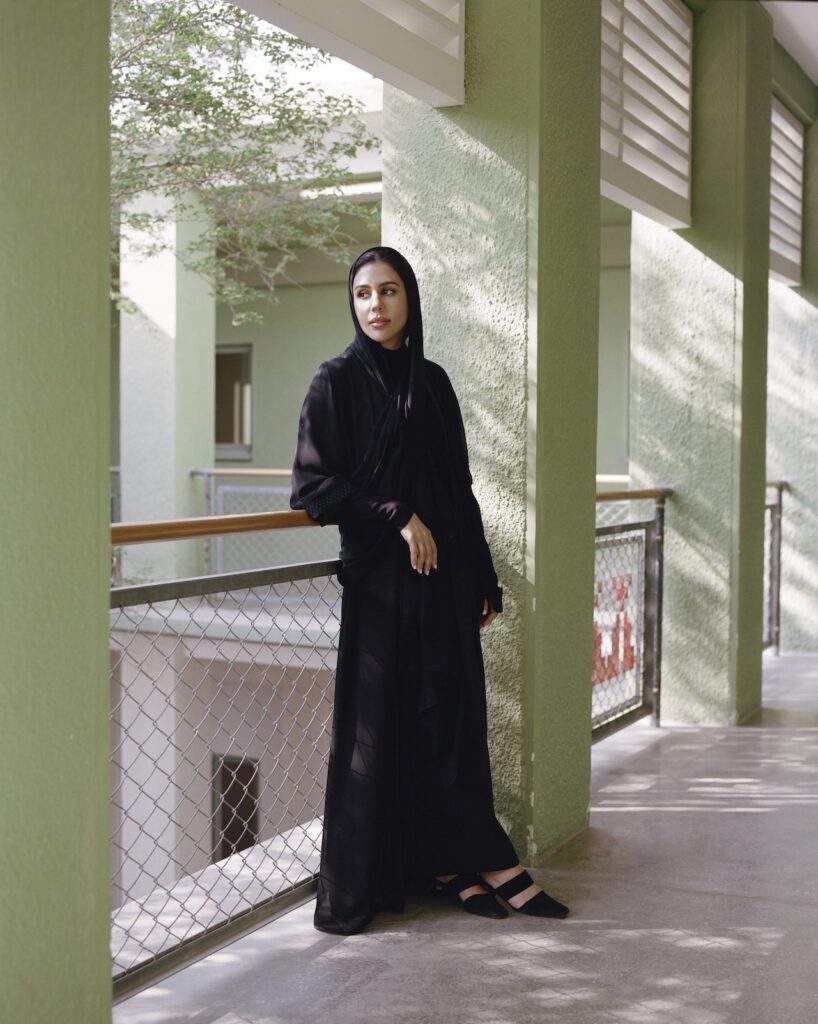
Tania Fares
Fashion Trust Arabia co-founder Tania Fares discusses nurturing talent, building global networks and defining a new generation of designers
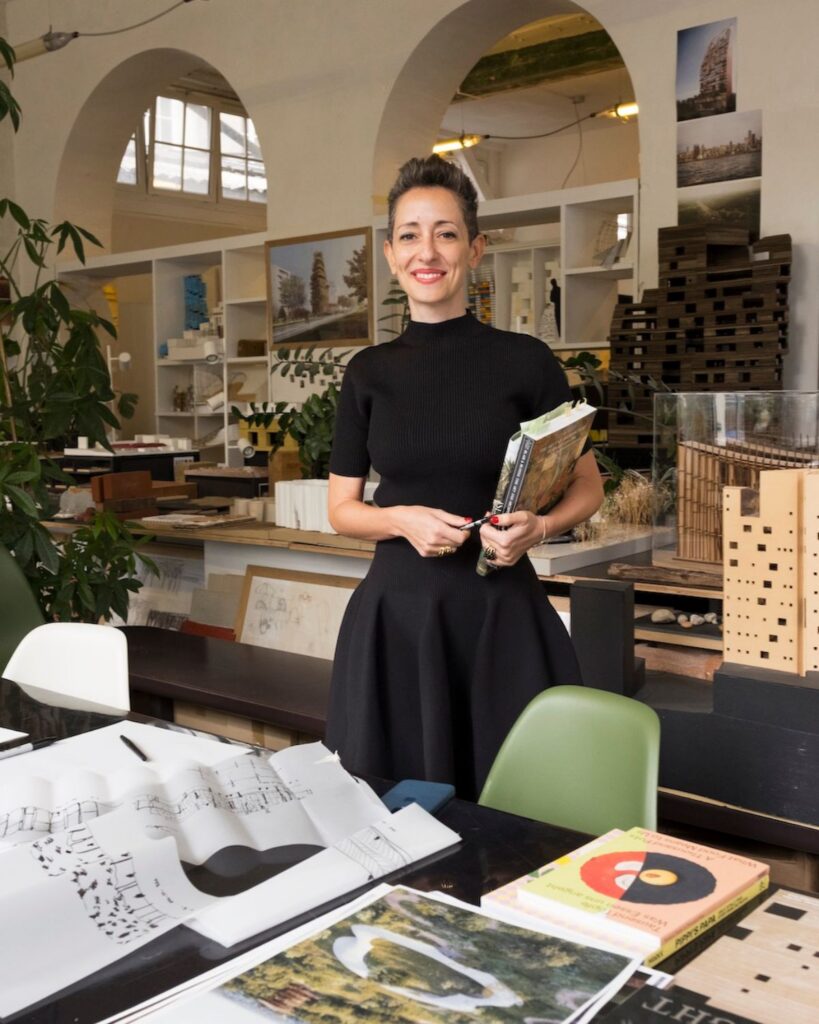
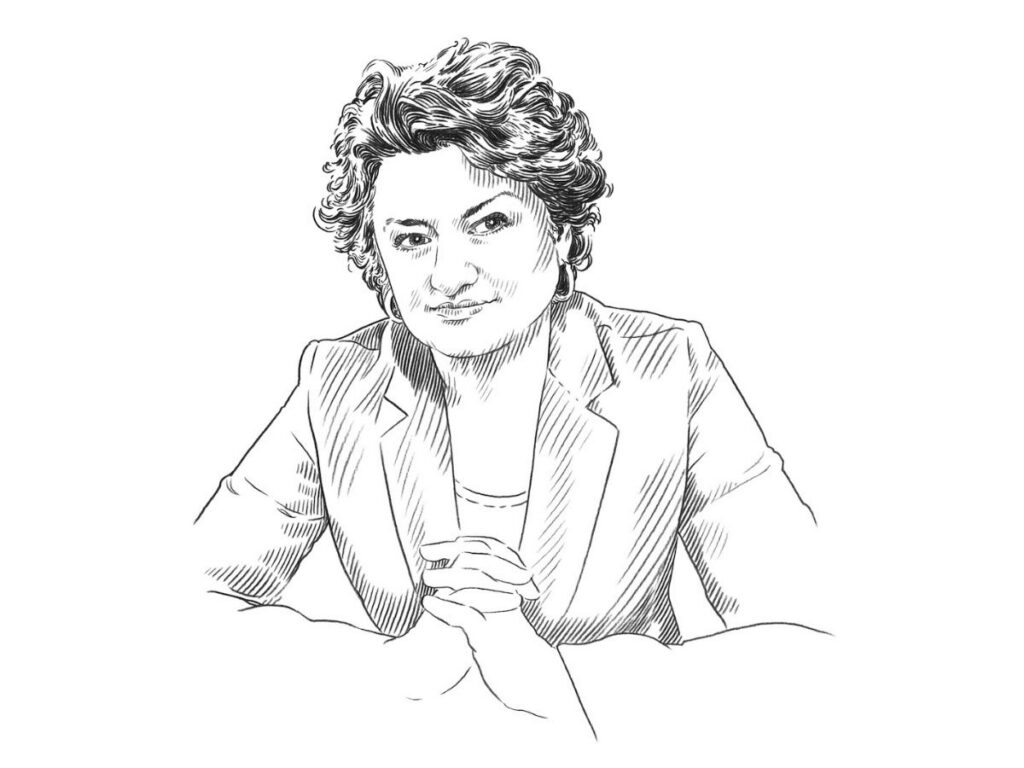
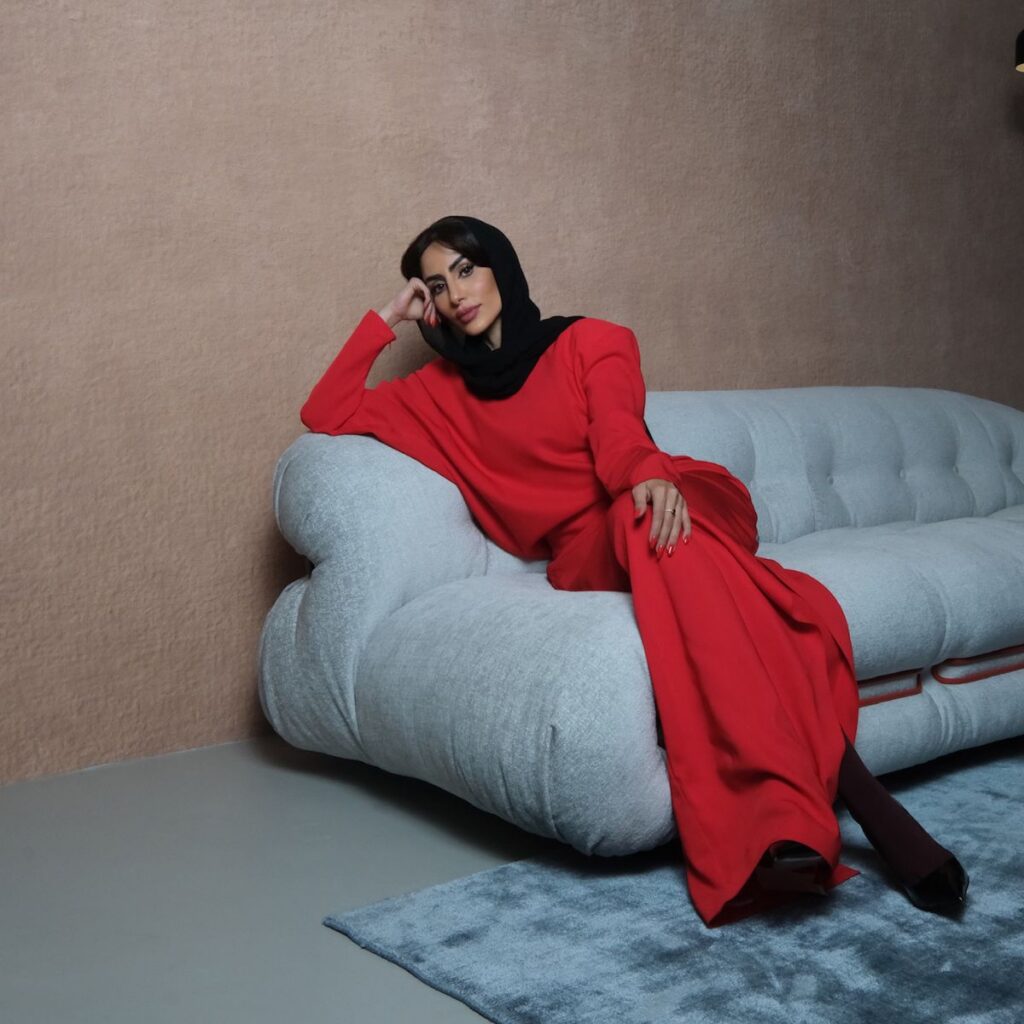
Lebanese fashion entrepreneur and philanthropist Tania Fares is one of the industry’s most influential behind-the-scenes figures, shaping how emerging designers access funding, mentorship and global visibility. Raised between Beirut and Paris and now working internationally, she co-founded the British Fashion Council’s Fashion Trust in 2011 before launching Fashion Trust Arabia (FTA) in 2018 and Fashion Trust US in 2022. A long-time contributor to British Vogue and a passionate advocate for creative entrepreneurship, Fares has built a reputation for connecting regional talent to international networks. She reflects on the evolution of Fashion Trust Arabia and the responsibility of helping to define a new generation of designers.
What is the mission for FTA and its annual awards programme, the FTA Prize?
Tania Fares The ongoing mission of FTA is to champion emerging talent from the Arab world and give it the visibility it deserves. We are heading into our eighth edition of the FTA Prize, which is about more than celebrating a single moment. We support winning designers through financial grants, mentorship programmes, retail partnerships and international media exposure. Our mentorship programme for winners, for example, has grown from a single morning into three days with 22 speakers. And, every month throughout the year, the winning designers are mentored by different fashion experts in areas such as merchandising, e-commerce and business growth. We want to push our winners to succeed and grow, and this ongoing support helps them to build sustainable, long-term businesses in the fashion industry.
How has the FTA Prize evolved since the first edition was held in 2018?
Tania Fares Since we started, the spotlight on creativity from our region has grown so much. I remember in the early years I would call people in the fashion industry and ask if they wanted to be on the advisory board or to be a judge, and they would say: “Are there designers in the region other than Zuhair Murad and Elie Saab?” And I would say, “Yes, of course there are so many.” Some people were just not aware that the Middle East has so much creativity. And now they are.
Alongside this interest, the talent in the region is becoming stronger. I'm seeing more and more designers who really believe in themselves and want to celebrate their culture. The number of applications has grown hugely. In our first year we got around 300 applications; now we get more than 1,300, and every designer in the region wants to be involved with the FTA Prize.
What defines the FTA Prize 2025?
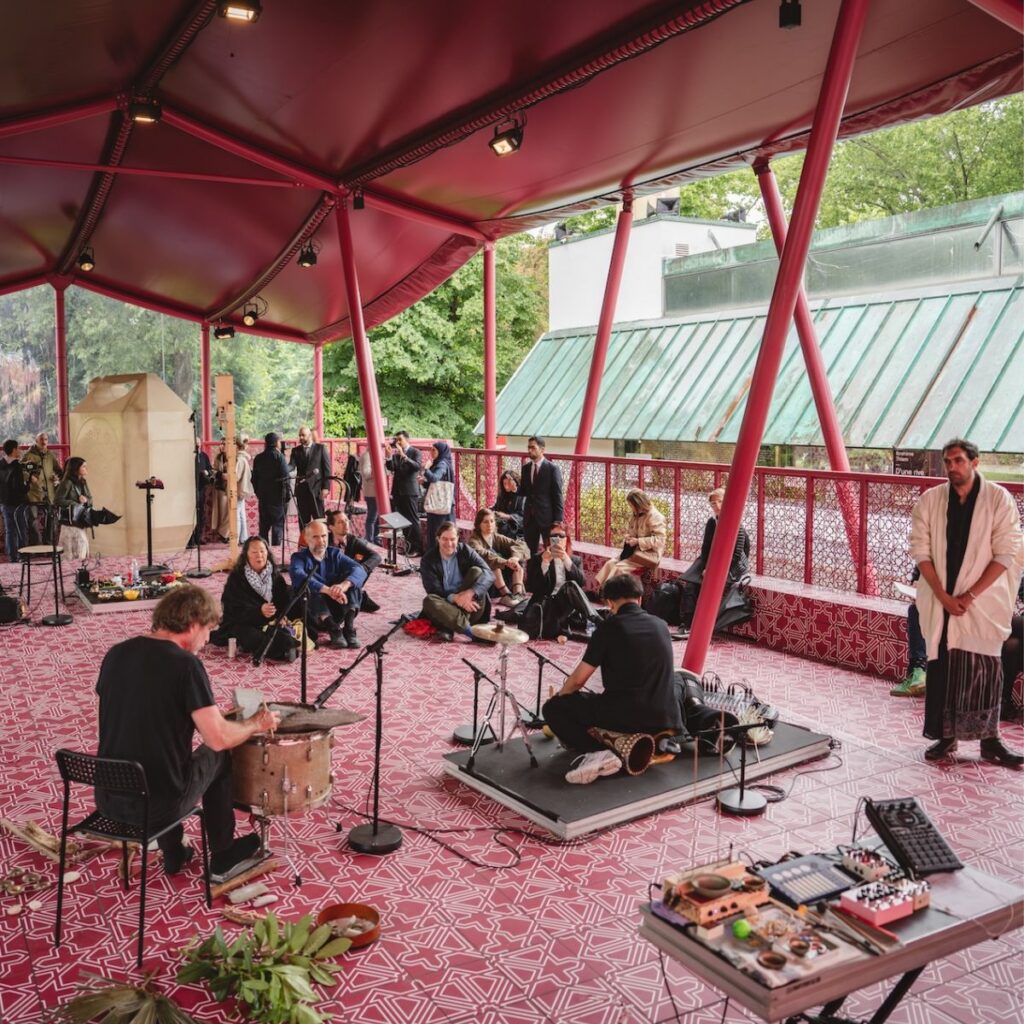
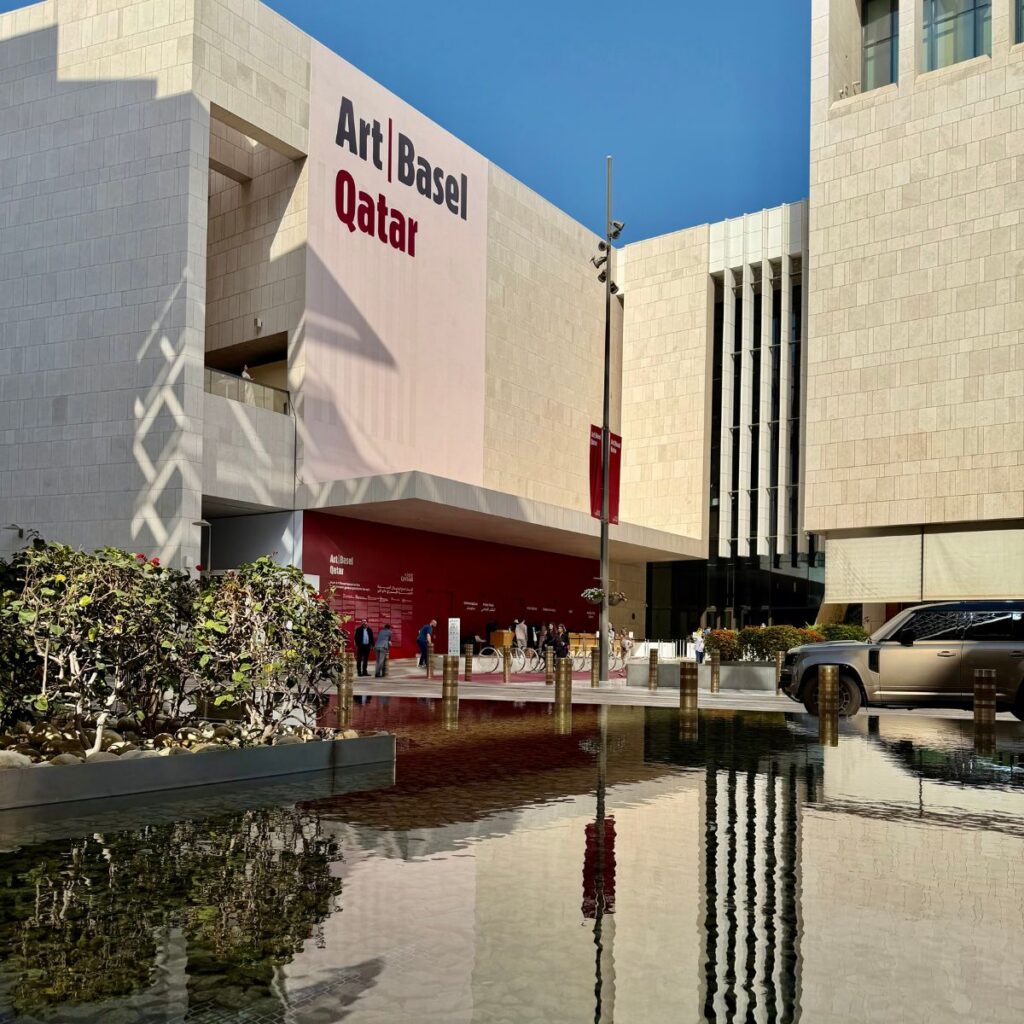
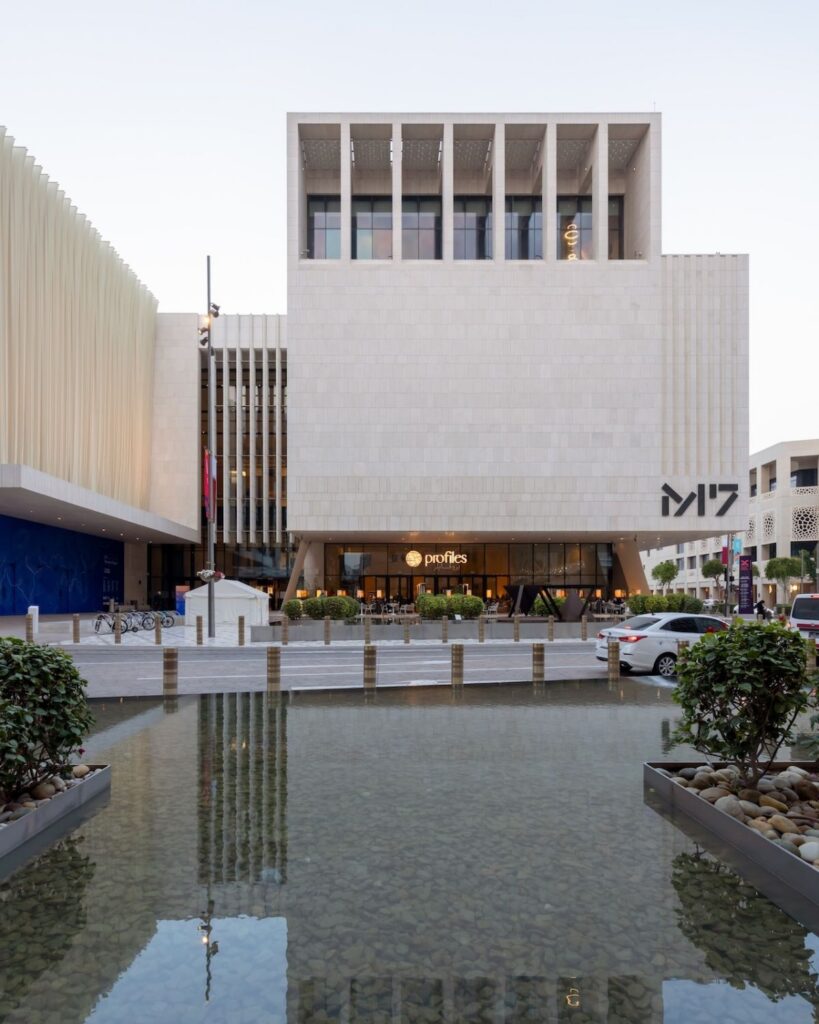
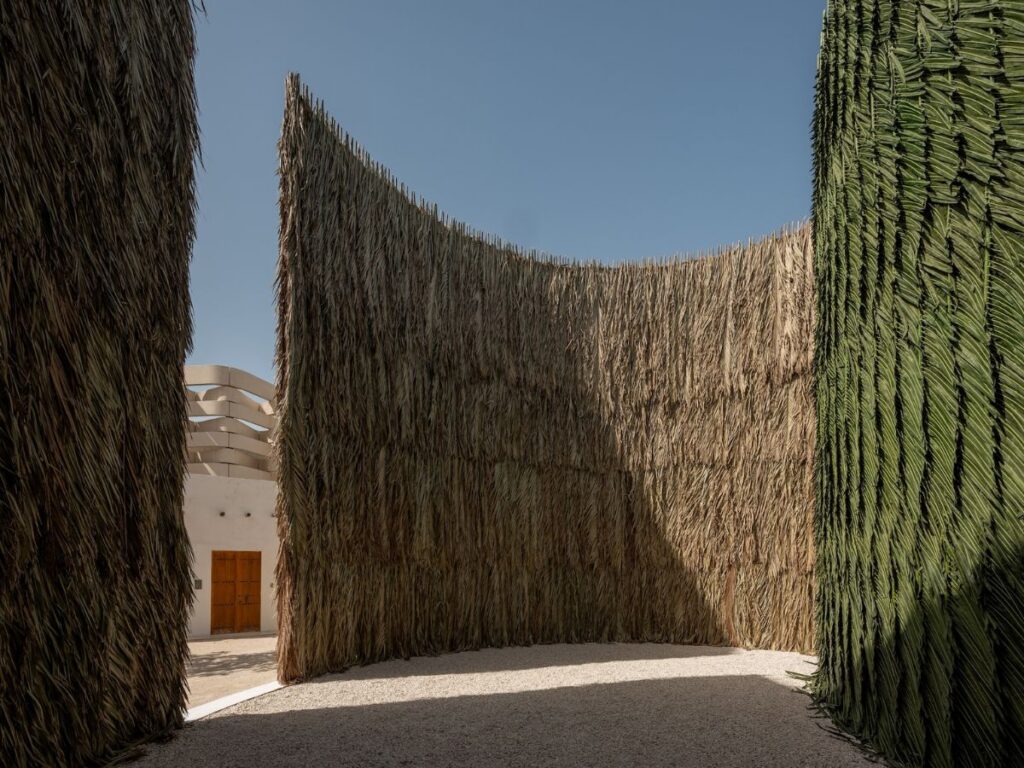
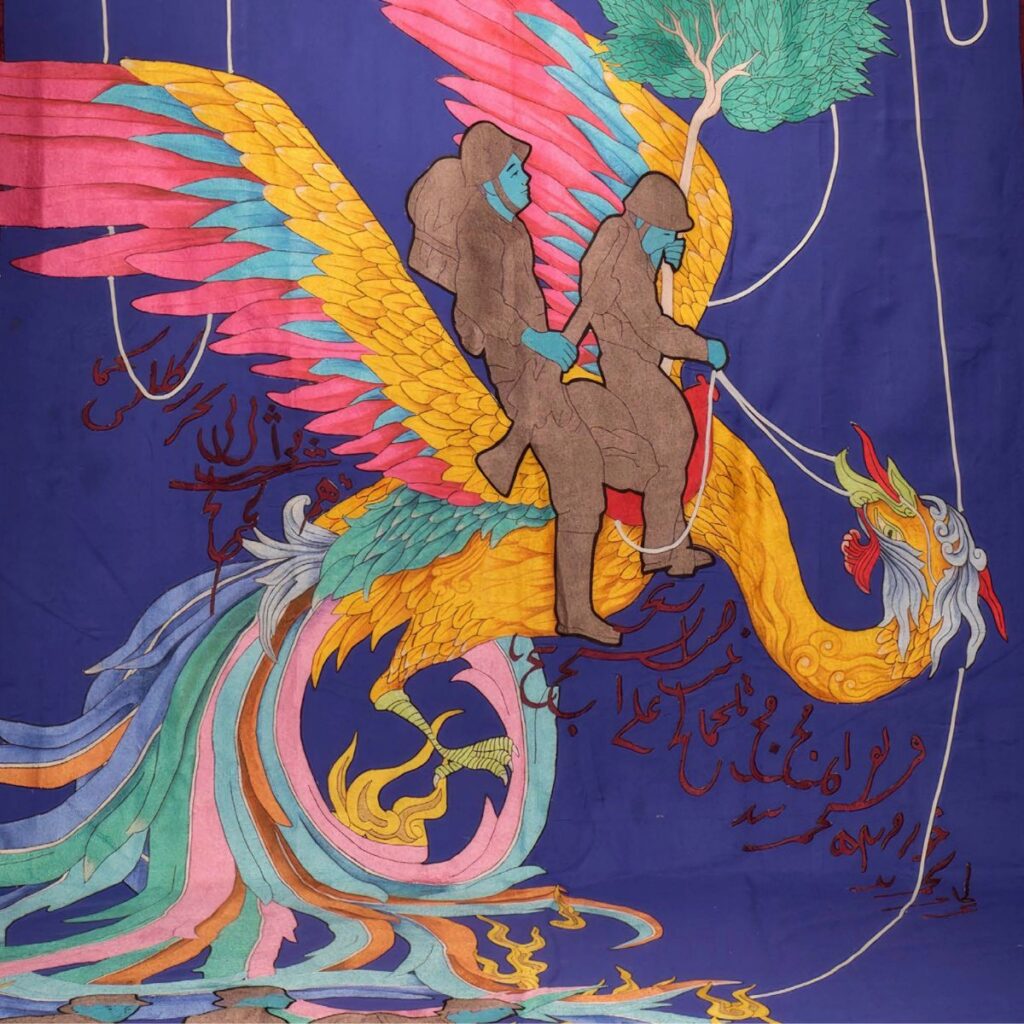
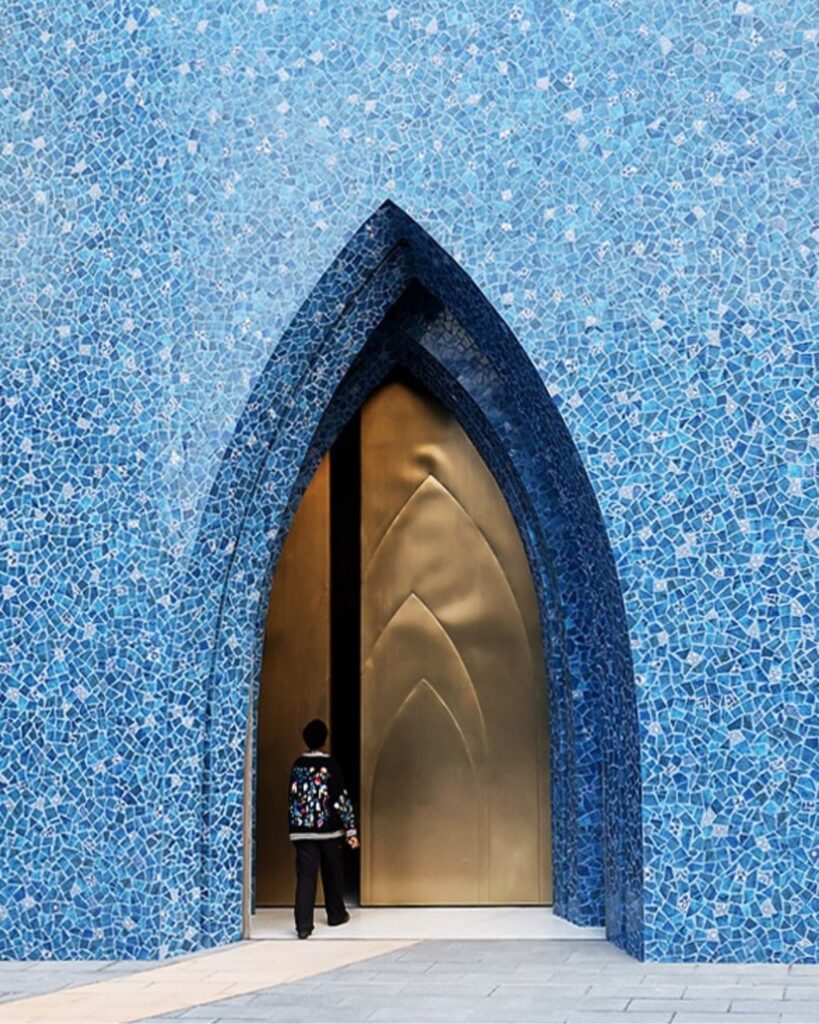
Tania Fares This edition felt like a true reflection of how far we've come. During the judging, we staged Threads of Impact at M7 in Msheireb Downtown Doha, an exhibition celebrating seven years of FTA supporting talent and the lasting mark our designers have made. The exhibition was curated by Omoyemi Akerele, the founder of Lagos Fashion Week, and she did an amazing job. The showcase highlighted more than 80 designers from the Middle East and North Africa (MENA) region through seven thematic “threads”. It was a very emotional moment for me as it felt both celebratory and forward-looking.
What does it take to be an FTA winner?
Tania Fares A very strong sense of identity. The work of our winners is deeply rooted in culture and heritage, yet they think globally. They always take something from their culture – from their grandmother, from the way they were brought up. There is also a commitment to craftsmanship, which is very important in our region.
Our latest winners show a region that is confident, entrepreneurial and globally aware. There is a focus on storytelling and sustainability, and on building brands with substance.
What do you look for when selecting judges?
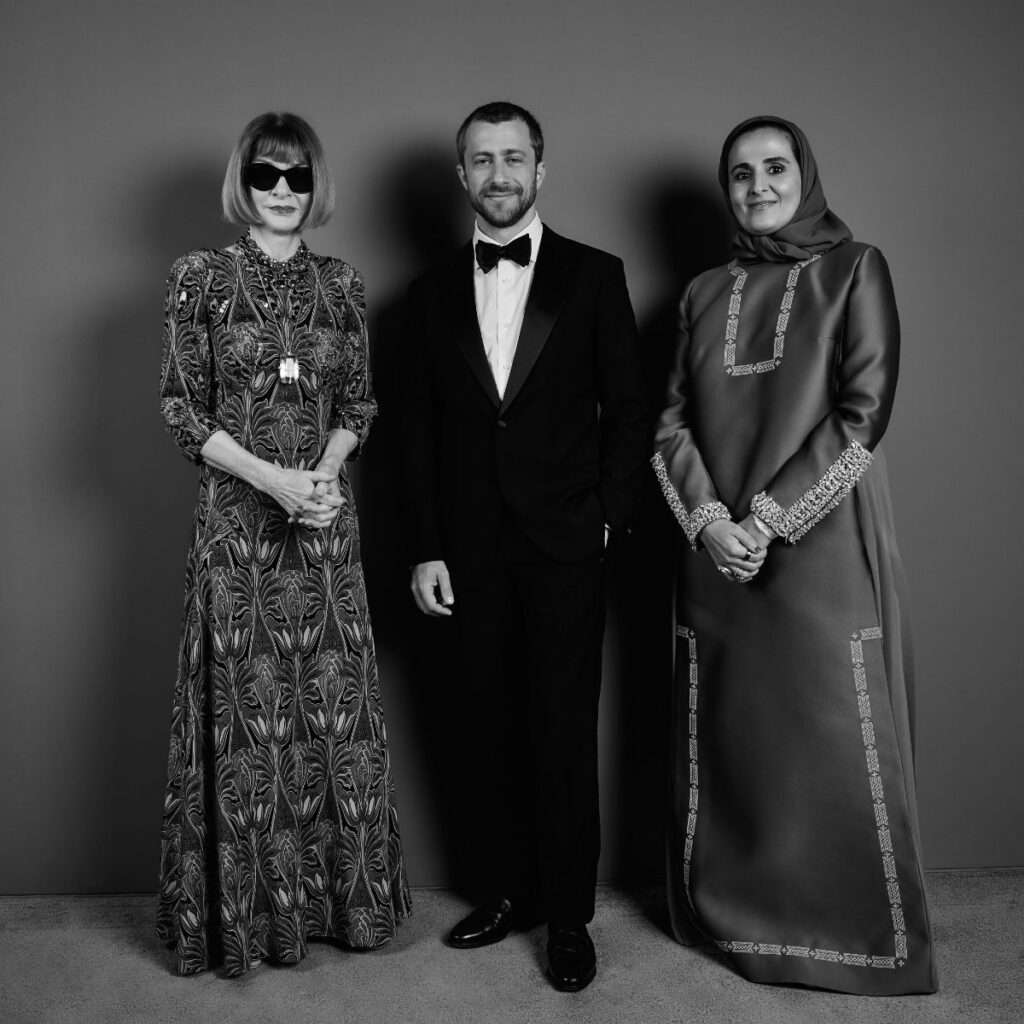
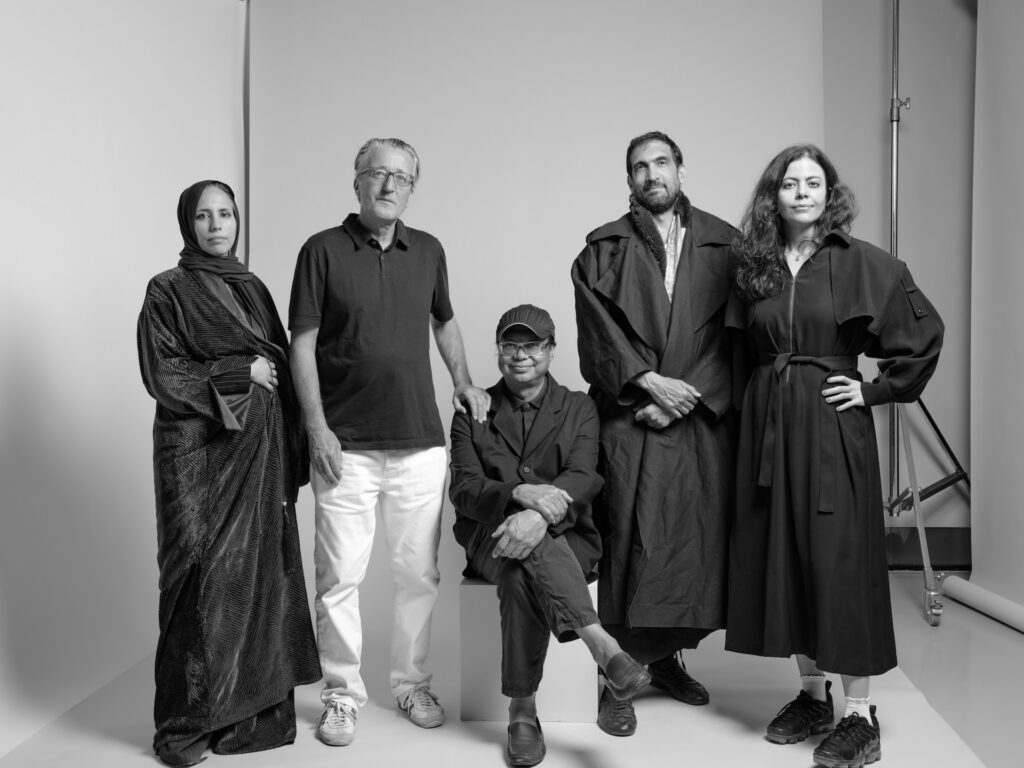
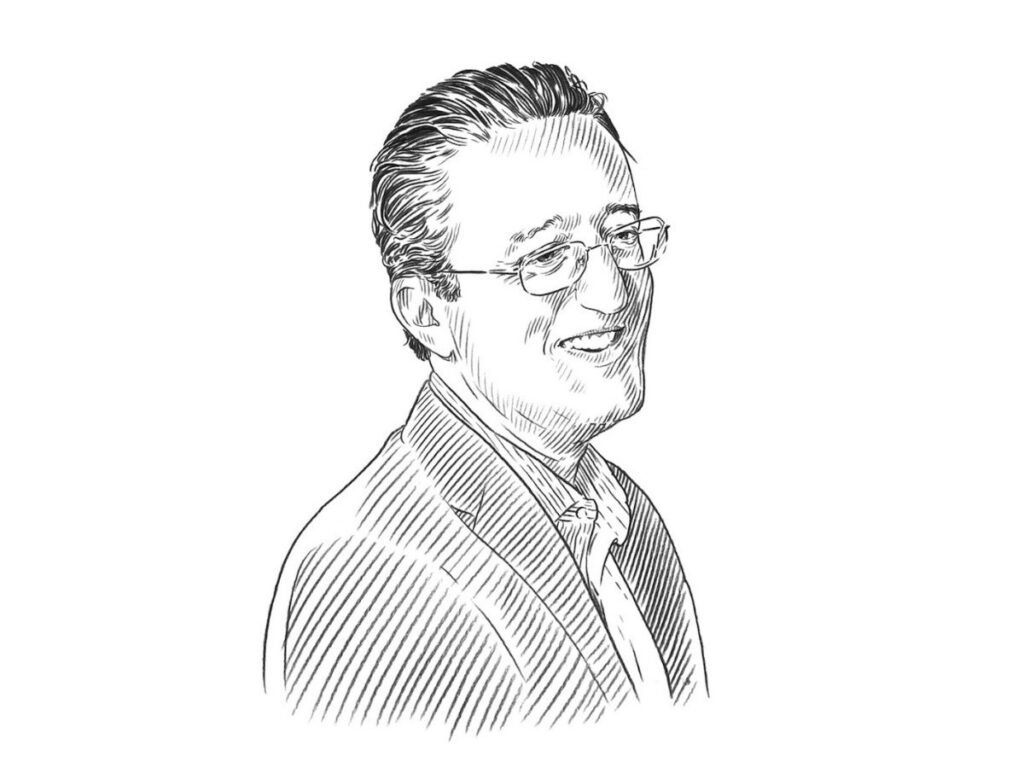
Tania Fares For this edition, we had 25 judges and 25 industry experts on the advisory board. We bring together respected industry leaders across design, retail, media and business, and we select individuals who genuinely care about and want to guide young designers. We were very excited to have people such as Daniel Roseberry, Christian Louboutin, Giambattista Valli and Gisele Bündchen involved; everyone brings something different to the table. Some – such as Remo Ruffini, chairman and CEO of Moncler – have been supportive of FTA for many years.
Looking ahead, what do you hope FTA will achieve in the long term?
Tania Fares I hope that FTA and the FTA Prize will continue to be a bridge between our region and the world – strengthening infrastructure, expanding opportunities and ensuring that Arab creativity is recognised globally.