- Fashion
- Spring/Summer 2026
- April
Fashioning a
Lasting Legacy
Sheikha al-Mayassa, Anna Wintour and Francesco Carrozzini discuss Franca Sozzani's legacy, the Franca Fund Gala and the power of culture
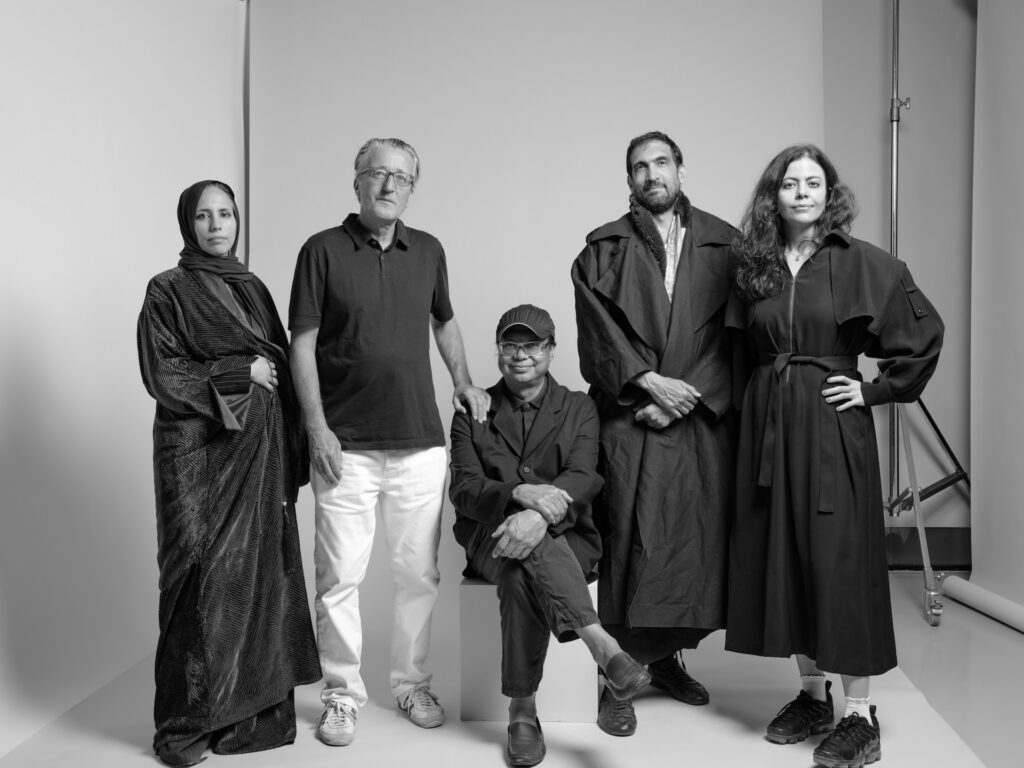
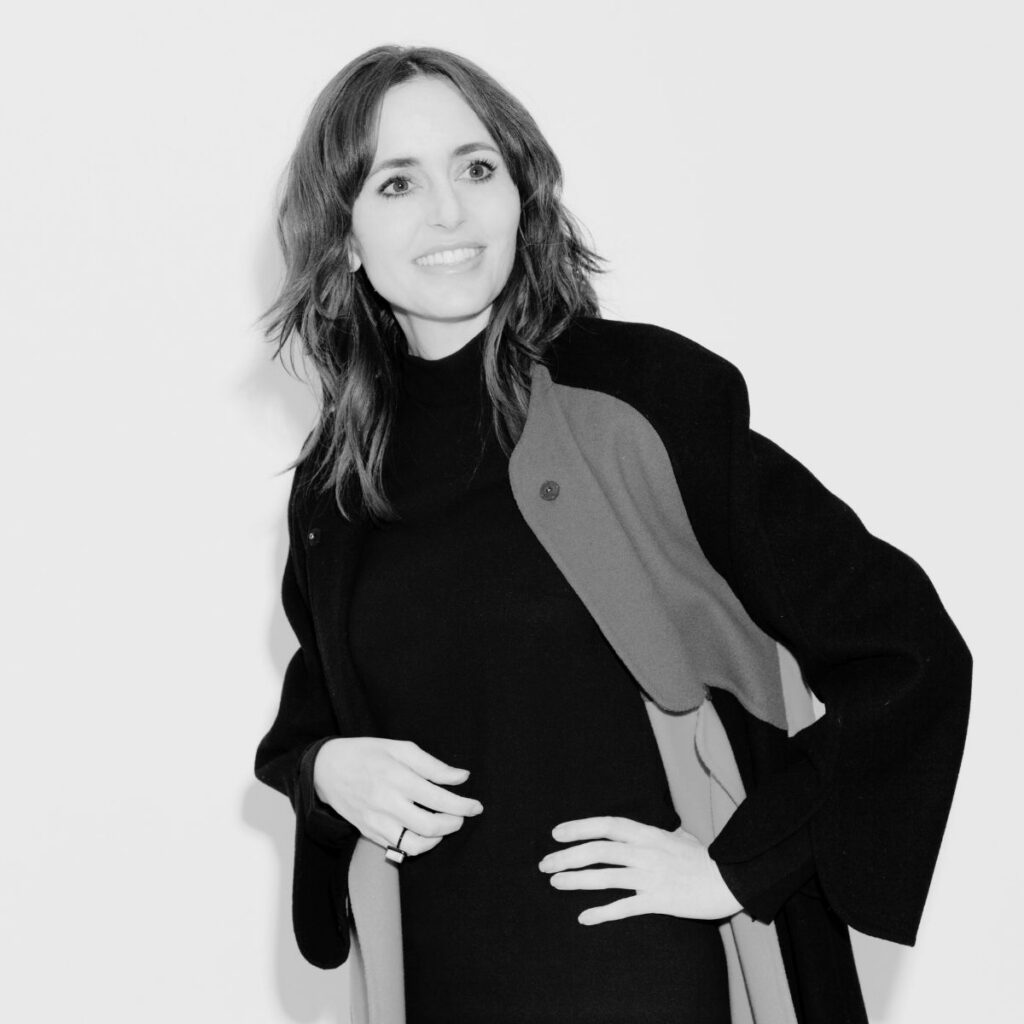
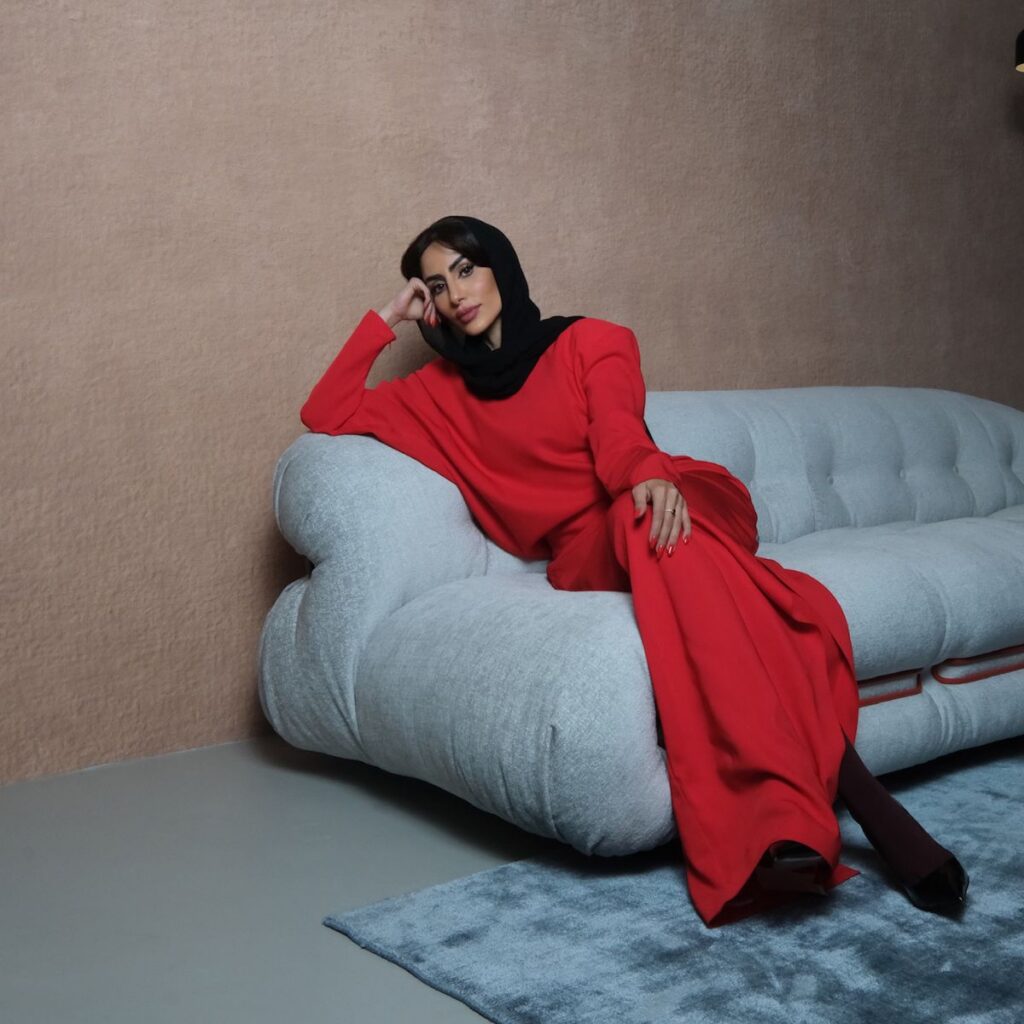
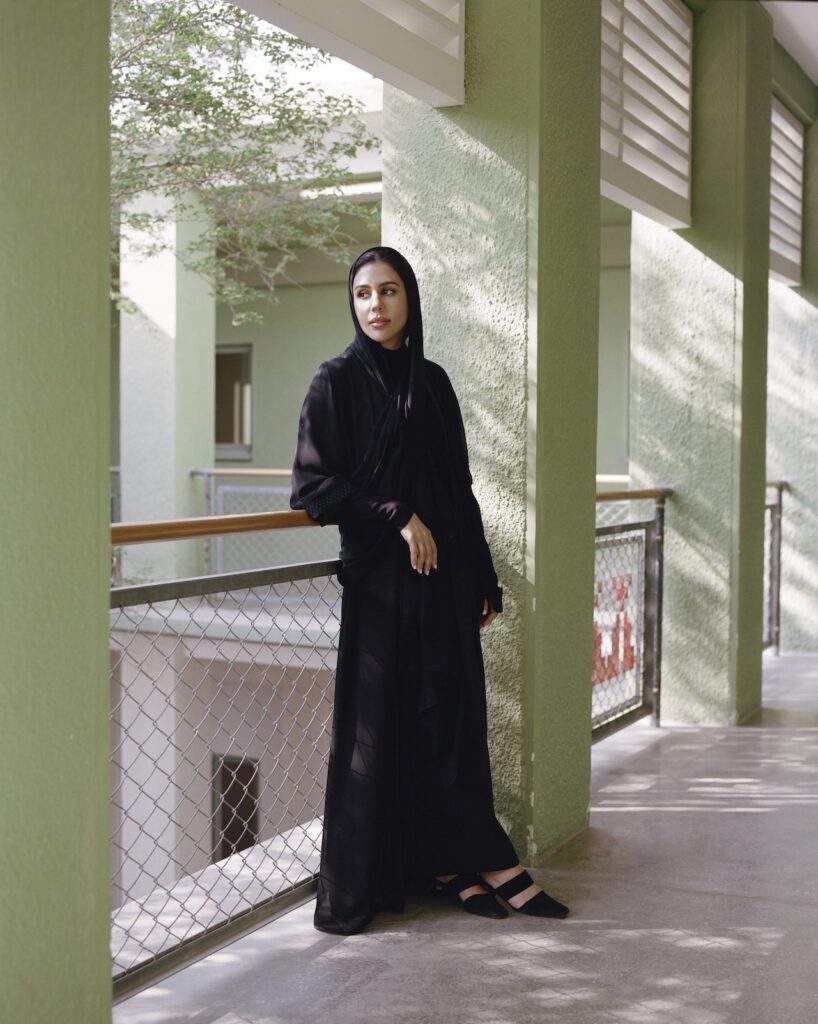
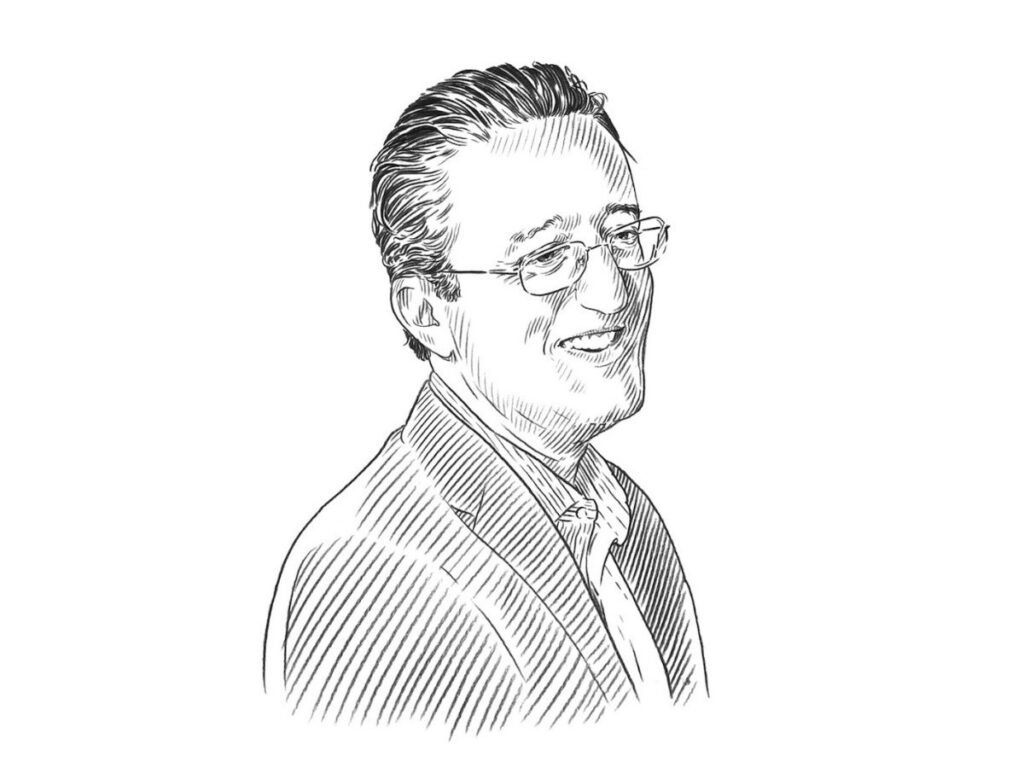
Before Doha hosted the inaugural Franca Fund Gala last November, Sheikha al-Mayassa spoke with chief content officer for Condé Nast and global editorial director for Vogue, Anna Wintour, and Italian director Francesco Carrozzini on her Power of Culture podcast about the life and legacy of Carrozzini’s mother, former Vogue Italia editor Franca Sozzani – tracing a shared history of fashion, family, cultural leadership and the power of empathy.
SHEIKHA AL-MAYASSA Anna Wintour and Franca Sozzani were hired to edit the American and Italian editions of Vogue the same week in 1988. They became friends, and later family when Anna’s daughter Bee [Shaffer] married Franca’s son, the filmmaker Francesco Carrozzini. Today I am welcoming Anna and Francesco to talk about the life and legacy of Franca before we inaugurate the Franca Fund Gala, which takes place tonight.
Anna, you and Franca began your tenures as editors-in-chief at the same time. Could you share how your early impressions of each other evolved into friendship, and how that shaped your perspectives as leaders of such iconic fashion publications?
ANNA WINTOUR Franca, like me, was quite a private person, and it was about 10 years before our friendship blossomed. She was a one-woman show, and everything she did had a purpose – whether it was the work she did exposing climate change, her famous Black issue, or supporting women’s rights. Watching how she put that incredible magazine together for so many years was a learning experience for me, and something I’m grateful for every day.
My daughter Bee and Francesco knew each other when they were young, but things took a different turn later in life. Franca knew that Bee and Francesco were to be married before she died in 2016. That was so meaningful and, I think, gave her peace.
SHEIKHA AL-MAYASSA Francesco, what was it like living with your mother, who used her position at Vogue Italia to empower so many people?
FRANCESCO CARROZZINI When I was a child, my mother included me very much in her life. I grew up travelling with her and being on set with photographers – but all of that seemed normal. I didn’t realise how incredible my life was. Eventually I understood that it’s not really normal to be at Madonna’s birthday party when you are 12.
When I started hearing people speak about how she promoted and fostered talent, I got to understand what she was doing. She was an enabler. Both her and Anna gave platforms to people and challenged them to do the best they could. That’s what my mother will be really remembered for.
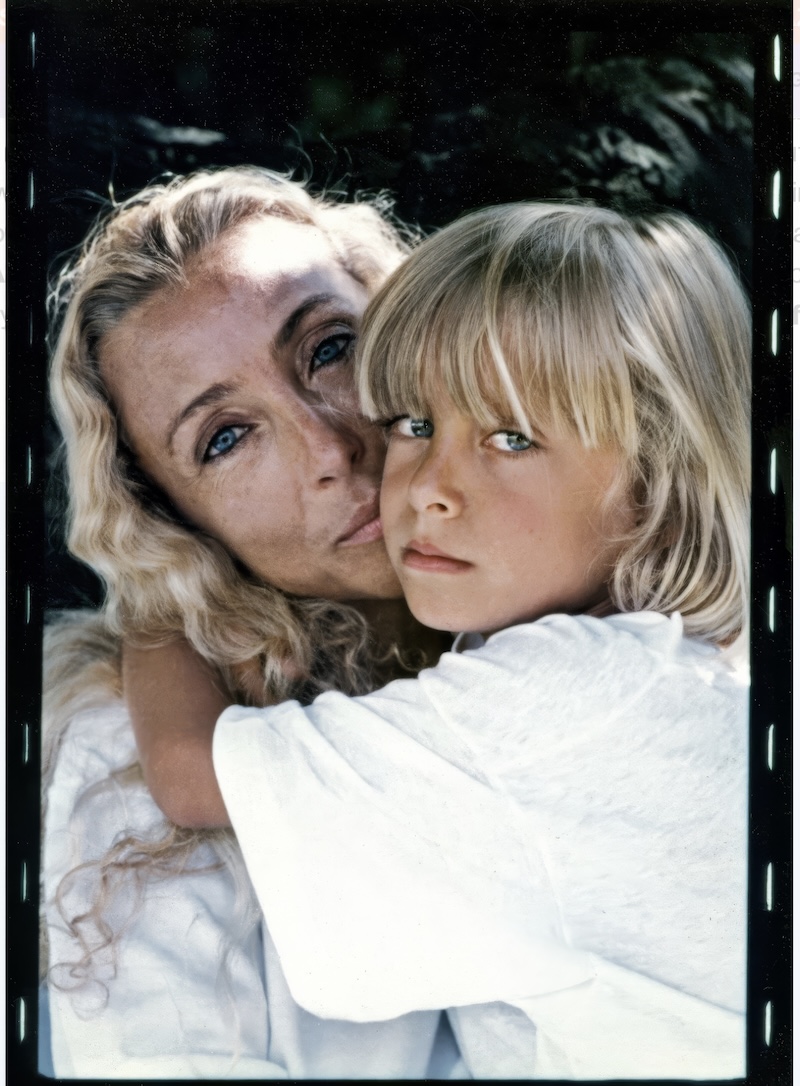
SHEIKHA AL-MAYASSA Anna, you delivered a very heartfelt tribute when Franca received the Council of Fashion Designers of America’s Fashion Icon award posthumously in 2017. You described her as playful, imaginative, fearfully independent and courageous. How do these qualities continue to inspire you now?
ANNA WINTOUR It’s important to think about cultural diplomacy. It’s not just about having your own vision and your own point of view. It’s about wanting to hear what others have to say. That’s something I certainly learned a great deal about from Franca because she was so curious. There isn’t just one way to look at creativity, influence or values. You have to stay open-minded. Franca was a cheerleader and a warrior for so many causes.
SHEIKHA AL-MAYASSA Condé Nast recently took Vogue Arabia in-house. I’m curious to know the motivation behind that decision?
ANNA WINTOUR We saw that it was becoming such an important territory for us to be aware of and be involved in. There’s so much happening in this part of the world that should be looked at with a much more open mind. Part of what we plan to do is to give a platform to the cultural talent that exists so strongly here, and to help our audiences around the world understand that this is an area that is changing so fast and is much more open and diverse than some people think.
“It is important to look at film or fashion or art as ways to bring us together... You have to be open-minded”
Anna Wintour
SHEIKHA AL-MAYASSA We are also noticing a culture shift in the fashion world. Editors are looking at fashion as a global cultural dialogue, merging museums, brands, artists and storytellers.
ANNA WINTOUR We have so many different platforms available to us. The more we open them up to each other, the more interesting the work can be. It’s been going on for a long time, but because of the way we communicate today it’s far broader.
SHEIKHA AL-MAYASSA Is that what inspired Vogue World?
ANNA WINTOUR Vogue World came out of the pandemic. I saw from my work with the Metropolitan Museum of Art that visitors weren’t coming. I saw that restaurants were empty. I knew all the designers were really suffering. We wanted to do something just to kick off New York Fashion Week. Then we moved it to London, and Paris in 2024, and then just recently to Hollywood. We're looking at Milan for this year, and we would love to come to the Middle East.
SHEIKHA AL-MAYASSA Last night you attended the Fashion Trust Arabia event. What are your first impressions of our designers?
ANNA WINTOUR I was surprised by how many there were and how interesting the talent was. What you’ve done with Fashion Trust Arabia is so amazing, because you’re opening up a whole region to the world that I think has not been addressed globally as it should.
SHEIKHA AL-MAYASSA I’m going to shift now to you, Francesco, because tonight it’s the inaugural Franca Fund Gala, which will raise critical funds to support preventive genomics research. What do you dream of coming to fruition because of the gala?
FRANCESCO CARROZZINI When I first approached the field of genomics it was a field full of pioneers, like Dr Robert Green, my co-founder. My mother was a pioneer, in her own way, and I saw that same spirit in him. I got very interested in the idea that we have so much information in our genome that is not yet used.
When my mother got sick I talked to many different scientists, doctors and oncologists. Dr Green had this vision of prevention – making medicine proactive, rather than something you seek when you’re sick. You can do that by reading someone’s genome, which carries information markers. Using gene therapy and editing, many conditions are going to be curable. I asked: “Why aren’t people doing it?” It’s a very big vision.
SHEIKHA AL-MAYASSA It’s ambitious, but very necessary. The more we can do together using a global, collective approach to try to find solutions to these diseases, the better off we will be.
FRANCESCO CARROZZINI It’s really about making [genetic testing] common practice. We’re giving people knowledge, and knowledge is power. Eventually, science will allow us to turn off a gene like a light switch, and you will not get the disease.
ANNA WINTOUR Hopefully it’s a generational shift. People already have genetic tests when they’re having a baby, and everybody considers that completely normal. But it’s not normal to just look at your health and see what could become a problem. That’s what Francesco is really trying to change.
SHEIKHA AL-MAYASSA My final question for you, Anna: in a world that’s as polarised as it is today, what qualities and mindset do cultural leaders need to use culture as a bridge to unite and not divide?
ANNA WINTOUR There may be deep political divides, but it is important to look at disciplines like film or fashion or art as ways to bring us together and show the world that we can inspire each other. You have to be open-minded and learn from other cultures.
“The more we can do together using a global, collective approach to try to find solutions, the better off we will be”
Sheikha al-Mayassa
SHEIKHA AL-MAYASSA I agree totally. And Francesco, tonight is your night. What are your goals and aspirations for this event?
FRANCESCO CARROZZINI It’s a private act of love and a collective act of love. At this moment we need empathy. Franca was a leader and Anna is a leader because they have empathy. They don’t think about their own goals, they think about collective goals. I am trying to continue what my mother did and promote her legacy in a way that is an act of love. Scientifically or culturally, it’s about making people aware that we have information that is available to us that can change our lives.
SHEIKHA AL-MAYASSA Thank you both for your time, and good luck for the Franca Fund Gala tonight. Franca meant a lot to me, and I’m very happy to help everyone celebrate her amazing life.
Cover image: Anna Wintour, Francesco Carrozzini and Sheikha al-Mayassa at the inaugural Franca Fund Gala. Photo: Lodovico Colli di Felizzano