- Art
- Spring/Summer 2026
- April
Making Without Objects
As he prepares a new commission for Qatar’s presentation at the 2026 Venice Biennale, Thai artist Rirkrit Tiravanija reflects on what it means to make work in a precarious world and his growing relationship with Qatar
Words Jan Dalley
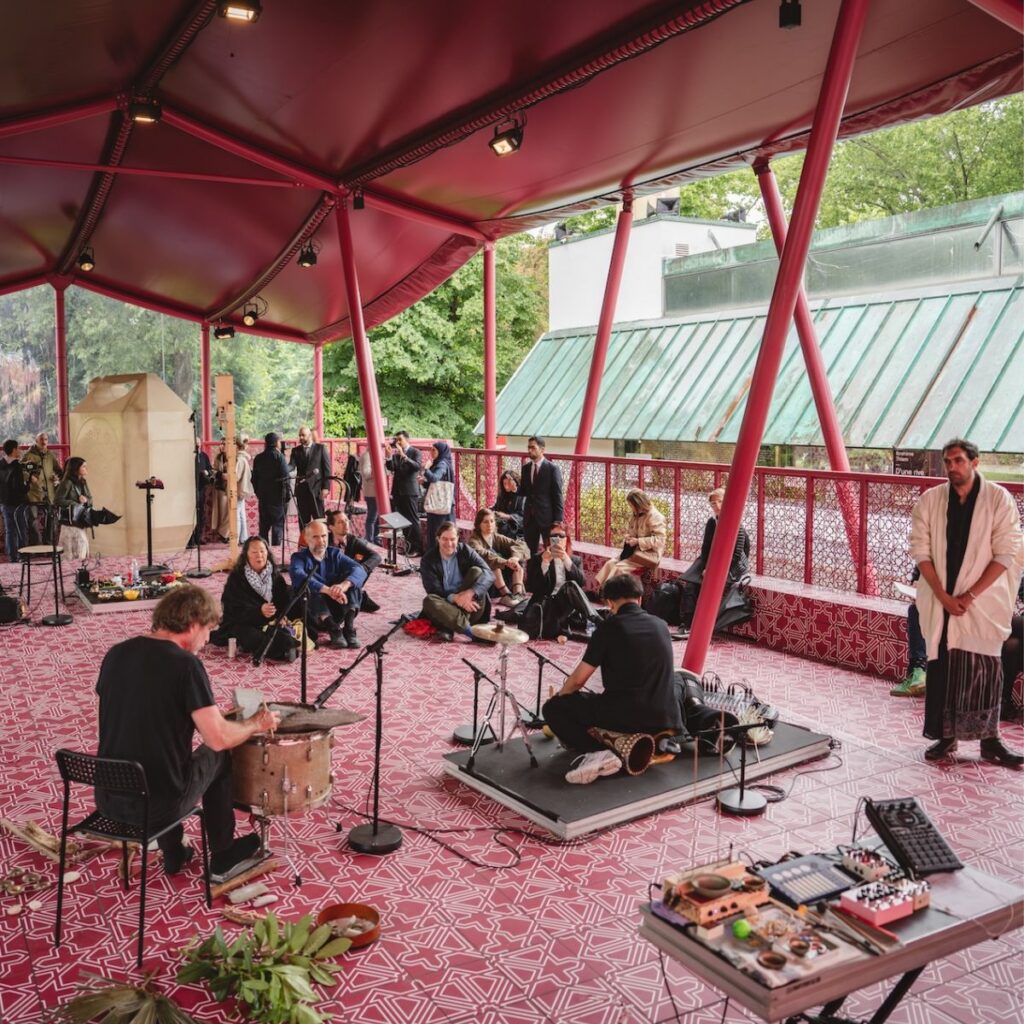
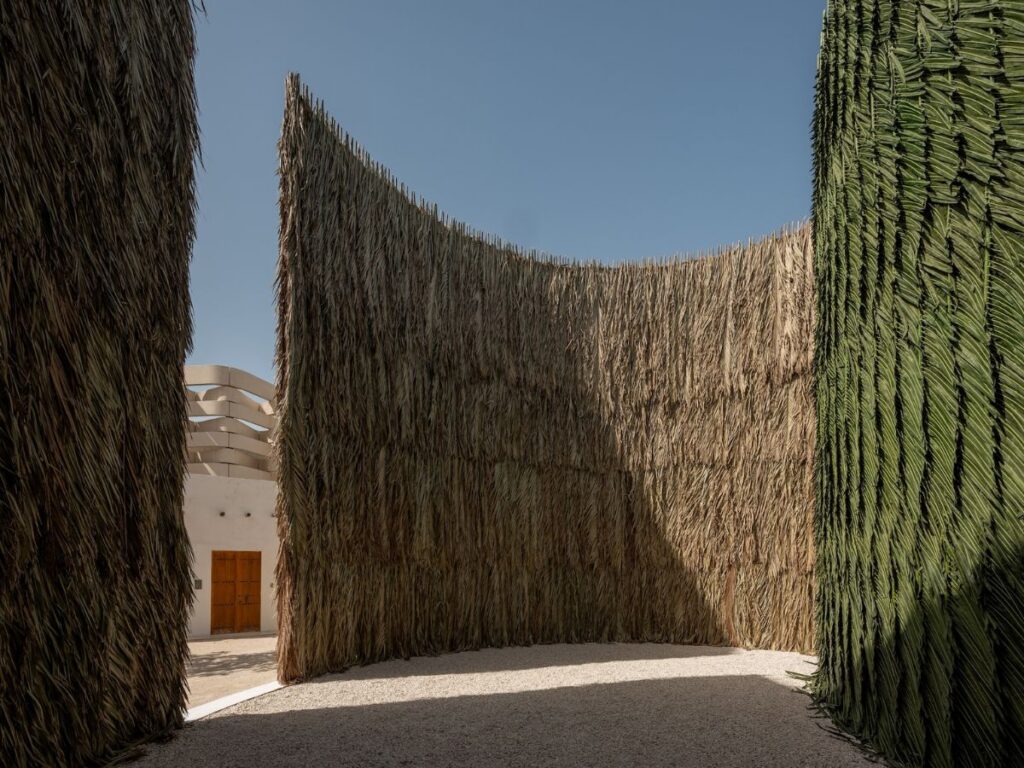
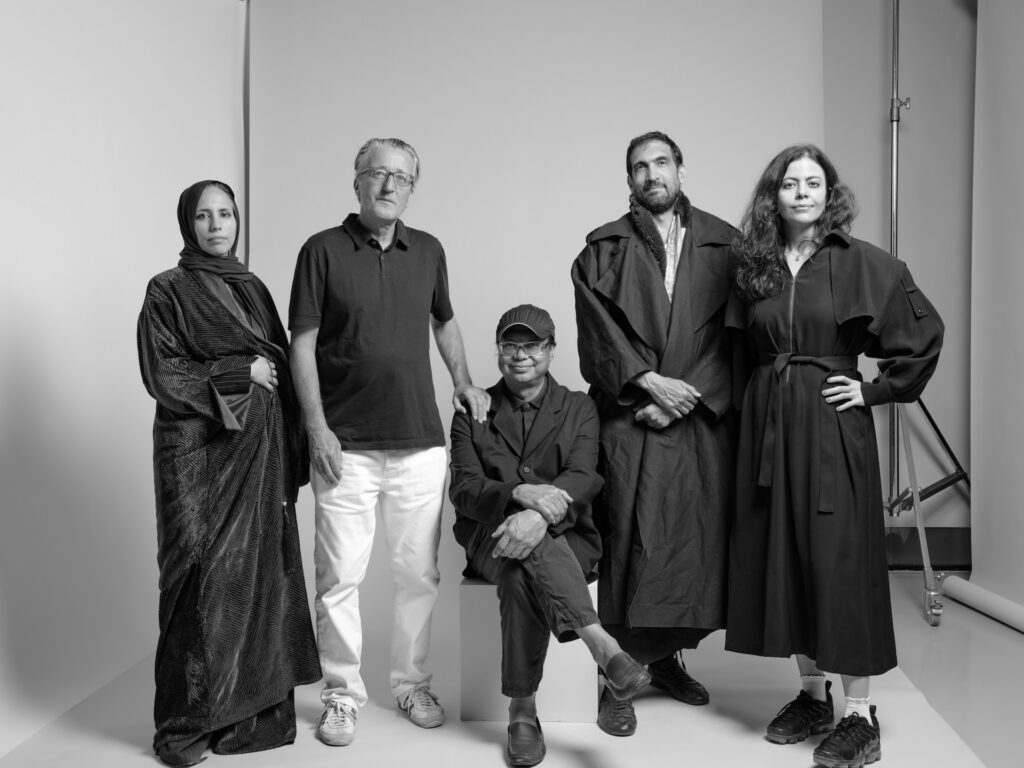
This is untitled 2025 (no bread no ashes), 2025, an installation by Thai artist Rirkrit Tiravanija that evokes his signature themes: it’s surprising, it’s practical, it’s playful and can be seen as an installation or simply a place to eat, relax and connect with others – ideas that will also be explored in the presentation for Qatar at the 2026 Venice Biennale, Untitled (a gathering of remarkable people), 2026, a collaboration between Tiravanija, Sophia Al-Maria, Tarek Atoui, Alia Farid and Fadi Kattan.
“Sheikha al-Mayassa came to see me and said she wanted something for the people working there,” Tiravanija recalls, when asked about how untitled 2025 (no bread no ashes) came into being. “Well, that was just the right thing to say to me. I was happy to be able to find a way in, to find a tool that people could come and use. It was my first time working in the region. There’s a certain vision for the future, and that vision is very interesting. I proposed a difficult situation, and they were very open to the challenge. Our ongoing relationship towards Venice is like that.”
Tiravanija often says that he started with art “rather late in life”, but the artist, now 64, was only 19 when he enrolled at the Ontario College of Art and Design in Toronto. “After high school I was planning to go into photojournalism. I was looking for something to do that wasn’t going to put me in an office.” He had a multinational childhood: he was born in Argentina, where his diplomat father was working, and moved with the family to Ethiopia before being sent back to an English-speaking international high school in Thailand.
“Through journalism I discovered art history, and I ended up applying for art school in Toronto because my father was stationed in Ottawa at the time,” he explains. “Then, somehow, I ended up in New York.”
“Museums in the west have become like iceboxes of precious things... They avoid the need to address experience”
Rirkrit Tiravanija
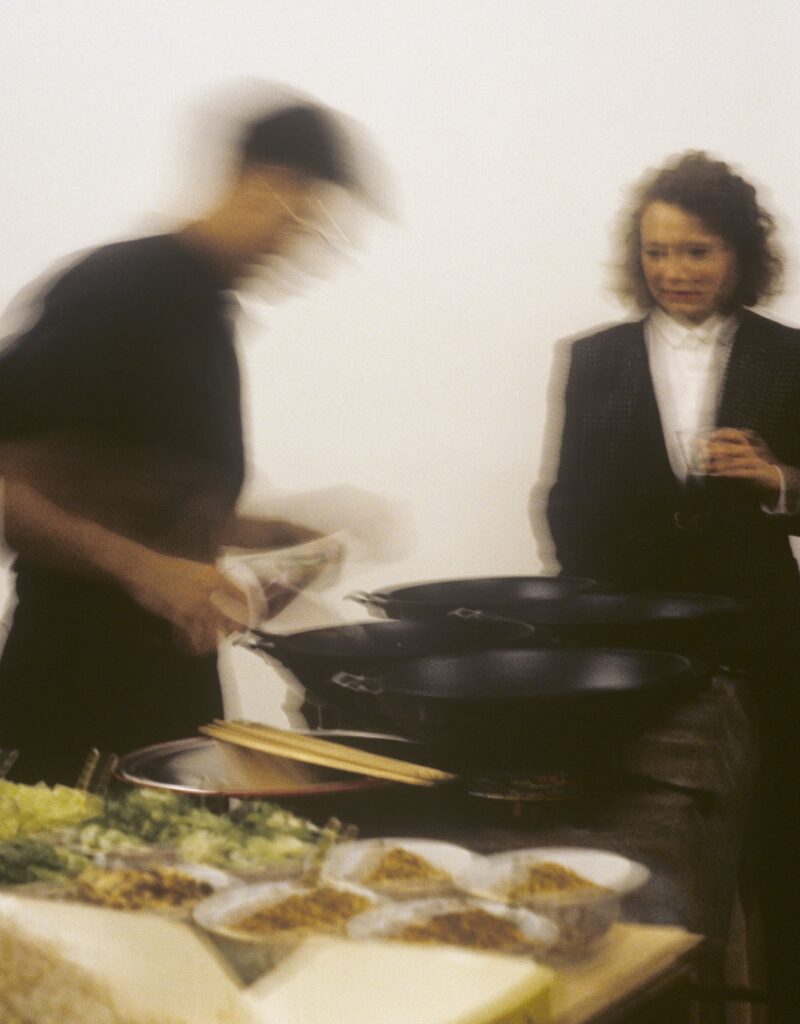
Tiravanija is talking to me over Zoom from his home in Chiang Mai, Thailand, and I’m eager to explore the origins of his very singular art-making. What he describes as his “relational” work defies categorisation. Part sculptural, part immersive, part experiential, it prioritises real-time experience over objects, and subverts traditional ways of interacting with art. He restages everyday activities and emphasises the human connections in simple domestic rituals.
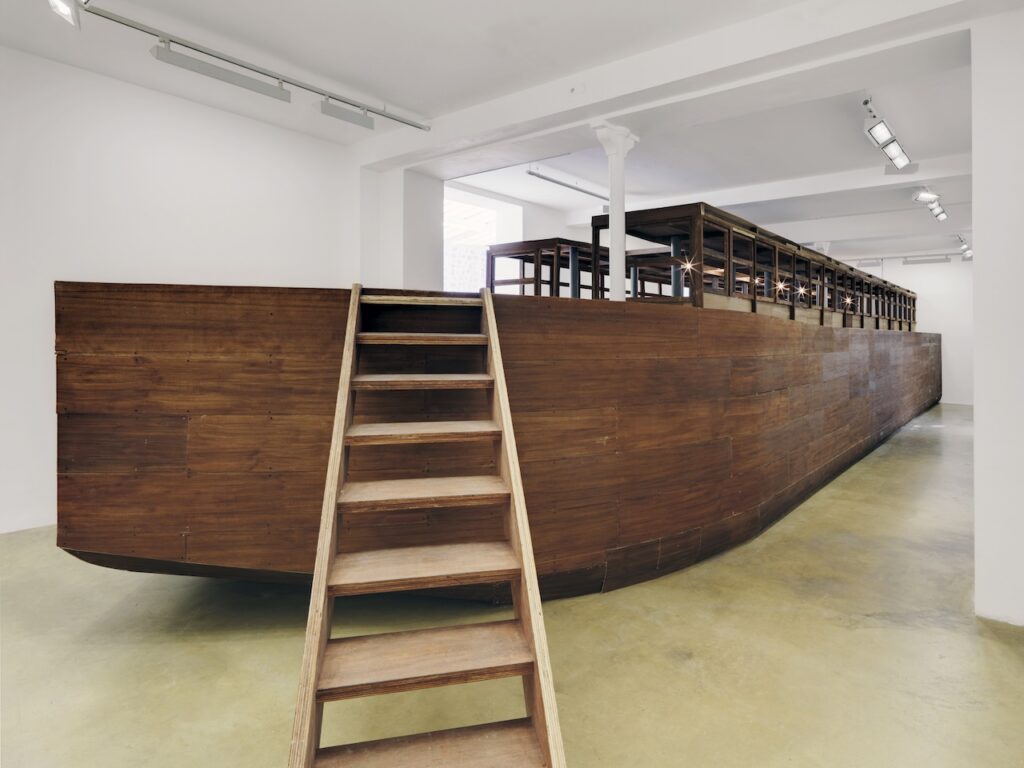
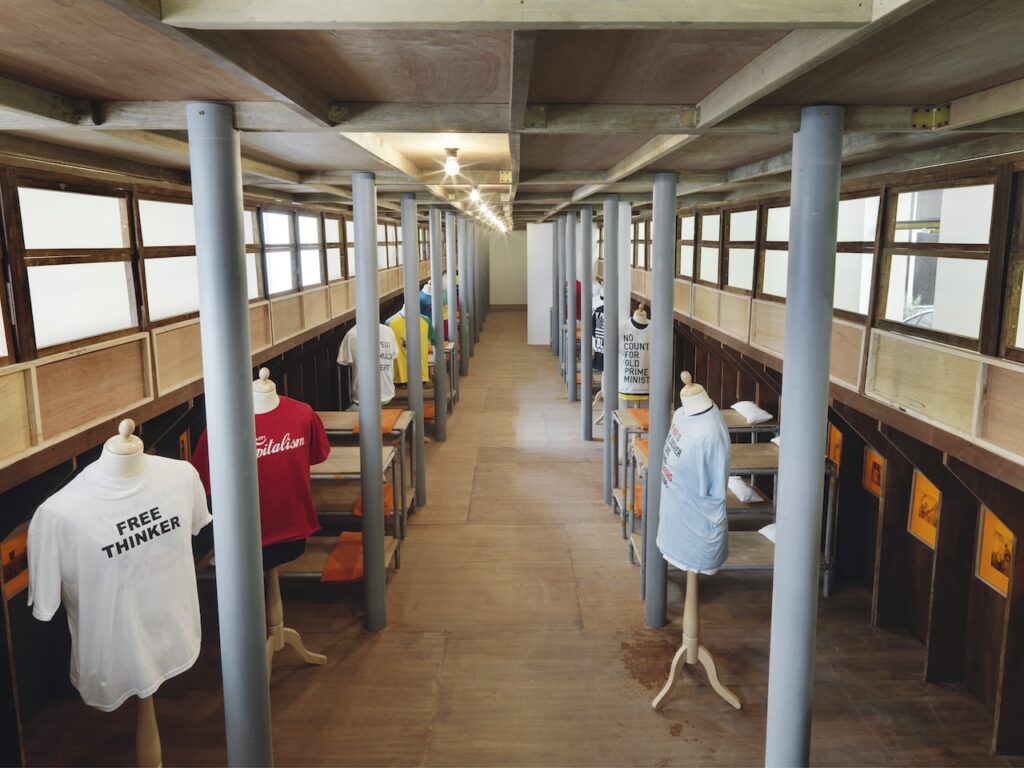
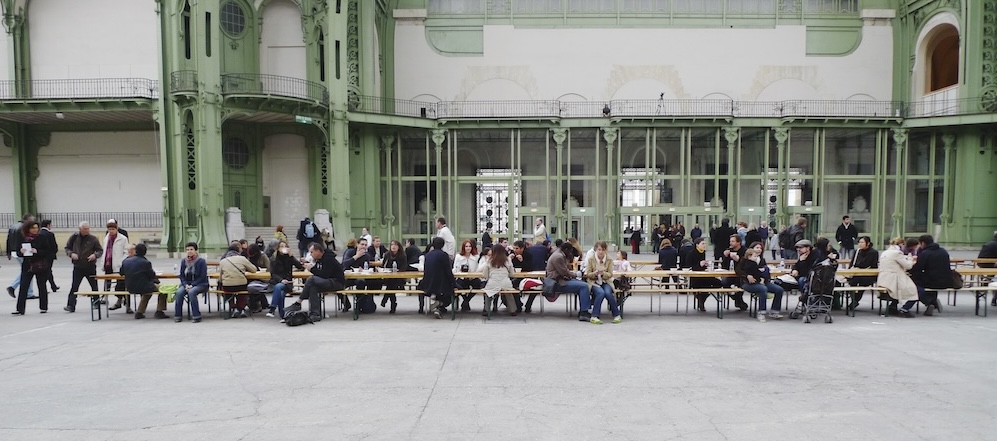
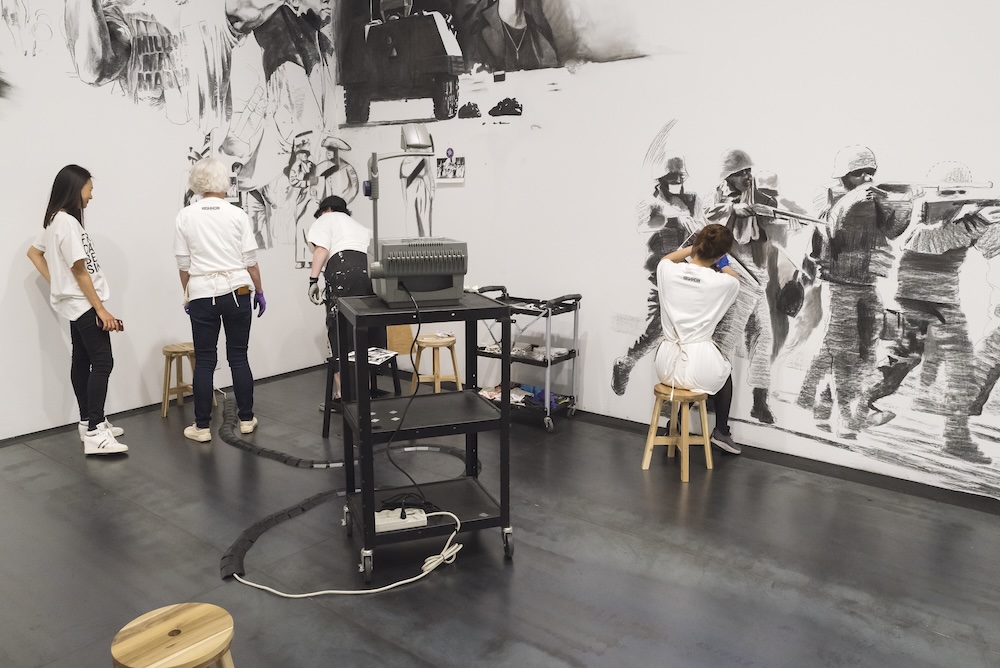
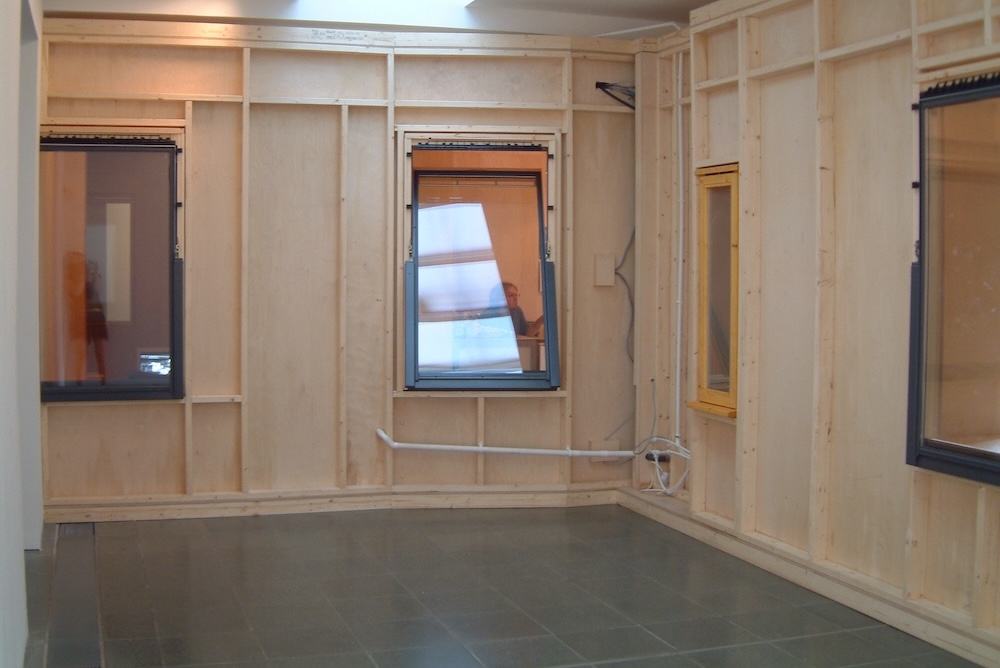
An early success in New York, for instance, untitled 1990 (pad thai), 1990, saw the artist cooking and serving bowls of the traditional Thai dish to gallery-goers at the Paula Allen Gallery. Bringing people together through food has been a signature of his practice ever since. Often his experiences, food-based or otherwise, are accompanied by wall texts, multiples and ephemera. He has produced a full-scale replica of his New York apartment at London’s Serpentine Gallery; staged a 12-hour banquet in the Grand Palais in Paris; recreated a section of Le Corbusier’s Asile Flottant, a concrete coal barge adapted by the architect in 1929 to house homeless people; and once converted the Hirshhorn Galleries in Washington DC into a communal dining space and invited local artists to create a mural there. Dozens of similar, highly imaginative works have been exhibited in galleries across the world.
There is no telling what Tiravanija will do next, but how did it all begin? “When I was working in New York I was always thinking: ‘What would it mean for people back home, to be making art?’” he recalls of the early years of his career. “It was a lot about identity and self-discovery, and trying to find your way back home. What did it mean to be in the west, what would it be like to go back?”
He cites many influences, including the musician John Cage, a Zen Buddhist. “[Buddhist principles] like being present in the moment, those things are natural to me,” he says. “When it comes to the west looking at ‘the other’ – what are now called postcolonial ideas – I can reflect on all that from what I’m doing. [The western art audience] always starts and ends with the object. This is based on ideas of value and property, which for me misses out on everything else – the life around the object. This reflects a lot about how we live in Thailand. Philosophically, as Buddhists, we are always looking towards less. It’s a different way of looking at values in life.”
Signs, posters and slogans also play a significant part in Tiravanija’s work. He sees them, he says, more as tools, as language: “I like [my work] to be open to the experience of whoever comes to the tools: they can find their own way out, or in.”
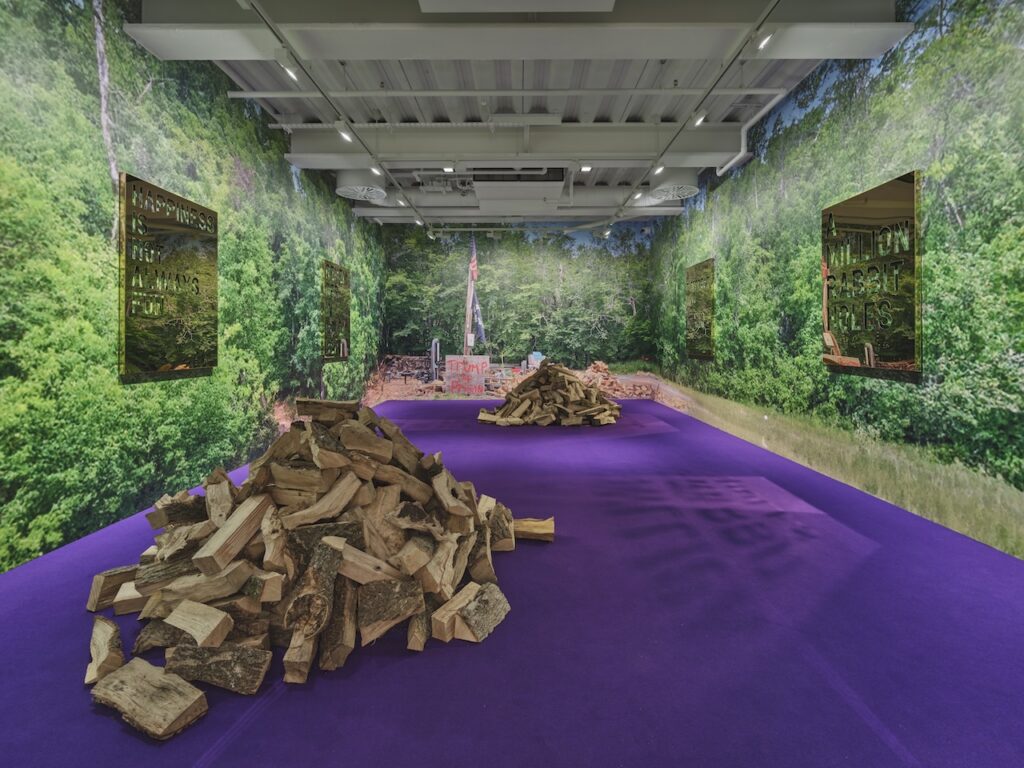
These signs can have an upfront political message. When talking about his immersive piece A MILLION RABBIT HOLES, 2024, Tiravanija gives a broad smile at the mention of the title. It’s a good example of his quirky sense of humour – and seemingly a candid denunciation of the state of the US today. The work depicts a chaotic lumber yard with a tattered flag and a rough-painted board that declares “TRUMP 4 PRISON”, surrounded by signs that tell us “Happiness is not always fun” and “A different kind of nothing”. The rabbit holes of the title, he explains, are of our own making, but also a warning: we need to be aware of manipulation.
“We have our way of thinking, constructed from our experience, our lives, our environment... I would always like to be constantly questioning that”
Rirkrit Tiravanija
When asked if we should think of this work as political, anti-authoritarian art, Tiravanija elegantly sidesteps the question, saying he prefers to think in terms of institutions. “We are each of us institutional,” he says. “We have our way of thinking, constructed from our experience, our lives, our environment. Those institutions are things we hold on to, to understand ourselves. I would always like to be constantly questioning that, at least in myself. Hopefully towards a better, more relational world.”
This approach brings up questions about the role of more established art institutions and conventional museums in today’s world – and Tiravanija has little time for western temples of art. “Museums in the west have become like iceboxes of precious things, more like a storage space of value than a library of knowledge,” he says. “They avoid the need to address experience.”
Tiravanija still has an apartment in New York, where he teaches as professor of professional practice in the MFA programme at Columbia University. “I teach an undergrad class, which used to be the advanced sculpture class, but advanced sculpture for me is to not do anything – so the class should really be called ‘how not to do anything’,” he says with a glint in his eye. “But of course they objected to that idea, since they’re charging the students so much money, so the class is called Making Without Objects. It’s more about thinking and discussing. It’s not really even about making art, it’s about how one can live through the contemporary moment, experiencing as much as possible. You shouldn’t let art get in the way of doing everything.”
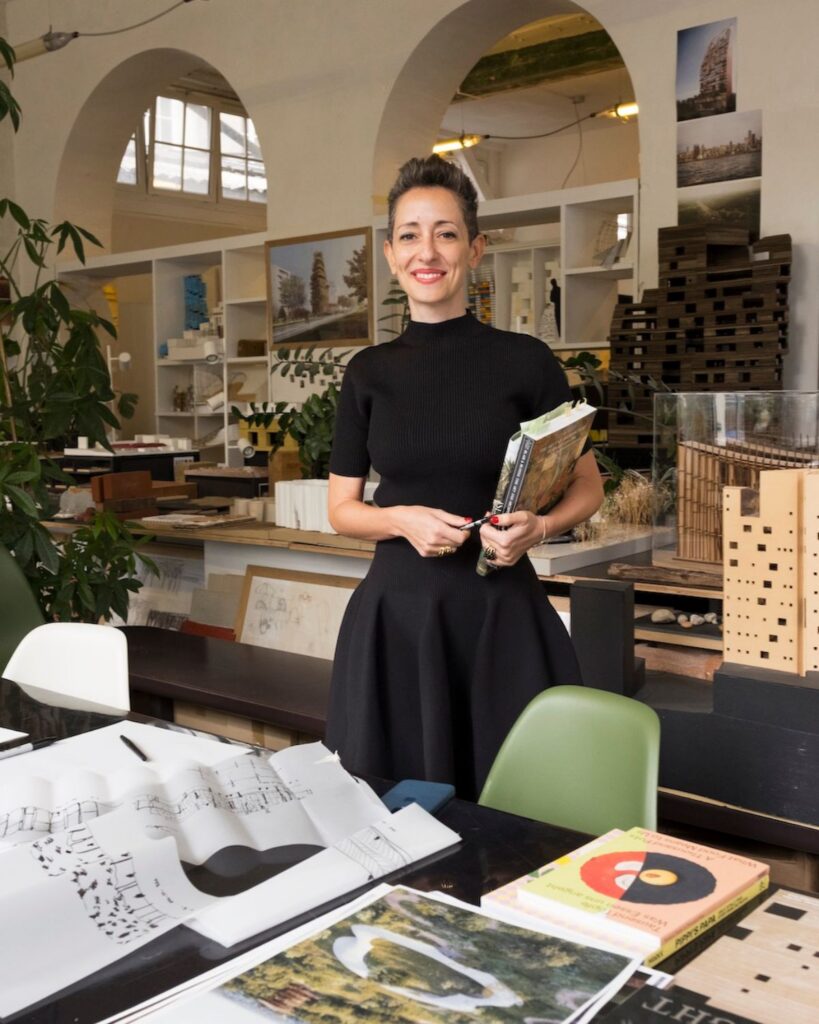
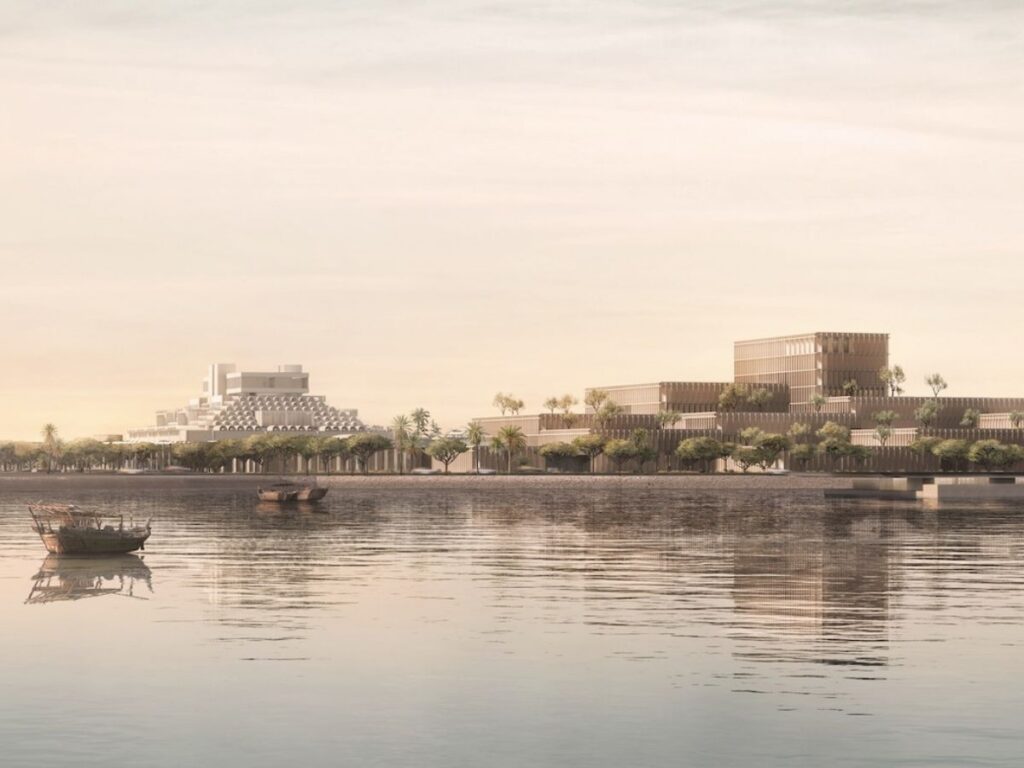
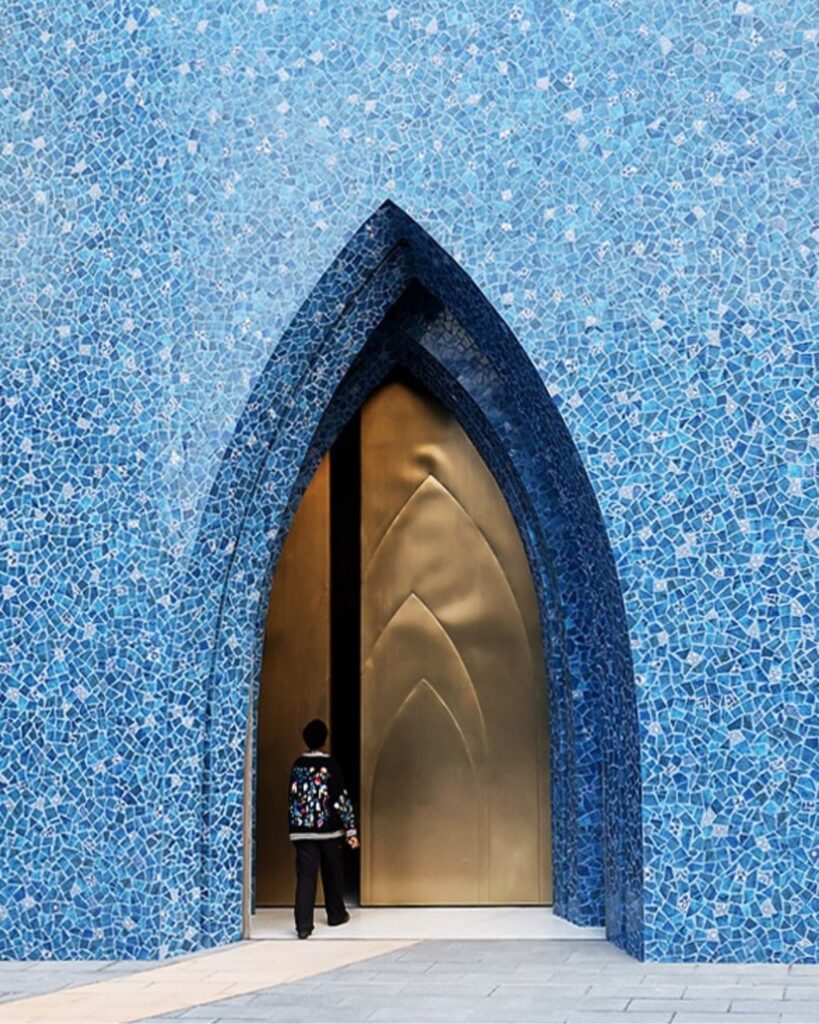
I find myself wishing I could audit Tiravanija’s class, but it’s time to talk about Venice and Tiravanija’s participation in the 2026 Biennale on the site of Qatar’s upcoming new pavilion by Lina Ghotmeh Architecture. The creation of the pavilion in the Giardini is an astonishing feat. After the Korean Pavilion opened in 1995, it was declared that the garden was full, yet Qatar seems to have achieved the impossible. And Tiravanija has history in the city.
“Years ago I was invited by [the Swiss curator] Harald Szeemann to participate in the Venice Biennale and I proposed the First Royal Thai Pavilion,” he says. “I found a five-year-old teak tree and had it planted in the Giardini – oddly enough, on the very spot by the bookshop where the Qatar Pavilion will be. I built a little platform around the tree for performances, but my idea was really just to plant a tree in the garden, which would remain rooted there. But when the event was over, they dug the tree out. That’s how contentious that place is in terms of boundaries, territory, diplomacy.”
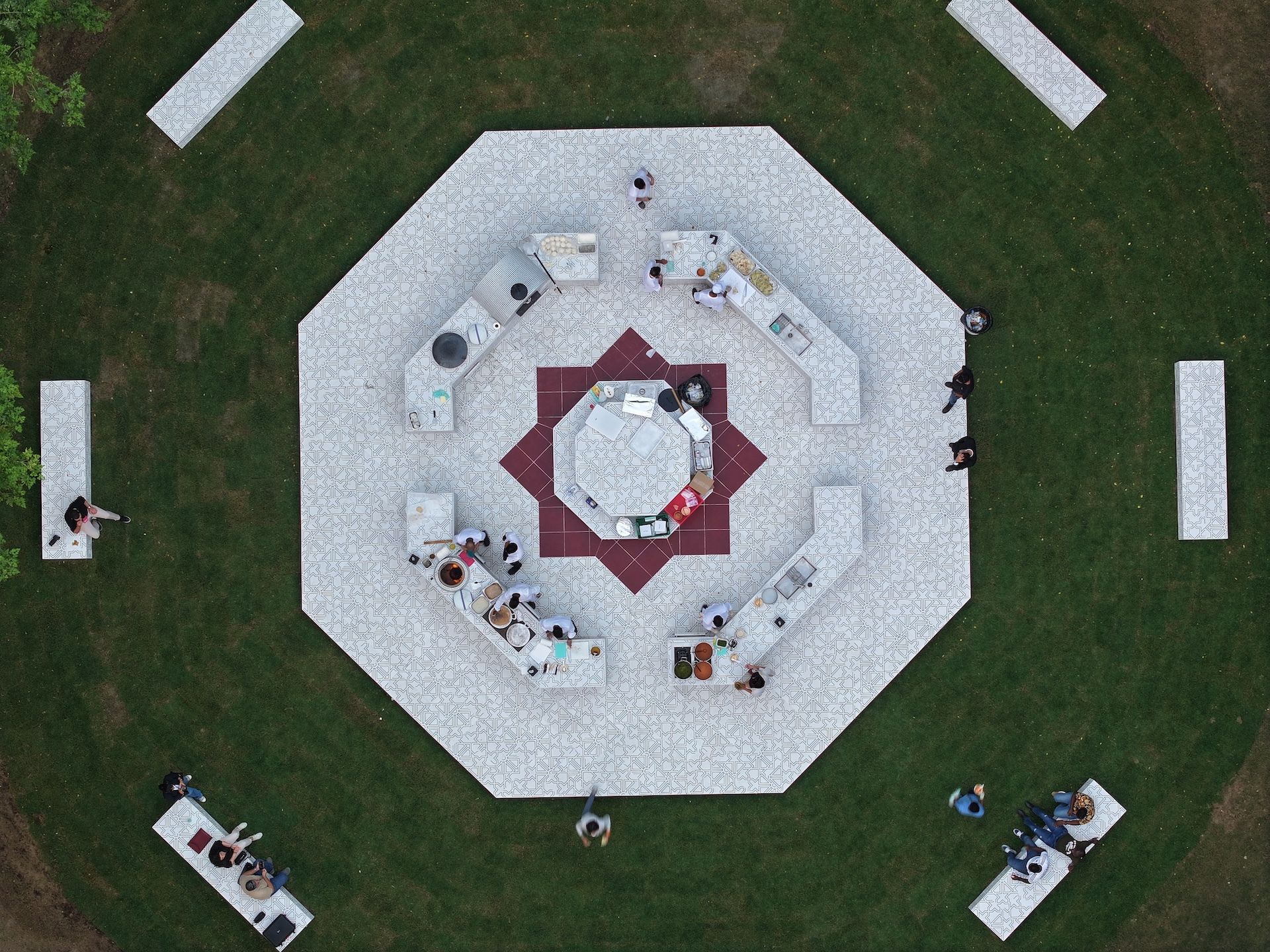
untitled 2025 (no bread no ashes), 2025, is an installation and performance-based work located in MIA Park. Photo: Courtesy of the artist
Indeed. So how does Tiravanija react to the idea that the Venice Biennale, with its overtones of nationalism, is a somewhat old-fashioned approach to art? He replies thoughtfully: “Recent directors have tried to widen things and dissipate the nationalist mood – the whole city is the Biennale, really. And Qatar sees it more as a regional representation. My role is to create the platform: we’re working to open it up so it’s more of a cultural space than a national representational space. Not just art but also music, food – bringing a platter of different flavours, if you like; the smells and sounds from the region. I will set the setting and bring others in.”
For Tiravanija, both the Venice project and untitled 2025 (no bread no ashes) are conceived as provisional structures rather than fixed statements. He describes the Venice commission as an “interim, mobile project” involving a range of other artists from the region, and its future will depend on how it is used and inhabited – an approach that mirrors the bread ovens in Doha. What began as a temporary installation has, through use and public engagement, the potential to become more permanent.
The way his work adapts to, and is shaped by, the world around it and its audience is a reflection of Tiravanija’s world view. “On the world stage, we’re all just not really sure where the raft is going to drift to,” he reflects. “It’s a tenuous moment – I’m now back in Thailand and thinking: ‘Why would I go anywhere?’”
He will, however, be in Venice for the Biennale in May, where his unique energy will animate a temporary space for Qatar, since Lina Ghotmeh’s permanent Qatar Pavilion is yet to be completed. There, we can expect to see Tiravanija at the centre of a performative project that is collaborative, flexible and always surprising.
Cover image: Photo: Ryan Lowry