- Art
- Spring/Summer 2026
- April 2026
How Can Art Reflect a Changing Qatar?
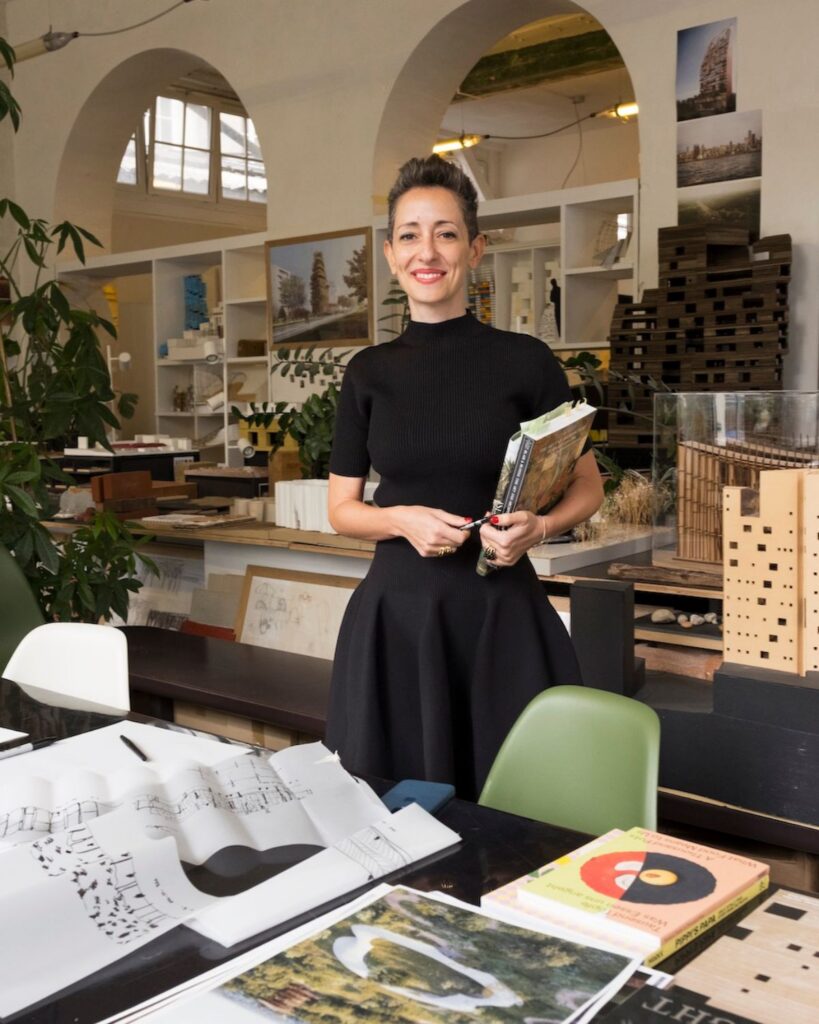
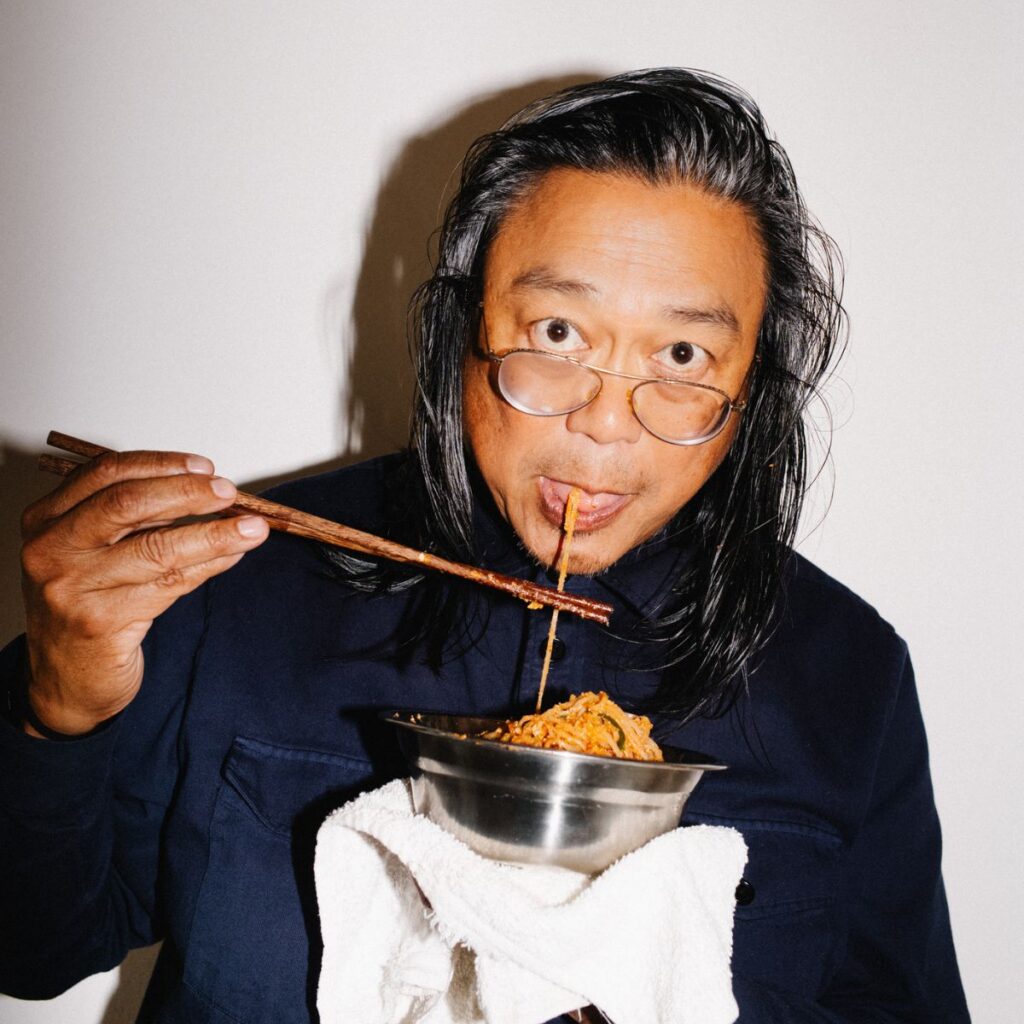
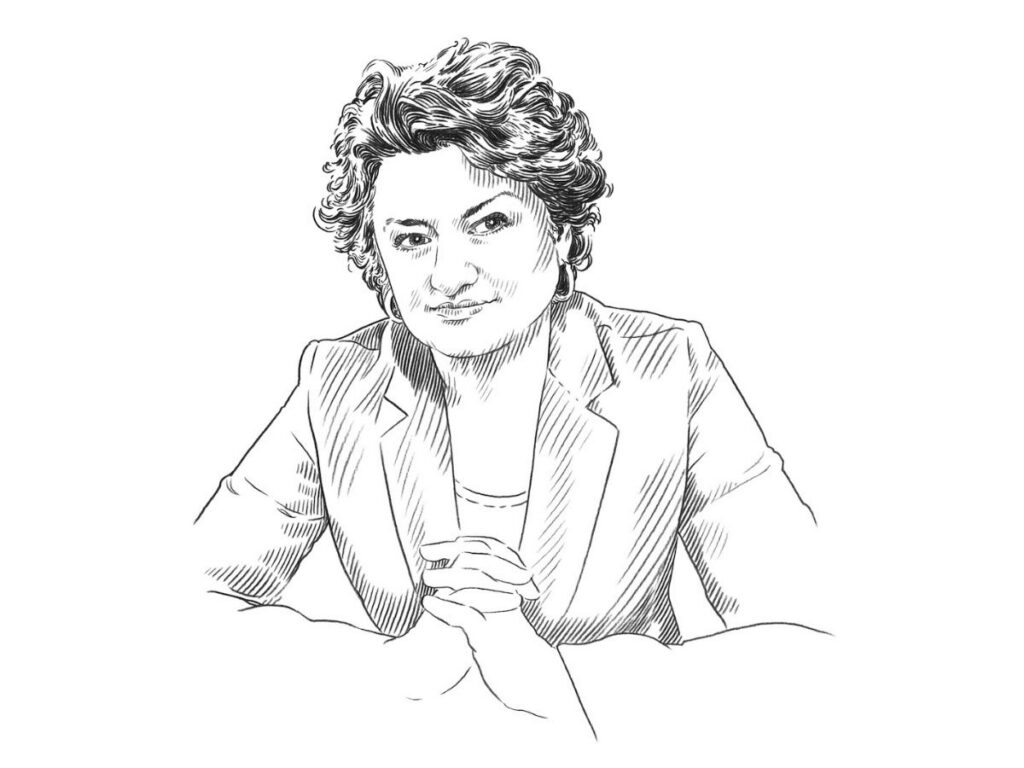
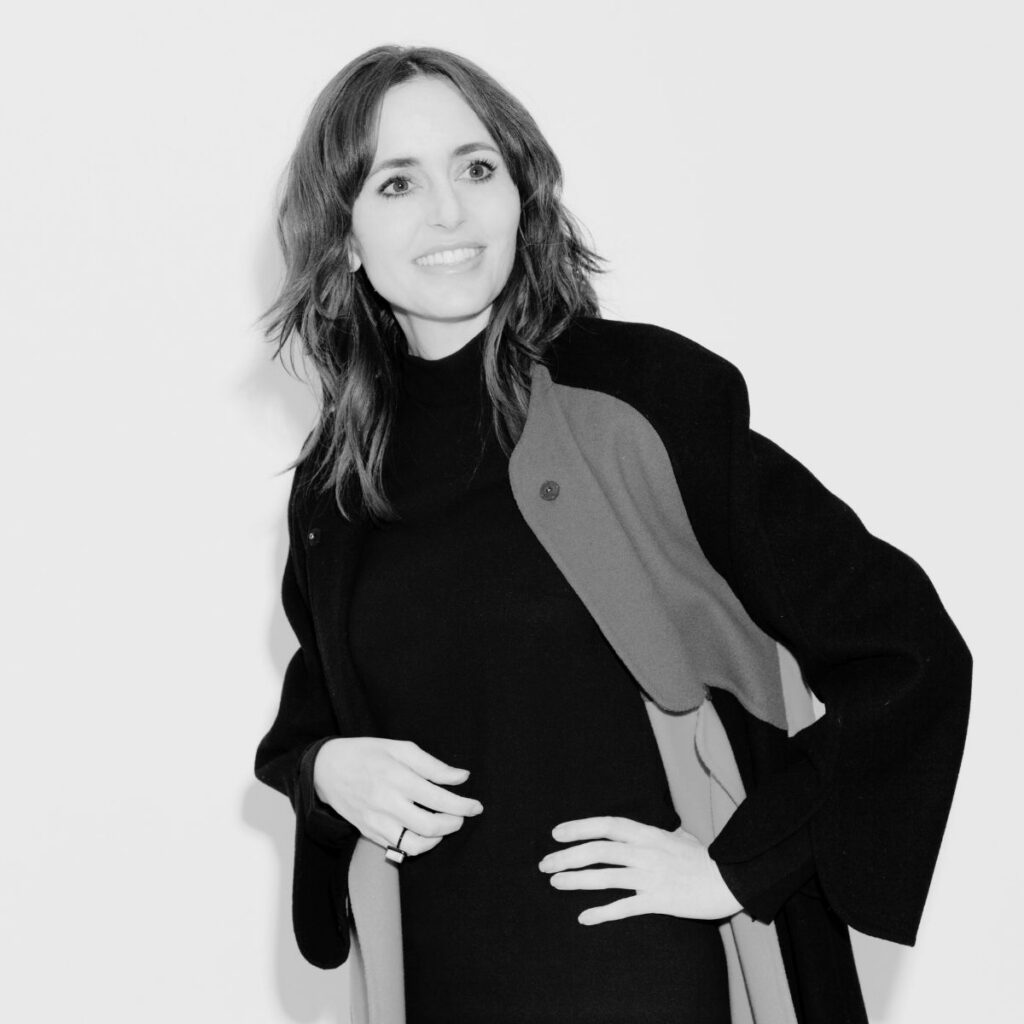
Tom Eccles is the executive director of the Center for Curatorial Studies at Bard College, where he oversees the exhibitions and programmes of the Hessel Museum of Art, and a former director of New York’s Public Art Fund. Appointed curator of the inaugural edition of Rubaiya Qatar – a new international visual arts quadrennial launching in Doha in 2026 – he reflects on why now is the right moment for its arrival
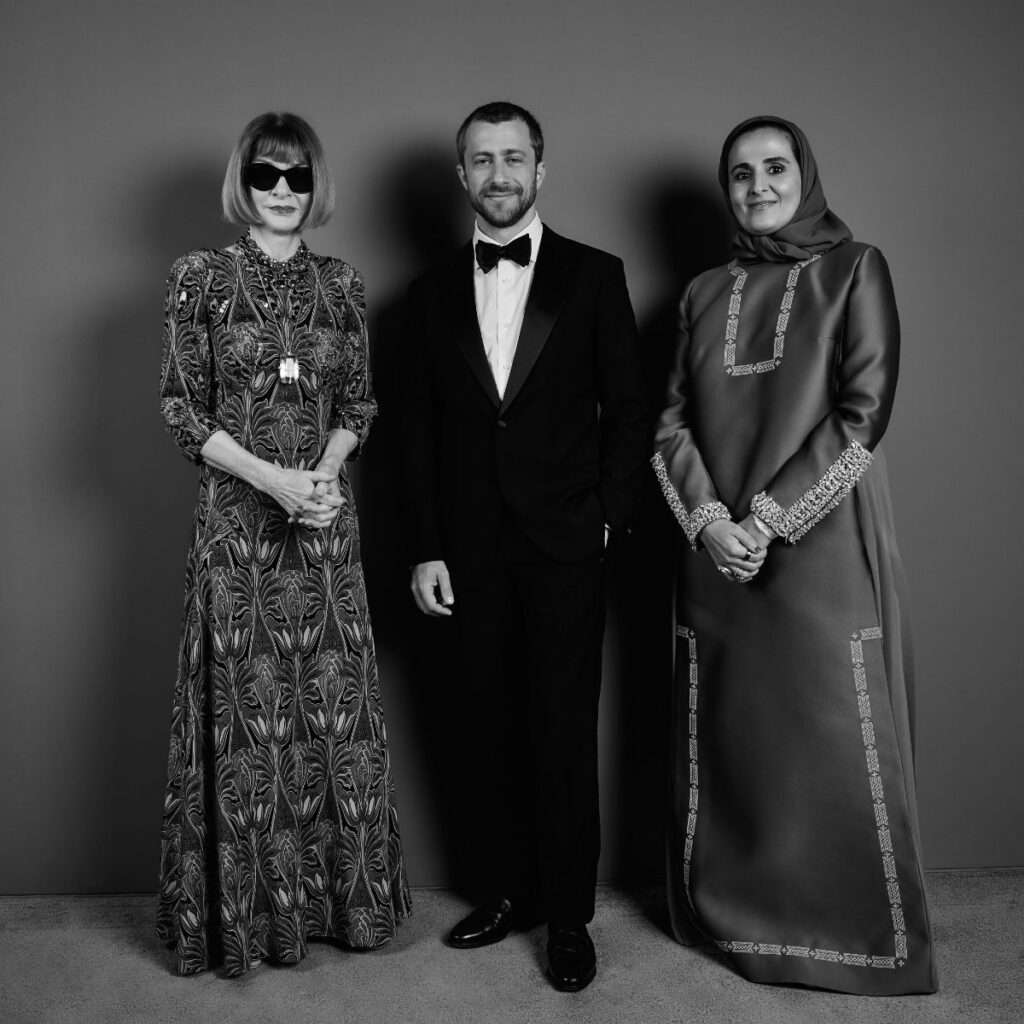
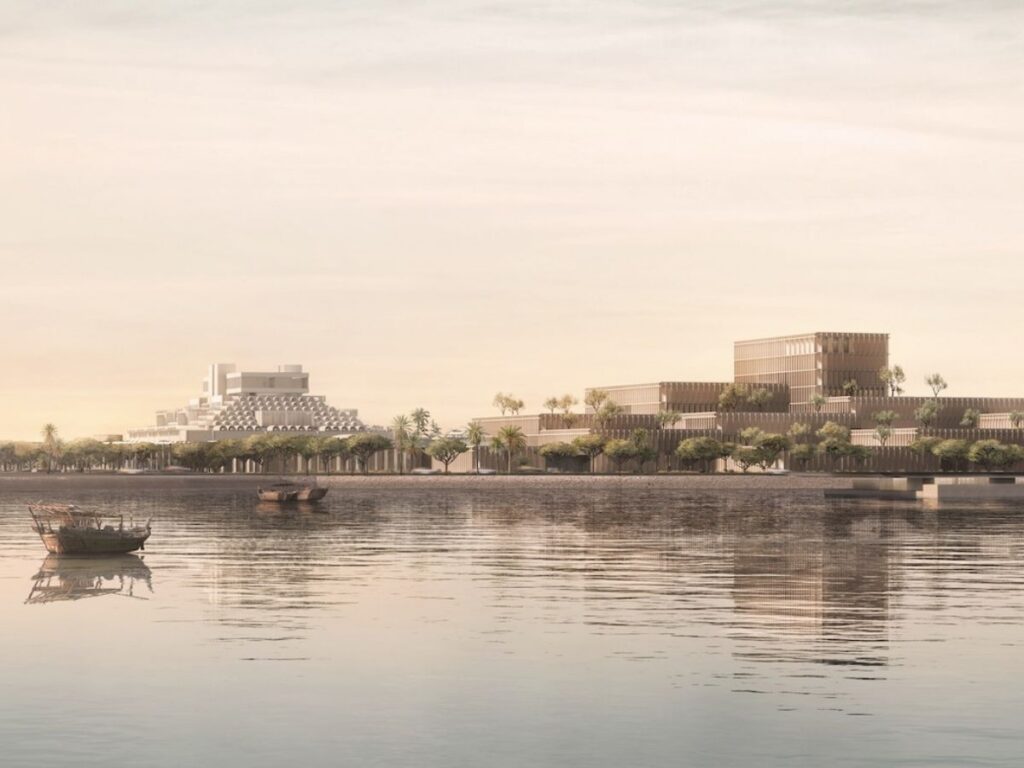
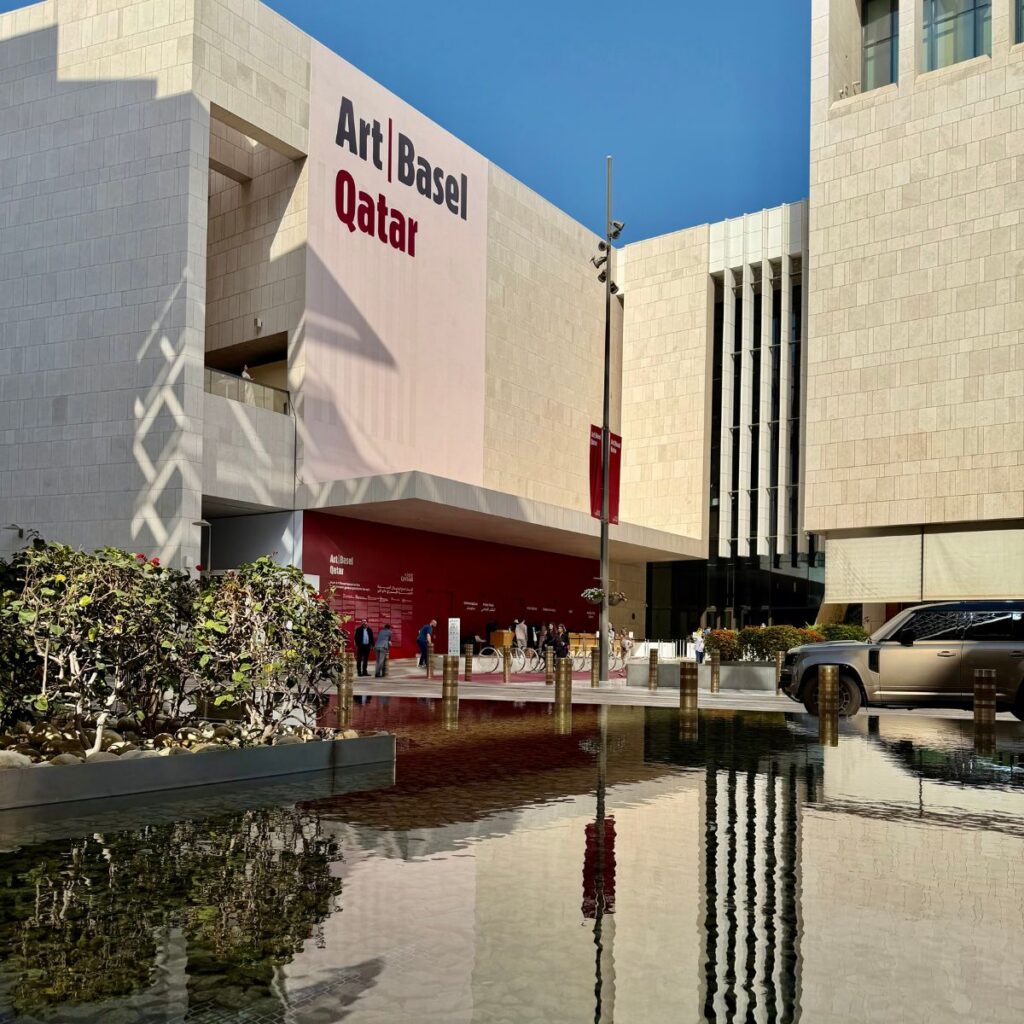
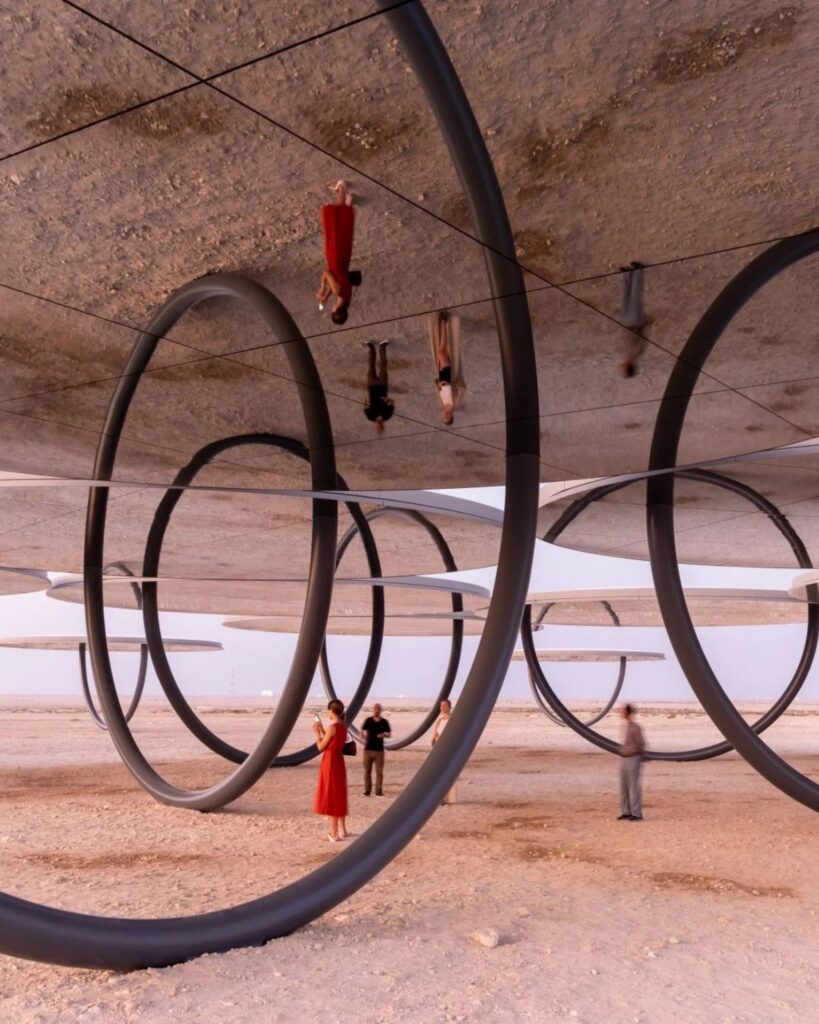
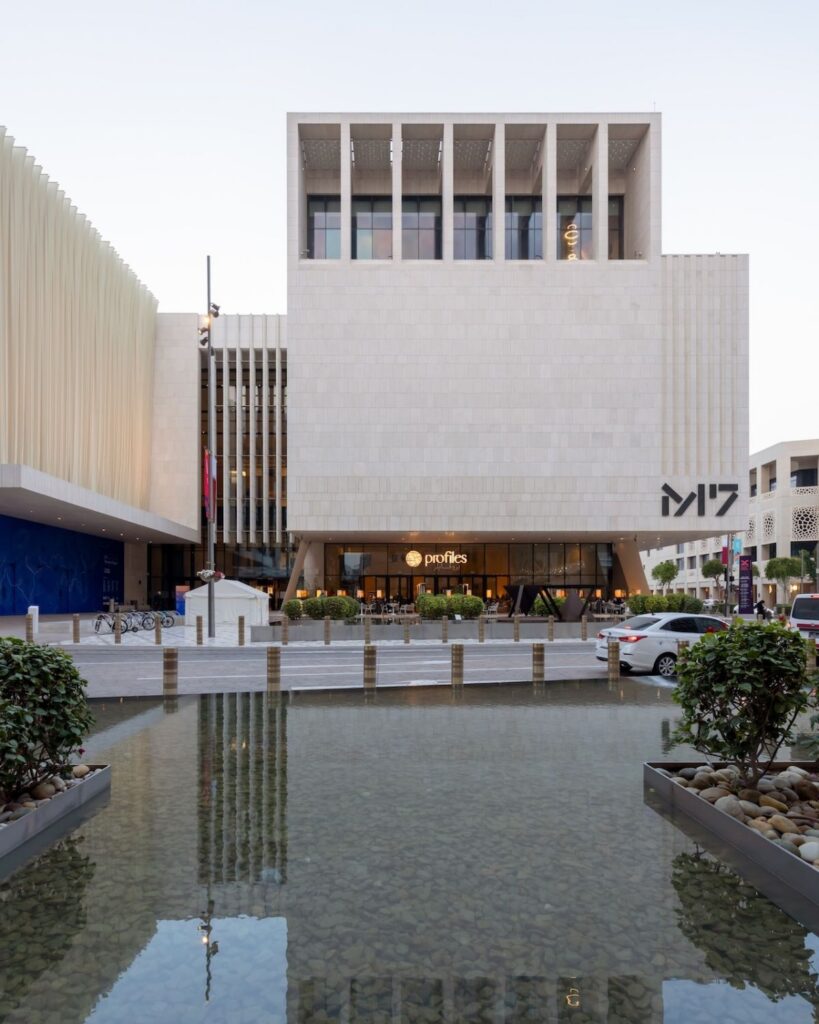
The past two decades have seen astonishing growth in the museums, collections, public art and general institutional standing of Qatar Museums. Led by the vision of Sheikha al-Mayassa, this has accelerated in recent years, with the opening of the new National Museum of Qatar in 2019 and the scheduled completion of the Art Mill Museum in 2030, which will be one of the world’s largest and most significant modern and contemporary art spaces. In the meantime, Mathaf: Arab Museum of Modern Art continues to evolve as a centre for the research and study of Arab art, a series of public art commissions has transformed the landscape of Doha, the Fire Station is home to an ambitious artists-in-residence programme, and Msheireb Downtown Doha is anchored by the design hub M7 and Art Basel Qatar.
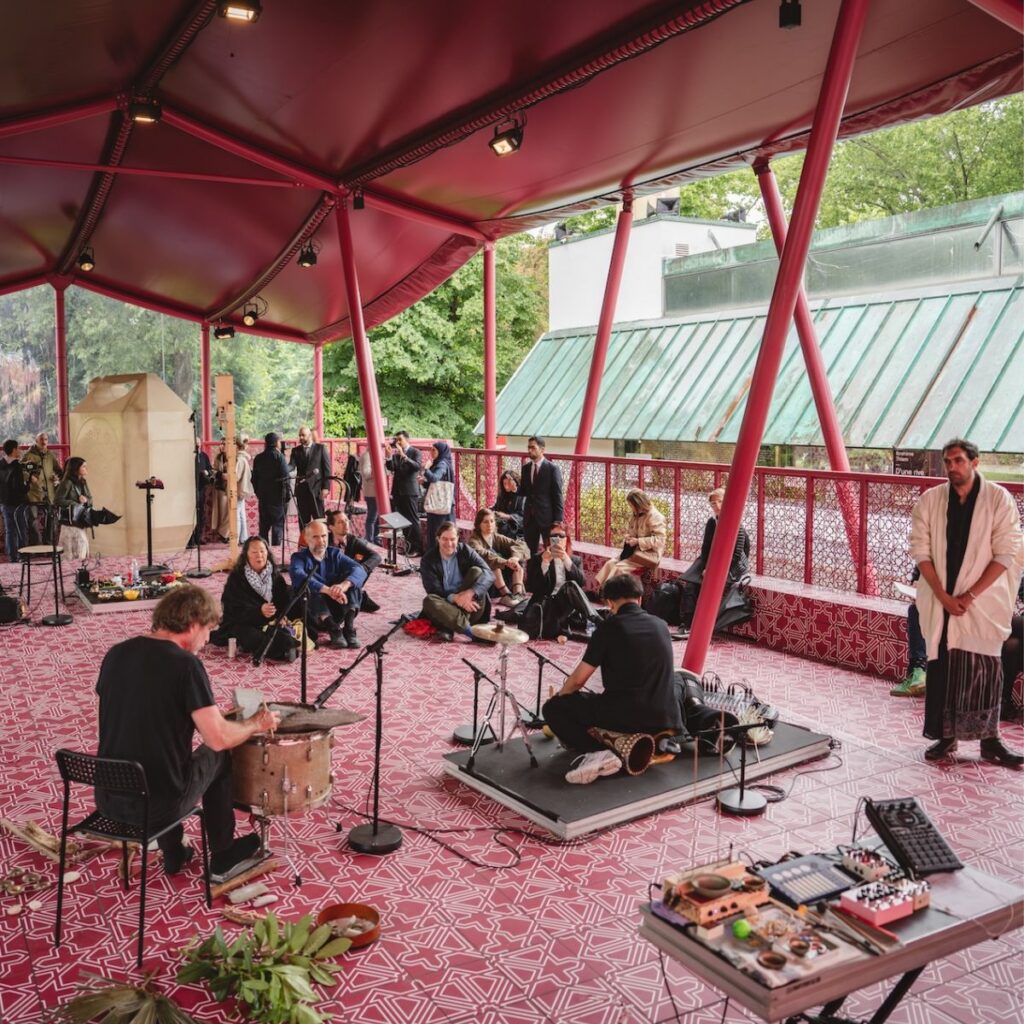
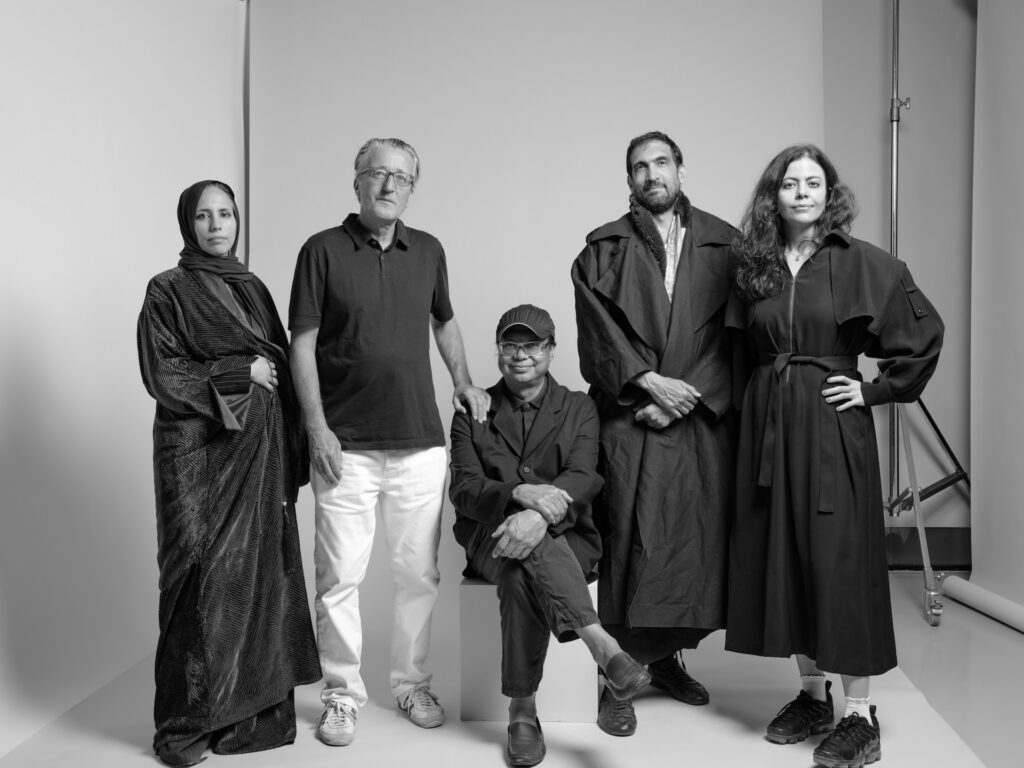
Rubaiya Qatar – a new international contemporary art quadrennial presented by Qatar Museums, launching in November 2026 – is at the heart of this expansive future, both as a showcase for new art and as a catalyst for local institution-building. It reflects a desire to pull together and amplify many of the discreet artistic activities happening across the country. When I was approached to develop this project, my first task was to find a curatorial team. I asked Mark Rappolt, editor-in-chief of ArtReview and one of the most seasoned visitors to global art events, who has sought to expand our knowledge and horizons beyond the west; Ruba Katrib, the Syrian-American curator and director of curatorial affairs at MoMA PS1, who has prominently featured artists from the Middle East and the Global South in her programming; and Shabbir Hussain Mustafa, chief curator at the Singapore Art Museum, who understands modernism not as a universalist category but as a site of tension deeply entangled with the postcolonial world.
Having worked in Doha for some years and participated in and witnessed Qatar’s extraordinary growth, my first inspiration was its people. I experienced their collective resilience and boundless optimism first-hand through the Boycott years (2017–21), the Covid-19 years, and the Fifa World Cup tournament. How might Rubaiya reflect these diverse people while remaining rooted in the Gulf, and how could what we produce make a genuine contribution?
It was Shabbir who suggested we begin a kind of reading group, starting with environmental historian Sunil Amrith’s book Unruly Waters, which provides the title for the central exhibition of Rubaiya. His study explores how water has shaped people and people have shaped water, and how both activities have informed our historical and contemporary realities. The primary focus of Amrith’s study is the Indian Ocean, an area that directly informs Qatar’s current demographics.
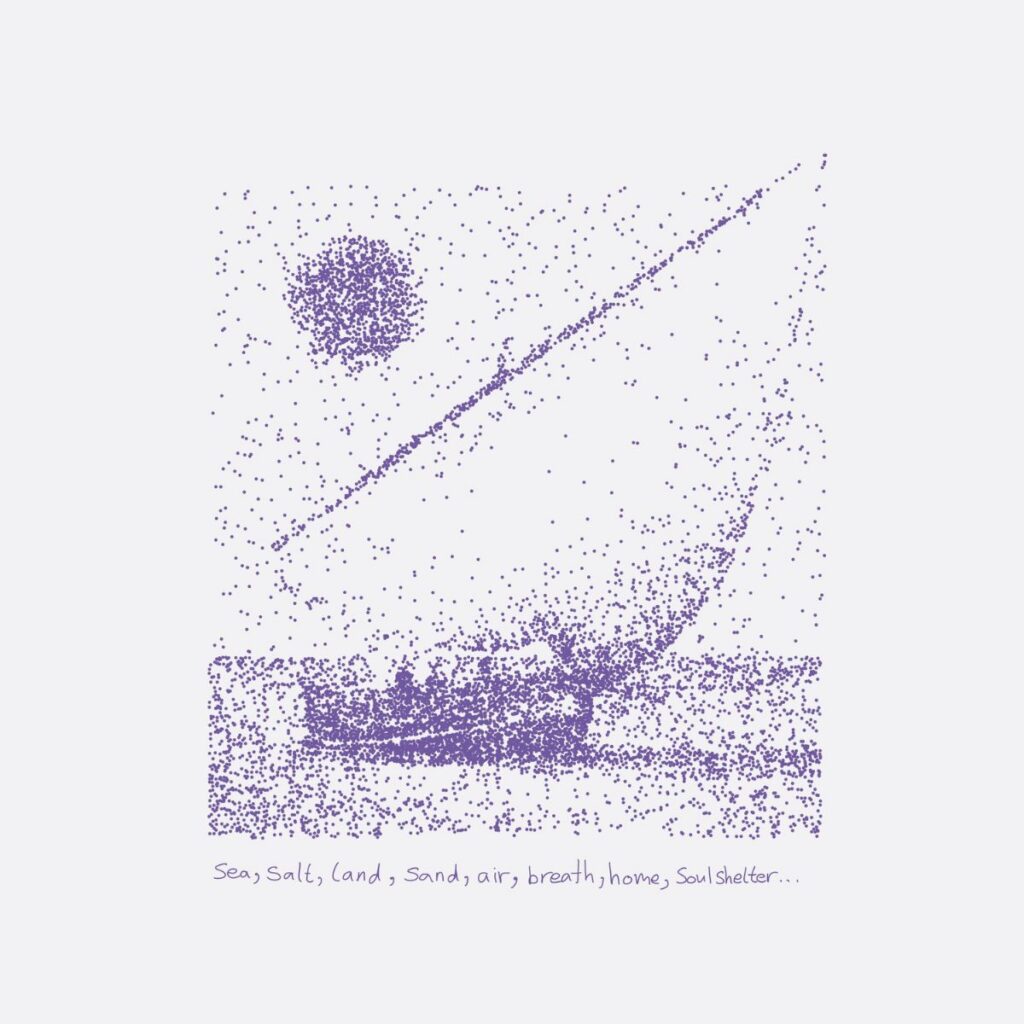
While we were investigating the vast collections of Qatar Museums, colleagues pointed us towards the Cirebon shipwreck, a late 9th to 10th-century ship discovered near Java, Indonesia, in 2003. Part of the vessel, which contained tens of thousands of artefacts, is in the Qatar Museums collection, and the wreck and its cargo are significant in providing archaeological evidence of a maritime Silk Road leading from modern-day Iraq to the Gulf and across the Indian Ocean to southeast Asia and China. The objects from this wreck can be used to tell a story, much like works of art.
These two research projects gave us a conceptual framework through which to explore an older geography, governed not by national borders but by water and winds, tides and rains, and to reflect on the extent to which the present might be informed by it. The 50 or so artists we invited come from a region that is a locus of artistic innovation and research, one that is locally rooted but often diasporic. Their art is engaged with the urgencies of ecological transformation and geopolitical realities, and reflects migratory patterns that have shaped the Gulf for over a thousand years and continue today.
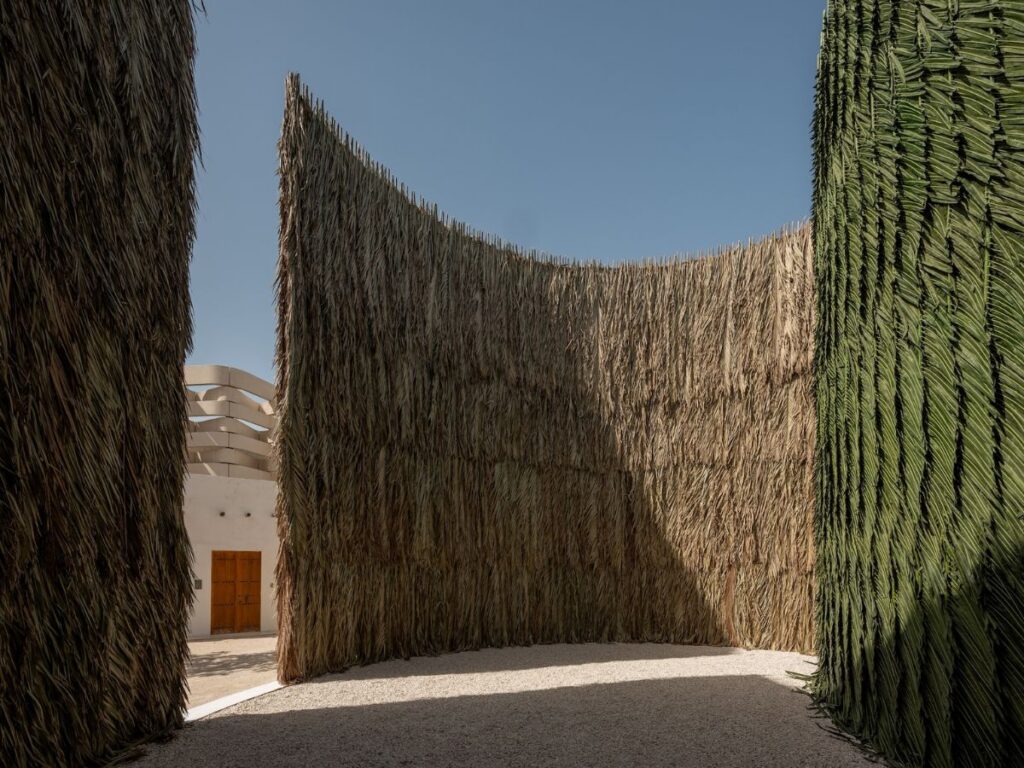
In the aftermath of globalisation, the past two decades have also seen monolithic art history gradually replaced by many art histories. With its unique geographic positioning between east and west, and ever-expanding art infrastructure, Qatar is a perfect environment in which this process can be further explored. Located in the newly transformed Al Riwaq, with satellite exhibitions throughout Doha, Rubaiya Qatar promises to be a rambunctious, poignant reflection on shared histories and present realities manifested in new artistic forms.
Rubaiya Qatar will launch its inaugural edition in November 2026
Cover image: Tom Eccles. Illustration: Anje Jager