- Architecture
- Spring/Summer 2026
- May
A New Old Town
Msheireb Downtown Doha reimagines city centre life by blending walkable streets, innovative passive cooling, sustainable design and cultural heritage. Qatari architect Fatma Al Sehlawi explores how this ambitious project has transformed the historic heart of Doha
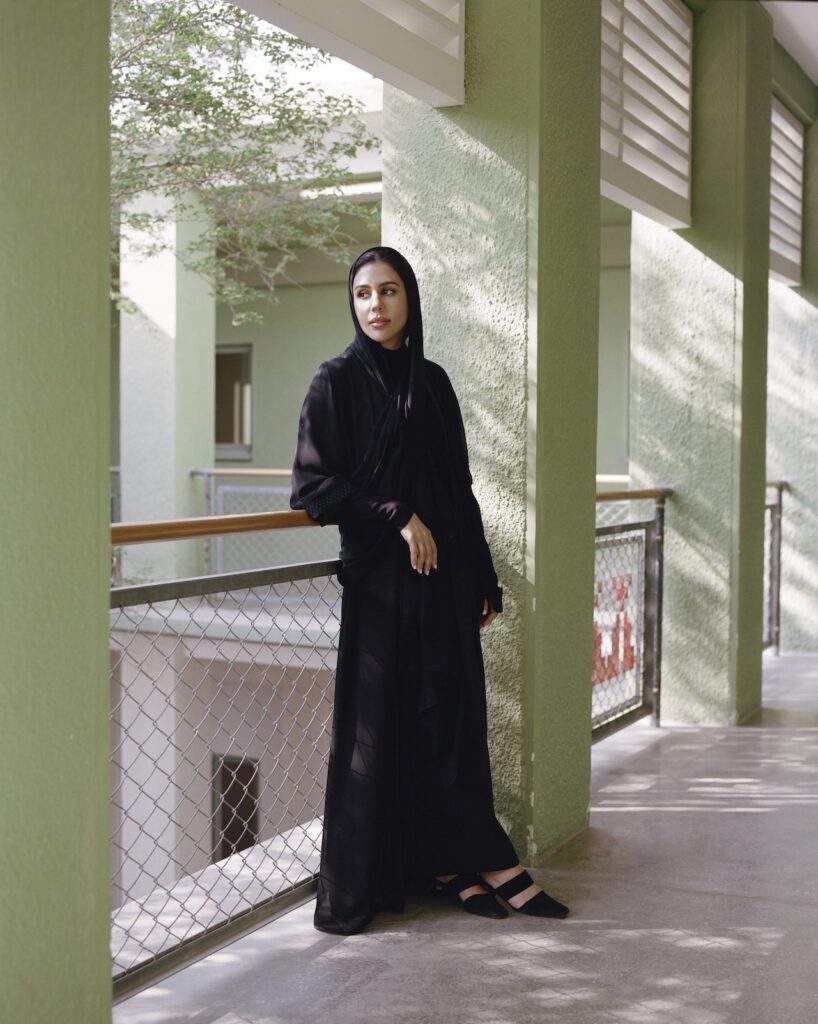
Words Fatma Al Sehlawi
Photography Iwan Baan
A New Old Town
Msheireb Downtown Doha reimagines city centre life by blending walkable streets, innovative passive cooling, sustainable design and cultural heritage. Qatari architect Fatma Al Sehlawi explores how this ambitious project has transformed the historic heart of Doha
Words Fatma Al Sehlawi
Photography Iwan Baan
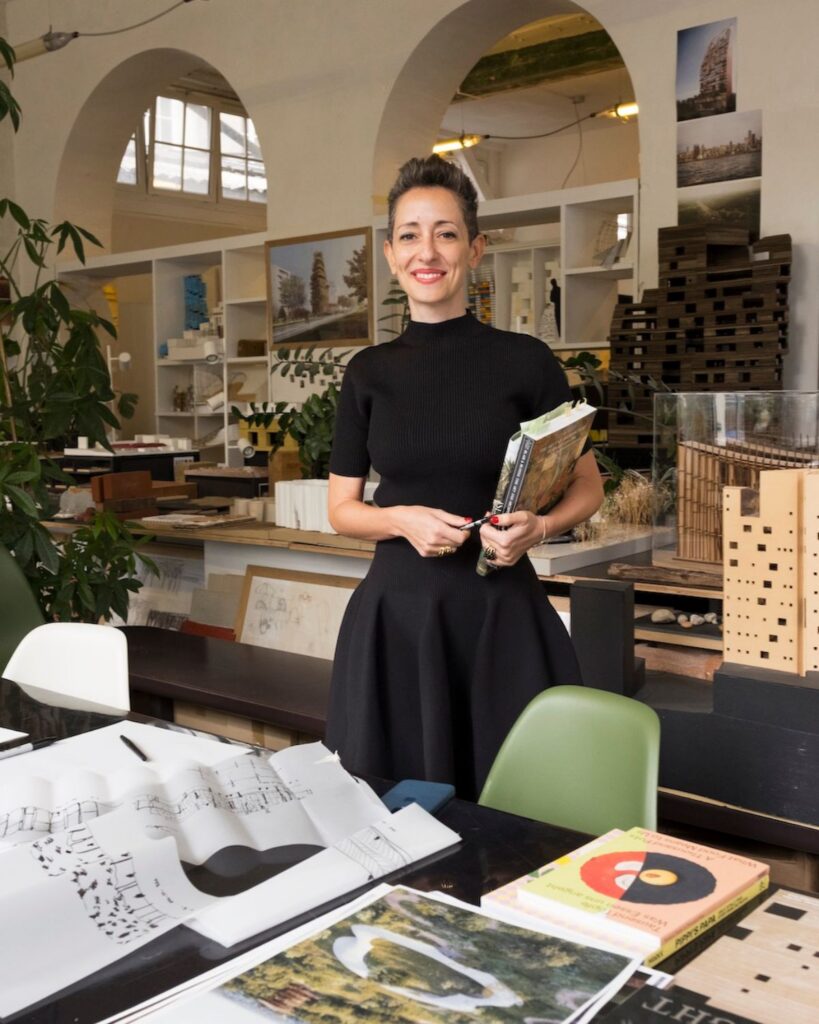
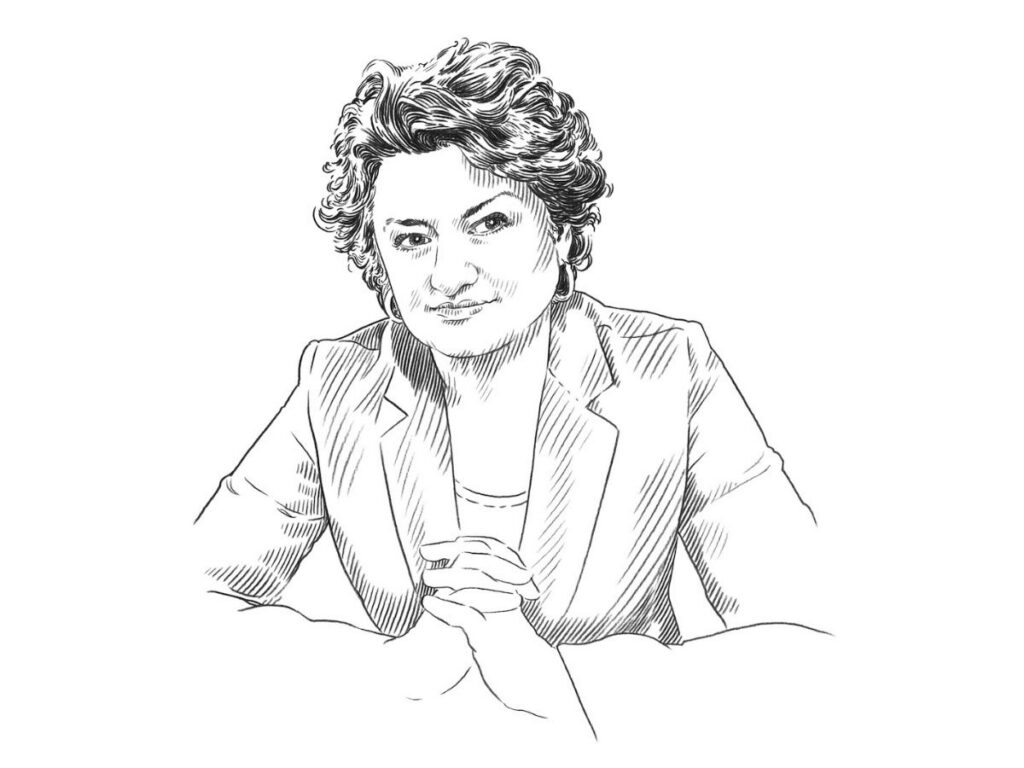
I work in Msheireb Downtown Doha, so I walk through it every day. As an architect, my habits are observing proportions, tracking shade, noticing built form and how people animate the neighbourhood's streets. But as a tenant and co-founder of Atlas Bookstore and creative agency Studio Imara, my relationship with the district is also practical and emotional.
Every day, I unlock doors, receive many deliveries and clients, host collaborators and conversations, and watch how people move, pause and gather. Over time, Msheireb has ceased to be an abstract urban project and become something more demanding: a lived environment that must perform socially as much as it does architecturally.
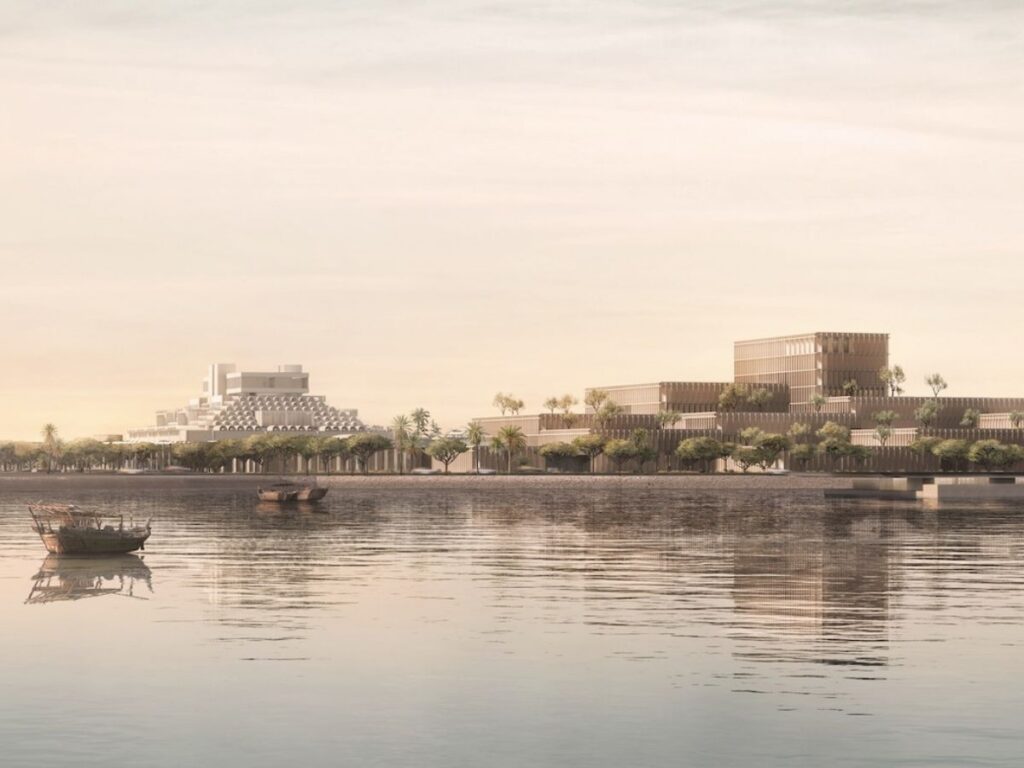
Msheireb is often described as a “new old town”, a phrase that evokes heritage while promising novelty. Yet this shorthand flattens one of the most ambitious contemporary urban projects in the region. Msheireb is not a revival of historic form, nor a branding exercise in cultural continuity. It is a serious attempt to place architectural intelligence, climate logic and social life into the centre of Doha. At a time when cities globally are grappling with car-led planning, climate stress and fragmented public life, Msheireb proposes an alternative. It suggests a more human scale for density, an architectural approach to sustainability, and presents heritage as a framework for invention rather than a constraint.
Finding a Framework
The origins of Msheireb Downtown Doha are found in a clear vision championed by Her Highness Sheikha Moza bint Nasser, chairperson of the Qatar Foundation. From the outset, the project was conceived as a civic intervention rather than a conventional development: a reimagining of the historic centre as a walkable, mixed-use neighbourhood rooted in Qatari urban principles and aligned with Qatar’s National Vision 2030. Planning commenced in 2006 and the project was officially announced in 2009 by Msheireb Properties, which was established to deliver this ambition. As a developer, it approached the project understanding that remaking the city centre required more than buildings – it needed a planning framework that would be capable of sustaining density, climate responsiveness and everyday life over time.
The Msheireb Downtown Doha masterplan was developed collaboratively, with Arup and AECOM leading the masterplanning and infrastructure work, and Allies and Morrison guiding the design language across the site, including serving as architect for many of the buildings. Rather than producing a fixed final image, the team developed a robust urban framework that prioritised street hierarchy, block structure, shading and mixed-use density over singular architectural gestures.
The Seven Steps
At the heart of Msheireb’s planning and design are the “Seven Steps”, a manifesto that translates Qatari urban traditions into a contemporary architectural language. Developed by Msheireb Properties and Allies and Morrison, the Seven Steps guided the design of every building, street and public space. The steps are: Continuity, Individual & Collective, Space & Form, Home, Streets, Designing for Climate, and A New Architectural Language. The principles within these steps were codified in a manual that shaped facade rhythms, material palettes, colonnades, shading devices and public realm details, ensuring Msheireb feels cohesive and contextually rooted, even while multiple architects contributed. They have also been published as a book for other architects and developers to adopt across the country.
The Seven Steps provided a framework within which a distinguished group of international architects designed Msheireb’s buildings (see below) – mostly in a collaborative way. This approach deliberately subordinated individual authorship to urban coherence. Height, massing, materiality and shading were controlled within this framework, protecting the integrity of the whole.
Hence the Seven Steps revived the logic of traditional Qatari neighbourhoods in a contemporary setting. The baraha, or public square, invites gathering and social life; sikkas, the narrow, winding pedestrian alleyways, create shaded, intimate paths through the district; and ahwash, or courtyards, provide private outdoor spaces that encourage interaction while mitigating the climate. These elements transform historical urban principles into a modern, walkable and socially vibrant city centre informed by climate-responsive strategies.
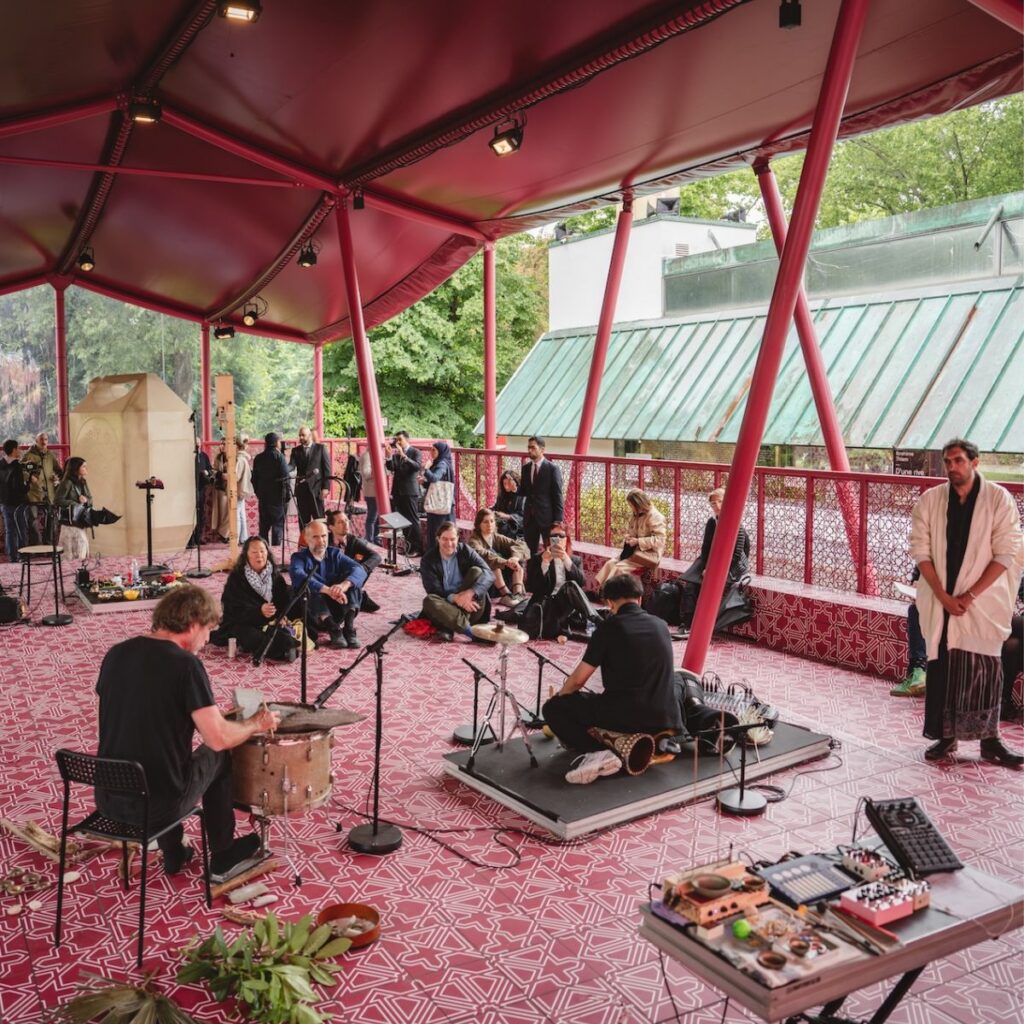
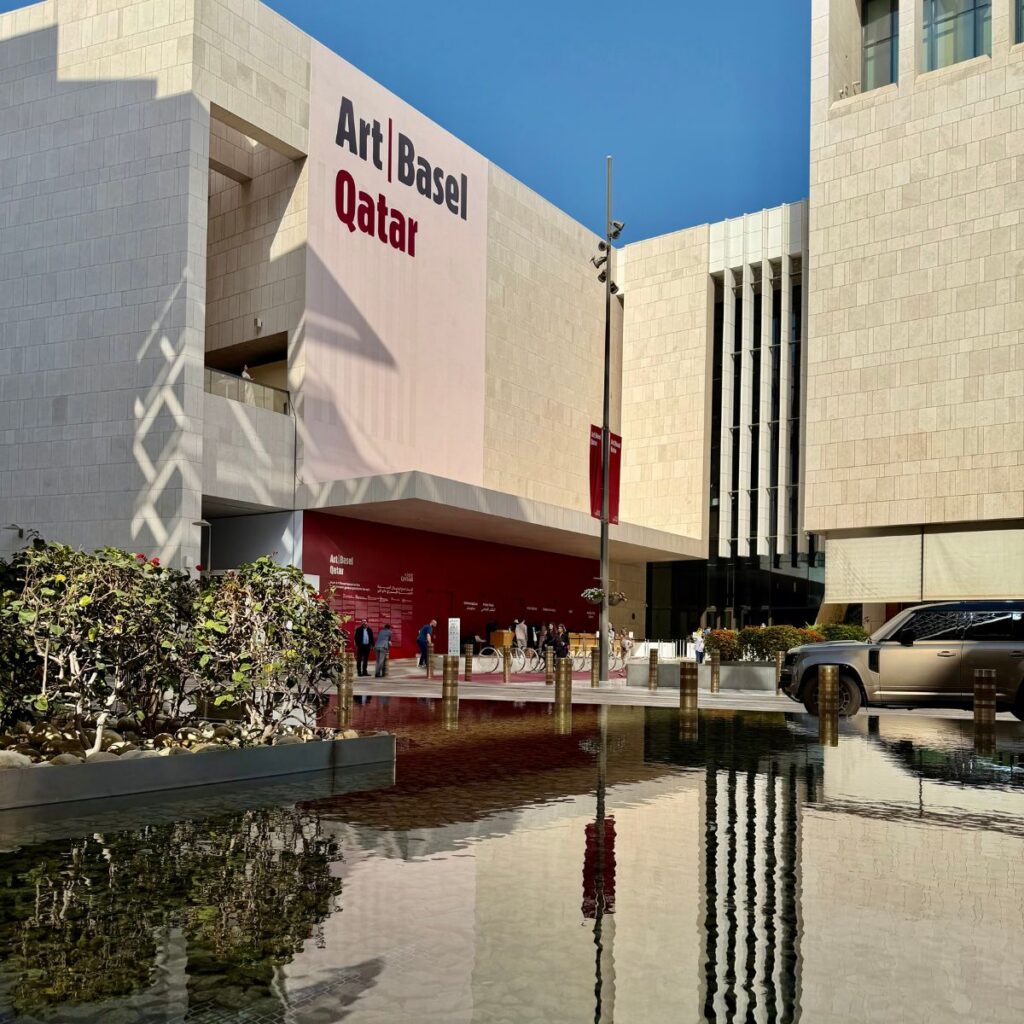
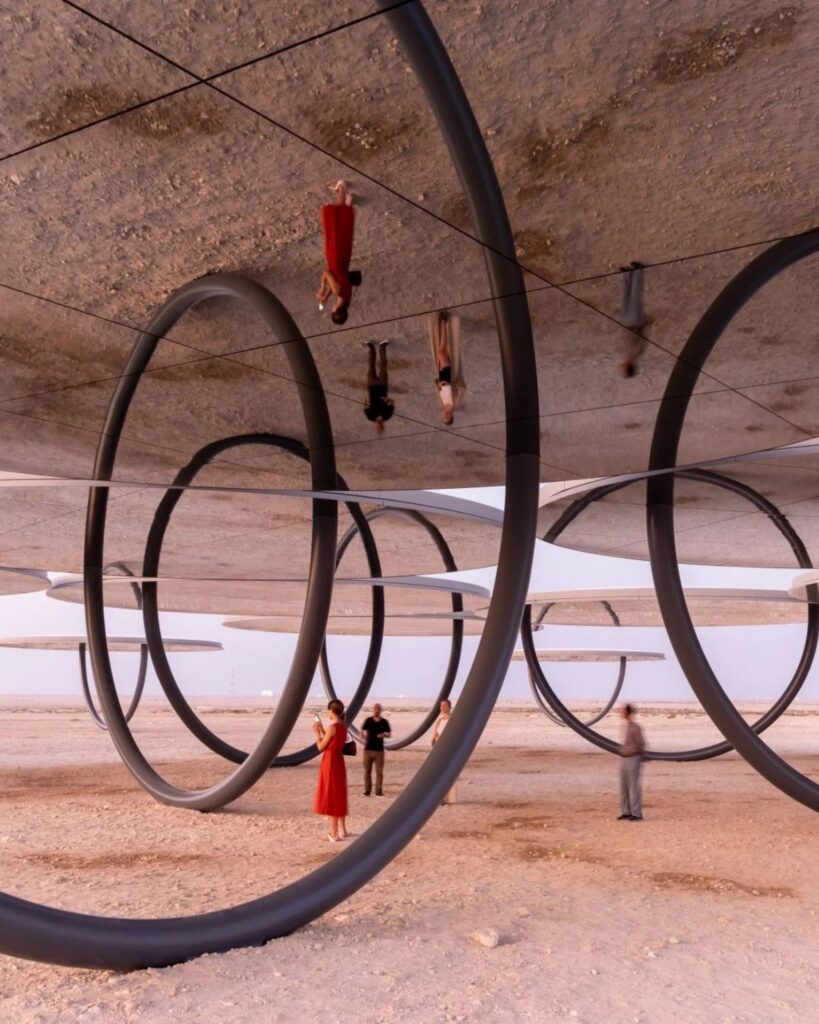
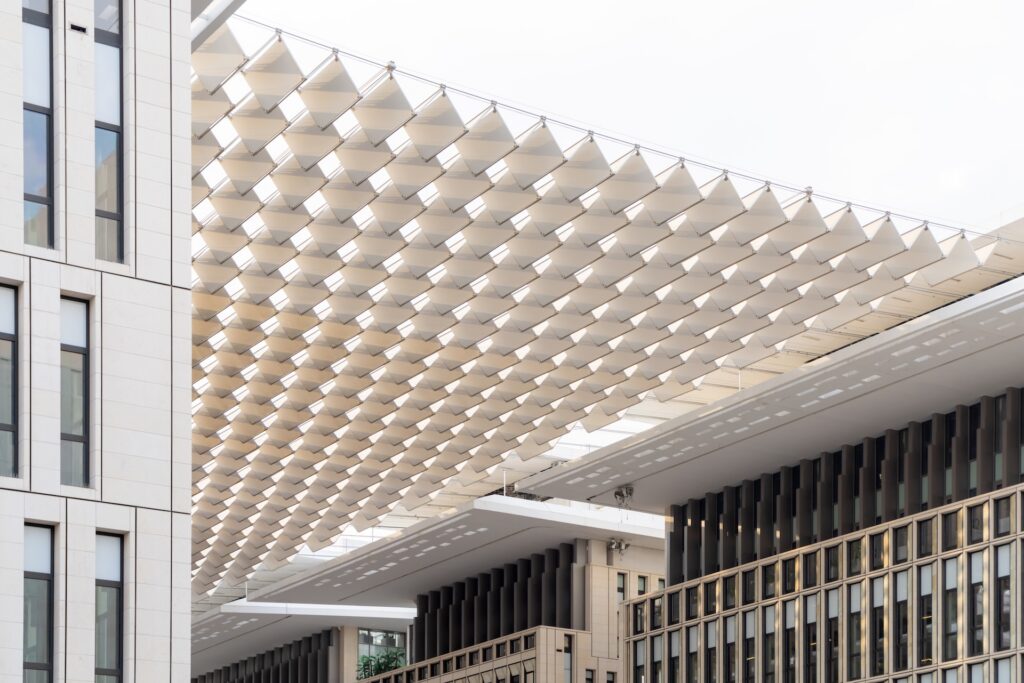
The retractable roof of Msheireb’s Barahat, for example, provides adaptive shade, natural ventilation and comfort for public gatherings. It is a vibrant civic space for markets, performances and gatherings, as well as public installations such as In the Assembly of Lovers, which was designed by architect Sumayya Vally for the inaugural Art Basel Qatar, linking heritage with contemporary public life.
The Architects
Allies and Morrison
The “architectural voice” of the masterplan and designers of around 30 buildings in Msheireb.
Arab Engineering Bureau
by Ibrahim Jaidah
Collaborated with John McAslan + Partners and offered traditional Qatari architectural services for heritage quarters.
Adjaye Associates
Part of the collaborative team involved in the masterplan.
Eric Parry Architects
Designed three residential buildings and collaborated on 15 other buildings in Phase 3.
Gensler
Acted as the lead consultant and architect for Phases 2 and 3.
John McAslan + Partners
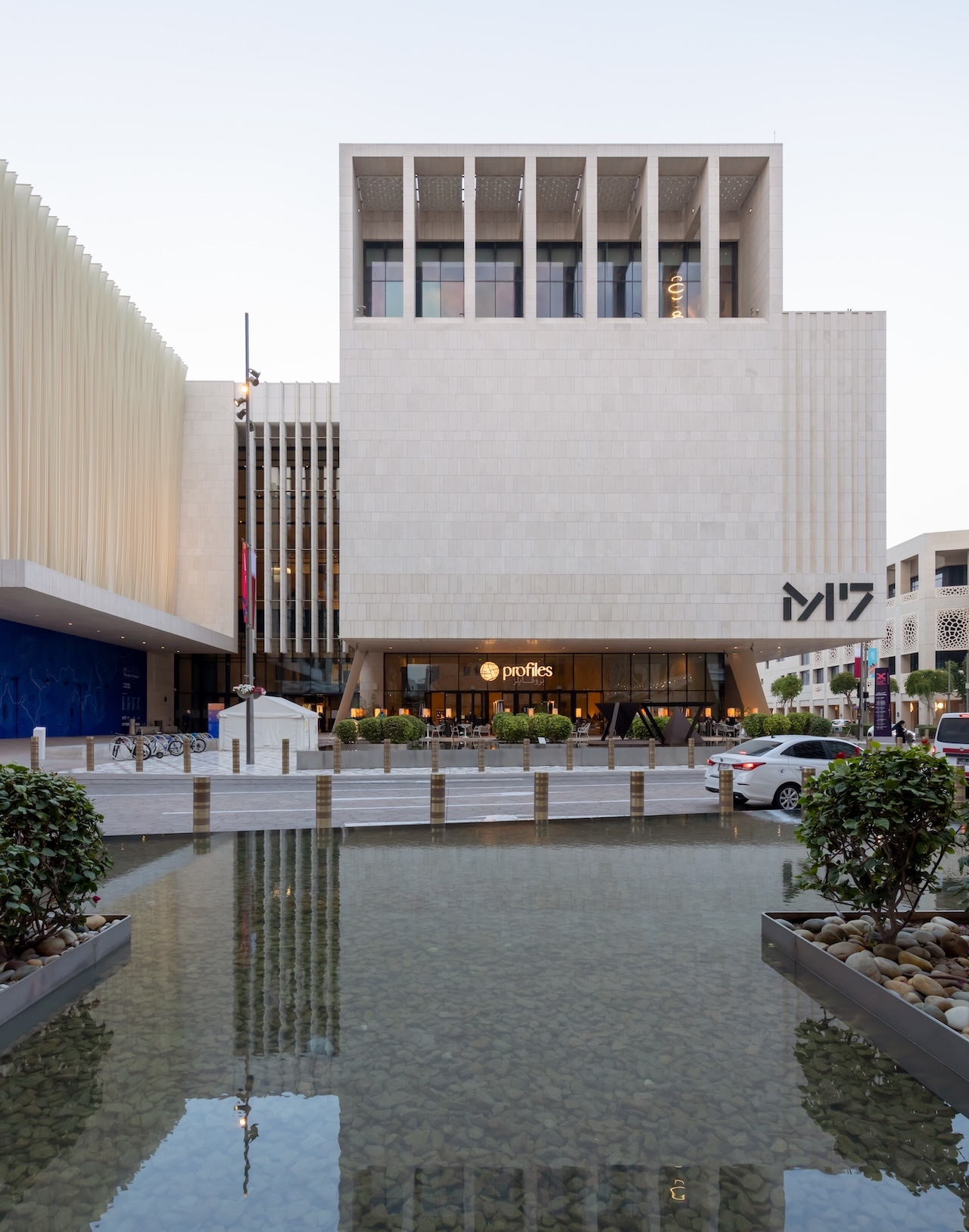
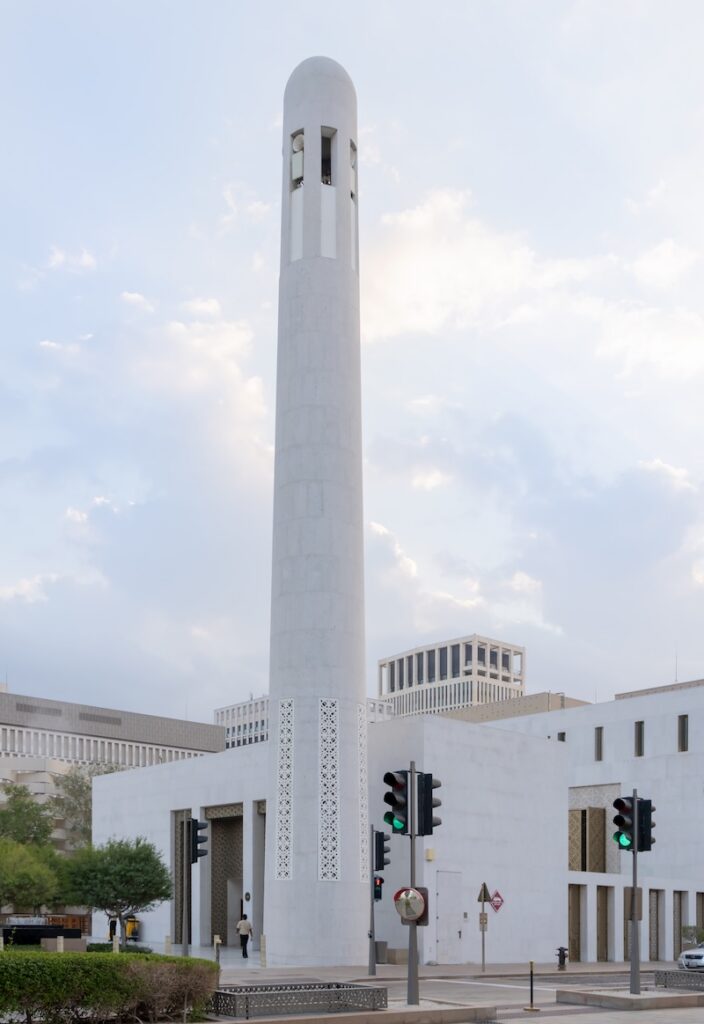
Designed Msheireb Museums, Msheireb Mosque and M7.
Mossessian Architecture
Designed 23 buildings, including nine around Barahat Al Nouq square and the commercial hub.
Squire & Partners
Designed six buildings – apartments, offices, retail, restaurants and a hotel.
HOK
Collaborated on the design of 15 buildings in Phase 4.
Mangera Yvars Architecture
Designed part of the mixed-use development in Phase 3.
Reclaiming the Centre
Historically, the area now occupied by Msheireb was dense and socially active, defined by courtyard houses, neighbourhood mosques, markets and narrow alleys. Like many Gulf cities, after the boost to the economy that followed the discovery of oil and gas reserves, Doha’s centre was gradually hollowed out by development that favoured road infrastructure, zoning separation and outward expansion.
Fereej (neighbourhood) Msheireb developed as a westward extension of Doha during the mid-20th century, attracting residents as the city expanded. The name Msheireb derives from the phrase “the place of drinking water”, referring to the freshwater wells that once supplied surrounding neighbourhoods such as Fereej Al Bidaa.
By the early 1950s electricity supply in Doha was limited to Qasr Al Hukum (the ruling palace) and a handful of public buildings. This began to change in the mid-1950s with the installation of the city’s first electrical cables on Al Kahraba Street – literally “Electricity Street” – in Msheireb, following the establishment of the first power station nearby. Al Kahraba Street became the first street in Doha to be illuminated by streetlights and electric signage, accelerating commercial growth and influencing building typologies and trading activity.
As Fereej Msheireb expanded, its streets filled with markets and shops. Older residents recall many of Doha’s “firsts” appearing here: the first hotel, pharmacy, and cafes serving cold drinks and Levantine dishes. Tailors, barbers, photographers, butchers, poultry shops and clothing stores shaped the area’s social life.
These layered urban memories underpin Msheireb’s contemporary redevelopment, which seeks not to replicate the past but to recover its density and sociability.
Redeveloping the district was both architectural and ideological: the project sought to reclaim the centre as a place to live, work, walk and, most importantly, learn. Cities reveal their values most clearly in how they treat their centres, and the ambition was to make the heart of Doha meaningful once more.
“Cities reveal their values in how they treat their centres… the ambition was to make the heart of Doha meaningful once more”
Fatma Al Sehlawi
Walking the Walk
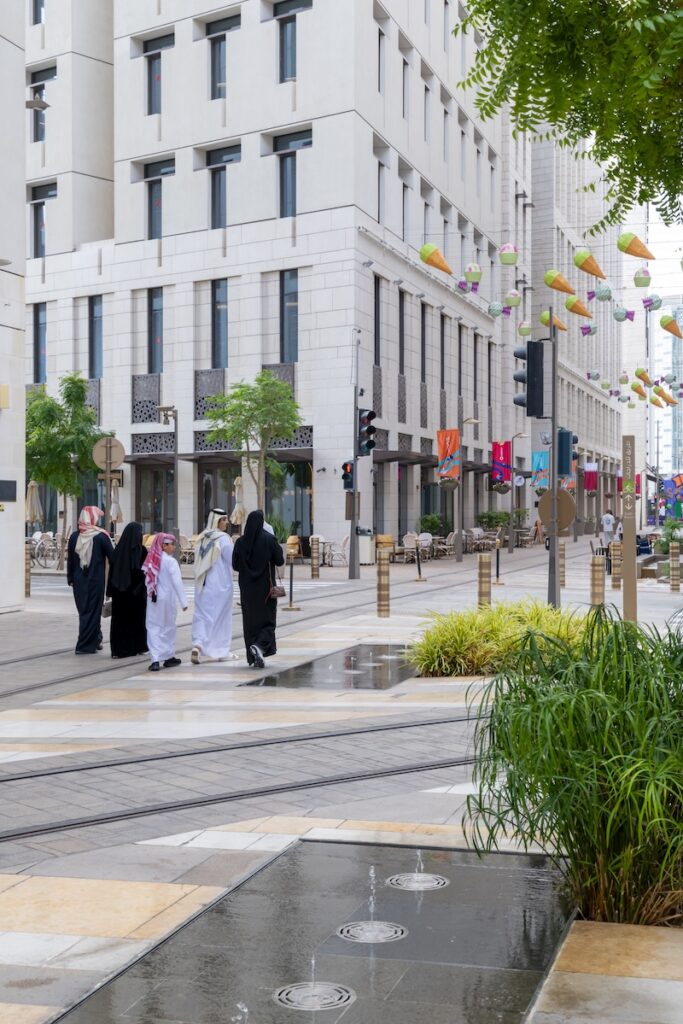
Walkability is central to Msheireb's philosophy. Prioritising pedestrians over vehicles reshapes how people relate to one another and the city itself – particularly in a city such as Doha. When distances are short and streets comfortable, chance encounters become possible. Public life, so easily eroded, has space to re-emerge.
Shade is crucial to putting this ideal into practice: in Doha's hot climate, walkability cannot be achieved on paper alone – it must be built. Colonnades, recessed facades and arcades create comfort. Cars are present but managed: service access is discreet and visual priority is given to people rather than traffic. As a local, I know exactly which sides of the streets and alleys in Msheireb are in shadow at different times of the day, allowing me to walk entirely in the shade throughout the year.
Msheireb Metro station anchors the district in the city's wider public transport network, supporting accessibility while reinforcing a pedestrian-first, car-conscious ethos. Pedestrian tunnels link the area directly to Souq Waqif and the Amiri Diwan (Qatar's bureaucratic centre), physically and symbolically connecting the new city centre to Doha's historic and civic landmarks. This extends Msheireb's reach beyond its boundaries, integrating it seamlessly into the life of the wider city.
Modernism with Modesty
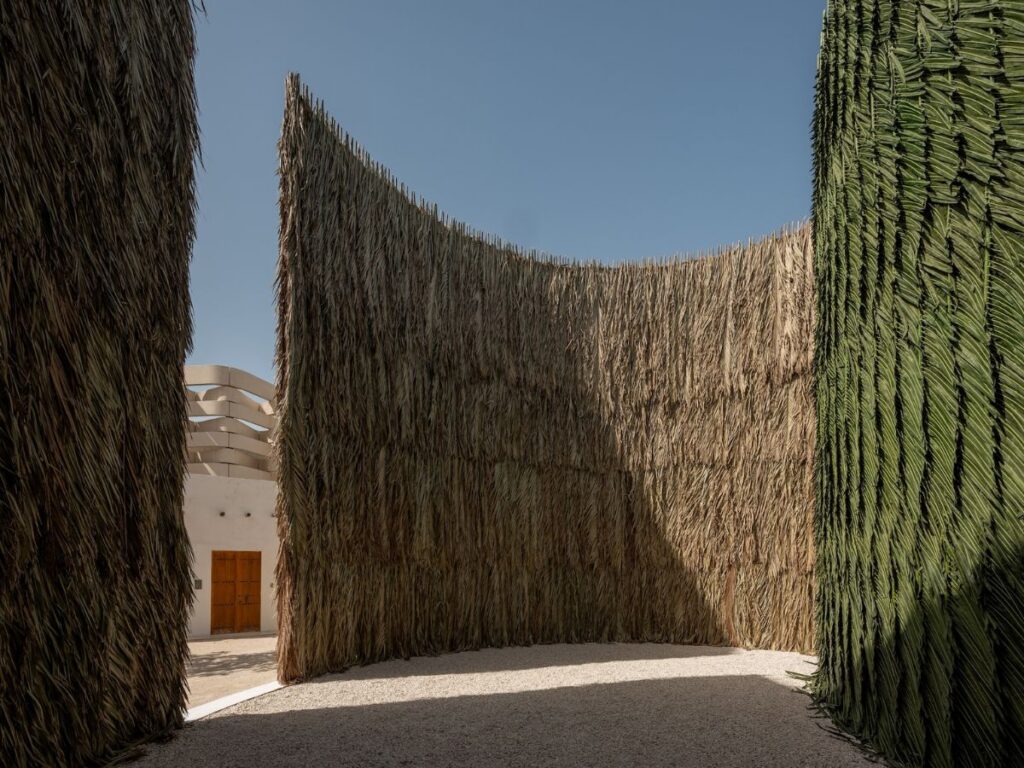
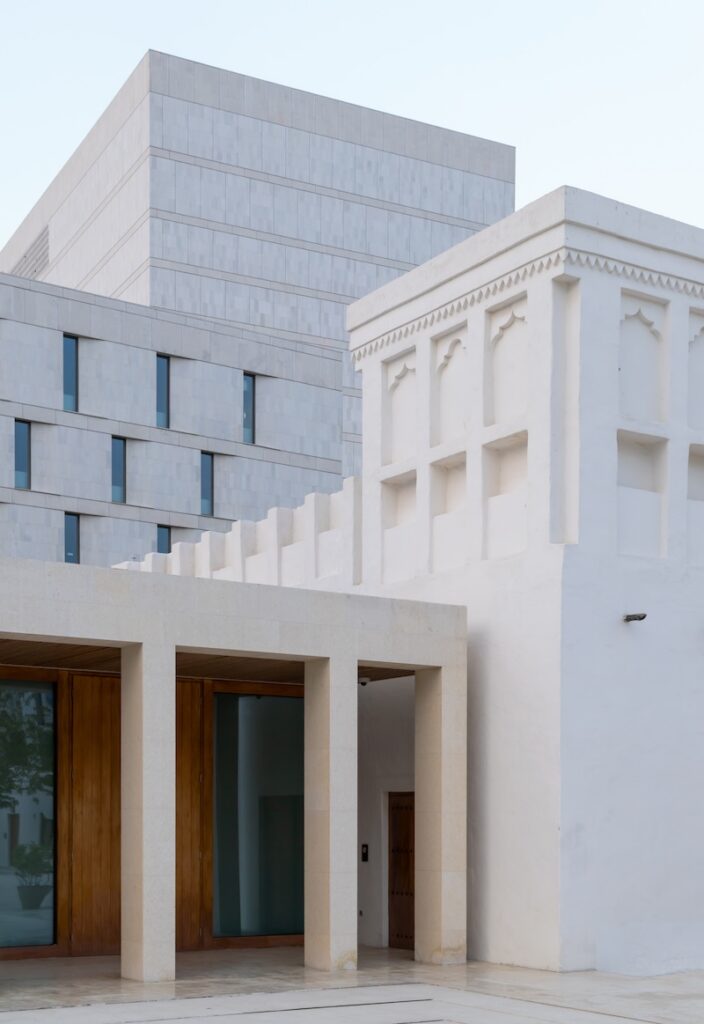
Msheireb refuses architectural spectacle. Buildings share a restrained material palette of stone and precast concrete, with textured surfaces and a consistent proportional logic. Windows are deeply recessed, facades layered, and roofs are treated as climatic elements rather than expressive crowns. Here, modernity is expressed through energy efficiency, adaptability and durability. Msheireb also avoids nostalgia and imitation. Instead of replicating historic forms it abstracts the underlying principles: hierarchy, enclosure, privacy gradients and social interaction, translating them into contemporary plans and sections.
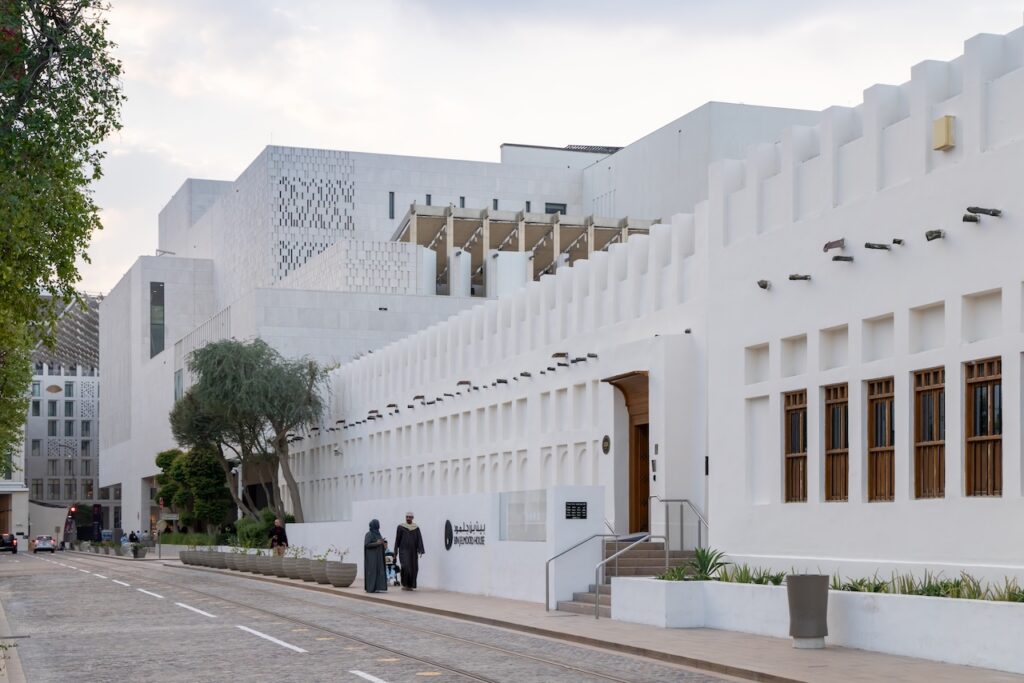
A dedicated quarter – Msheireb Museums – brings together four museums that preserve and reinterpret historic buildings. Bin Jelmood House evokes the history of the Indian Ocean slave trade in a former trader’s courtyard home; Company House was the first headquarters of an oil company in Qatar and Radwani House showcases typical Qatari family life, together with archaeological remains of an ancient settlement. Finally, Mohammed Bin Jassim House is the restored home of a member of the royal family, which narrates the history of Doha and Msheireb and illustrates how their architectural heritage inspired the Seven Steps.
Among the notable buildings in the area before the redevelopment was the Eid prayer ground: a rectangular courtyard enclosed by a low wall. On Eid mornings it was a gathering place where people from across Doha came together to pray. Today the prayer ground has been preserved and enhanced, seamlessly integrating it into the new urban fabric. Its presence, along with the contemporary mosques of Msheireb, allows collective religious rituals to take place in the heart of the city, affirming that faith remains a public, spatial practice that coexists with commerce, culture and daily civic life.
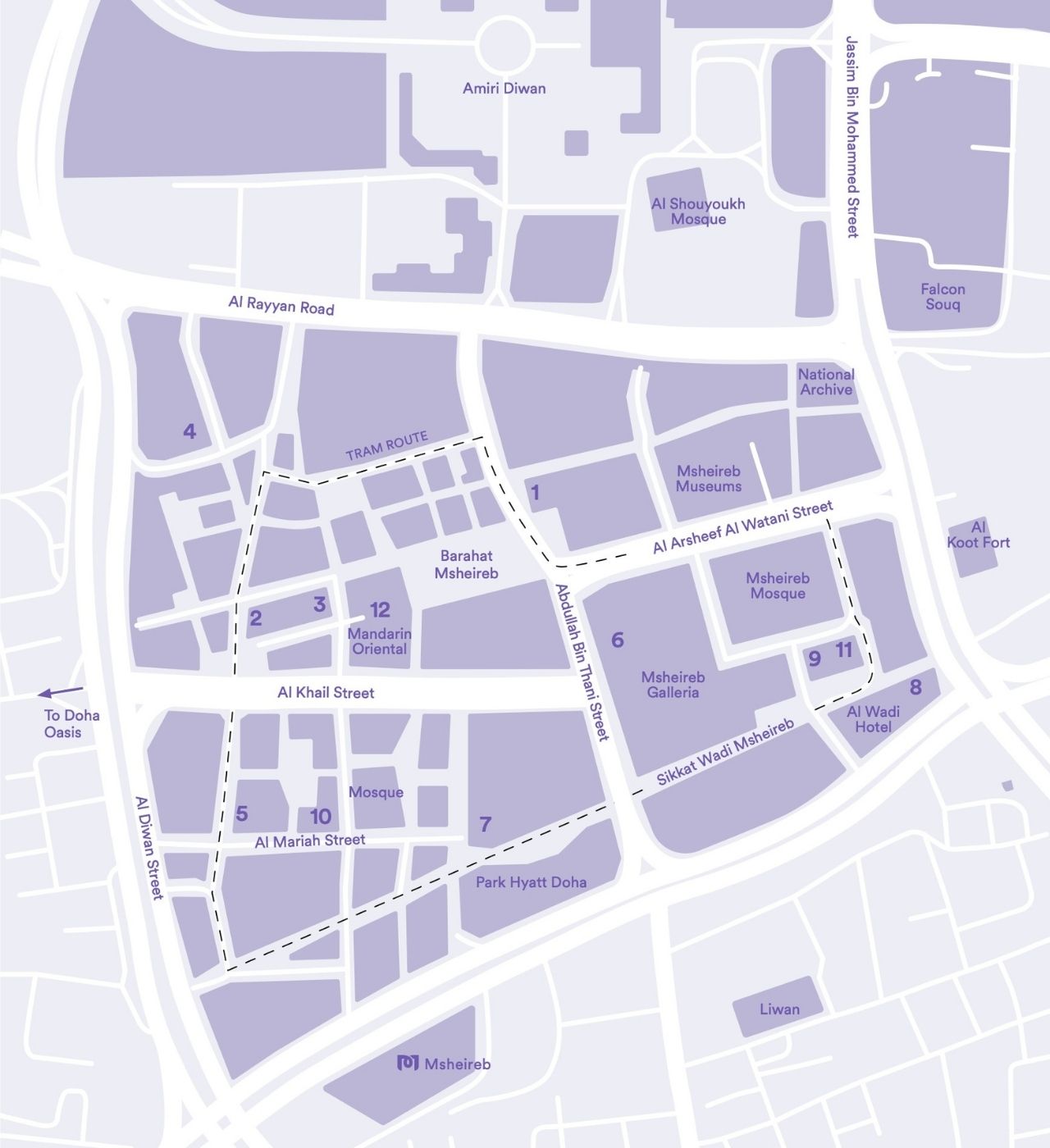
Discover Msheireb
1. The cultural instigator: M7
A creative hub dedicated to fashion, design and research with studios, public programmes and informal gathering spaces.
2. The date seller: Qinwan
Specialising in Medjool dates, Qinwan has five boutiques in Doha – including this cafe.
3. The luxury artisan: Al Bidaa Concept Store
A boutique offering everything from silk scarves and leather goods to homewares.
4. The neighbourhood school: Qatar Academy Msheireb
One of five branches of the International Baccalaureate World School in Doha.
5. The edutainer: TLC Nursery
A daycare that offers activities such as kids’ yoga, theatre tots, drumming circle and mud play.
6. The children’s wardrobe: ODD
Known for colourful children’s clothes from international brands and timber toys.
7. The abaya design studio: TRZI
A boutique selling contemporary abayas by fashion designer Amna Ahmed Al-Misned.
8. The florist: Blumen
Artistic florist that creates bespoke arrangements and seasonal floral installations.
9. The gowns in town: HEC Paris
HEC Paris – which launched Qatar’s first International Executive MBA – has a new campus in Msheireb.
10. The coffee shop: Earth
A specialty coffee shop serving organic brews with beans sourced from around the world.
11. The culinary originals: Beirut Restaurant
An authentic Lebanese restaurant that opened in 1960 – the hummus is a must-try.
12. The hotel: Mandarin Oriental
A contemporary five-star hotel with bespoke interiors, a holistic spa, health club and acclaimed restaurant IZU.
Living the Dream
As a tenant, Msheireb reveals itself to me through daily use. I observe how the district shifts from corporate mornings to evening sociability: people recognise one another, young children walk and play, elders sit, conversations spill out into the street. Msheireb is, however, not without challenges. Some spaces are still negotiating their identity and the balance between programmed and organic activity. Yet the district has the capacity to adapt. Ground floors are generous, buildings robust, and public spaces invite reinterpretation.
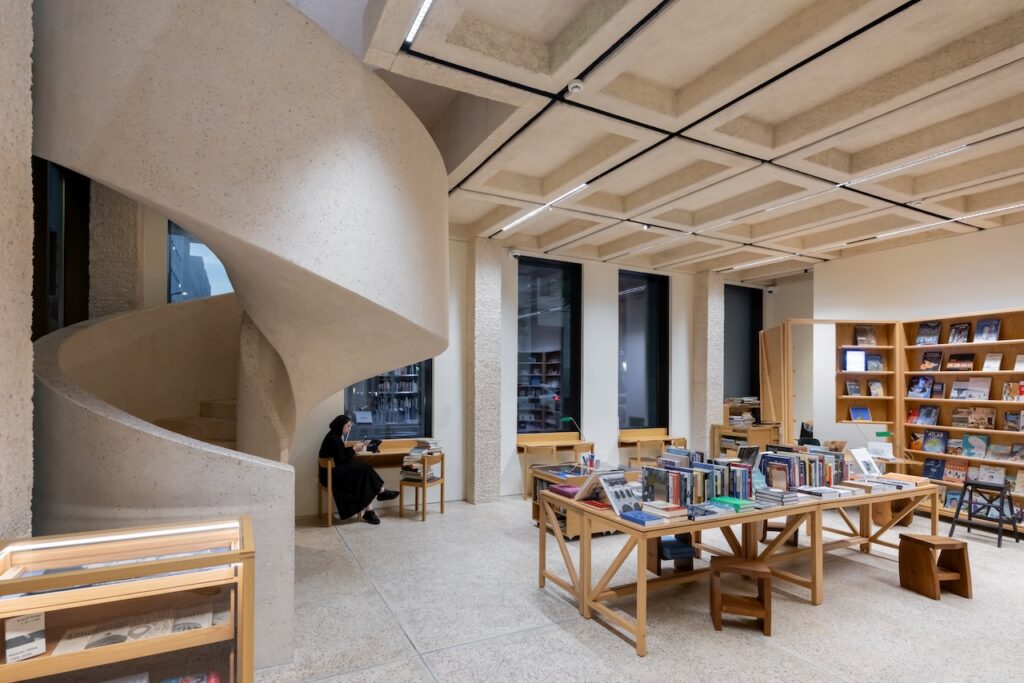
Atlas Bookstore was founded by my sister Reem and me in 2015 in the belief that books, and the conversations they provoke, remain central to civic life. We chose Msheireb deliberately, not because it was already established but because it was aspirational. Its emphasis on walkability, culture and public engagement aligned closely with our values.
“It is not only a district but a proposition for how cities might once again belong to their inhabitants”
Fatma Al Sehlawi
Atlas is an independent bookstore and reference library focused on the built and natural environments of the Arab world, and the first of its kind in Qatar. Our shaded street-facing windows allowed us to introduce a small gallery as part of the space, bringing the work of artist and designer friends directly to the street and making creative practice visible to passers-by.
I designed Atlas through Studio Imara, the architectural practice I co-founded with Nasser Al Emadi. Our offices are located on the floor above the bookstore, a vertical layout that brings design and literature into close proximity. The space also aligns with Msheireb’s architectural principles. Our storefront opens directly onto the street, allowing the boundary between inside and outside to blur and passers-by to wander in. This kind of serendipity is architectural, relying on scale, permeability and proximity.
What makes Msheireb special is not any single tenant or institution but the way these elements coexist within walking distance: education beside commerce, worship beside leisure, childhood beside professional life, heritage beside homes. Together they demonstrate that Msheireb is not a district of destinations but a district of routines.
Vision for the Future
Msheireb Downtown Doha challenges the assumption that cities must choose between global modernity and local identity. It demonstrates that sustainability can be spatial, density humane, and heritage forward-looking. As an architect, I see Msheireb as a case study that rewards long-term observation. As the tenant and co-founder of Atlas Bookstore and Studio Imara, I experience it as a place supporting daily life, creativity and exchange. Rarely do these perspectives align so clearly.
Msheireb suggests that the future of urbanism in Qatar, and perhaps beyond, does not lie in spectacle or scale alone, but in care: care for our climate, culture and the ordinary rituals of city life. In that sense it is not only a district but a proposition for how cities might once again belong to their inhabitants.
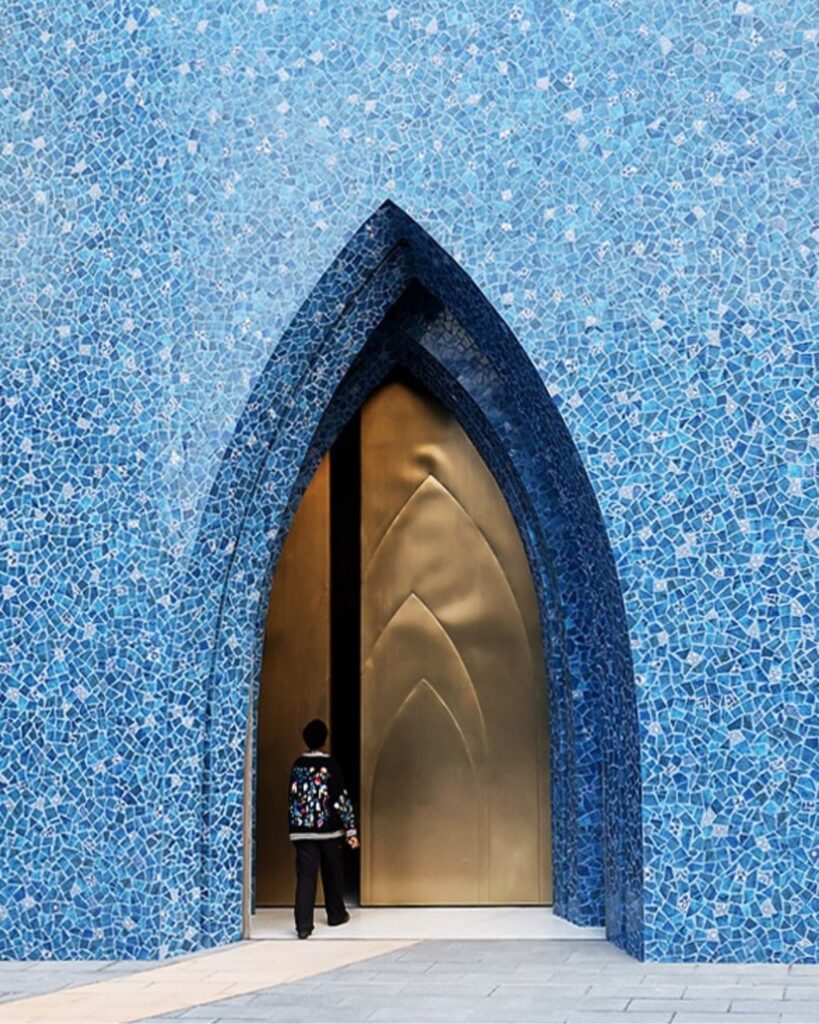
Cover image: A shared visual language creates a cohesive architectural identity across Msheireb Downtown Doha