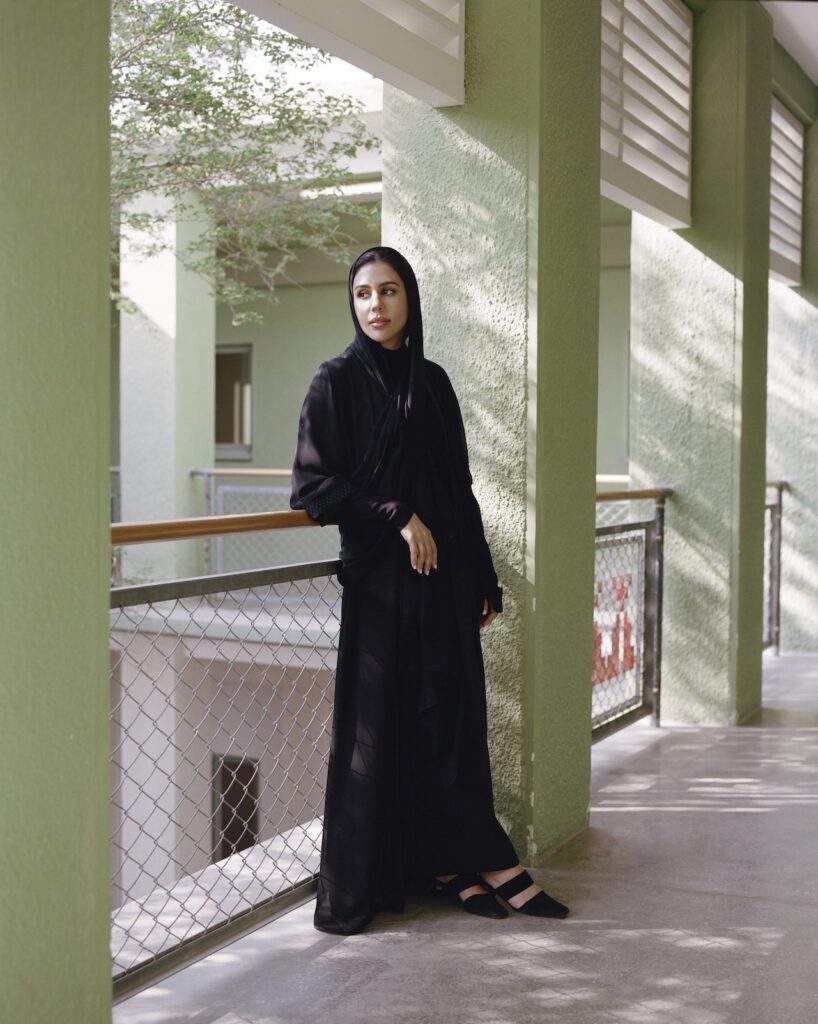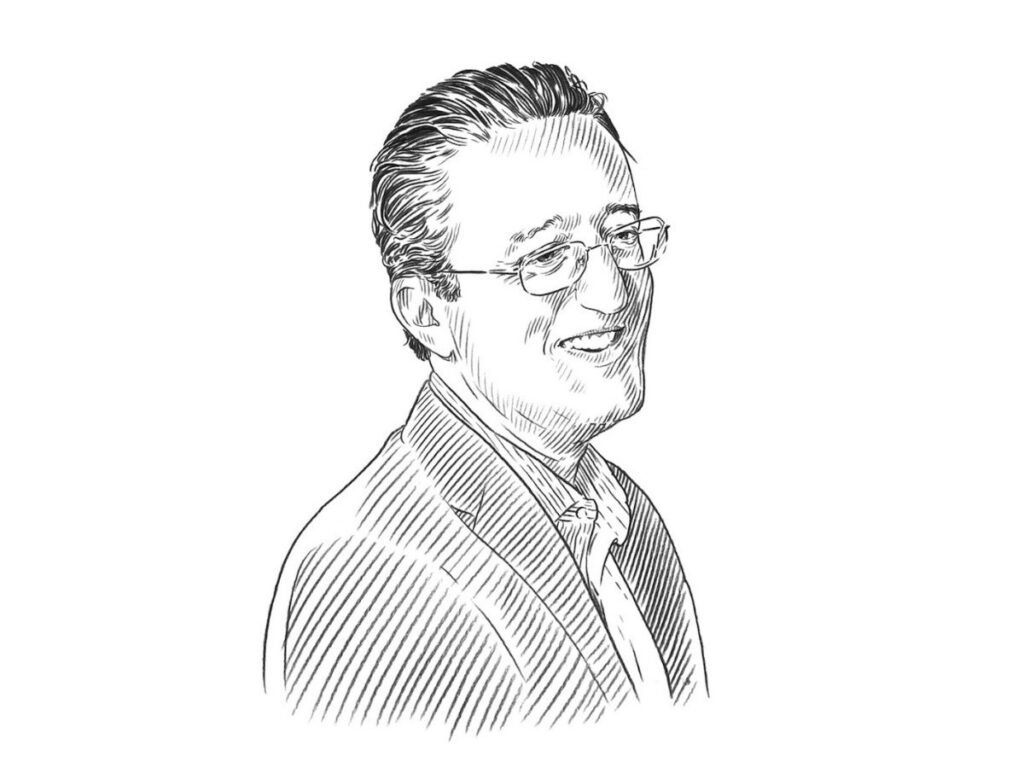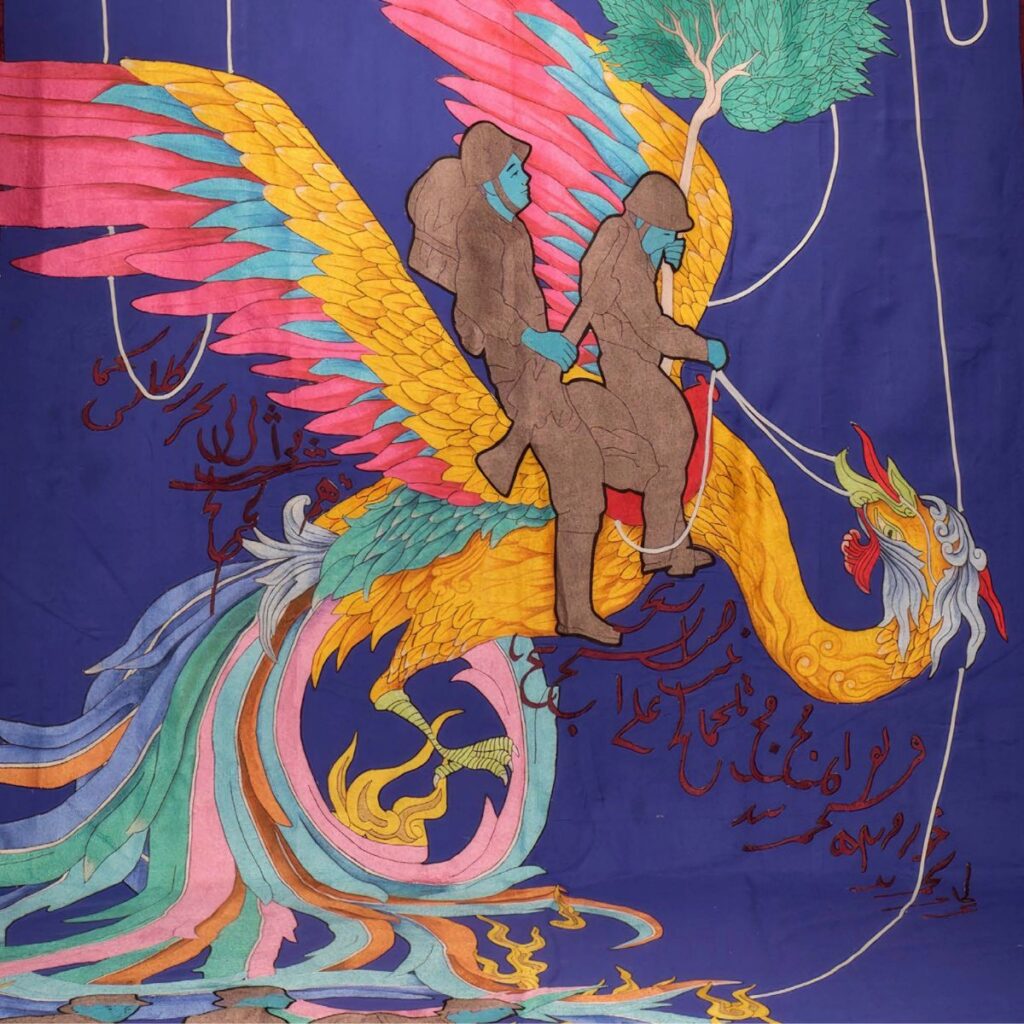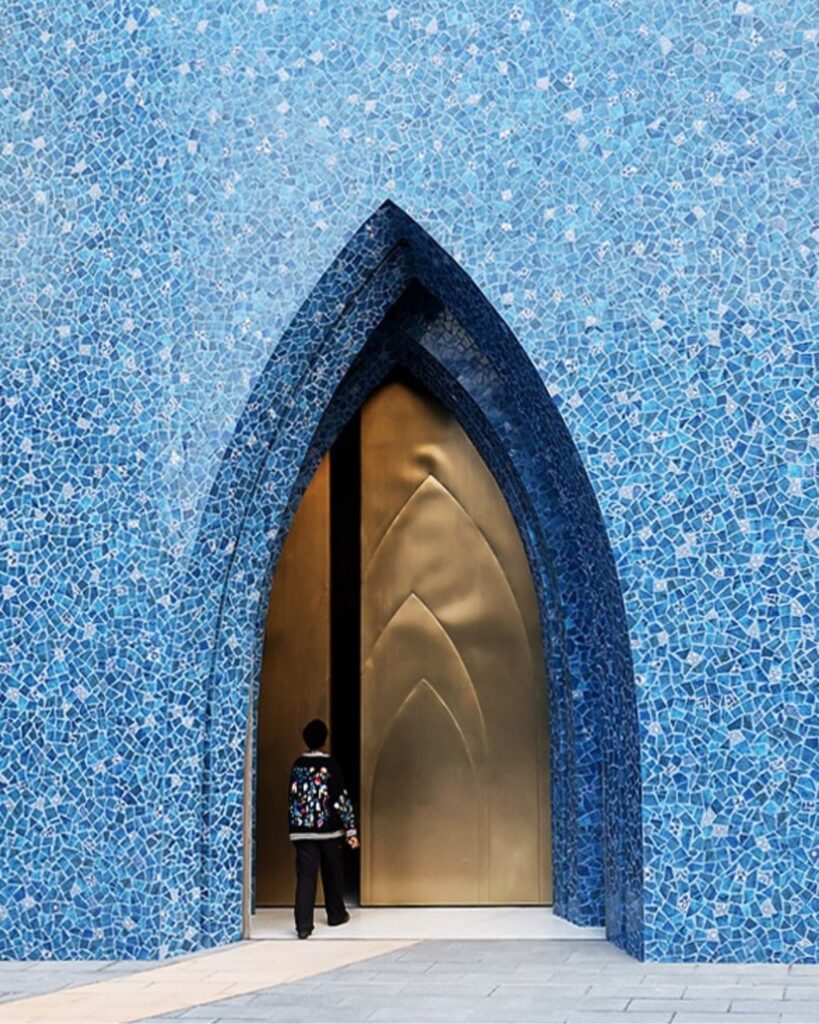
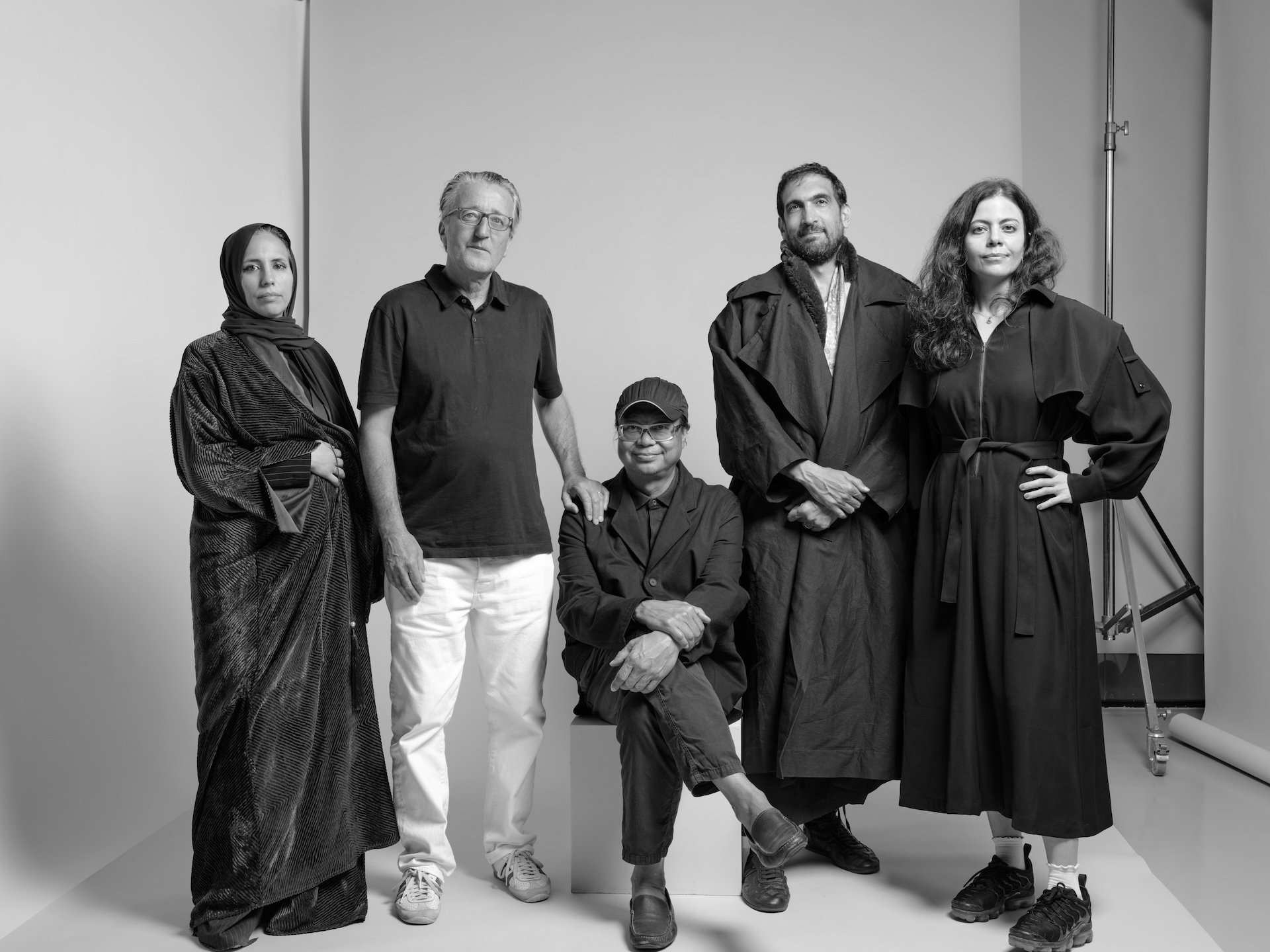
photographed by Brigitte Lacombe
- Art
- Spring/Summer 2026
- April
Gathering Momentum
Rirkrit Tiravanija leads a creative team to transform the site of Qatar’s Venice Pavilion into a living room, complete with film screenings, performances and food
Words Mandi Keighran
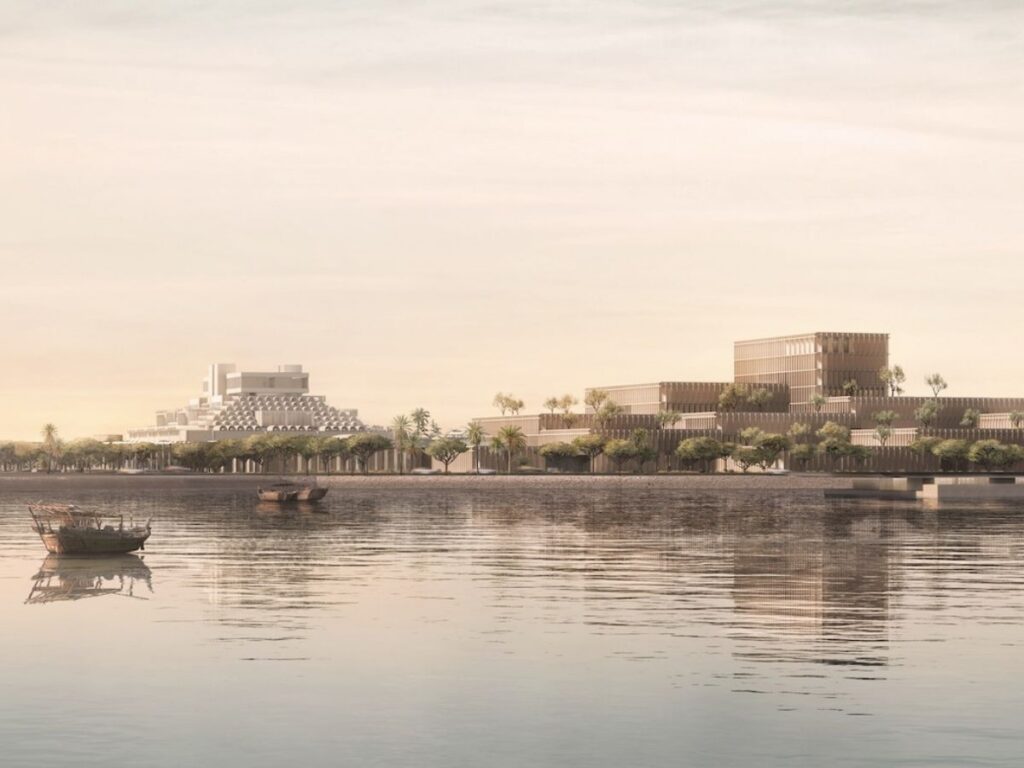
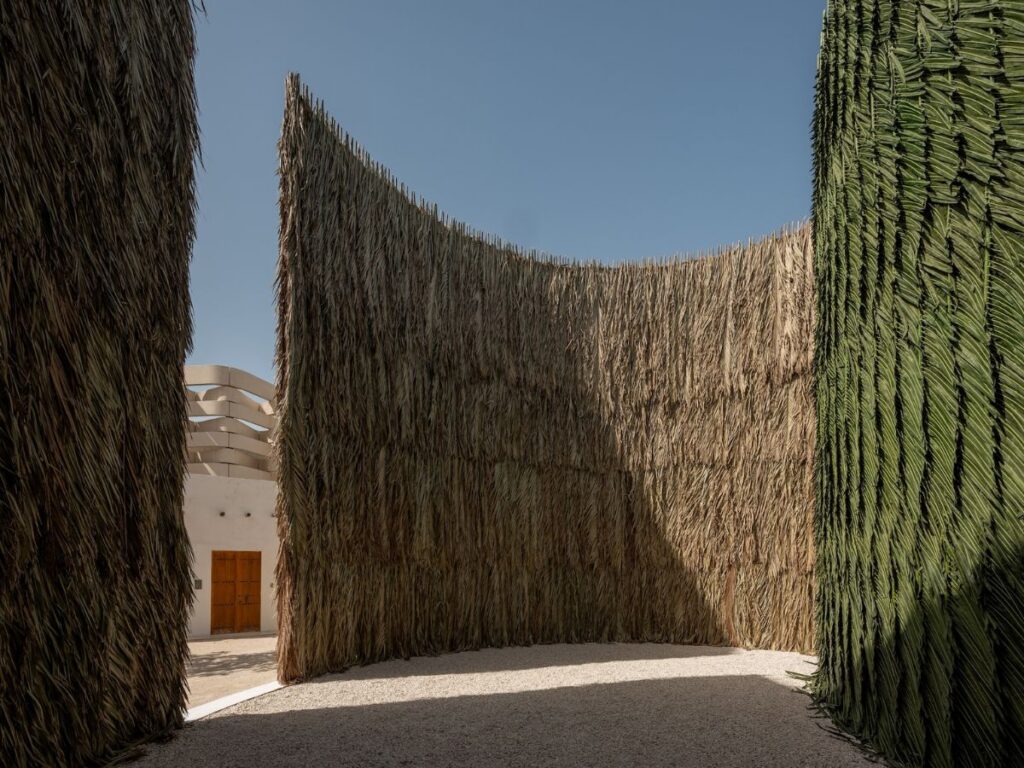
In Venice’s Giardini della Biennale, between the national pavilions that have stood for decades as architectural ambassadors at each Venice Biennale, there is a site that has remained open. Soon, this space will be home to Qatar’s forthcoming permanent pavilion by architect Lina Ghotmeh. But, for the 61st International Art Exhibition – which is themed “In Minor Keys” under a curatorial framework developed by the late Cameroonian-Swiss art curator Koyo Kouoh – the space will be activated by a temporary, tent-like structure modelled on a traditional Qatari majlis (gathering space).
The project is Untitled (a gathering of remarkable people); Rirkrit Tiravanija, Sophia Al-Maria, Tarek Atoui, Alia Farid, Fadi Kattan, led by Rirkrit Tiravanija and co-curated by Tom Eccles and Ruba Katrib. Produced by Qatar Museums and presented by Rubaiya Qatar – the country’s new contemporary art quadrennial, launching in November 2026 – the pavilion will fold together live performance, film and food.
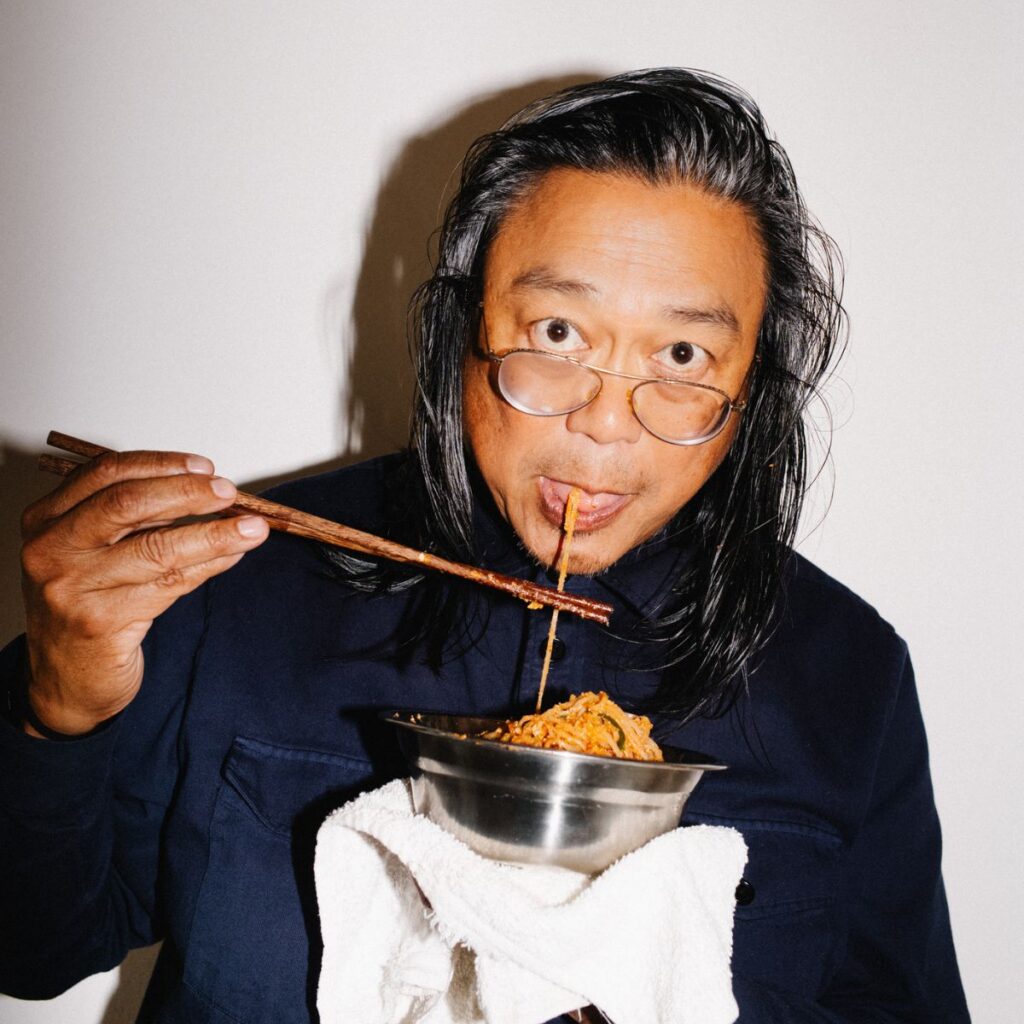
Tiravanija has spent three decades dismantling the boundary between artwork and audience, most famously cooking pad thai for gallery visitors in New York. In Venice he has designed the tent as a site for exchange, bringing together creative collaborators whose work explores different perspectives of Arab culture.
Meet the Artists
Sophia Al-Maria
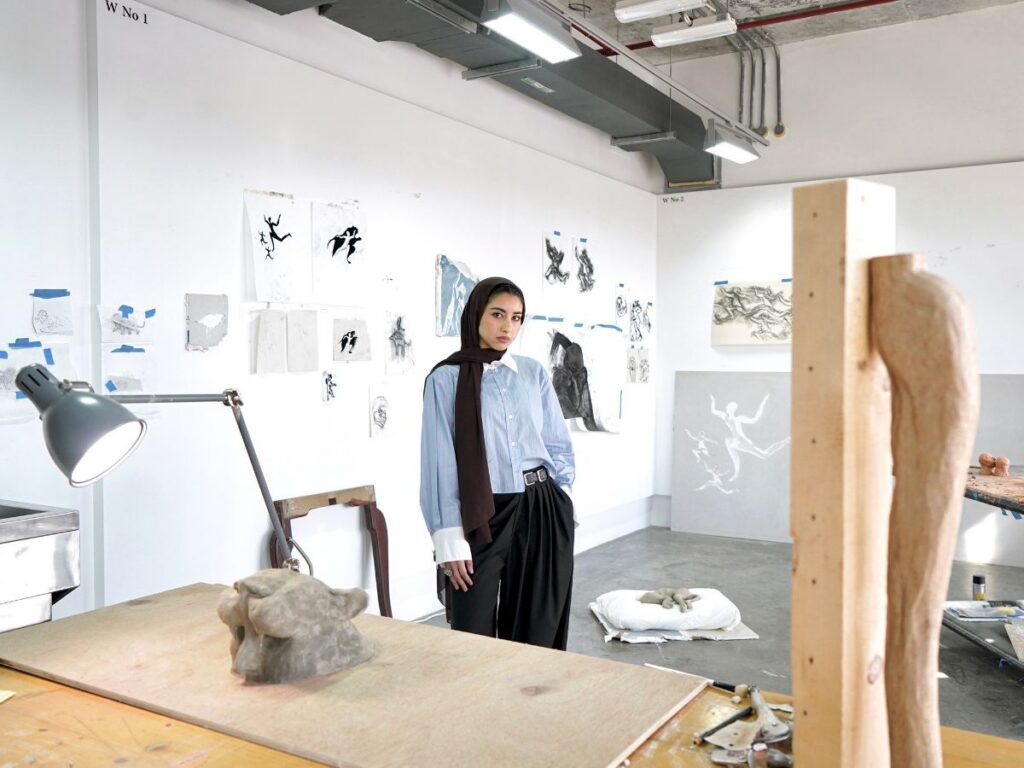
Qatari-American artist, writer and filmmaker Sophia Al-Maria coined the term “Gulf Futurism” early in her career. She works across video, sculpture and experimental film, and has exhibited at the Whitney Museum, Tate Britain and the 59th Venice Biennale.
Tarek Atoui
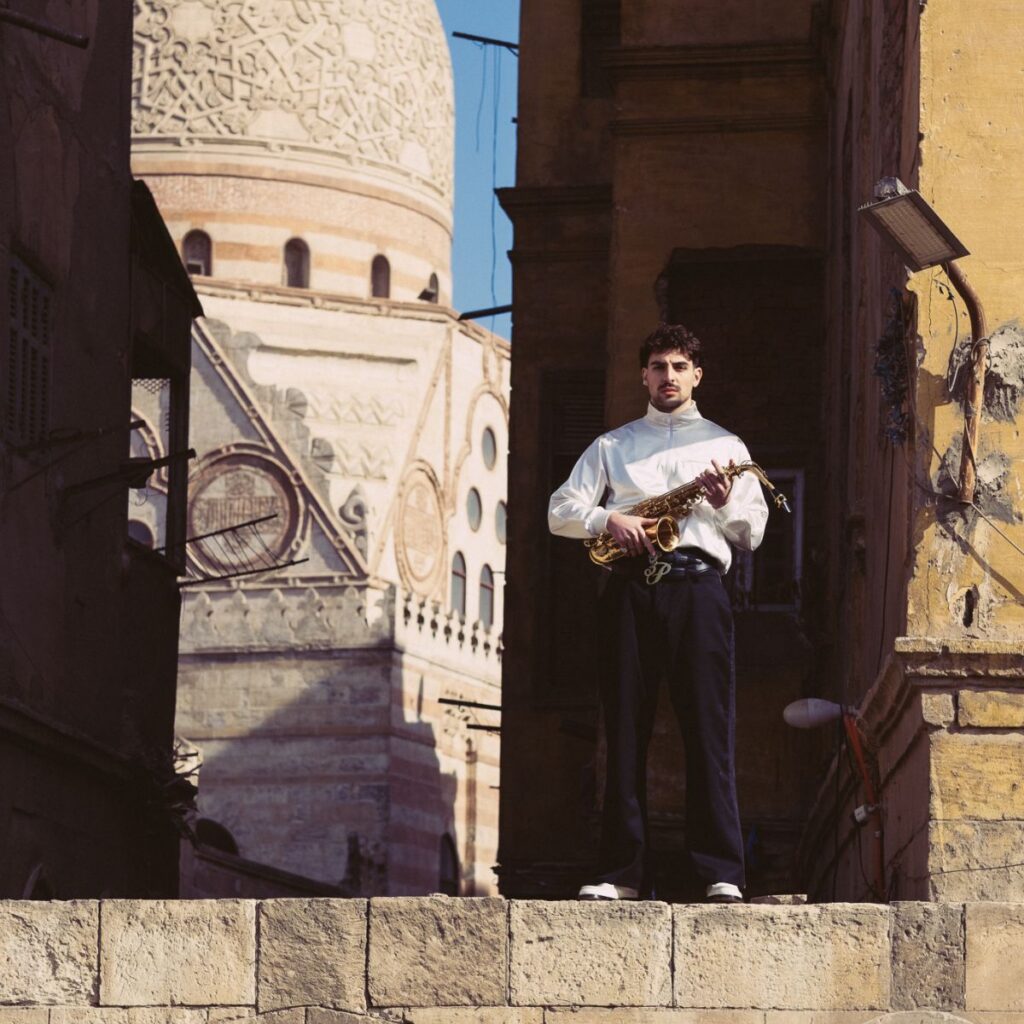
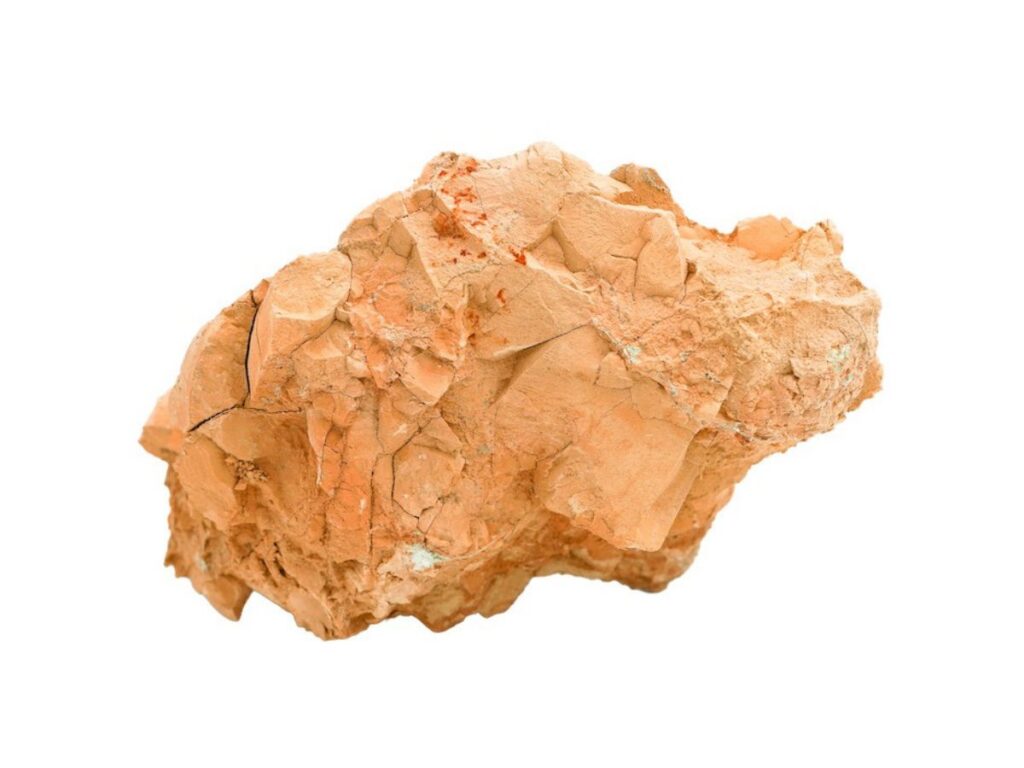
Lebanese composer and sound artist Tarek Atoui is based in Paris. His research-driven practice explores the relationships between instruments, bodies and listening. He has shown at Documenta 13, the 58th Venice Biennale and London’s Tate Modern.
Alia Farid
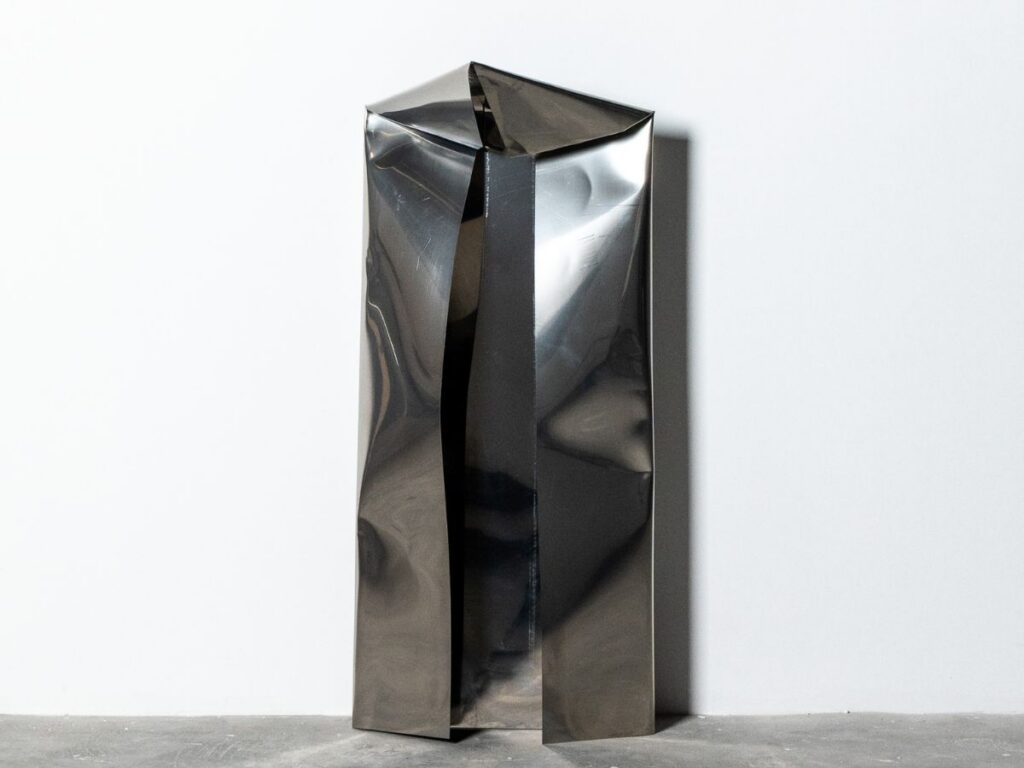
Kuwaiti-Puerto Rican artist Alia Farid works across film, sculpture and installations. Drawing on her dual Gulf and Caribbean roots, her practice explores displaced communities, ecological damage and the persistence of local craft.
Fadi Kattan
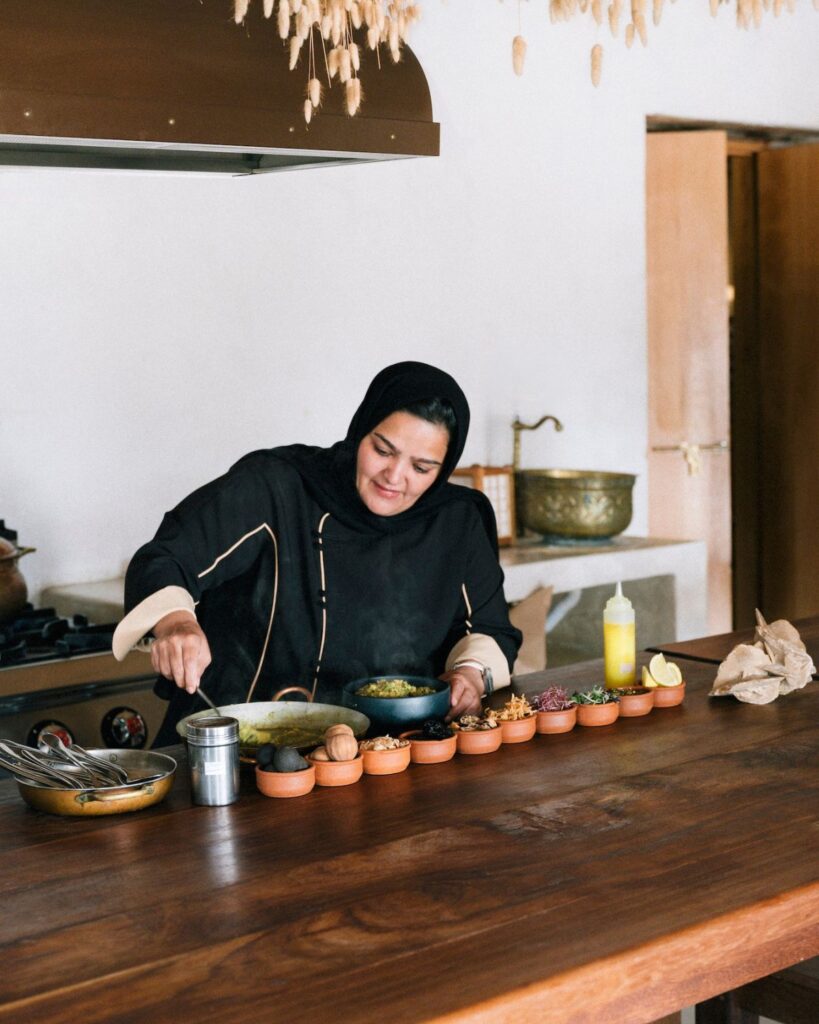
Palestinian chef and author of the award-winning Bethlehem: A Celebration of Palestinian Food, Kattan runs restaurants Fawda in Palestine and Akub in London’s Notting Hill. His work centres on culinary heritage as cultural preservation.
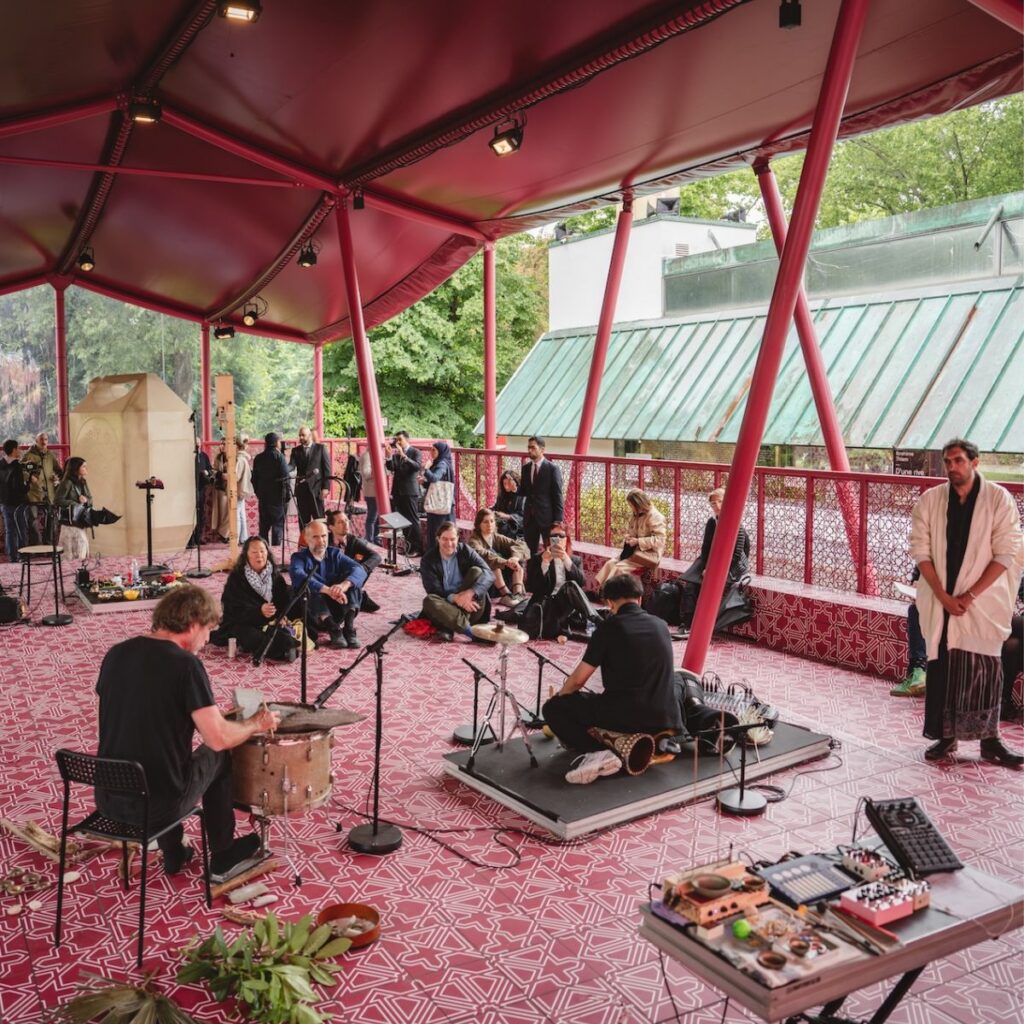
Qatari-American artist and filmmaker Sophia Al-Maria will present an experimental documentary screening throughout the Biennale, drawing on concert-film traditions and the figure of the travelling musician. Lebanese composer Tarek Atoui will collaborate with musicians and poets on improvisational performances, responding to field recordings and archival sonic material from across the Arab world; and Palestinian chef and hotelier Fadi Kattan will lead a culinary programme spotlighting Middle Eastern and North African (MENA) chefs, with menus tracing the cross-cultural impact of migration and trade. The Pavilion also includes a large-scale sculpture by Kuwaiti-Puerto Rican artist Alia Farid, Jerrican, 2022–26, from her series of larger-than-life vessels used to store and carry water in the Gulf. Farid’s versions are enormous but hollow and light, moulded in lacquered fibreglass and fabricated using the same method as the decorative casings for public drinking fountains that have become a distinctive feature of the urban landscape across the Arabian Gulf.
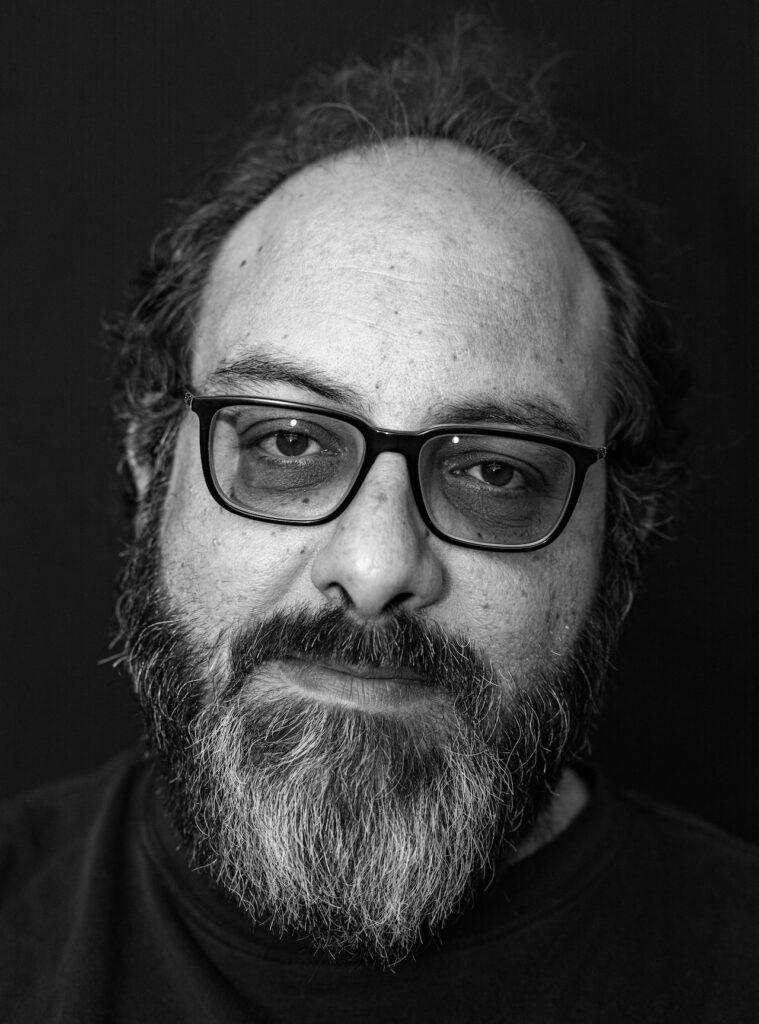
Photo: Myriam Boulos
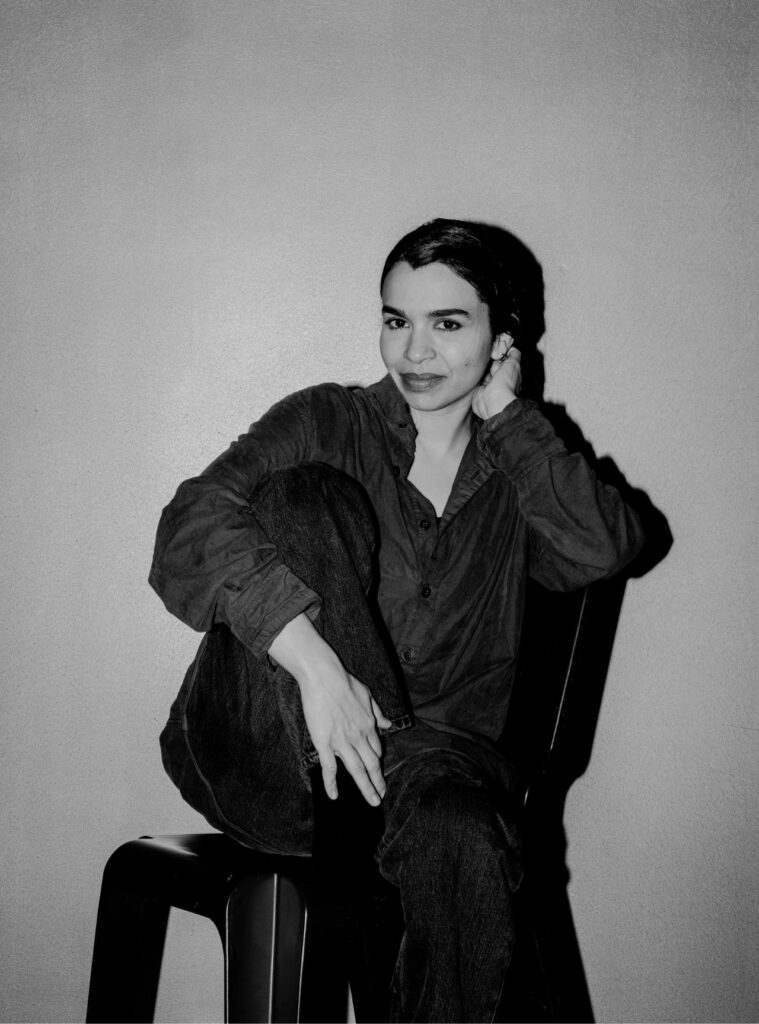
Photo: Myriam Boulos
Inside the maroon tent, a nod to the Qatari flag, an ever-changing programme that is part performance, part kitchen and part screening room will take place at designated times across seven months. By presenting works that depend on the presence and participation of their audience, a gathering of remarkable people offers a dynamic portrait of Qatar as a creative force in dialogue with the world. The approach is also characteristic of Tiravanija, who has long argued that art’s greatest power lies in creating conditions for encounter.
Co-curators Eccles and Katrib have organised the presentation at Venice as an extension of Tiravanija’s recent work in Doha, untitled 2025 (no bread, no ashes), which was presented by Rubaiya Qatar and transformed MIA Park into a place for people to gather and come together over freshly baked bread. They describe the new work as having an “engaging, participatory nature” and a “desire to nourish both the spirit and the body”.
“I feel honoured to work with Qatar Museums, the Rubaiya Qatar team and all the artists who will be contributing to this experience in Venice,” says Tiravanija. “Sophia Al-Maria, Tarek Atoui, Alia Farid and Fadi Kattan represent different aspects of Arab culture, which will be united at the Qatar Pavilion to show how we all can come together.”