- Art
- Spring/Summer 2026
- April 2026
What Should the Art World Be Discussing?
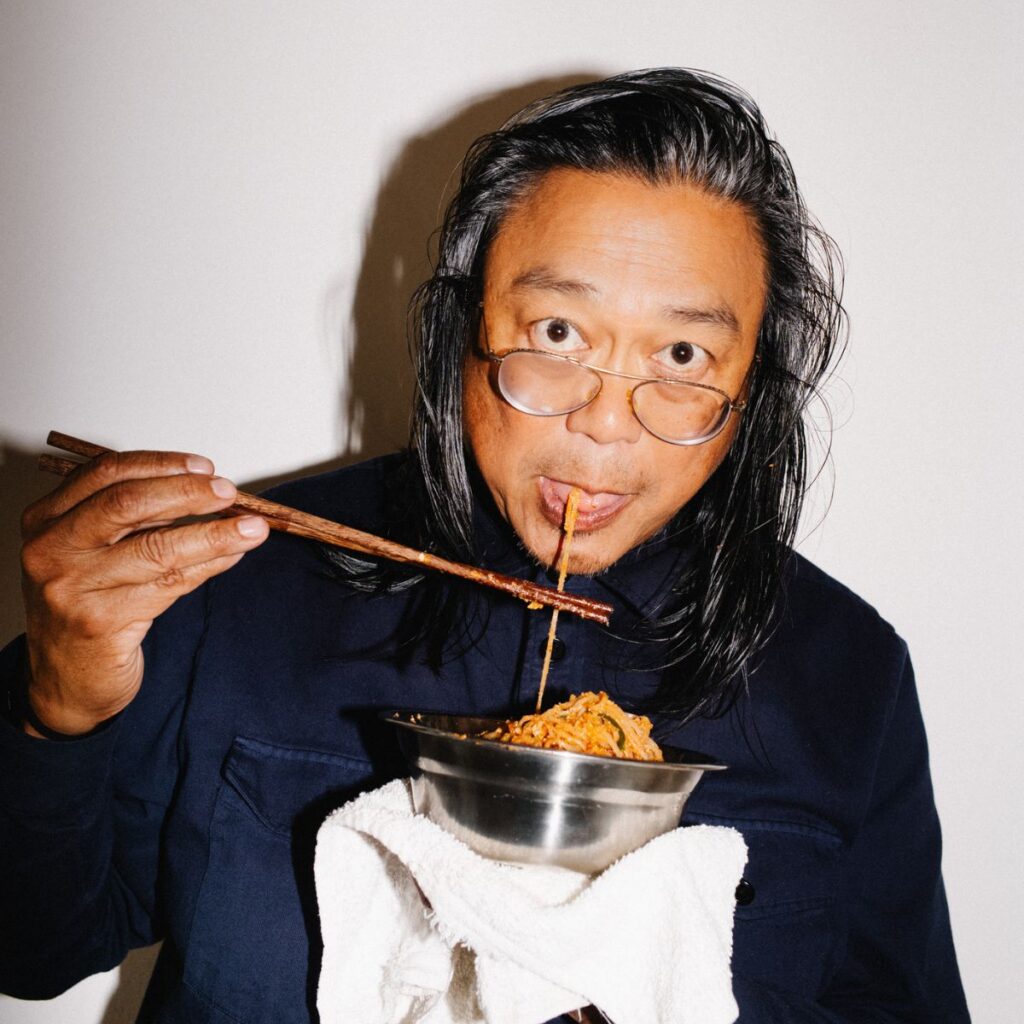
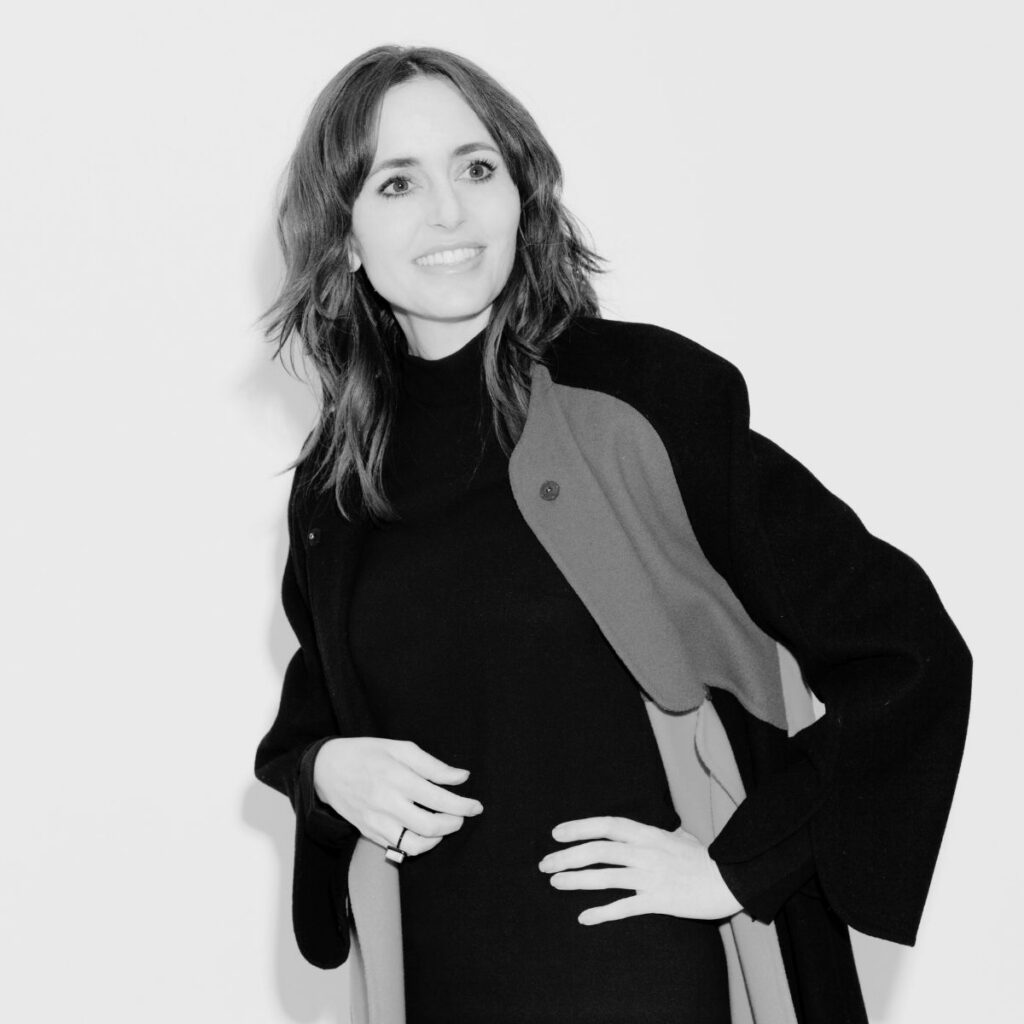
Farah Nayeri is an Iranian-born, London-based culture writer for The New York Times and the author of Takedown: Art and Power in the Digital Age. A long-time moderator of Art for Tomorrow – an annual conference where creatives converge to explore the power of art in driving change – she reflects on the questions shaping art, design and cultural debate today
In the minds of many, artists are a reclusive bunch. They toil all day in cluttered ateliers, cut off from the world and operating in bubbles of their own making. But is that cliche an accurate representation of reality? I think not. Every artist I have ever had the good fortune of meeting has demonstrated a deep connection to the planet and to humankind. Art is, by definition, steeped in the times we live in. The industry built around it – collectively and commonly referred to as the art world – is just as joined up with the zeitgeist.
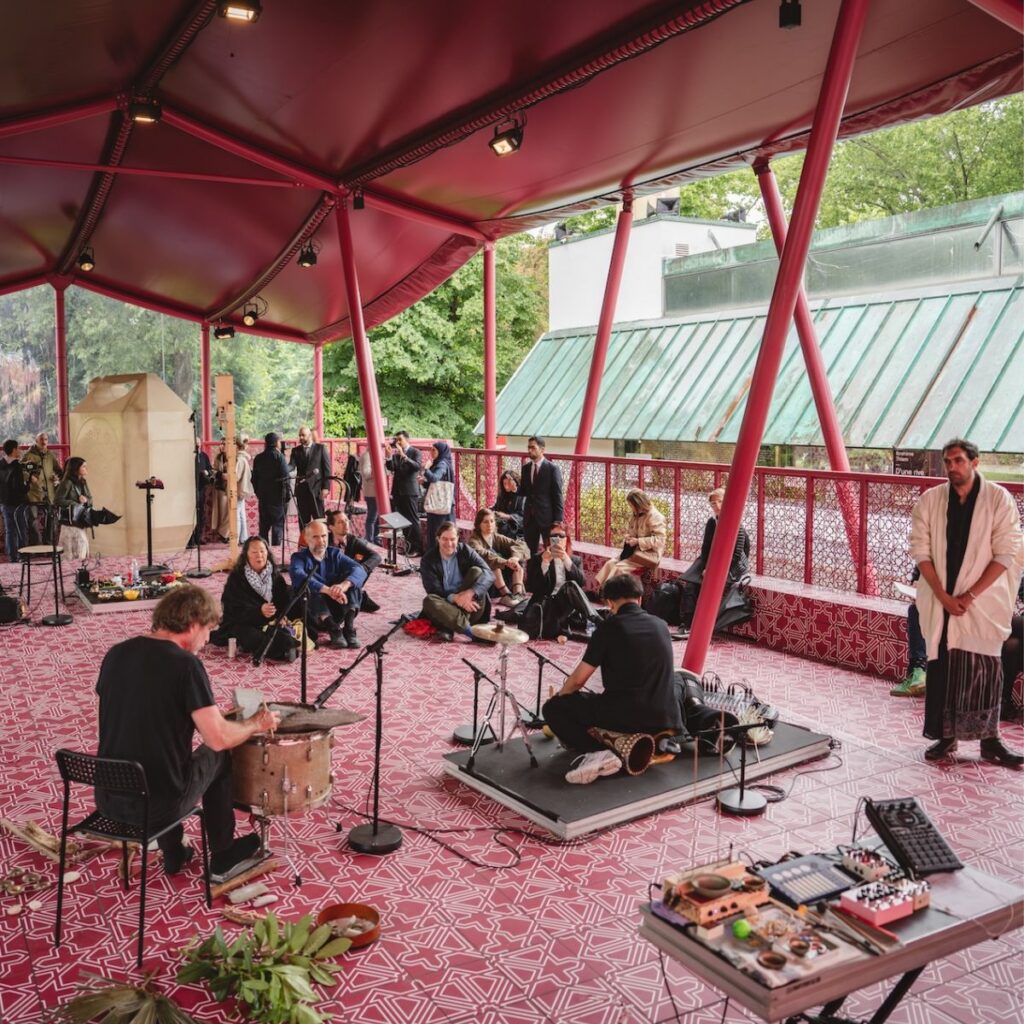
There is no better illustration of that correlation than the Art for Tomorrow conference, which was launched by the International New York Times in Doha in 2015. Every year the event gathers personalities from across the art world in a different city for a series of wide-ranging conversations. I have been a regular panel moderator at the conference, and recently had occasion to look back on its inaugural decade for a commemorative book, Art for Tomorrow: The First Decade.
It was like leafing through 10 years’ worth of newspaper front pages. Every major global issue was tackled through the prism of culture: the election and re-election of US president Donald Trump and his impact on art and artists; Islamic State’s occupation of large parts of Iraq and Syria, and its destruction of world heritage; the global refugee crisis and the works of art inspired by it; the climate emergency and acts of art vandalism to raise awareness of it. In every panel discussion, participating artists and cultural figures showed themselves to be in tune with the concerns of humanity. They brought up questions that the art world should be asking.
As the Art for Tomorrow conference reconvenes in Doha later this year, some of those questions will resurface as topics of discussion. There will also be new ones. A key topic of debate at the upcoming 2026 edition will be the increasingly blurred boundaries between design and art. Anyone on a visit to a museum, a gallery or an art fair nowadays is bound to come across an object that may or may not be a work of art. Designers are making limited-edition works with no apparent function, and artists are designing product ranges for big international brands. Where does art stop and design begin?
Another essential discussion will focus on public space. Squares and neighbourhood piazzas are crucial gathering places for individuals, families and communities. Yet in many cities around the world, such public spaces have tended to be an afterthought of urban planning and design. They are strewn with boring-looking benches and dreary street furniture. Now, artists, designers and architects are coming to the rescue, producing sculptures and funky contraptions that double as shelters and outdoor seating. The issue is: given that these creations are funded by taxpayers, are they worth the usually extravagant price tags?
Art for Tomorrow 2026 takes place in Doha from 5 to 7 November 2026. Speakers will include the artists Carsten Höller and Ibrahim Mahama; Wael Shawky, artist and artistic director of Art Basel Qatar and the Fire Station; and Tim Marlow, director and chief executive officer of the London Design Museum, among many others
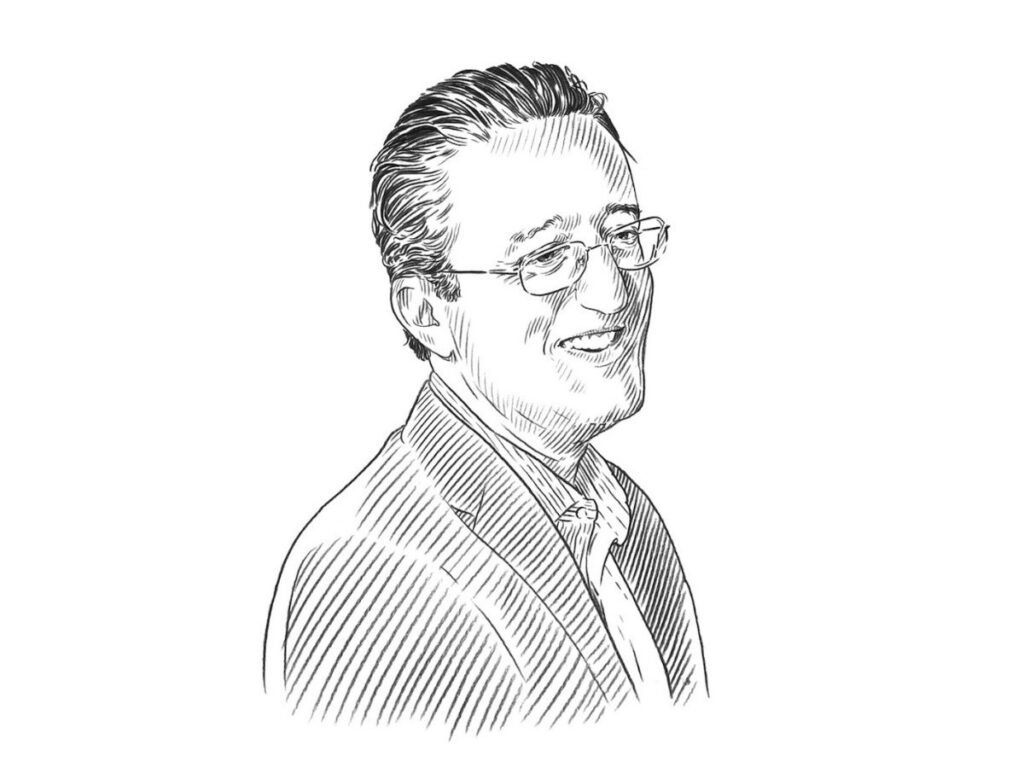
Cover image: Farah Nayeri. Illustration: Anje Jager