Rewriting the Future
Q+A JANUARY 2026
For Art Basel Qatar Sophia Al Maria is revisiting the ideas that shaped her early work and defining a new narrative through memory and cultural artefacts
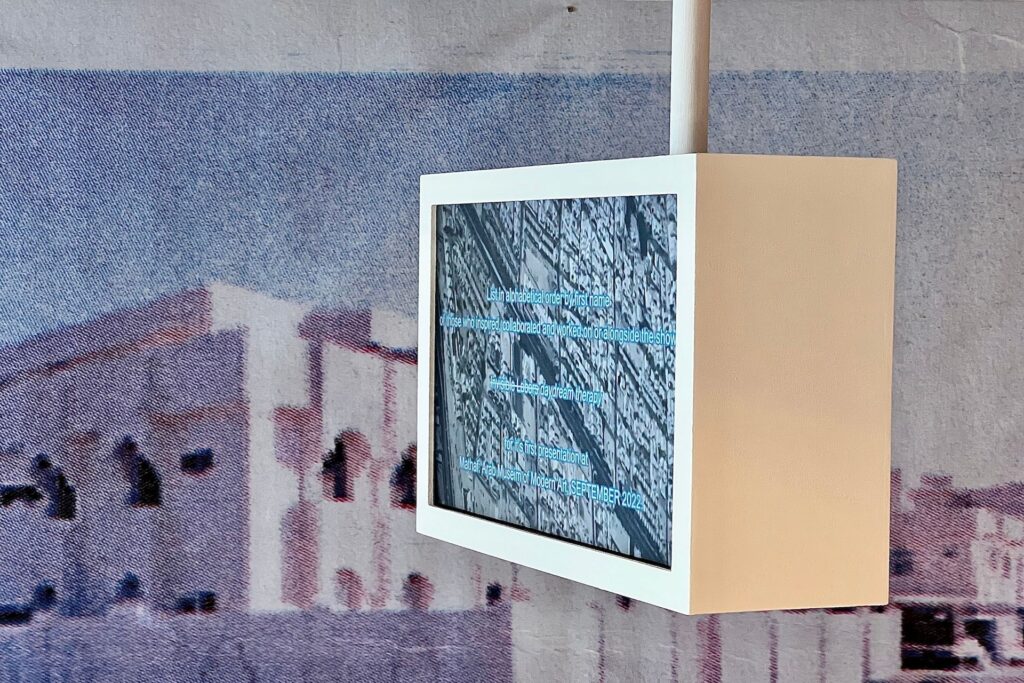
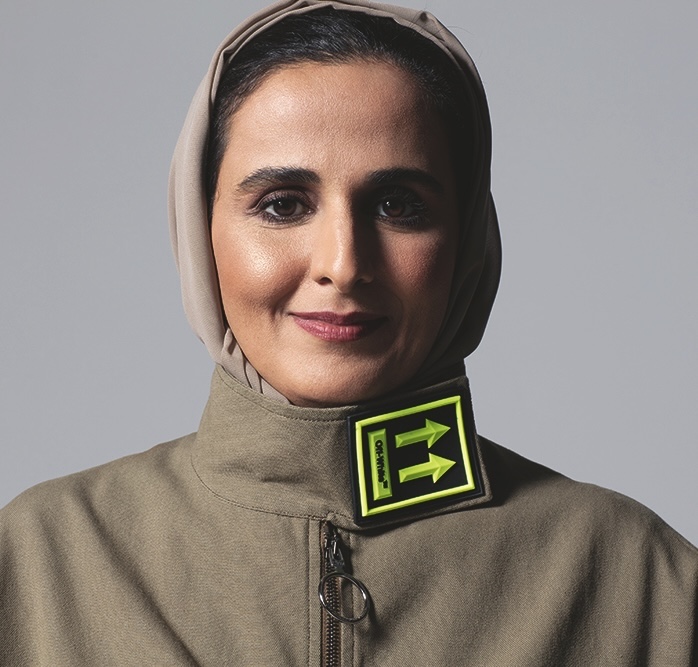
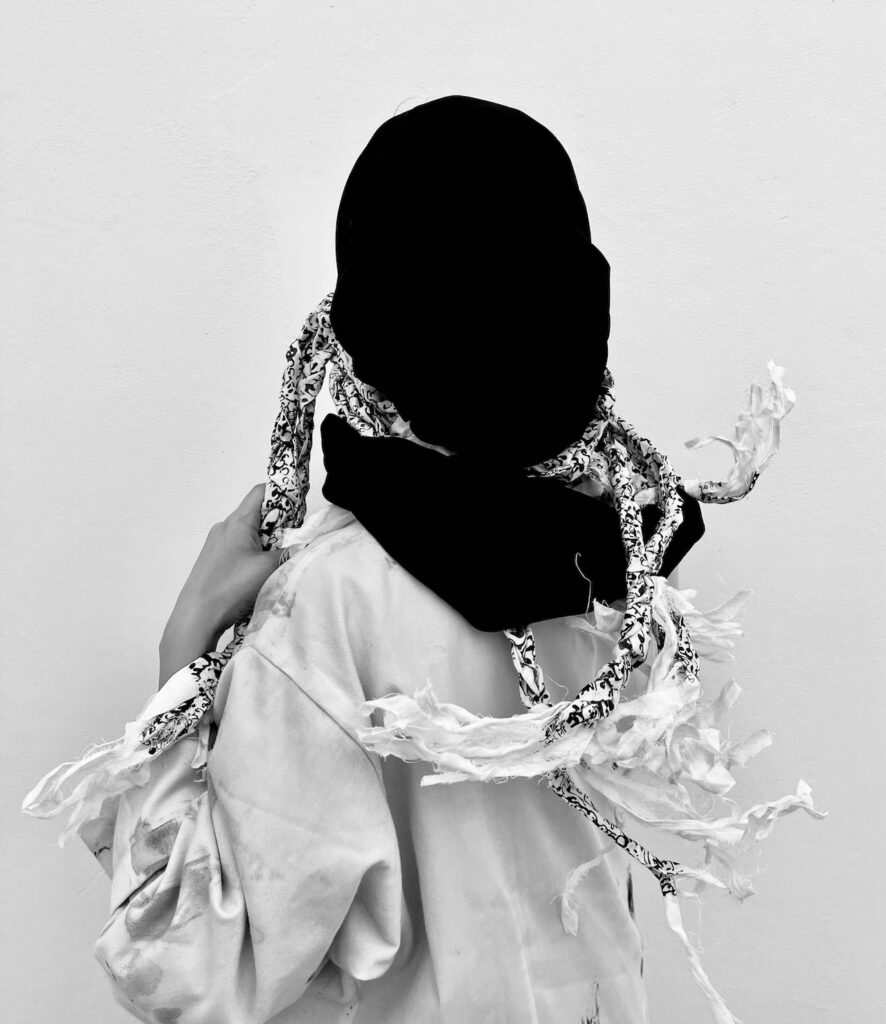
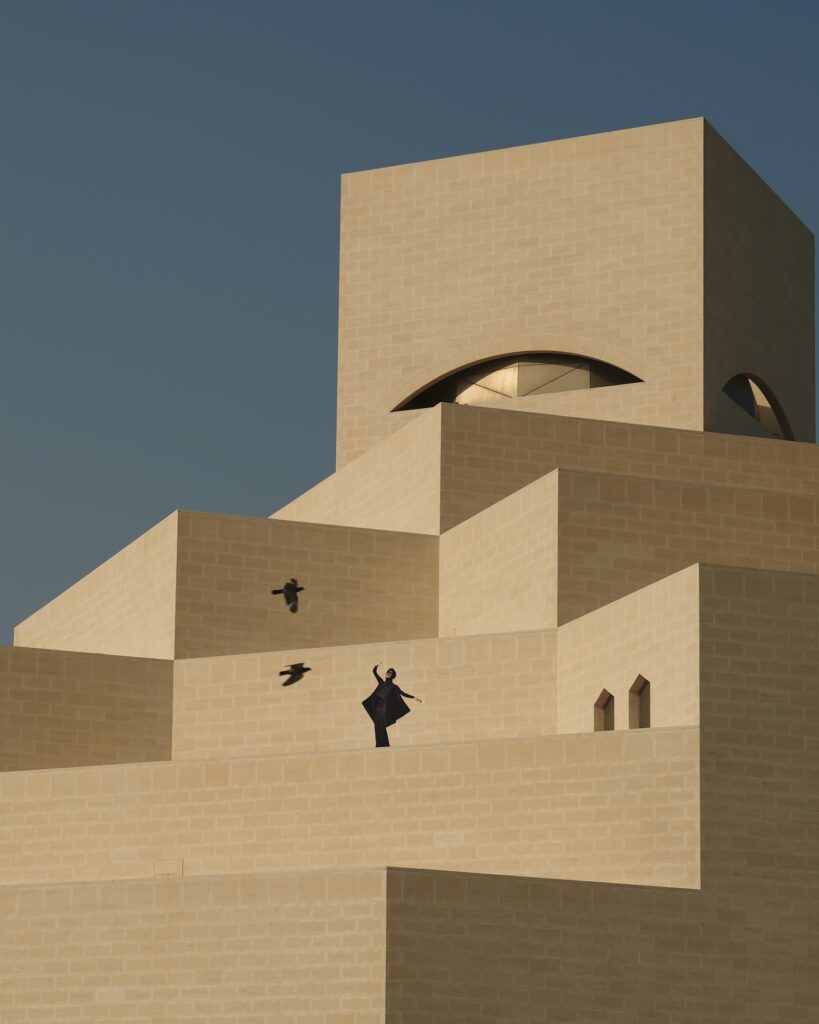
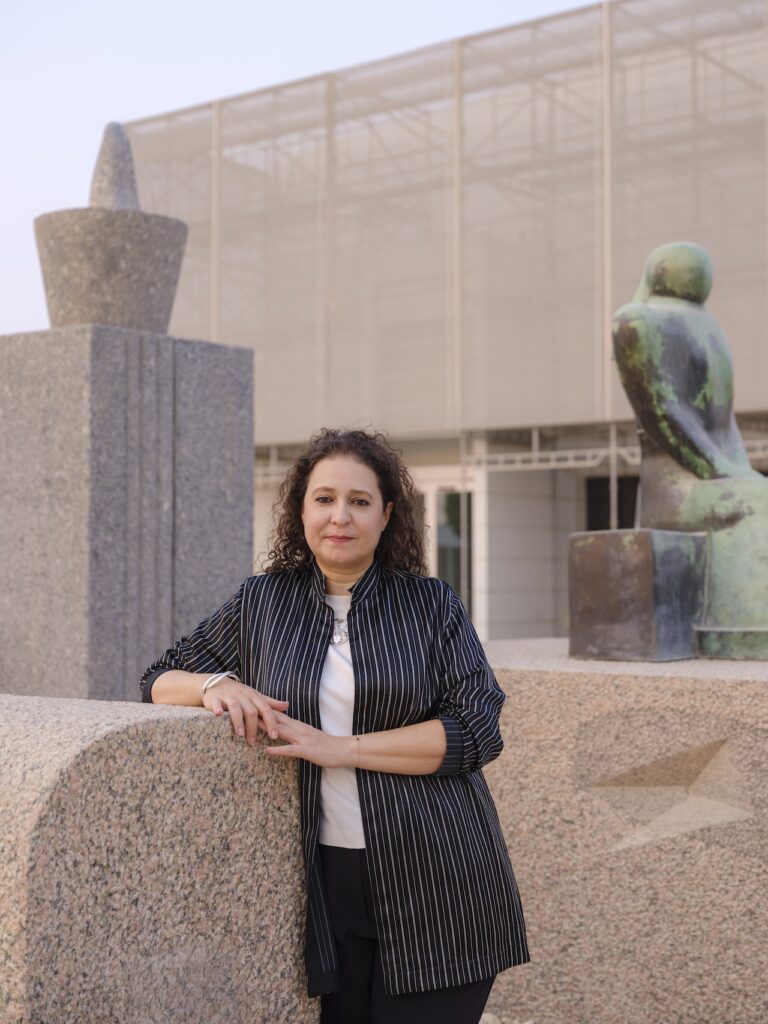
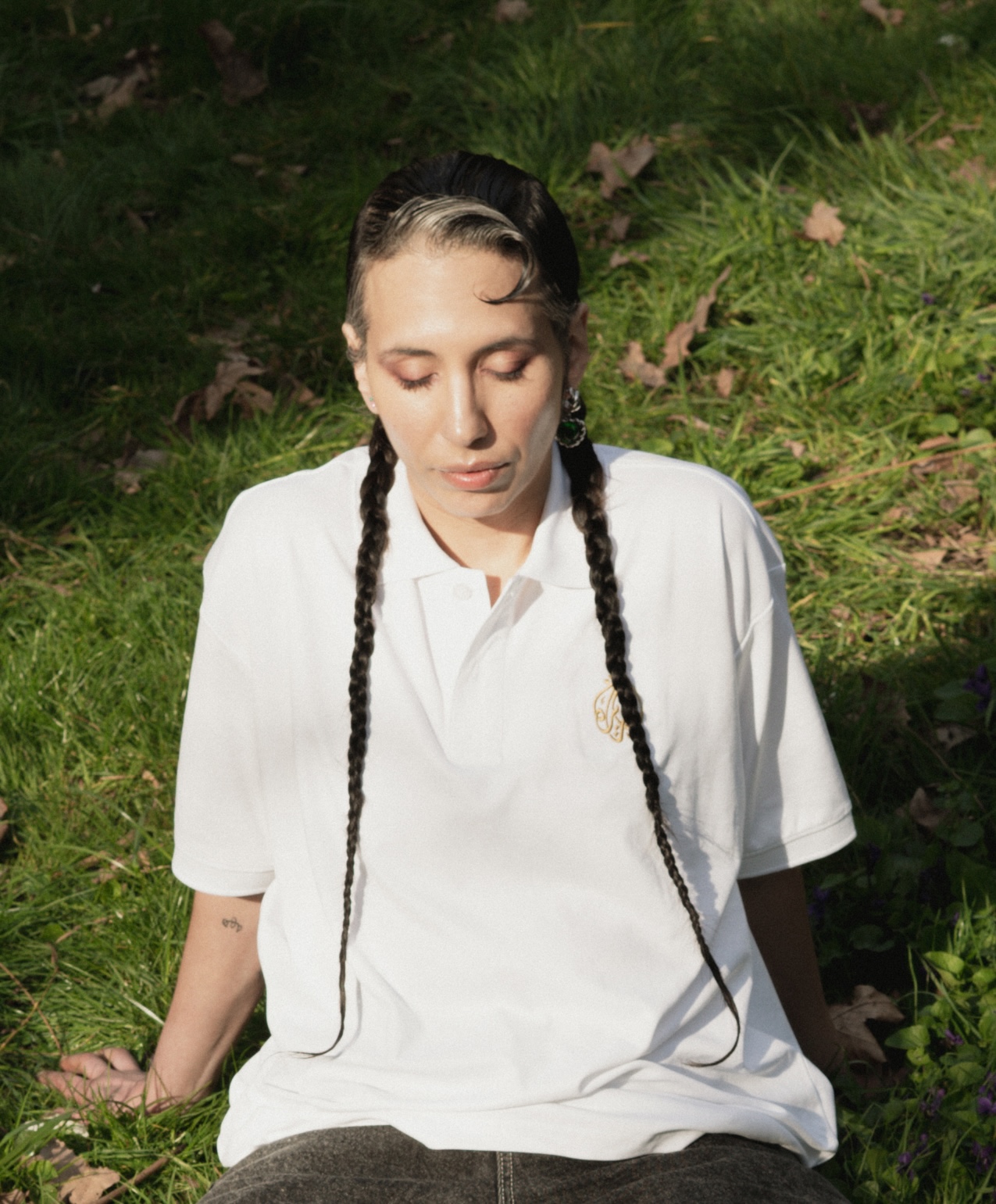
Photo: Abdallah Al Mutairi, courtesy of Qatar Museums © 2022
Qatari-American artist Sophia Al Maria’s early works examined the forces that have shaped contemporary life in the Gulf – from rapid development and environmental change to a growing consumer culture. Her latest project, developed with The Third Line gallery in Dubai for Art Basel Qatar, will see her revisit these questions. “It’s a prodigal return,” she explains. “A chance to restate what I meant in the past, here in what was once the future.”
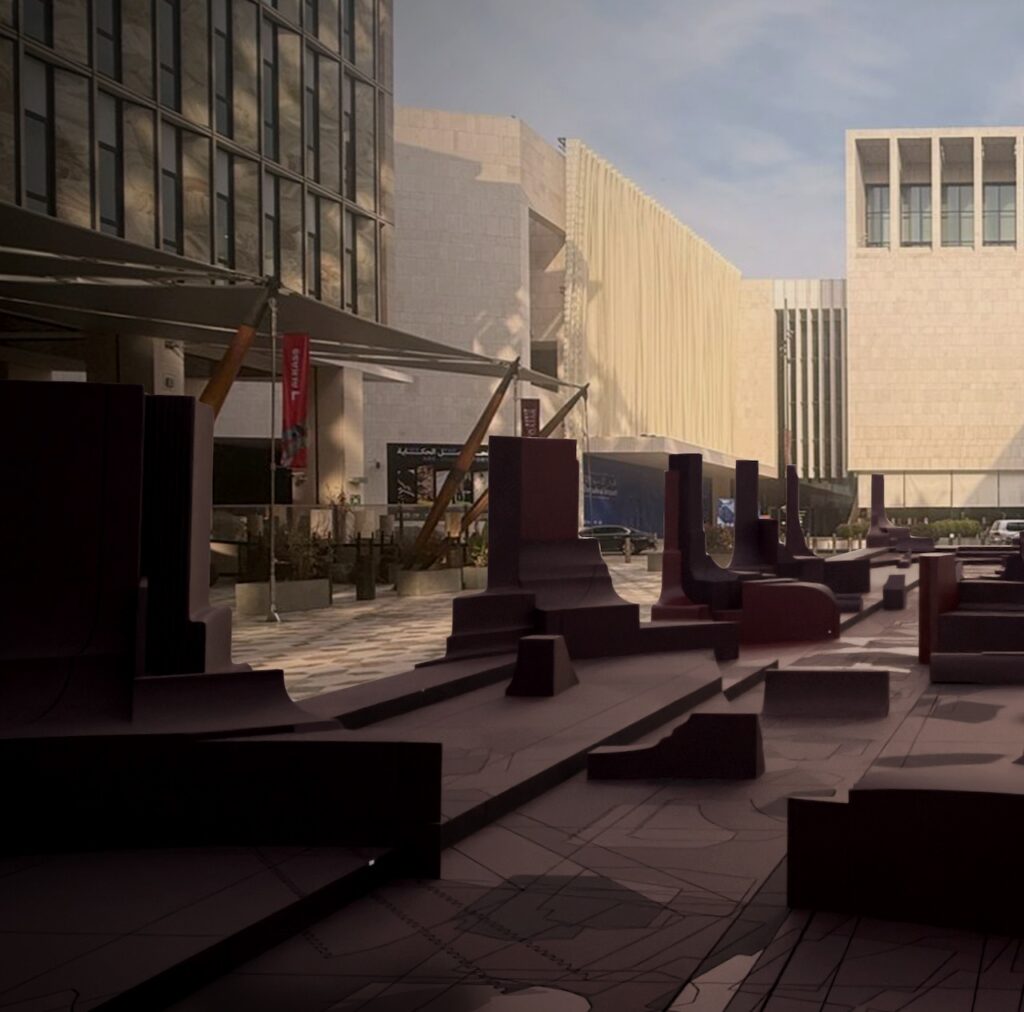
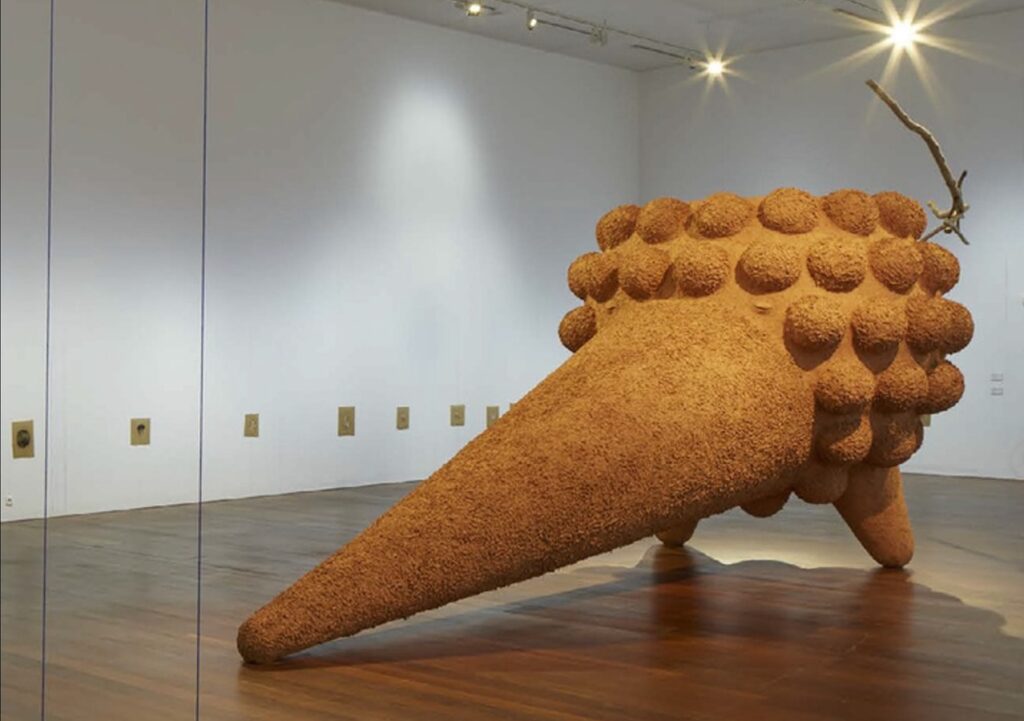
Having exhibited globally – from the Whitney Museum of American Art and the New Museum in New York City, to the Gwangju Biennale and the Venice Biennale – it’s also a literal return to the place where she spent many of her formative years. With a Qatari father and American mother, Al-Maria grew up between Doha and Washington state, USA. She returned to Qatar in her 20s, playing a pivotal role in opening Mathaf: Arab Museum of Modern Art, which hosted an exhibition of her work, INVISIBLE LABORS daydream therapy, a decade later in 2022.
At the heart of her new work for Art Basel Qatar is the desire to reclaim and reframe “Gulf futurism”, a term she coined early in her career to capture the region’s rapid modernisation. Initially intended to critique imported western consumerism and fossil-fuel dependency, the term has been adopted by and misunderstood by the media. “I was talking about the pace of change, isolation and addiction to fossil fuels,” she says. “It was never about utopia.”
Art Basel Qatar offers an opportunity to correct the record. Her new work is defined by the landscapes and memories of her years spent in Qatar – in particular, the decals used to decorate Toyota Hilux pickup trucks. In Al Maria’s memories of growing up on the outskirts of Doha in the 1980s and 1990s, the Hilux is a constant presence, one that represents the generational dislocation of a culture shaped by sudden wealth and rapid urbanisation.
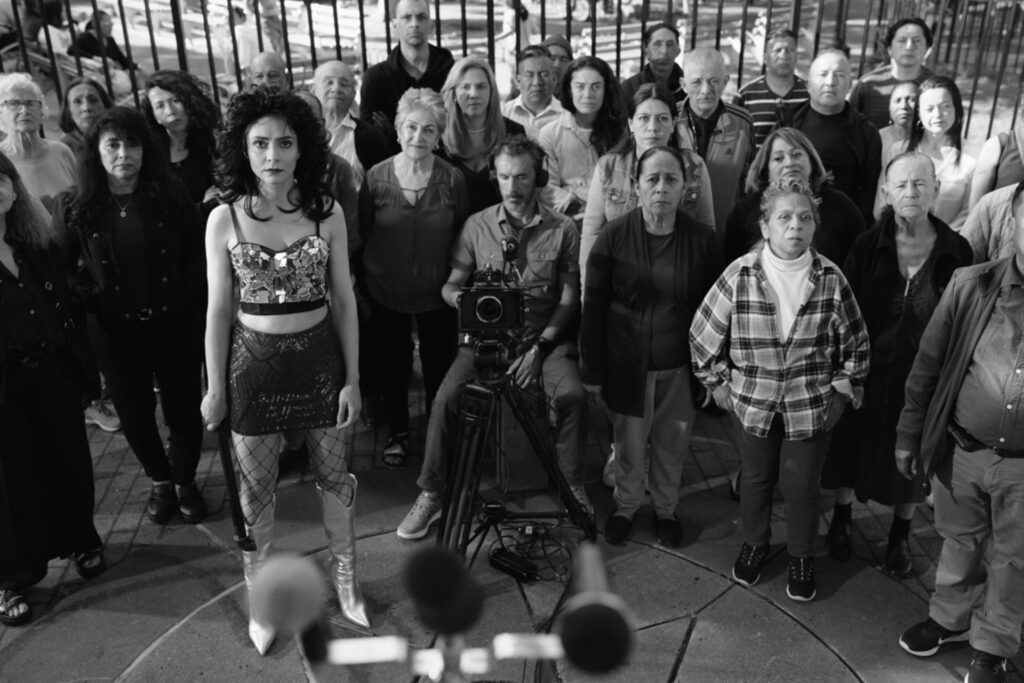
The centrepiece of the Art Basel installation is a large-scale painted work – a return to a more traditional practice following her recent performance Wall-Based Work (a Trompe LOL), her interpretation of a stand-up comedy show, which won the 2025 Frieze London Artist Award.
A sweeping timeline wraps around The Third Line gallery exhibition space, visually defined by flame-like decals. “They’re beautiful, aggressive, tribal and visceral,” she says. “I’m painting them in watercolour and acrylics to give them a more ethereal feeling and then layering them with pop-cultural imagery to create a warped time stamp of a particular moment.” The result is a reimagined archive of the Gulf’s recent past that raises questions about who creates and defines historical narratives.
Al Maria has also produced a collection of collages that explore the ideas of the central installation. Drawn from her longstanding fascination with film, these works splice together decals, childhood photographs, road signs and screen imagery in cinematic compositions. “Collage allows me to think like an editor,” she says. “It’s another way of shaping what gets seen.”
At a time when the Gulf is all too easily cast as a place of futuristic possibility, Al Maria’s project for Art Basel Qatar looks harder at the past. “I feel an urge to step into history – I don’t mean by being remembered, but by taking action,” she says. “These works invite conversation. They might make people wonder where they are, what these references mean and why a certain image hits them the way it does.”
The Third Line
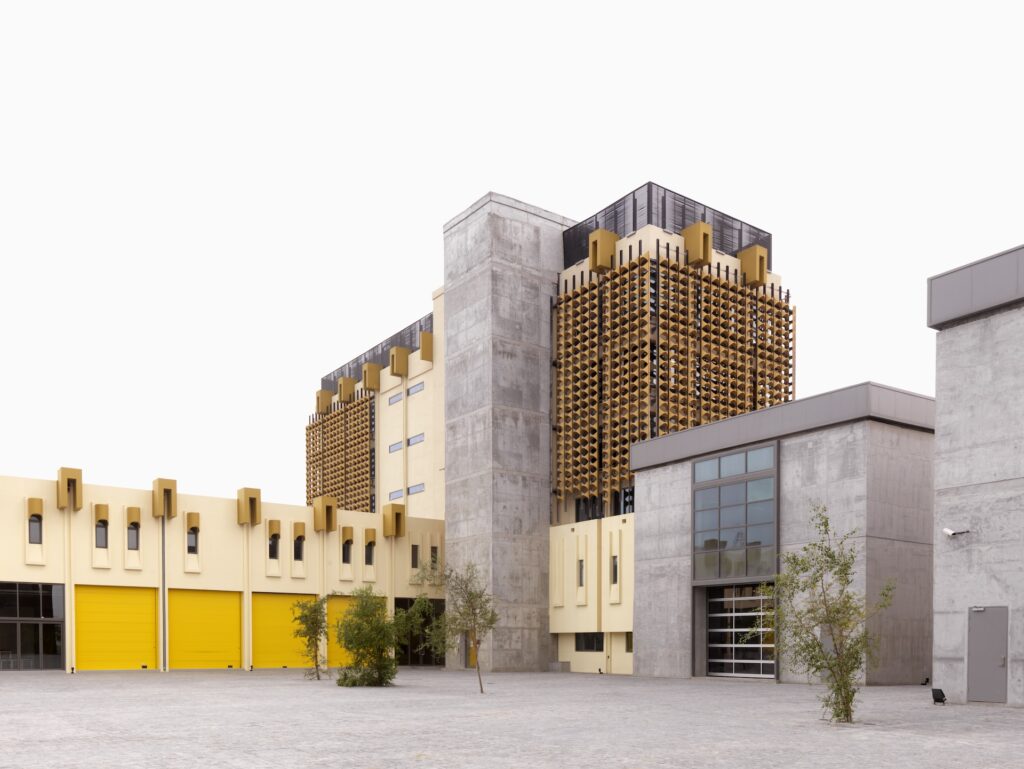
Art Basel may be making its debut in the Gulf, but the region is already home to several established contemporary art institutions – none more influential than Dubai’s The Third Line, which celebrated its 20th anniversary in 2025.
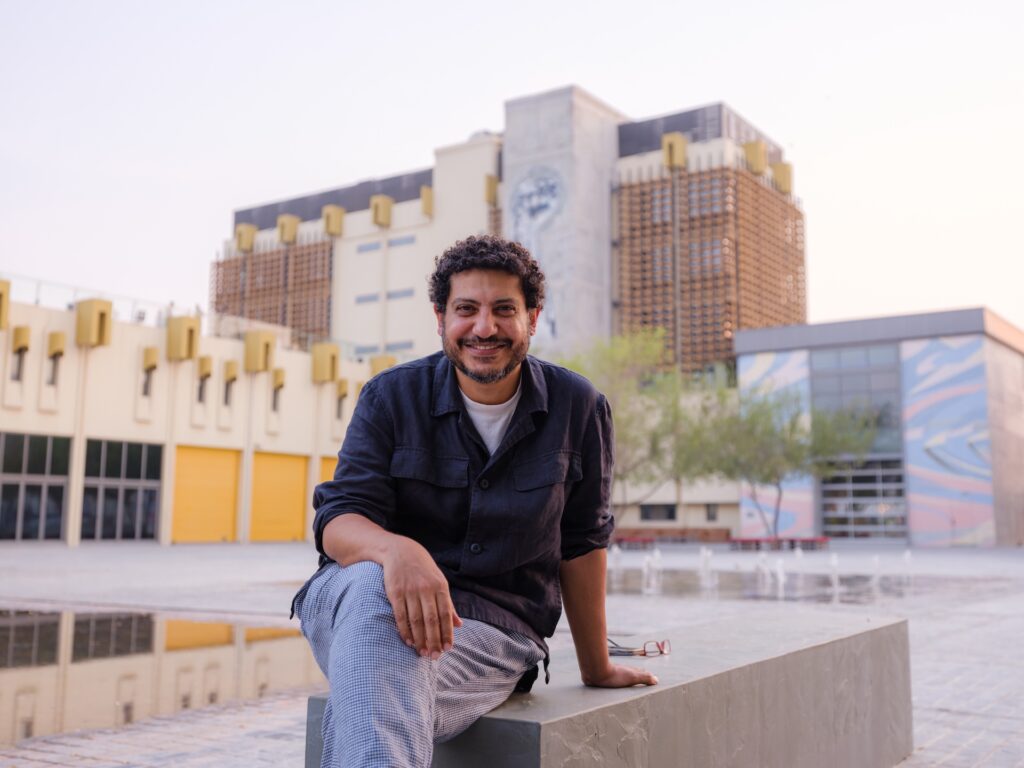
The gallery’s origins go back to co-founder Sunny Rahbar’s years in New York. After the post-9/11 surge in anti-Arab sentiment, she returned to Dubai determined to create a counter-narrative. With her friend Lisa Farjam she launched Bidoun, an arts and culture magazine for the region. Soon after, she co-founded The Third Line with Claudia Cellini and Omar Ghobash, establishing a platform to present exhibitions, performances, screenings and book clubs.
In 2008, The Third Line opened a second space in Doha in collaboration with Qatari cultural entrepreneur Tariq Al Jaidah. The global financial crisis forced its closure 16 months later but the Dubai gallery continued to grow, championing established and emerging artists from the region and its diaspora – including Al Maria.
The Third Line presented her first solo exhibition in the United Arab Emirates in 2017. Titled Everything Must Go, it was an iteration of her Whitney Museum show Black Friday, centred on a film that turned the opulent malls of Doha into a subject of horror.
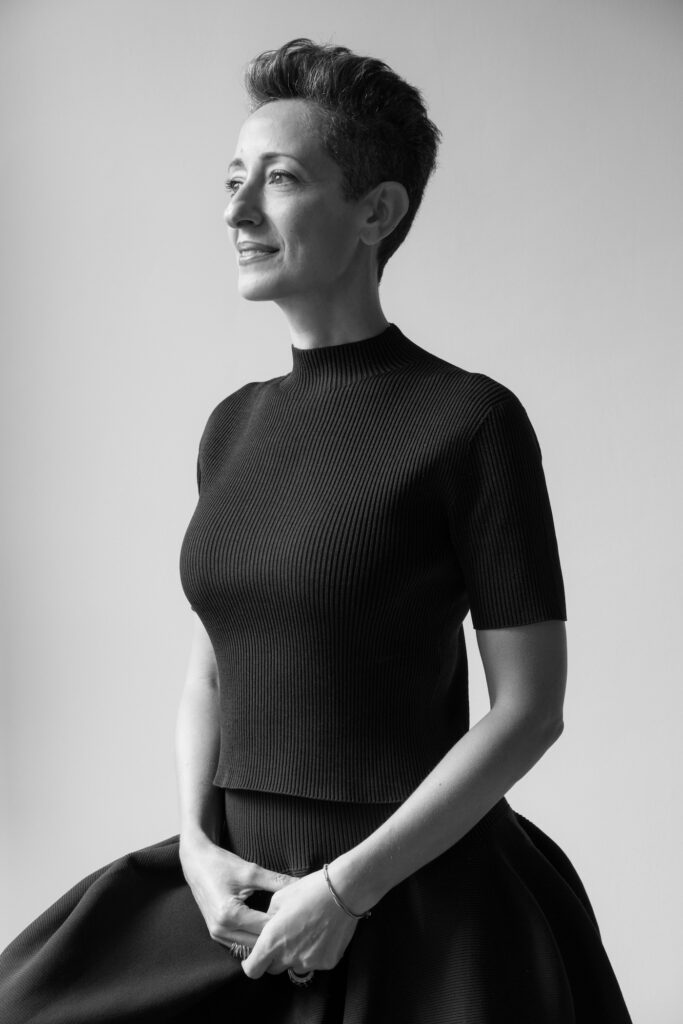
“Sophia’s practice stands out for her nuanced interrogation of cultural narratives, environmental futures and lived experiences in the Gulf,” says Rahbar. “Her ability to blend conceptual rigour with storytelling made her voice compelling from the outset.”
Today, The Third Line remains one of the region’s most significant galleries, expanding its focus across the Middle East, Africa and Asia while consistently shaping how contemporary art from the Gulf is seen and understood internationally.