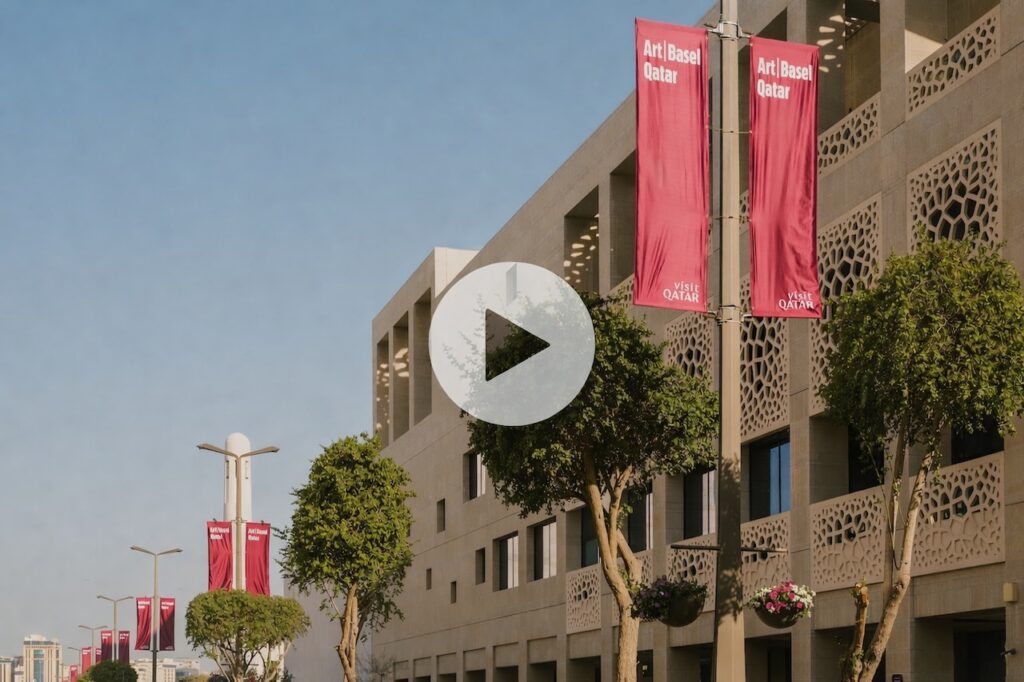
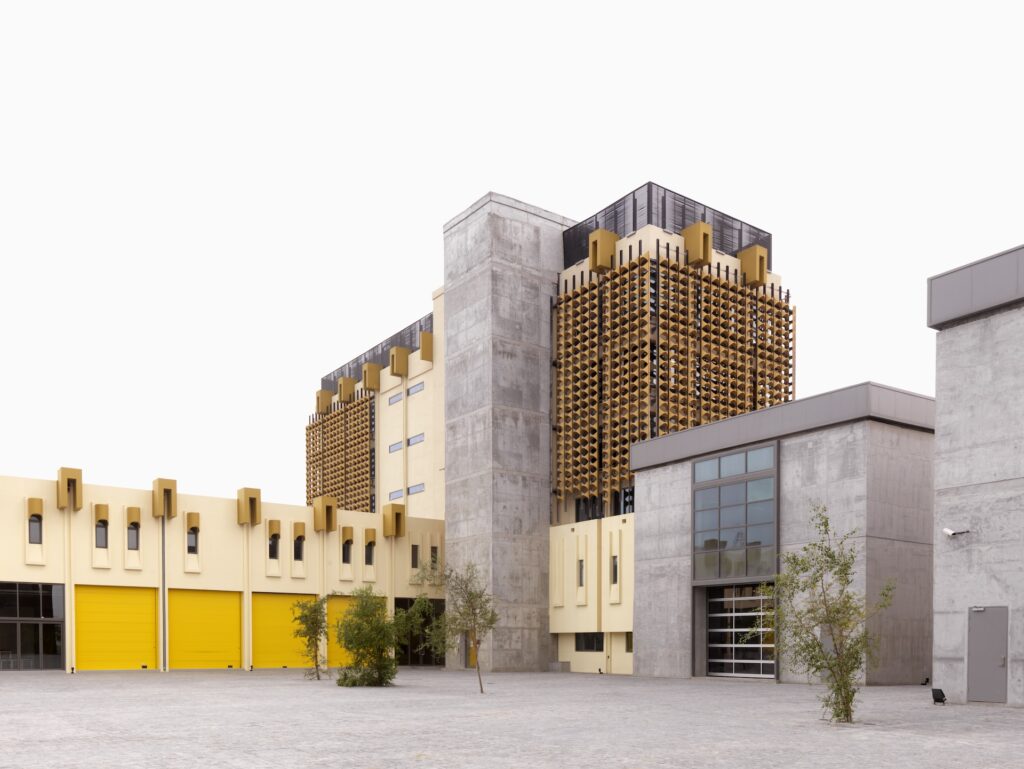
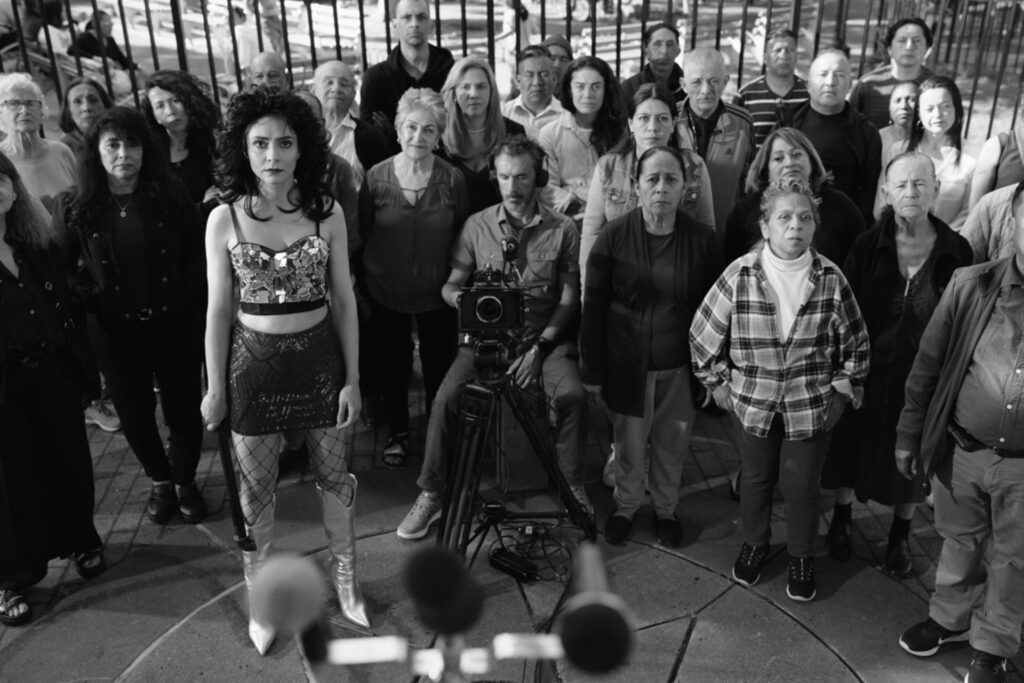
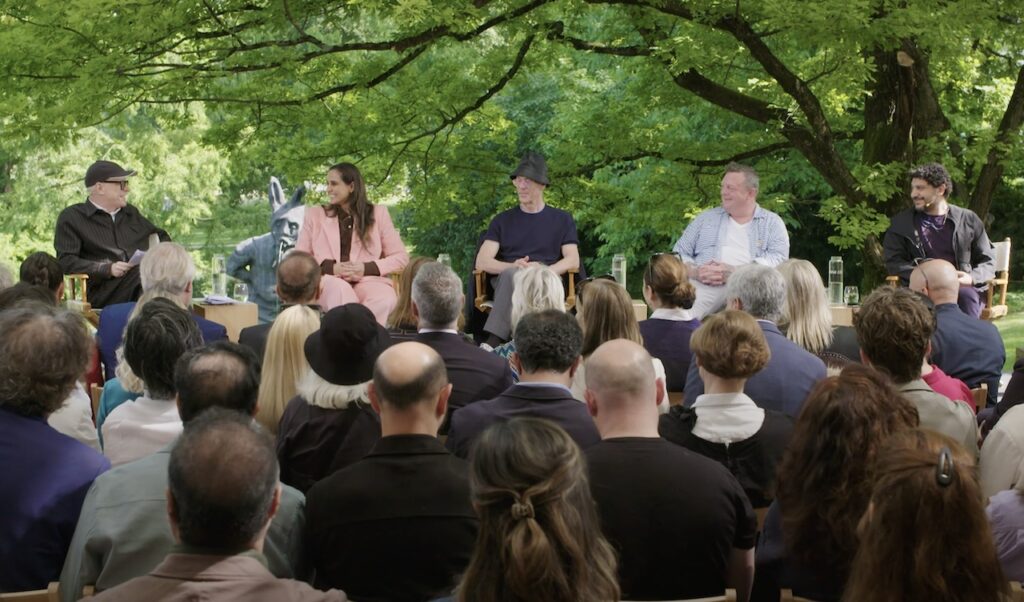
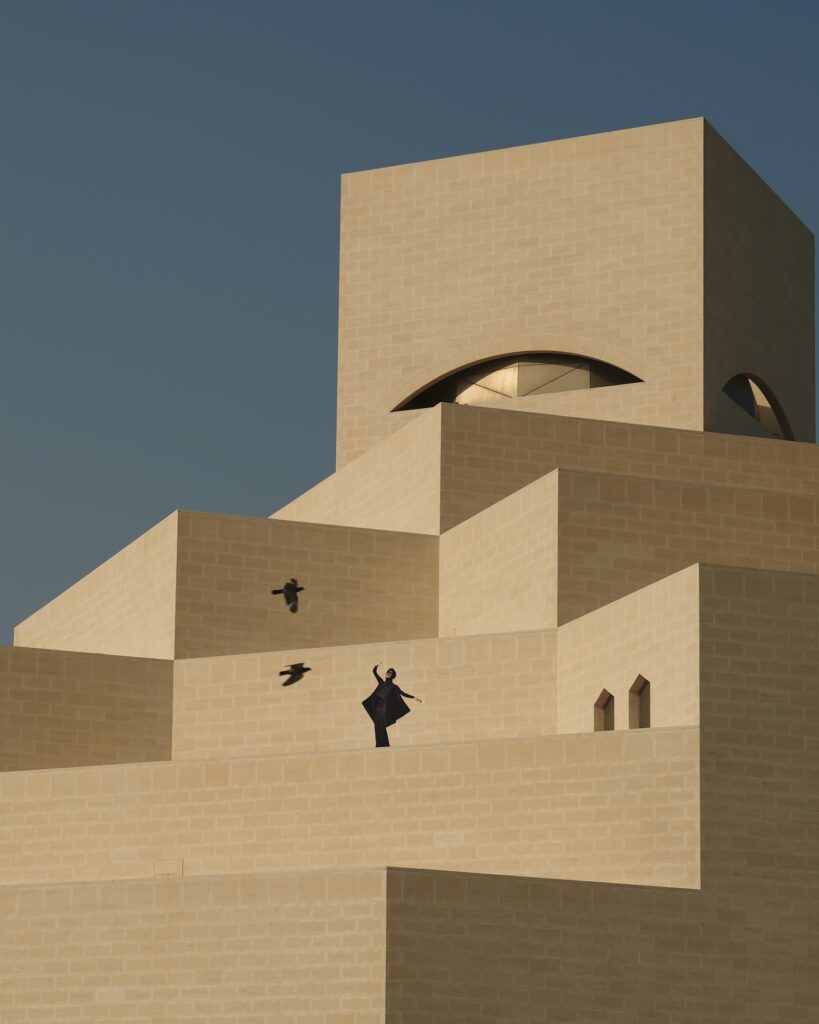
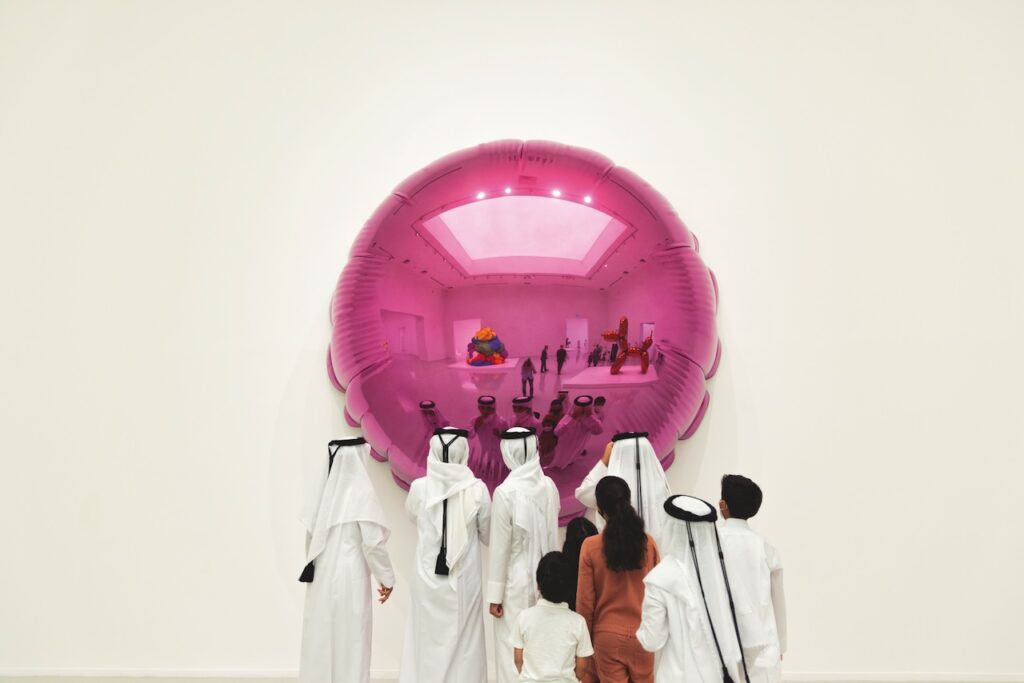
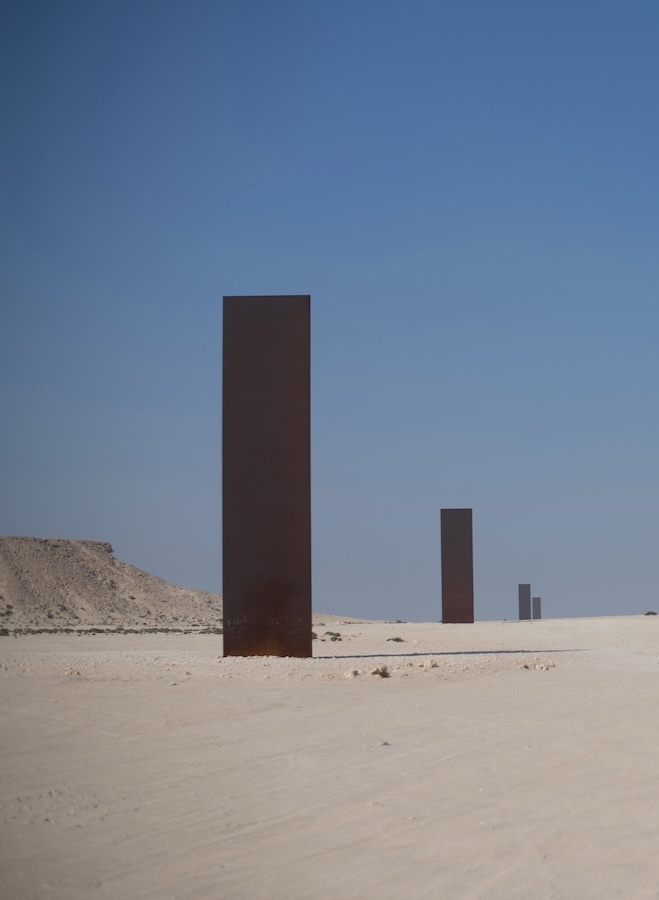
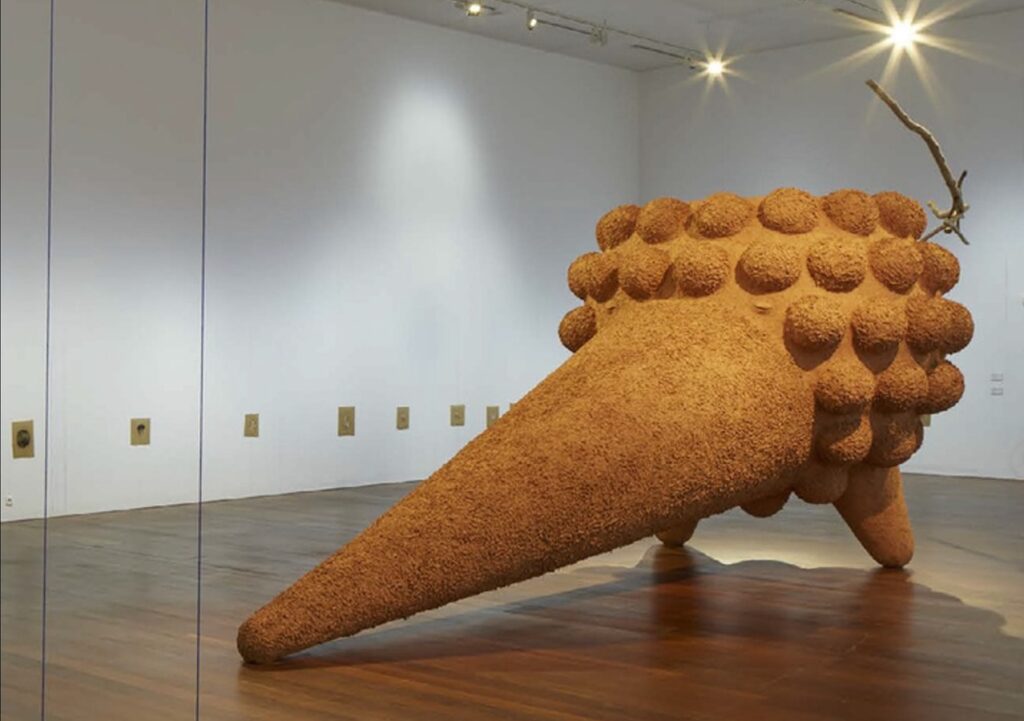
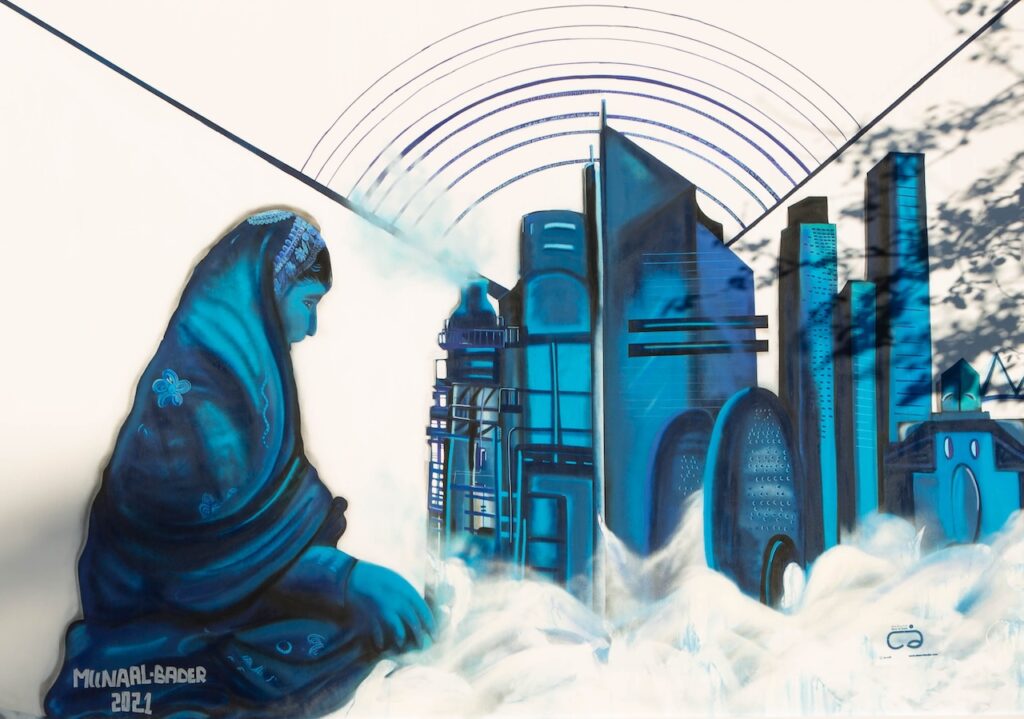
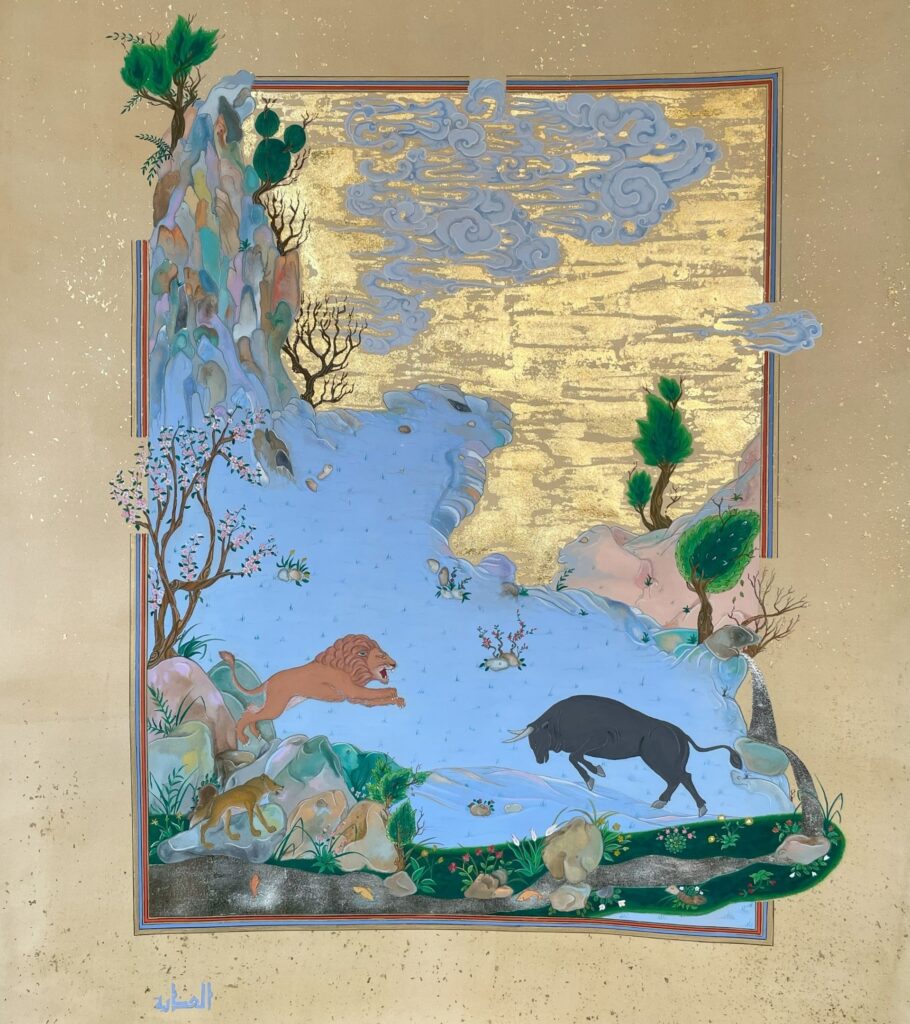
Art Basel’s Special Projects programme gathers a group of acclaimed international artists to create ambitious, site-responsive works that animate Msheireb Downtown Doha. Developed by artistic director Wael Shawky (see our feature Epic Vision) in close collaboration with Vincenzo de Bellis, chief artistic officer and global director of Art Basel Fairs, these commissions expand on the fair’s curatorial theme, Becoming.
“Each presentation brings a practice that is deeply rooted in the cultural fabric of the Gulf and its extended geographies, while also pushing conversations forward in bold and unexpected ways,” says Shawky. The result is a programme that treats the city itself as a site of becoming, where diverse perceptions and histories come together as a collective presence.
Encompassing sculpture, installation, sound and performance works, the Special Projects for the inaugural Art Basel Qatar trace the thresholds between past and future, material and immaterial, dream and waking life.
The commissions are situated across public and semi-public sites, inviting audiences to encounter art as something lived as the experience of the city, rather than observed. Together, they position Msheireb as a space not just for display, but for dialogue, and in doing so, art becomes a means of navigating and commenting on the evolving city and what it is growing into.
“These works present a narrative of transformation that offers audiences the chance to experience the region’s widest range of artistic practices,” says de Bellis. “The first edition of Art Basel Qatar will be truly remarkable, an opportunity for visitors to encounter first-hand the richness of artistic expression in the MENASA [Middle East, North Africa and South Asia] region.”
Little Castles and Other Songs
by Hassan Khan
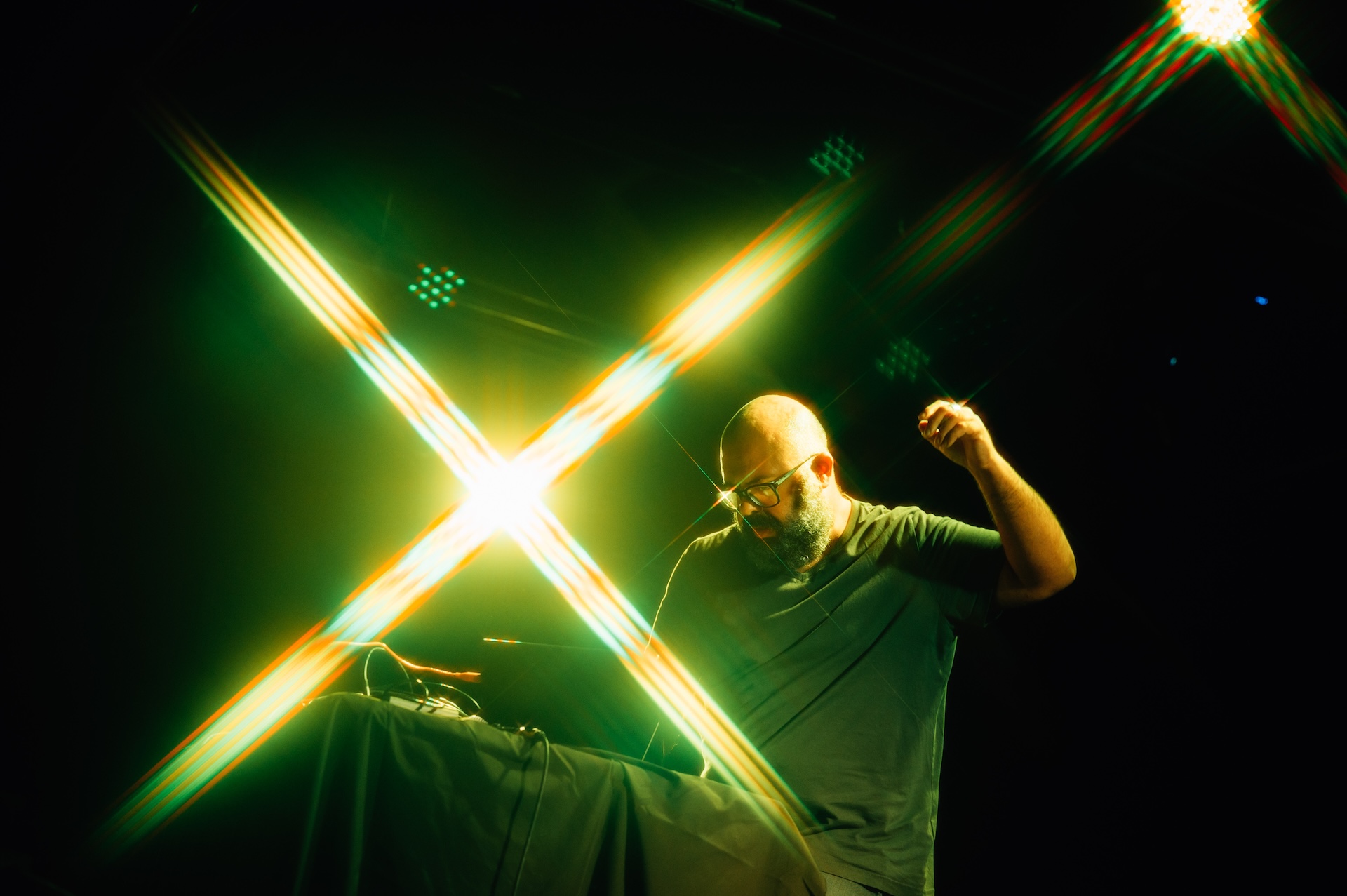
British-born Egyptian artist Hassan Khan premieres Little Castles and Other Songs,
a live suite of recent original compositions performed on a customised digital system developed with composer and artist Olivier Pasquet. Written during a period marked by global unrest and genocide, the work channels the emotional impact of a world in flux. The performance extends Khan’s longstanding interest in how cultural sensibilities are shaped under pressure, offering a shifting sonic landscape that mirrors the uncertainty of contemporary existence.
Transition, among other things
by Khalil Rabah
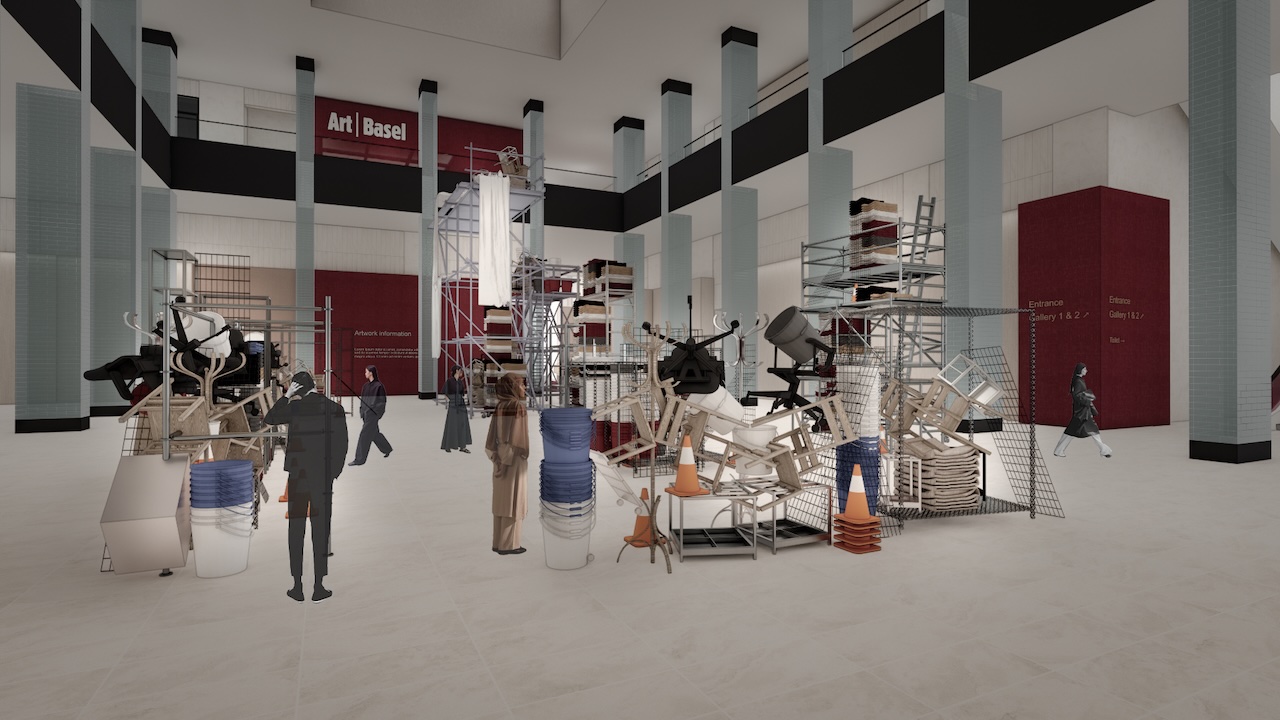
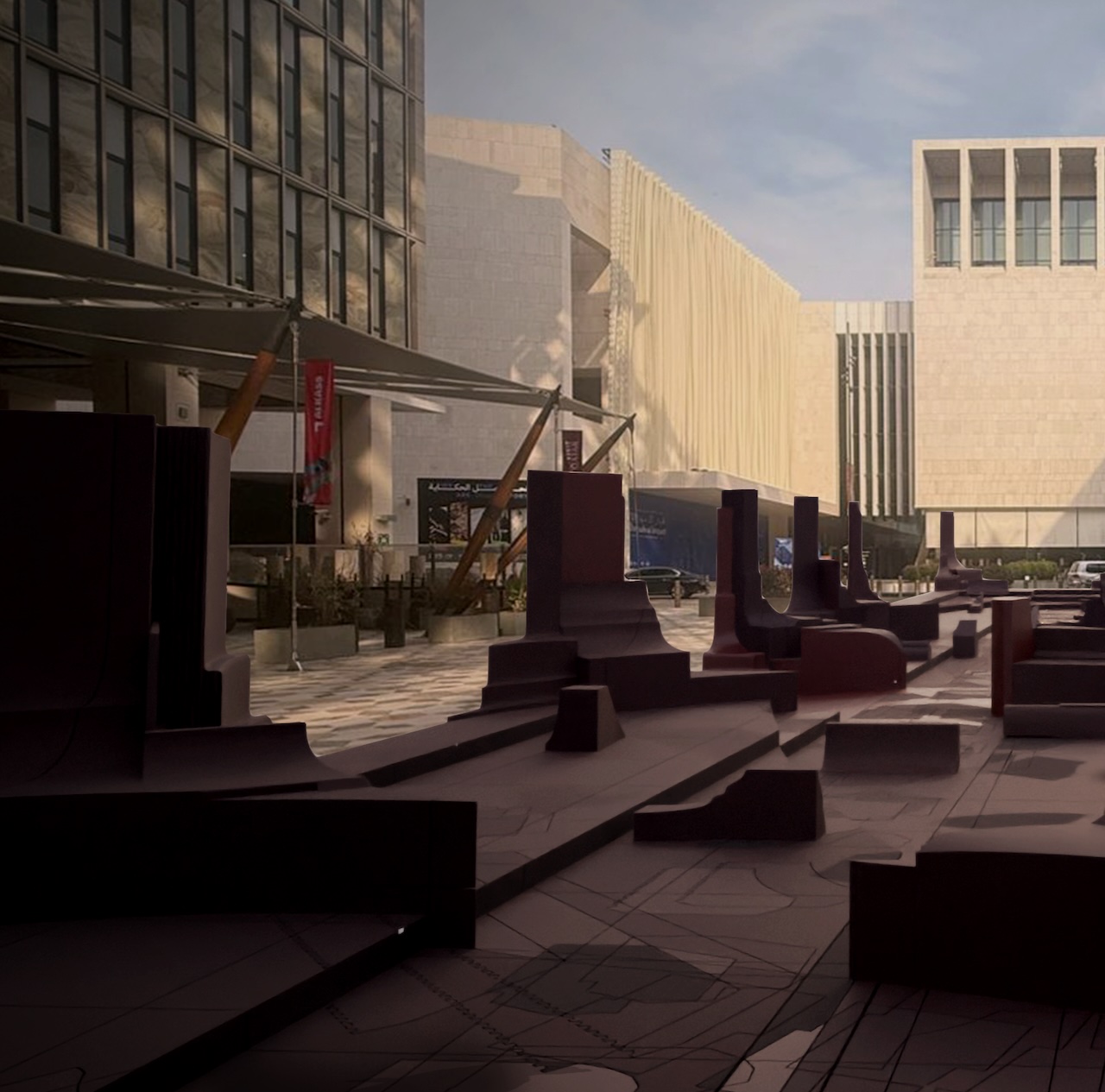
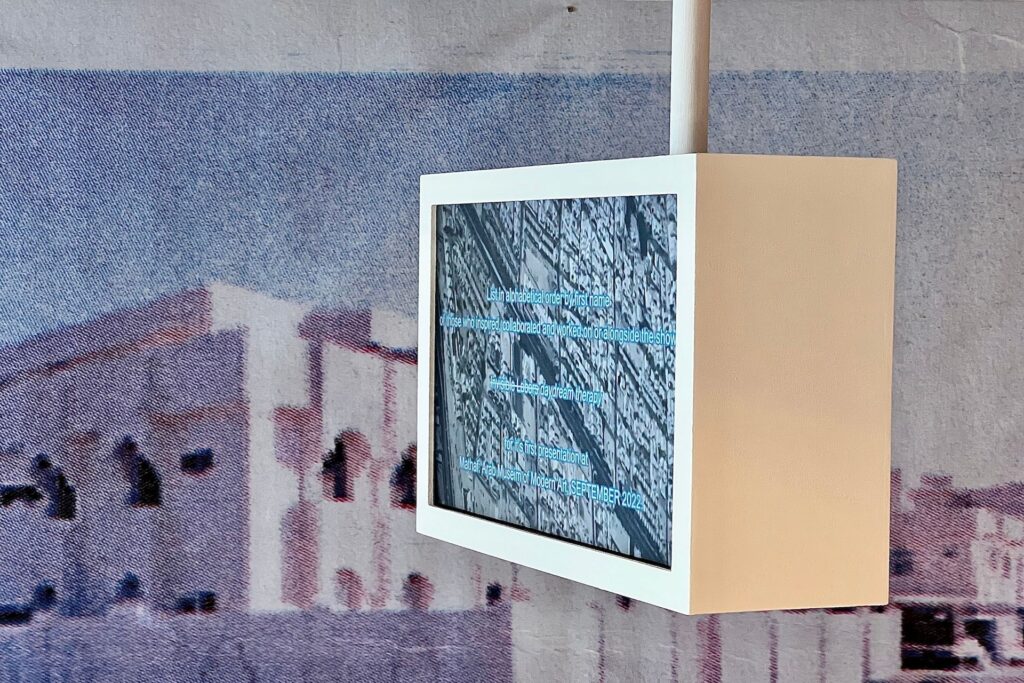
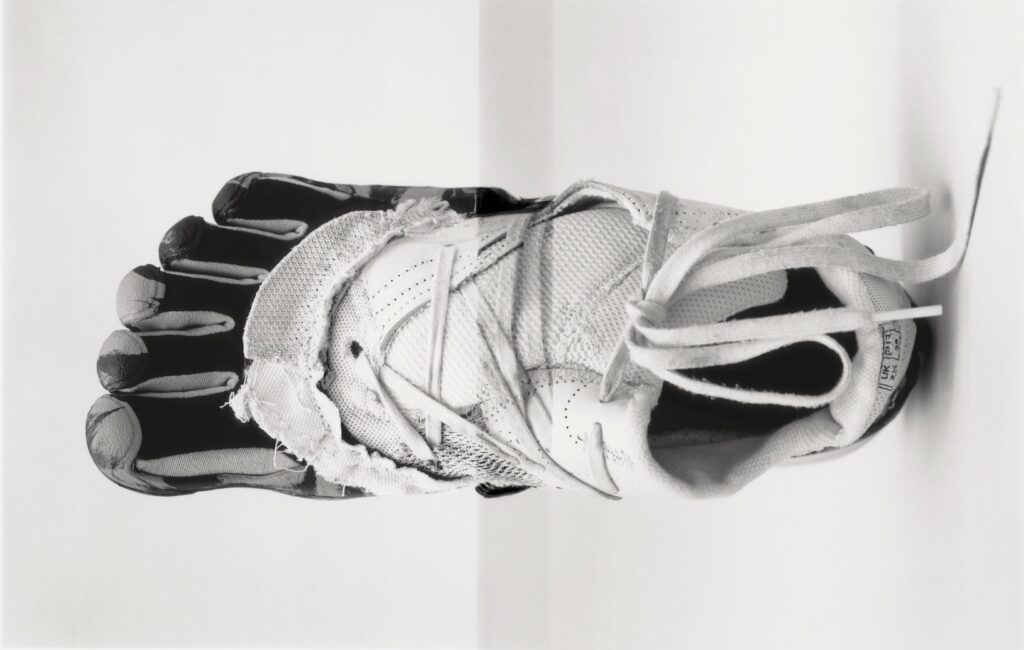
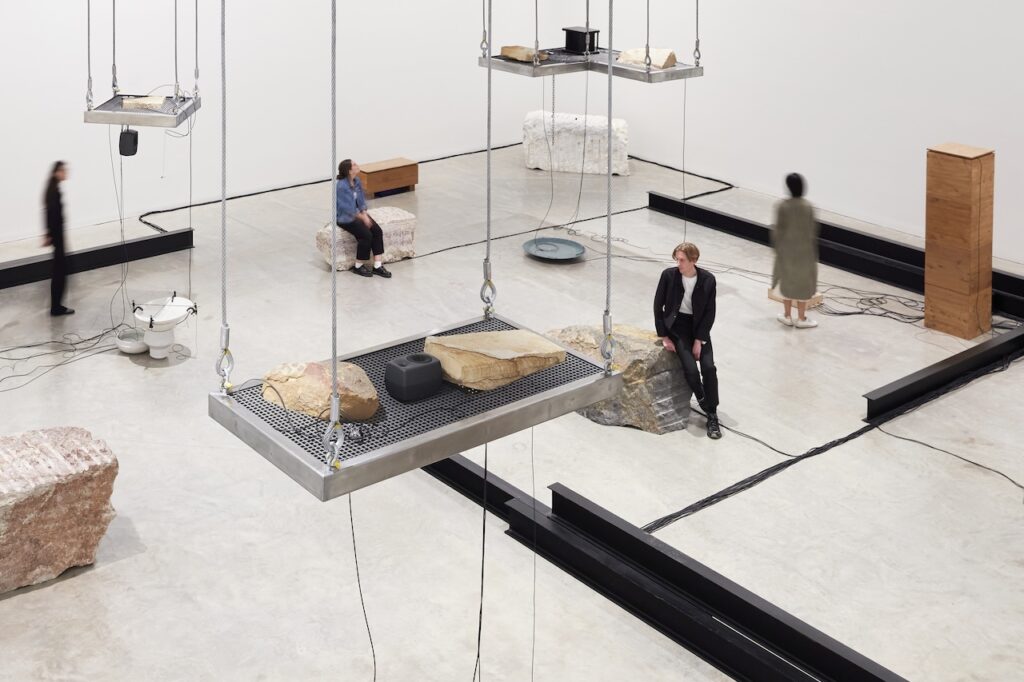
Transition, among other things by Palestinian artist Khalil Rabah is testament to the artist’s longstanding exploration into archives, institutional structures and the politics of representation. In this new work, he assembles reconfigured fragments from domestic, industrial and institutional environments into large-scale sculptural installations that evoke the reality of displacement. By indexing and reordering these materials, Rabah interrogates how value is constructed and challenged under conditions of occupation. The work echoes his wider practice, which reflects the instability of place and identity in Palestinian life.
Matters of Time
by Nour Jaouda
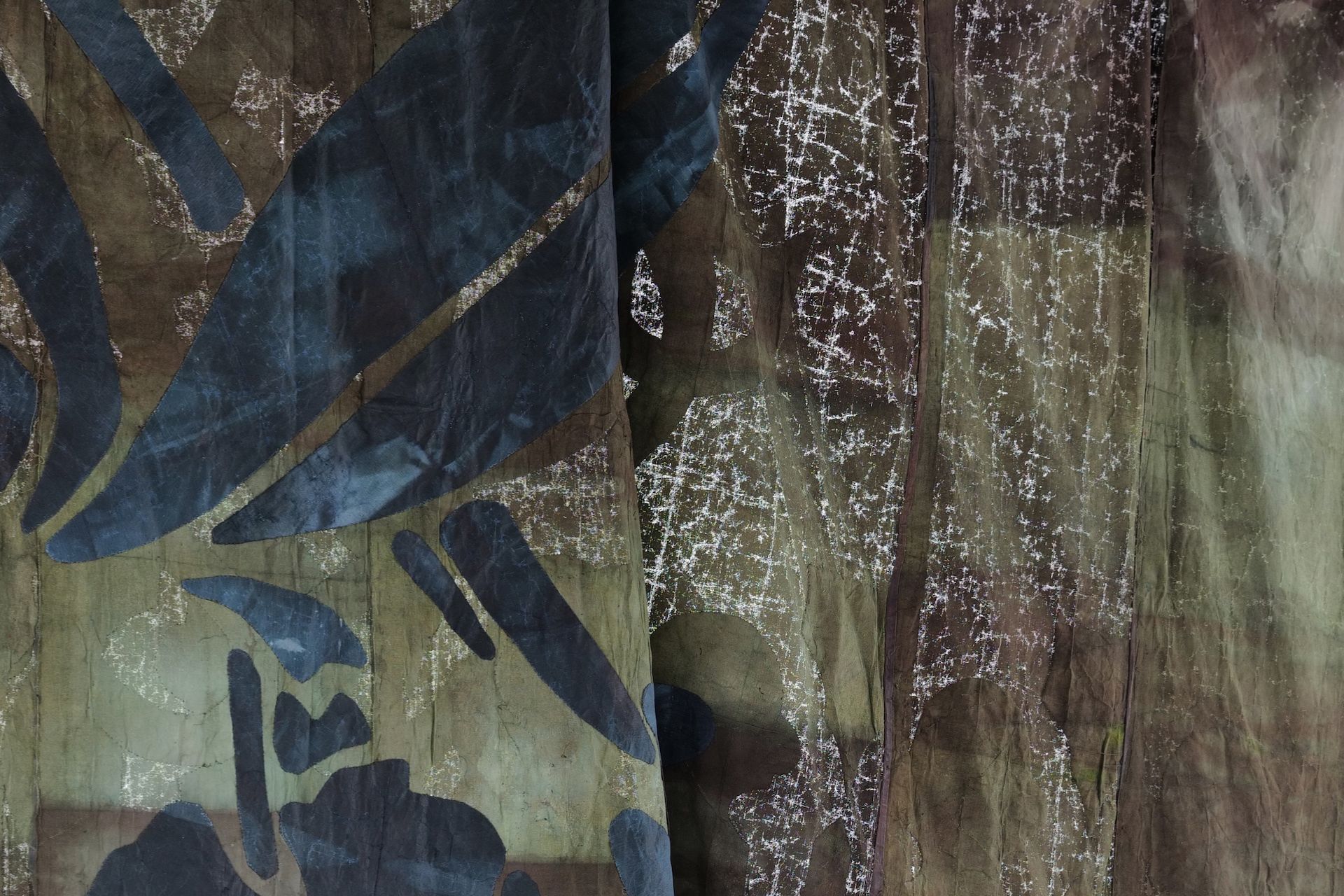
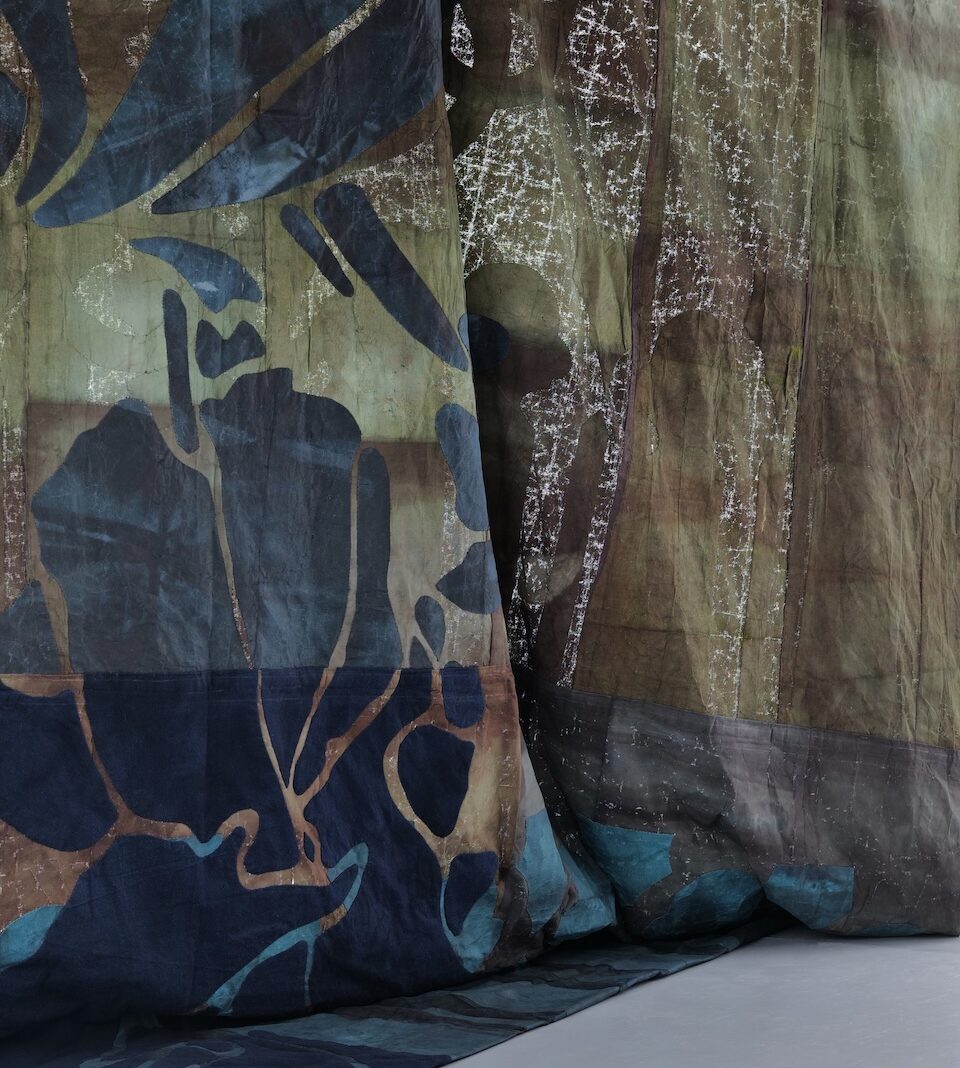
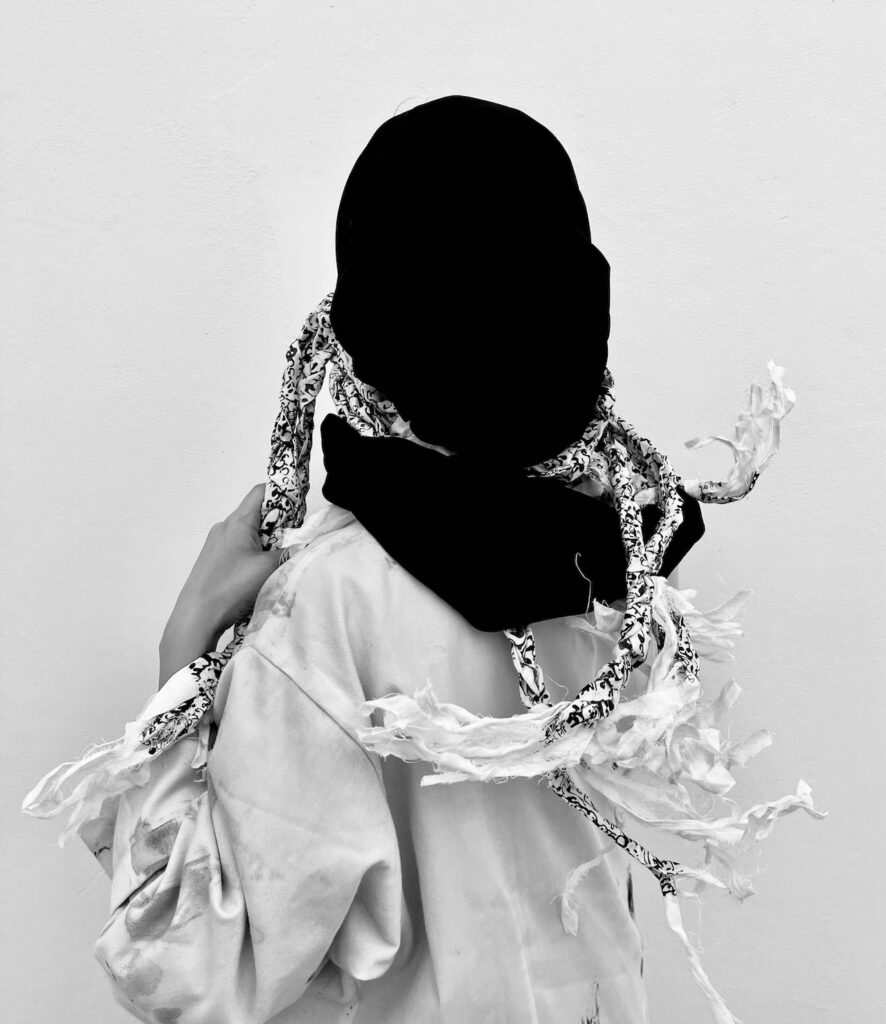
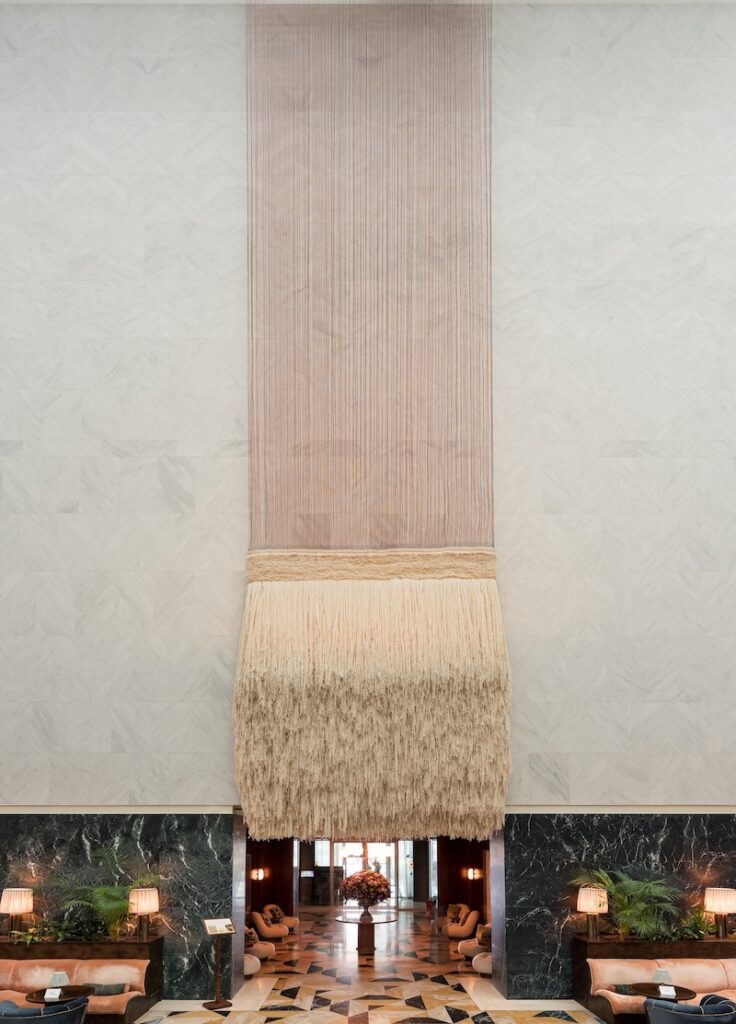
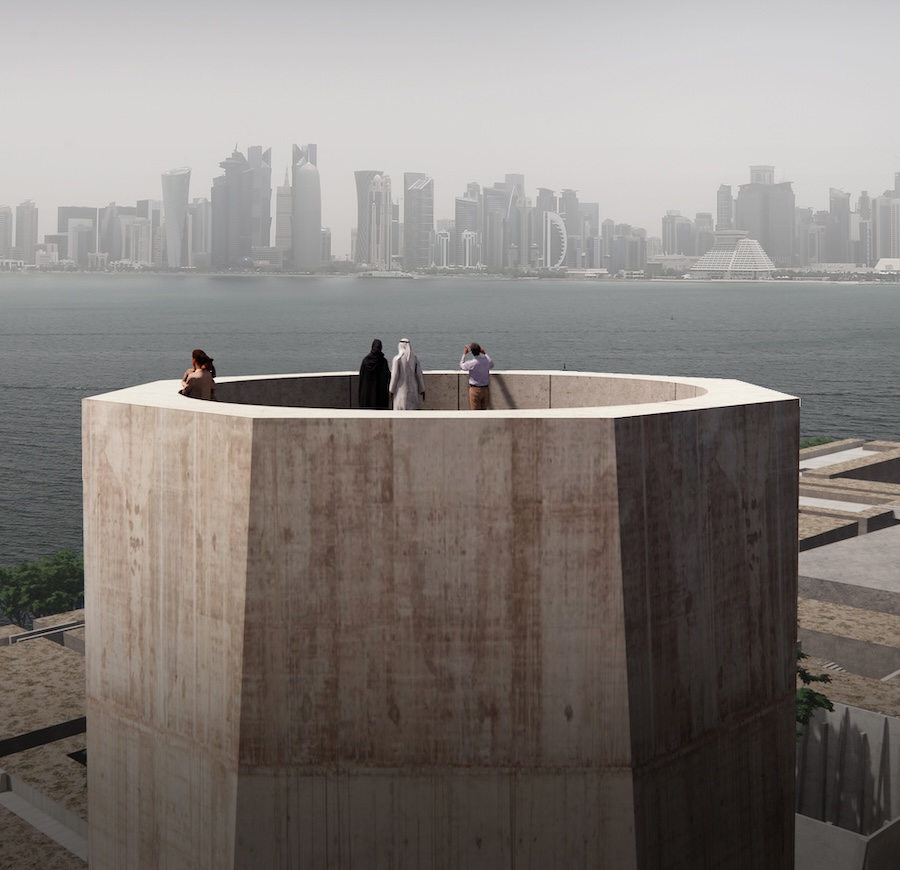
Libyan textile artist Nour Jaouda’s imagined “rest house” is built from intersecting steel walls, layered architectural drawings and suspended textile fragments, creating a space that is shaped by emotional subjectivity and memory. Inside the installation, dyed textiles offer glimpses of an imagined landscape that shifts between rural and urban, past and future, and idea and reality. In doing so, it takes on a different meaning for each visitor and embodies a process of continual becoming.
What Dreams May Come | أيُّ أحلامٍ قَدْ تأتي by Rayyane Tabet
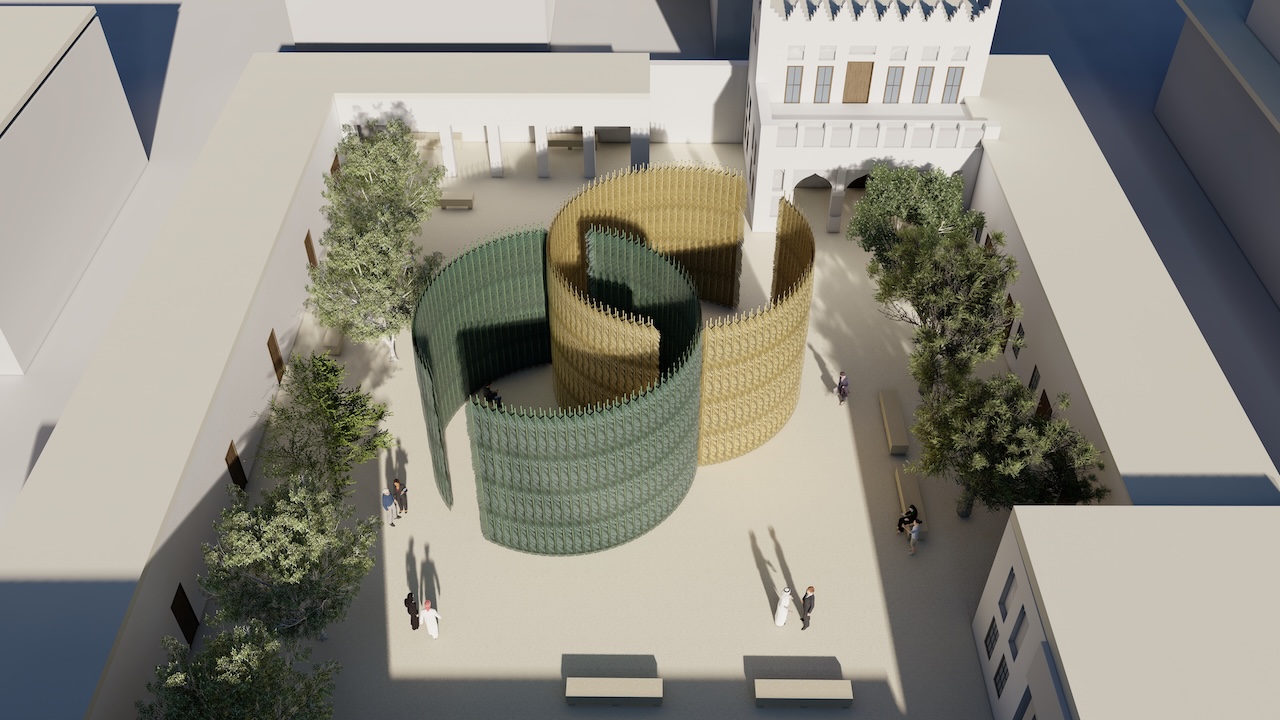
Lebanese artist Rayyane Tabet’s experiential pavilion What Dreams May Come | أيُّ أحلامٍ قَدْ تأتي explores the theme of Becoming through the suspended state of dreaming. Formed by two intersecting circular structures clad in natural and artificial palm fronds, the installation recalls the simple gesture of resting beneath a palm tree – an archetype of shelter across the Gulf. The pavilion invites both gathering and introspection, offering a transformative spatial encounter.
In the Assembly of Lovers
by Sumayya Vally
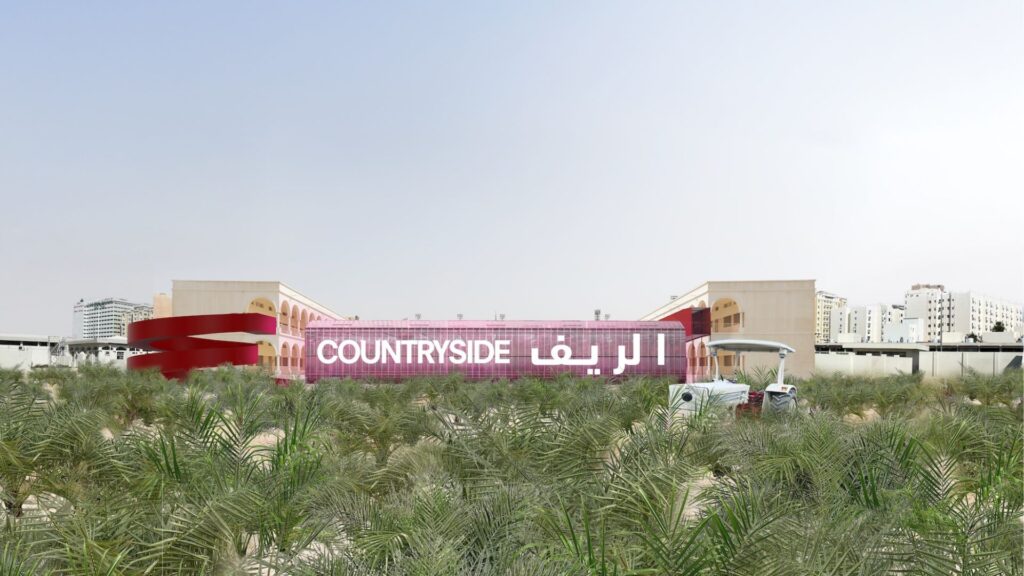
With In the Assembly of Lovers, Indian-South African architect Sumayya Vally reinterprets the majlis (Arabic sitting room) as a continuously transforming structure that is shaped by the collective presence of its inhabitants. Drawing from historic gathering spaces across the Muslim world, the installation – which is named after a line attributed to Sufi poet Rabia al-Adawiyya – considers how shared experience gives form to architecture. The work is designed to change configuration throughout the fair to host various gatherings and conversations, becoming a monument to its only constant: the act of gathering.
Photos: Lin Hsuan-Ling; courtesy of Art Basel; courtesy of the artists