From Mill to Museum and Beyond
Q+A JANUARY 2026
Chilean architect Alejandro Aravena, and his studio ELEMENTAL, are transforming a flour mill in Doha into a future wonder of the art world
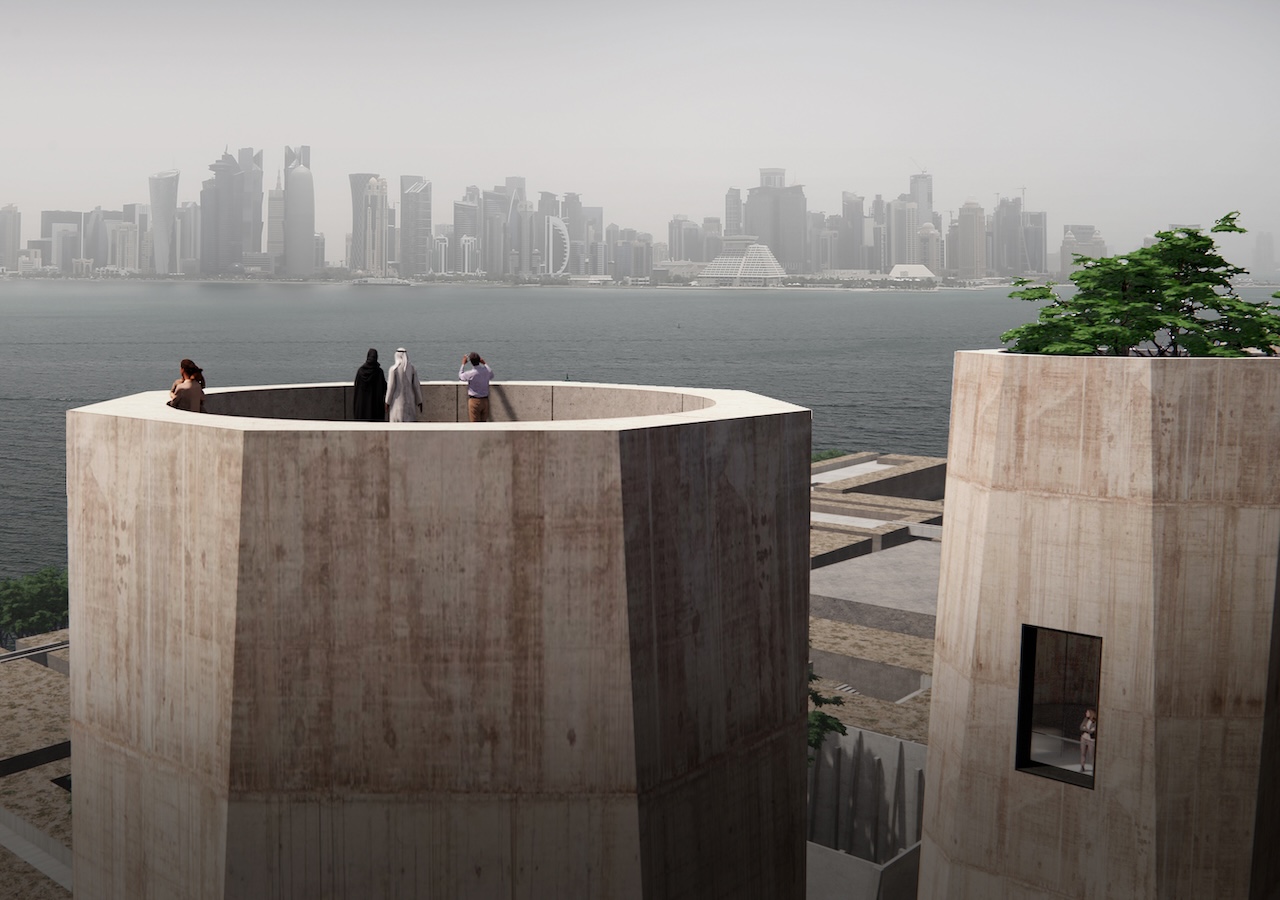
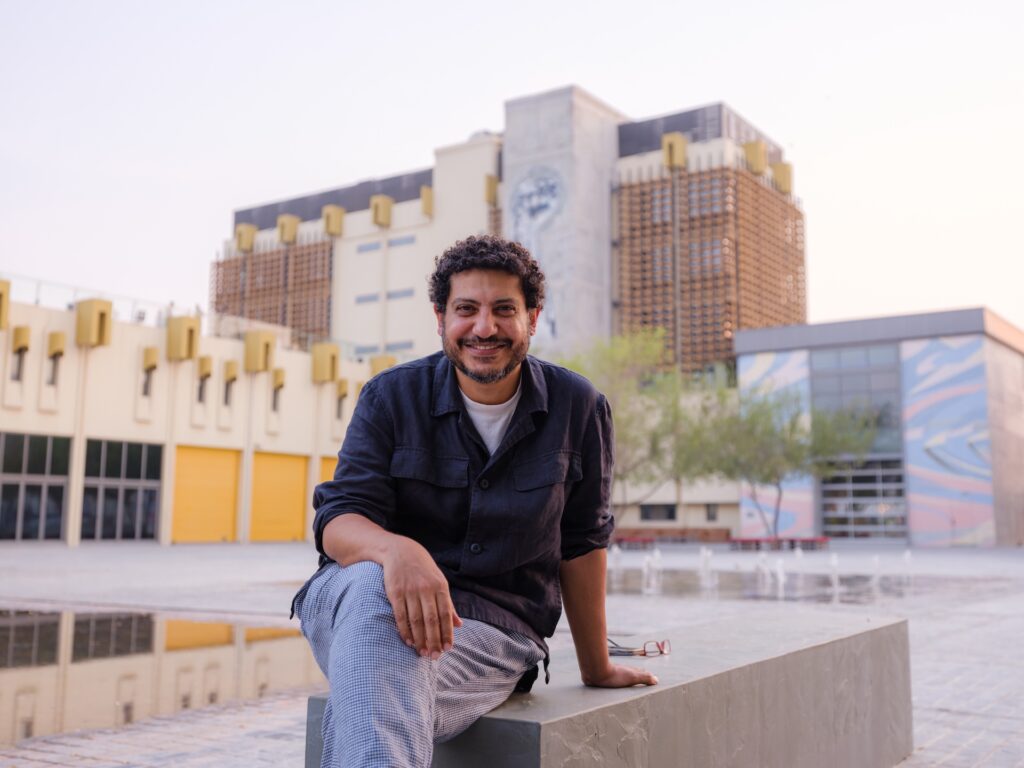
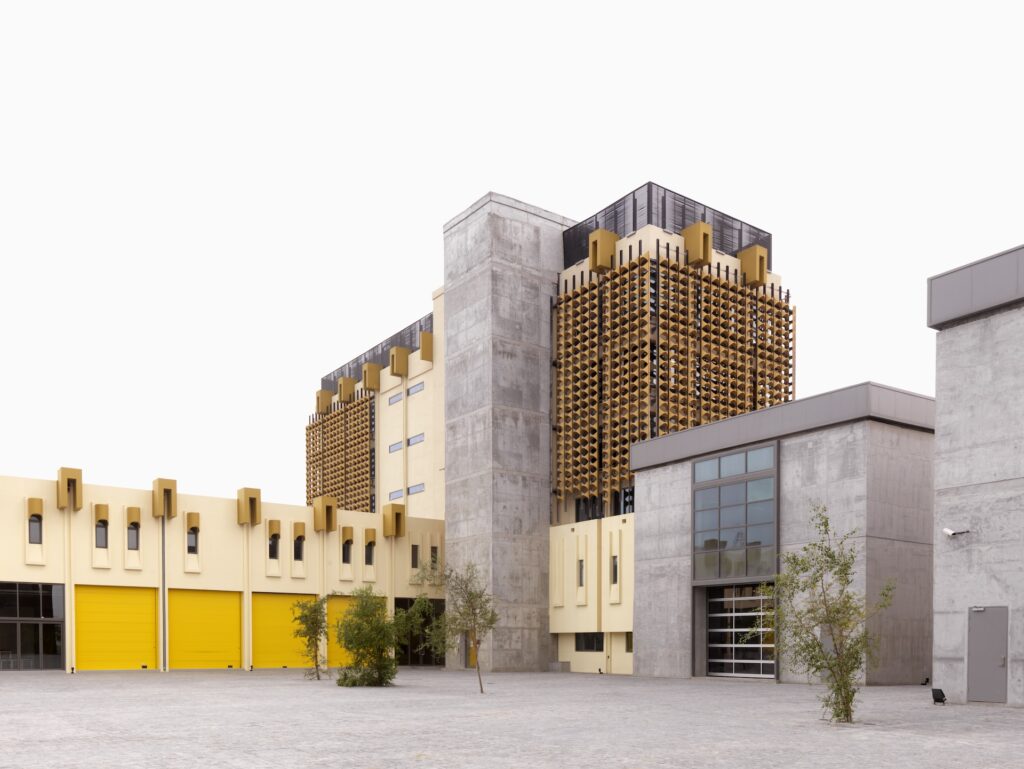
Imagine moving through a forest of concrete silos rising beside Doha Bay, monumental industrial relics that speak of the site’s former use as a flour mill. A vast hall slopes almost imperceptibly, leading visitors to a precipitous edge where land gives way to the sea. This is the ambitious vision of Pritzker Prize-winning Chilean architect Alejandro Aravena for the upcoming Art Mill Museum, which – when it opens sometime in the 2030s – will house a world-class collection of global modern and contemporary art.
When Aravena, executive director of ELEMENTAL, first arrived in Qatar after being invited to create a proposal for the new museum, he felt an unexpected sense of familiarity. “Chile and Qatar are very different but somehow it felt familiar,” he recalls. “In the north of Chile we have the driest desert in the world. When I landed in Qatar, I thought, ‘I recognise this place – I understand how to move in a desert environment.’”
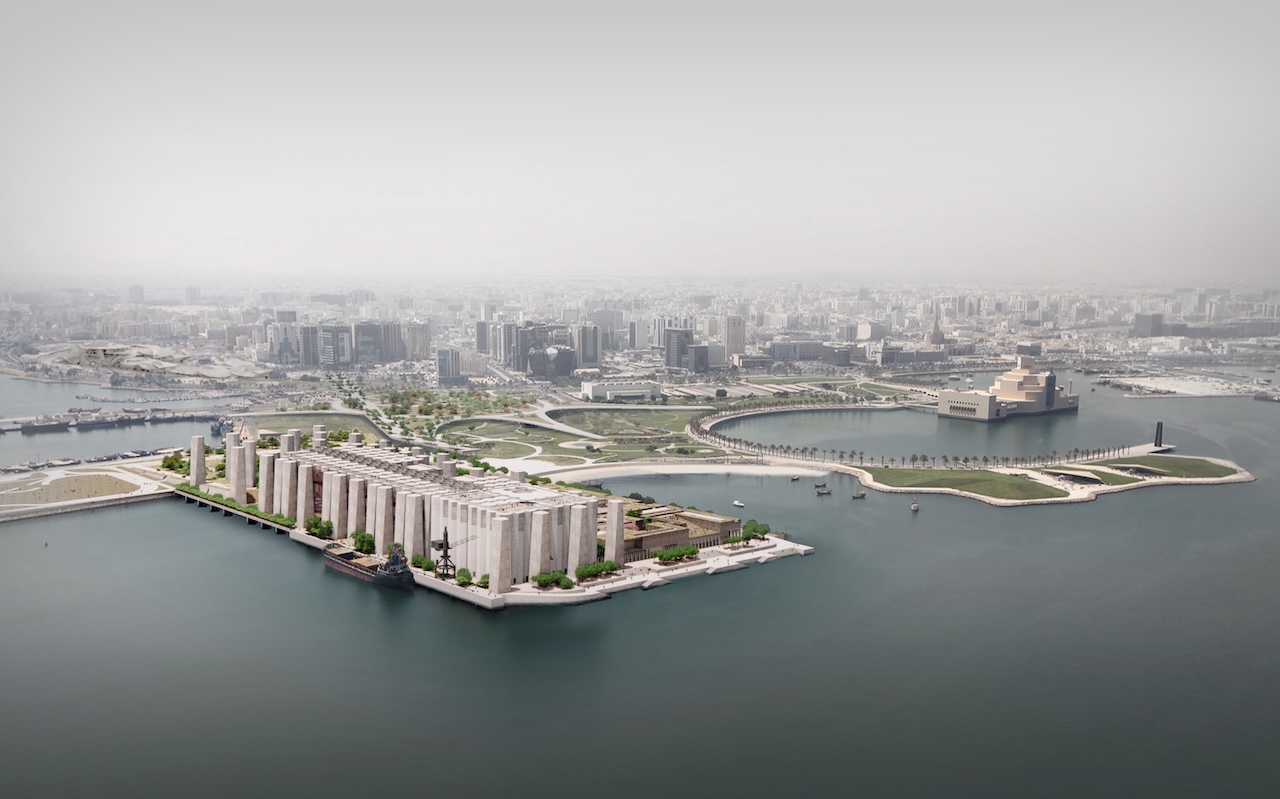
In his winning scheme, the flour silos, 5m-high and 8m-wide, are the central motif. These forms are multiplied to create what Aravena describes as “a forest of columns” that offer shade without a conventional roof structure. The idea anchors the museum in Qatar’s climate and history, transforming the industrial forms into a new kind of civic landscape.
Because of the site’s scale, Aravena describes the project as “not just urban, but geographical”. In the proposed design, a gentle slope with an imperceptible 3% incline across 400m leads from ground level to a “cliff” overlooking the water. “That experience, of being on a hill facing the horizon, connects you to something geological, even beyond architecture,” he explains. “It’s about following the same dynamics nature uses when large masses of earth and water meet.”
The transformation of the mill is an ongoing process of investigation. The team plans to study the silos’ existing concrete structure and to make an expedition across Qatar to collect and analyse local sands and soils that could be used to develop low-carbon, thermally resilient materials. “It’s a scientific and cultural investigation,” says Aravena. “We want to make the building materially of Qatar.”
For Aravena, this material approach is not only conceptually resonant but also a way to ensure durability. “The buildings we admire most are those where the structure is the architecture,” he explains. “That’s often not the case in contemporary architecture, where everything is covered by a skin that has little to do with the structure. We wanted to go in the opposite direction. Think of ancient ruins – what remains after thousands of years is the structure.”
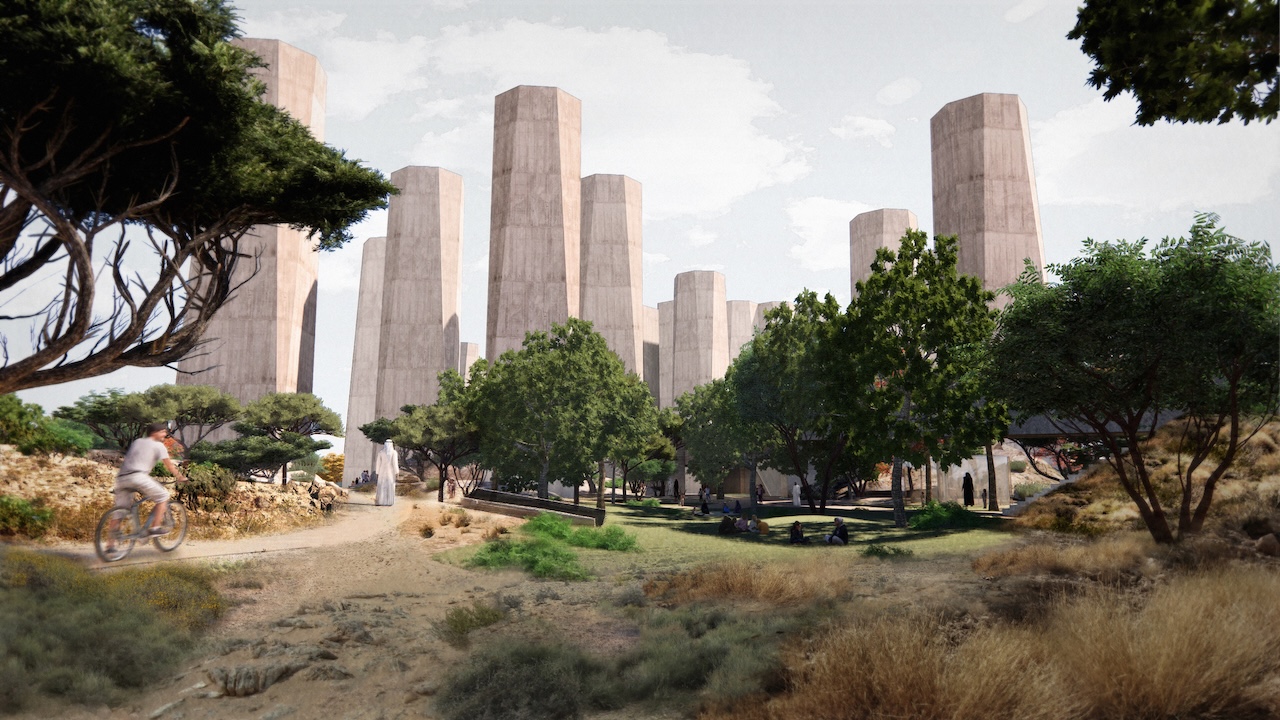
In Qatar’s arid climate, this also makes sense environmentally, with the building designed to offer comfortable interiors suitable for displaying valuable works of art. The thermal mass of the monumental museum – which is intentionally designed without any glass – will regulate temperature while minimising carbon footprint.’
Importantly, Aravena’s adaptation of the flour mill has been designed with evolution in mind. “To last culturally, a building must be able to adapt,” he says. “When you look back through history, the structures that endure – those that have evolved from fortresses to monasteries to universities to museums – all share certain qualities: clear geometry, straightforward spaces and direct structure. They are neutral and self-explanatory, allowing for change over time. That capacity for flexibility is what we’re aiming for. If you’re going to invest significant resources, you want to make sure what you build will endure for generations.” ■
Listen
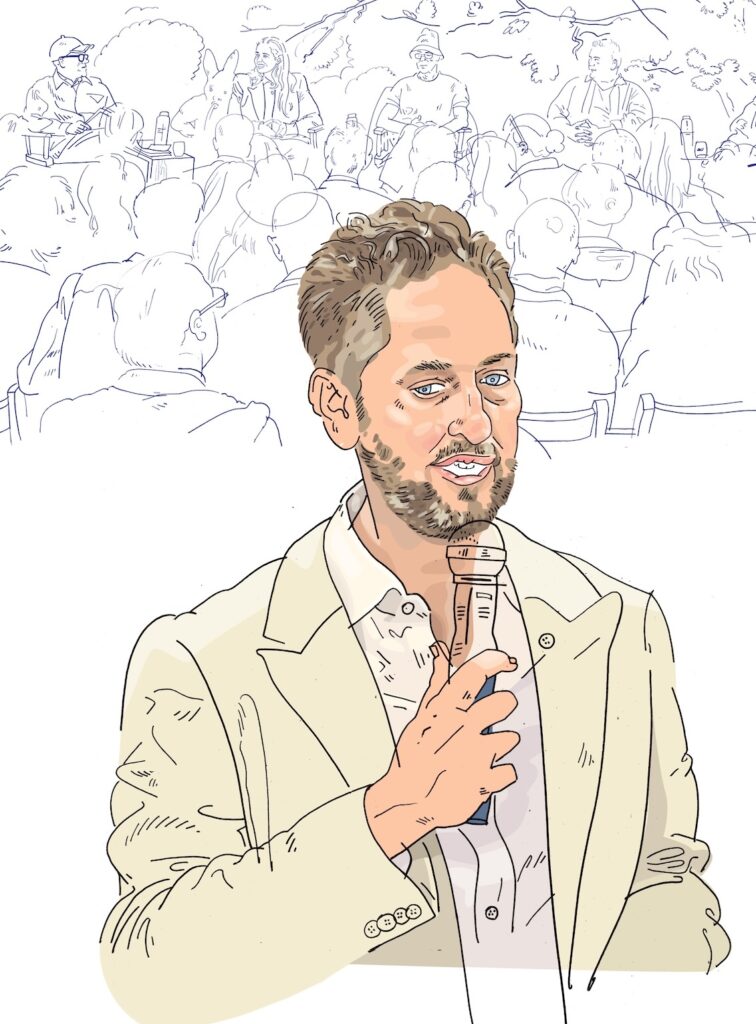
Alejandro Aravena
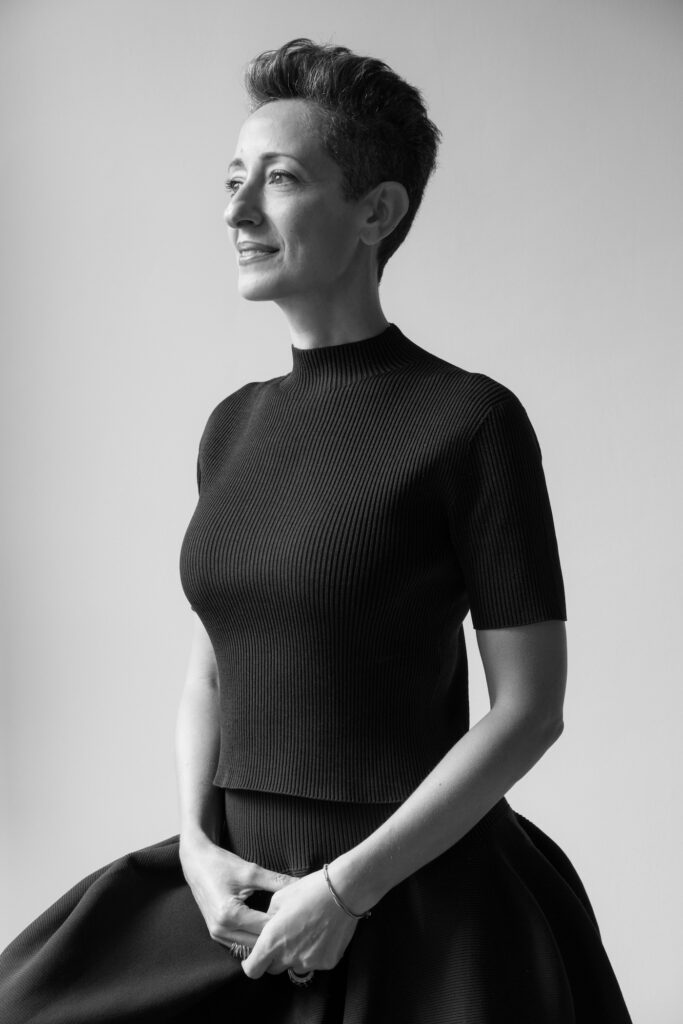
Alejandro Aravena was born in Santiago, Chile, in 1967. He established Alejandro Aravena Architects in 1994 and founded ELEMENTAL in 2001. The practice focuses on projects of public interest and social impact, including housing, public space and infrastructure. With ELEMENTAL he has built work in Chile, the United States, Mexico, China and Switzerland. In July 2016, Aravena was curator of the 2016 Venice Architecture Biennale and the following year he was awarded the Pritzker Architecture Prize. In 2025, he was a member of the advisory panel that chose Lina Ghotmeh as the architect of the forthcoming Qatari Pavilion at the Venice Biennale.